


Home
Pregnancy, Breastfeeding, and Pumping: The Ultimate Guide for Moms
Can You Shake Pumped Breast Milk? The Complete Evidence-Based Guide
Can You Shake Pumped Breast Milk? The Complete Evidence-Based Guide
Introduction: The Gentle Handling of Liquid Gold
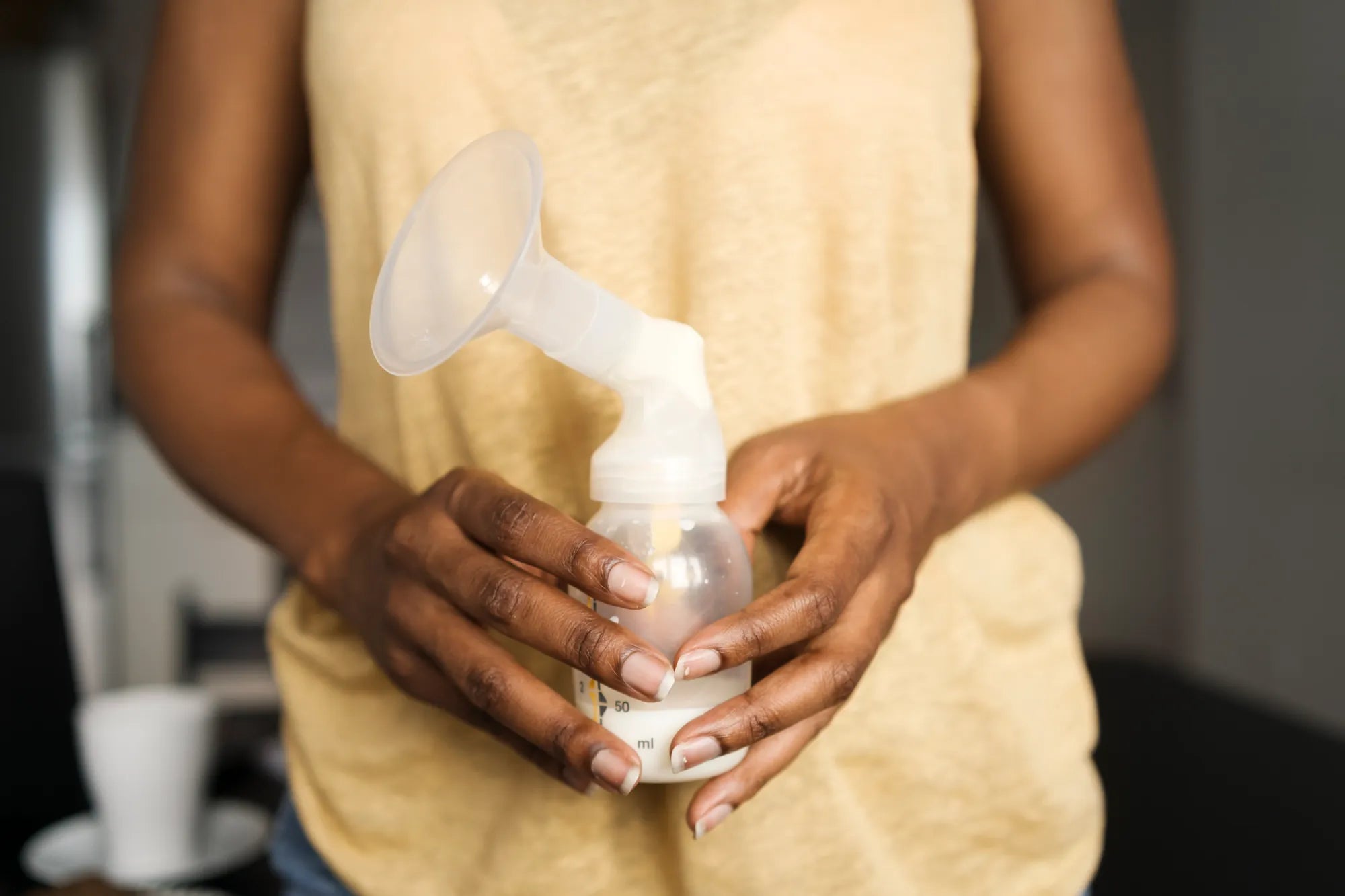
The question, "Can you shake pumped breast milk?" is one of the most common and surprisingly contentious queries among pumping parents. You've just finished a session with your wearable pump, and you see the familiar separation of creamy fat and thinner milk in the collection bottle. Your instinct is to give it a quick shake to mix it back together, but then you hesitate. You've heard warnings that shaking damages the precious components. This creates a real-world dilemma for parents managing a pumping schedule.
This article provides clear, evidence-based guidance on handling pumped milk to preserve its unparalleled nutritional and immunological value. We'll cut through the noise, separating outdated advice from modern science. Our goal aligns with MomMed's mission: to support moms with reliable, comfortable products and the accurate information needed for a confident feeding journey, whether you're using an award-winning S21 wearable pump or preparing a bottle of stored milk.
Understanding the Science: What's Really in Your Breast Milk?
Breast milk is not a simple liquid; it's a dynamic, living substance tailored to your baby's needs. Its complex composition includes macronutrients like proteins, fats, and carbohydrates, as well as invaluable bioactive components. Key among these are immunoglobulins (like Secretory IgA), which form a protective layer in your baby's gut, leukocytes (living white blood cells), enzymes, growth factors, and a unique blend of prebiotics (human milk oligosaccharides).
These components have varying degrees of sensitivity to physical stress. The core of the "shaking" debate centers on the concept of protein denaturation. Denaturation occurs when a protein's structure unfolds, which can potentially reduce its functional activity. Forces like extreme heat, harsh chemicals, or vigorous mechanical agitation can cause this.
However, the agitation required to denature proteins significantly is far beyond the gentle shaking a parent would use to mix a bottle. Scientific consensus indicates that the gentle manual shaking of breast milk does not cause meaningful denaturation of its proteins or destruction of its immune factors. The real concern isn't molecular damage; it's the introduction of excess air.
When you shake any liquid containing proteins and fats, you create foam and bubbles. In breast milk, this foam is primarily composed of the valuable fat globules and proteins trapped in air pockets. This can lead to two practical issues: potential loss of fat stuck to the sides of the bottle and, for some babies, ingestion of excess air bubbles which may contribute to gas or fussiness.
To Shake or Not to Shake? Debunking the Common Myth
So, can you shake pumped breast milk? The direct answer from current lactation science is yes, gentle shaking is considered safe and will not destroy the nutritional value of your milk. Authoritative bodies like La Leche League International and KellyMom have clarified this based on a review of the available evidence. The long-perpetuated myth likely stems from an over-application of basic biochemistry principles without real-world context.
The caution against shaking is more about practical bottle preparation than about ruining the milk. Vigorous shaking creates many bubbles, integrating air into the milk. For a baby with a sensitive tummy, drinking this overly aerated milk might lead to increased gas, spit-up, or general discomfort. It's a matter of baby's comfort, not milk degradation.
Furthermore, when foam settles, it can create the illusion of less milk volume, causing parents to worry they haven't pumped enough. The fat that rises into the foam can also coat the bottle and nipple, potentially being left behind. Therefore, while shaking is not harmful from a nutritional standpoint, there is a better method that avoids these minor drawbacks altogether.
This nuanced understanding empowers you. If you're in a hurry and give the bottle a few gentle shakes, you can do so without fear that you've turned your "liquid gold" into nutritionally void water. The antibodies, cells, and nutrients remain largely intact. The goal is simply to minimize foam for your baby's comfort and to ensure they receive every drop of precious fat.
The Gold Standard: Best Practices for Mixing and Handling Pumped Milk
To preserve the integrity of your milk and minimize air ingestion for your baby, follow these step-by-step best practices from expression to feeding.
Step 1: Post-Pumping Protocol
After pumping with your MomMed pump, first ensure the collection bottles or bags are sealed tightly. If you are combining milk from the same day, you can pour the fresh, cooled milk together. To mix the separated layers, use the "swirl and roll" technique. Gently swirl the bottle in a circular motion, allowing the liquid to move along the sides. Alternatively, slowly roll the bottle between your palms. This effectively reincorporates the fat without churning air into the milk.
Step 2: Storage and Layering
When storing milk in the refrigerator or freezer, it will naturally separate. This is a normal sign of high-quality, fatty milk. Always label your storage containers with the date and volume. Remember the "first in, first out" rule. Do not shake the milk before storing it; simply seal it and place it in the back of the fridge or freezer where the temperature is coldest and most stable.
Step 3: Thawing and Warming Safely
Thaw frozen milk overnight in the refrigerator or by placing the sealed container in a bowl of warm water. Never thaw or warm breast milk in a microwave, as it creates dangerous hot spots and can damage bioactive components. Once thawed, you may notice even more pronounced separation. Again, use the gentle swirl method to mix it. If you need to warm a refrigerated bottle, place it in a cup of warm water for a few minutes.
Step 4: Pre-Feeding Mixing
Immediately before feeding, give the bottle a final gentle swirl to ensure an even distribution of fat. If a few bubbles form, let the bottle sit upright for a minute to allow them to dissipate. You can also carefully tap the bottom of the bottle on the countertop to help bubbles rise. This simple process ensures your baby gets a consistent mixture and ingests less air.
Why Your MomMed Wearable Pump Makes a Difference
Your choice of pump directly influences the initial state of your milk. MomMed wearable pumps, like the award-winning S21 Double Wearable, are engineered for efficiency and gentleness. Their optimized cycle and suction settings are designed to mimic a baby's natural nursing pattern, which helps express milk effectively without excessive agitation. Using BPA-free, food-grade silicone components, the system helps maintain the quality of your milk from the moment it leaves the breast, resulting in less initial foam and making the post-pump swirling process even simpler and more effective.
Storing and Prepping: A Safe Handling Timeline
Proper storage is critical for maintaining milk safety and quality. Follow these evidence-based guidelines, which synthesize recommendations from the CDC and the Academy of Breastfeeding Medicine.
| Storage Location | Temperature | Freshly Expressed Milk | Thawed from Frozen |
|---|---|---|---|
| Room Temperature | Up to 77°F (25°C) | Up to 4 hours (ideal within 2) | 1-2 hours |
| Refrigerator | 39°F (4°C) or colder | Up to 4 days (ideal within 3) | 24 hours (do not refreeze) |
| Freezer (with separate door) | 0°F (-18°C) or colder | Within 6-12 months is best | N/A |
Key handling tips: Always store milk in the back of the fridge/freezer, not in the door where temperatures fluctuate. Use dedicated breast milk storage bags or clean, food-grade containers. Leave about an inch of space at the top of bags for expansion during freezing. When prepping a bottle, only warm the amount you think your baby will take to avoid wasting unused milk that cannot be re-refrigerated after feeding begins.
Comparison of Milk Handling Methods
This table clarifies the impact of different mixing techniques, helping you make an informed choice.
| Method | Procedure | Impact on Nutrients | Foam/Bubble Creation | Recommendation |
|---|---|---|---|---|
| Gentle Swirling | Slow circular motions, rolling bottle | Negligible. Best for preserving all components. | Minimal to none. | Gold Standard. Highly recommended. |
| Gentle Shaking | Moderate up-and-down motion | Negligible. No meaningful damage. | Moderate. Can create noticeable foam. | Acceptable but not ideal. Let bubbles settle before feeding. |
| Vigorous Shaking | Forceful, rapid shaking | Negligible to nutrients, but may increase fat adhesion to container. | High. Creates thick foam, integrating air. | Not recommended. Wastes fat, maximizes baby's air intake. |
| Using a Bottle Warmer/Stirrer | Mechanical warming with gentle agitation | Negligible if heat is controlled. | Low, depending on model. | Excellent for warming and gentle mixing. |
Frequently Asked Questions from Concerned Moms
1. I accidentally shook the bottle really hard. Have I ruined the milk?
No, you have not ruined it. While vigorous shaking is not the preferred method, it does not destroy the core nutritional value, antibodies, or living cells in any significant way. The primary issues are the creation of excessive foam and the possibility of fat sticking to the sides of the container. Simply let the bottle sit upright for several minutes to allow the foam to settle and dissipate before feeding.
2. Can I shake breast milk to mix in fortified formula or medications?
For mixing in a small amount of powdered formula fortifier (as directed for preemies) or liquid vitamins/medications, gentle swirling is still the best first choice to ensure even distribution without foam. If a powder is clumping, a very gentle shake may be needed, but follow it with a rest period to reduce bubbles. Always consult your pediatrician or a lactation consultant for specific mixing instructions for fortifiers.
3. Does shaking reduce the antibody (IgA) content?
Current evidence suggests that the mechanical force from hand-shaking is insufficient to degrade the structure or function of immunoglobulins like Secretory IgA. These antibodies are remarkably resilient. Factors like repeated freeze-thaw cycles or high-heat pasteurization have a far greater impact on antibody activity than gentle physical agitation.
4. How can I get rid of all the bubbles after I've shaken it?
If you have a bubbly bottle, let it stand upright for 5-10 minutes. The bubbles will slowly rise to the surface and pop. You can also gently tap the bottom of the bottle on the countertop to encourage bubbles to rise. Skimming the surface foam with a clean spoon is not recommended, as you'll likely remove valuable fat.
5. My milk sometimes looks "layered" or "chunky" after storage. Is that normal?
Yes, this is completely normal. Breast milk separates into a fatty cream layer and a thinner, milkier layer. After freezing and thawing, the fat may sometimes appear clumpy or gelatinous. These fat globules will fully reincorporate with gentle warming and swirling. The milk is still safe and nutritious. Only be concerned if the milk has an unmistakably sour or foul odor, which indicates spoilage.
Conclusion: Confidence in Every Drop
Navigating the details of breast milk handling is a part of the pumping journey. The key takeaway is this: gentle shaking is acceptable and will not damage your milk, but the swirling method is superior. It preserves every drop of fat, minimizes air bubbles for your baby's comfort, and ensures the powerful bioactive components in your "liquid gold" remain ready to nourish and protect.
Trust your instincts and pair them with evidence-based practices. By understanding the science, you can move forward with confidence, whether you're storing a large freezer stash or preparing the next bottle. For a pumping experience designed with this gentle, efficient philosophy in mind, explore the MomMed collection. Shop the MomMed collection at mommed.com for all your breastfeeding and pregnancy needs, from our innovative S21 wearable pump to essential feeding gear, and nurse with the confidence that you're providing the very best.