


Home
Pregnancy, Breastfeeding, and Pumping: The Ultimate Guide for Moms
Can You Keep Breast Pump Parts in Fridge? A Complete Safety & Convenience Guide
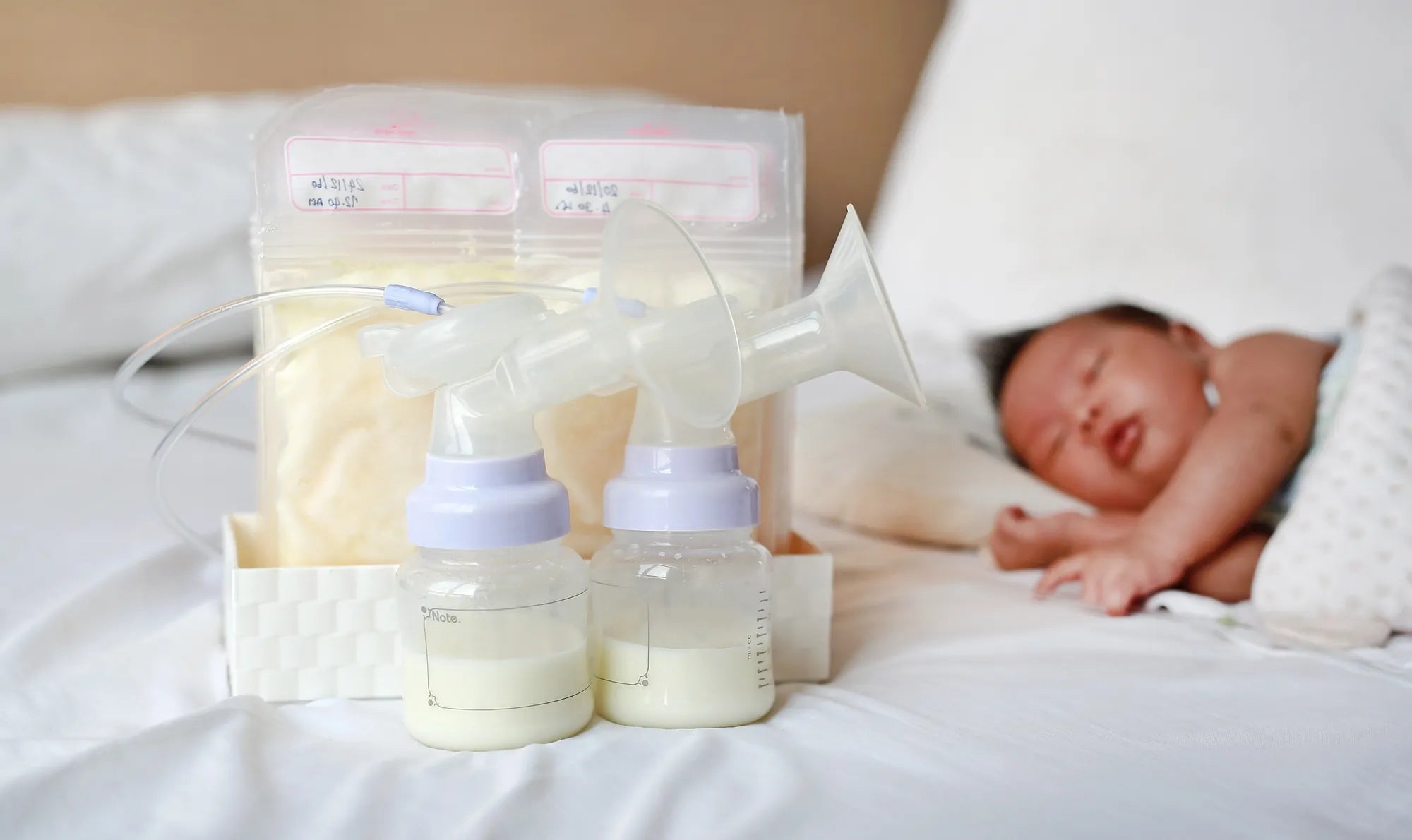
Can You Keep Breast Pump Parts in Fridge? A Complete Safety & Convenience Guide
Introduction: The Breast Pump Storage Question Every Mom Asks
You've just finished a 3 AM pumping session. The house is quiet, you're exhausted, and the thought of washing a mountain of pump parts feels overwhelming. A common question pops into your mind: can you keep breast pump parts in fridge between sessions to save time? This practice, often called the "fridge hack," is a hot topic in parenting forums and among busy pumping parents.
It promises a shortcut, but is it safe? This article provides a deep, evidence-based exploration of storing breast pump parts in the refrigerator. We'll dissect the potential benefits, the documented risks, official health guidelines, and safer alternatives. Our goal is to equip you with all the information needed to make a personal, informed decision for your family.
Balancing convenience with your baby's safety is paramount. We'll navigate the science behind bacterial growth, the real-world experiences of parents, and how trusted brands like MomMed are innovating to solve this very dilemma. Let's dive into the details of this common pumping question.
Understanding the "Fridge Hack" for Pump Parts
The "fridge hack" refers to the practice of placing used breast pump parts—specifically the flanges, valves, membranes, and connectors that come into contact with breast milk—into a clean, sealed container or bag and storing them in the refrigerator between pumping sessions. The core idea is to avoid washing the parts after every single use throughout the day.
Instead of washing, the user typically gives the parts a quick rinse to remove visible milk residue, places them in a dedicated container, and refrigerates them. The theory is that the cold temperature of the fridge will sufficiently inhibit bacterial growth until the next pumping session, which might be just a few hours later. At the end of the day, all parts are thoroughly washed and sanitized as usual.
This method has gained significant traction, particularly among exclusive pumping parents, working moms, and those with multiples, for whom the constant washing cycle can be a major barrier. It's seen as a practical workaround to a time-consuming chore. The central question, can you keep breast pump parts in fridge safely, hinges on whether refrigeration is a reliable substitute for immediate cleaning.
It's crucial to distinguish this from storing expressed milk. Milk storage has its own strict guidelines for time and temperature. The hack applies only to the pump parts themselves, not the liquid gold you've worked hard to produce.
The Potential Benefits: Why Some Moms Swear By It
For many parents, the appeal of the fridge method is undeniable. It addresses several real and significant challenges of the pumping lifestyle. The primary benefit is a dramatic reduction in time spent on pump maintenance. Washing, rinsing, and air-drying parts after each 20-30 minute session can add hours to a parent's week.
This saved time translates directly to convenience, especially during night feeds. The ability to quickly stash parts and return to bed can mean precious extra minutes of sleep, which is invaluable in the postpartum period. It also reduces the mental load of yet another recurring task on an endless to-do list.
There's an environmental and economic angle as well. Less frequent washing means conserving water and reducing wear and tear on the parts from constant exposure to soap and hot water. Some parents also find that by removing the washing barrier, they are more likely to stick to their intended pumping schedule, which can help maintain or even increase milk supply.
For parents on the go or at the workplace, having a set of parts ready to go in a office fridge can simplify logistics immensely. It eliminates the need to carry multiple sets or find a private space to wash parts during a busy workday. These practical benefits explain why the question can you keep breast pump parts in fridge is so persistently asked.
Examining the Risks and Official Health Guidelines
Despite its popularity, the fridge hack stands in direct contrast to the official recommendations of major public health authorities. The Centers for Disease Control and Prevention (CDC) and the Food and Drug Administration (FDA) are unequivocal: breast pump parts should be cleaned thoroughly after every use.
The CDC's guidance states, "Rinsing or soaking pump parts in between uses is not recommended because it can allow germs to multiply." The core risk is bacterial growth. Breast milk is a perfect growth medium for bacteria. While refrigeration slows bacterial multiplication, it does not stop it entirely, especially on a surface that is not perfectly clean.
Studies have shown that bacteria like *Bacillus cereus* and *Listeria* can survive and even slowly multiply at refrigerator temperatures. A quick rinse does not sanitize parts; it may leave a thin film of milk fat and sugars that bacteria can feed on. The moist, cold environment inside a sealed container can become an incubator over several hours.
For healthy, full-term infants, the risk of illness from this practice is generally considered low, but it is not zero. The risk increases for premature infants, newborns under 3 months, or babies with compromised immune systems, for whom any bacterial introduction can be serious. Following the guideline to wash after each use is the only way to eliminate this risk entirely.
Best Practices for Safer Refrigeration of Pump Parts
If, after reviewing the evidence, a parent makes an informed choice to use the fridge method, certain protocols can significantly mitigate the risks. This is a personal risk-benefit calculation that should be made with full awareness. First, always start with impeccably clean, sanitized hands and pump parts.
After pumping, immediately disassemble all parts that touched milk or your breast. Give them a thorough rinse under cool or warm running water to remove all visible milk residue. Do not let them sit at room temperature. Shake off excess water and place them directly into a clean, dedicated, airtight container or zip-top bag. Label it clearly so it's not mistaken for food.
Critical Rule: Never store the parts in the same bag or container as your expressed milk bags or bottles. Keep them separate to prevent cross-contamination. The container should be placed in the back of the refrigerator, where the temperature is coldest and most stable, not in the door.
Set a strict time limit. The absolute maximum storage time in the fridge should be 24 hours, and many experts recommend far less—only until the next pumping session (typically within 4-8 hours). At least once per 24-hour period, all parts must undergo a complete cleaning cycle: washing with hot, soapy water, rinsing, and air-drying on a clean towel or rack. Sanitizing by steam, boiling, or using sanitizing bags should be done daily or as recommended by the pump manufacturer.
A Safer, Convenient Alternative: The MomMed Approach
The dilemma between safety and convenience is exactly why MomMed designs its products with the real-life needs of parents in mind. Instead of relying on the fridge hack, a more reliable solution is having multiple sets of easy-to-clean, quick-drying parts. This is where the design philosophy of MomMed pumps shines.
Take the MomMed S21 Double Wearable Breast Pump, an award-winning model trusted by thousands of moms. It features BPA-free, food-grade silicone parts that are not only gentle on skin but also simple to disassemble and clean. The kit includes essential components, and additional flange sets are readily available.
By investing in just one or two extra sets of flanges, valves, and diaphragms, you can rotate through clean, dry parts throughout the day. You use one set, wash it, and let it air-dry while you use the next. This system provides the same time-saving convenience as the fridge hack but aligns perfectly with CDC safety guidelines. There's no wondering can you keep breast pump parts in fridge because you always have a fresh, clean set ready to go.
Furthermore, the S21's ultra-quiet, hands-free design adds another layer of convenience. You can pump while working, caring for an older child, or even running errands, making it easier to maintain your schedule without cutting corners on cleanliness. MomMed focuses on innovation that supports, rather than compromises, a healthy and confident feeding journey.
Comparison: Fridge Hack vs. Multiple Parts vs. Sanitizing Wipes
To visualize the trade-offs, here is a comparison of common methods for handling pump parts between sessions.
| Method | Procedure | Pros | Cons | CDC Alignment |
|---|---|---|---|---|
| Fridge Hack | Rinse, seal in container, refrigerate for up to 24 hrs. | Saves time/water, convenient for nights/work. | Risk of bacterial growth, contradicts official guidelines. | No |
| Multiple Part Sets (e.g., MomMed System) | Rotate 2-3 clean sets; wash all at day's end. | Always a dry set ready; fully compliant; reduces stress. | Initial cost for extra parts; requires storage space. | Yes |
| Sanitizing Wipes (for external use) | Wipe flange exterior after use; internal parts still need washing. | Quick for on-the-go; reduces surface germs. | Does not clean milk channels; chemical residue risk; not a full clean. | Partial/Not for full cleaning |
| Wash After Every Use | Full wash with soap/water after each session. | Gold standard for safety; eliminates bacterial risk. | Time-consuming; can be burdensome; requires immediate access to sink. | Yes |
This table highlights that using multiple part sets, like those designed for MomMed pumps, offers a strong balance, providing convenience while fully adhering to the safest practices.
Frequently Asked Questions on Pump Part Storage
Can I store my pump parts in the fridge with my milk bottles?
No, you should not. Always store pump parts in a separate, clean, sealed container. Storing them loose or with your milk bottles or bags risks cross-contamination, where bacteria from the parts could transfer to your expressed milk.
Does the refrigerator kill bacteria on pump parts?
No. Refrigeration only slows down the growth and reproduction of most bacteria. It does not kill them. Sanitization through heat (steam, boiling) or chemicals is required to kill bacteria, and washing with soap is required to remove the milk residue they feed on.
I used the fridge hack and my baby got sick. Could it be related?
While it's difficult to pinpoint a single source of illness, bacterial contamination from improperly cleaned pump parts is a known risk. If your baby shows signs of gastrointestinal distress, vomiting, or fever, contact your pediatrician immediately and stop using the fridge hack.
What is the absolute maximum time for the fridge hack?
Most sources that tolerate the hack suggest a strict maximum of 24 hours in the refrigerator before a full wash and sanitize. However, for greater safety, treat the limit as "until the next pumping session," ideally within 4-8 hours. Less time in the fridge means less opportunity for bacterial growth.
How should I properly wash and sanitize my MomMed parts?
Disassemble all parts (flanges, valves, diaphragms, connectors). Wash them in warm water with a mild, fragrance-free dish soap using a dedicated brush. Rinse thoroughly under running water. To sanitize, you can use a steam sanitizer bag (following its instructions), boil in water for 5-10 minutes, or use a dishwasher with a sanitize cycle if the parts are dishwasher-safe. Always air-dry completely on a clean rack or towel before reassembling or storing.
Conclusion: Making Your Confident, Informed Choice
The journey of feeding your baby, whether at the breast or with a pump, is filled with decisions. The question of whether you can keep breast pump parts in the fridge sits at the intersection of practicality and precaution. The evidence shows that while the "hack" offers tangible time savings, it carries a small but real deviation from the safest possible practice.
Your choice should be informed by your baby's health status, your own comfort with risk, and the availability of better alternatives. The safest path remains washing parts after each use. The most convenient safe path is investing in a system that supports multiple part sets, like those offered by MomMed, eliminating the need to choose between safety and sanity.
MomMed is committed to supporting parents with reliable, innovative products that make the feeding journey easier without compromise. From the comfortable, efficient design of our S21 Wearable Pump to our range of easy-clean accessories, we build solutions that respect both your time and your baby's well-being.
Ready for a convenient solution that prioritizes safety? Explore the MomMed collection at mommed.com for wearable breast pumps, spare part sets, and all your breastfeeding and pregnancy needs. Empower your pumping journey with confidence and comfort.