


Home
Pregnancy, Breastfeeding, and Pumping: The Ultimate Guide for Moms
Can You Combine Pumped Breast Milk from the Same Day? A Complete Guide
Can You Combine Pumped Breast Milk from the Same Day? A Complete Guide
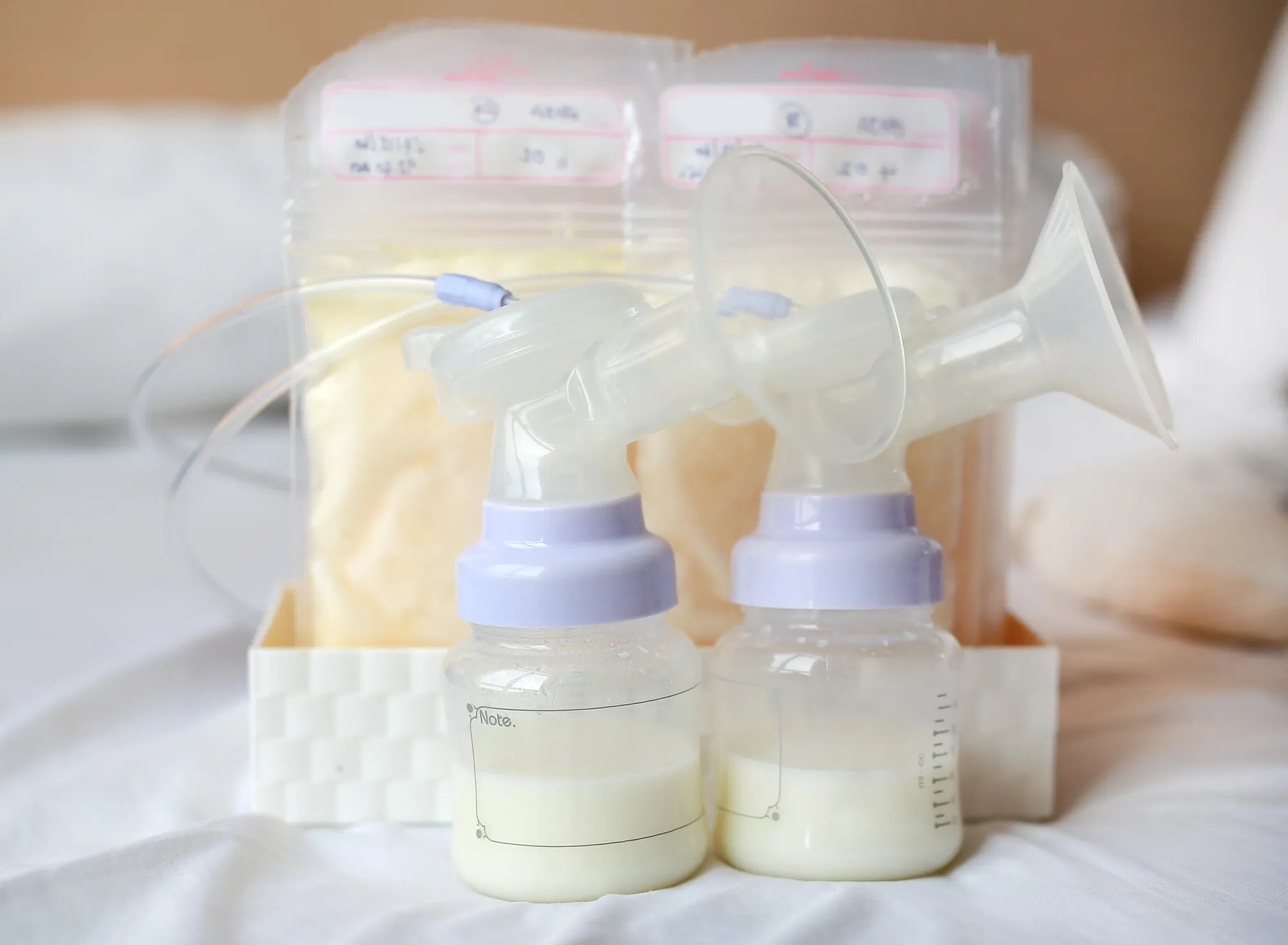
If you're a pumping mom, you've likely stared at several half-full bottles from throughout the day and wondered, can you combine pumped breast milk from the same day? The answer is a resounding yes—and mastering this practice can be a game-changer for simplifying your feeding routine and reducing milk waste. This guide provides a deep dive into the evidence-based guidelines, practical execution, and tangible benefits of safely pooling your daily milk yield. By understanding and applying the "same day" rule, you can create more convenient feeding portions, streamline storage, and ensure your baby gets every nutritious drop. As a trusted maternal and baby care brand, MomMed is dedicated to empowering mothers with reliable knowledge and innovative products, like our S21 Wearable Breast Pump, to support every step of your breastfeeding and pumping journey.
Understanding the "Same Day" Rule: The Foundation of Safe Milk Combining
The cornerstone of safely combining breast milk is adhering to the "same day" guideline endorsed by major health authorities like the Centers for Disease Control and Prevention (CDC) and the Academy of Breastfeeding Medicine. This rule specifies that you may combine milk expressed within a 24-hour period, provided all milk has been properly chilled to the same temperature before mixing.
This guideline exists primarily for food safety. Breast milk is not sterile; it contains beneficial bacteria and antibodies. However, it can also harbor environmental bacteria introduced during pumping. Cooling milk promptly to refrigerator temperatures (at or below 40°F or 4°C) slows bacterial growth significantly. Combining milk that is already chilled ensures you are not warming up an older, colder batch with fresh, warmer milk, which could inadvertently encourage bacterial proliferation in the combined container.
Critically, "same day" is defined by the calendar date of expression, not strictly by a precise 24-hour clock from your first pump. For instance, milk pumped at 7 AM and milk pumped at 9 PM on the same calendar day can be combined. The key is that the freshly pumped milk must be cooled in the refrigerator for at least 1-2 hours on its own before being added to the previously chilled batch. This practice aligns with the recommendations of countless lactation consultants who emphasize that proper handling is paramount to preserving milk's safety and integrity.
Following this protocol minimizes risks and maximizes convenience. It allows you to pool smaller volumes from multiple pumping sessions—common with a wearable pump like the MomMed S21 used discreetly throughout the day—into a full bottle ready for a feeding or for freezing. This method is universally accepted as safe and is a standard practice for mothers building a freezer stash or managing milk for a childcare provider.
The Step-by-Step Protocol for Combining Milk Safely
Executing the combination process correctly is simple but requires attention to detail. Here is a foolproof, step-by-step guide to ensure safety and maintain milk quality.
1. Preparation and Hygiene
Always start with clean hands washed with soap and water. Ensure all containers and pump parts that will contact the milk are thoroughly washed and sanitized. MomMed breast pumps are designed with this in mind, featuring detachable, BPA-free parts that are easy to clean. Use only food-grade storage containers or bags intended for breast milk.
2. Cool Fresh Milk First
After pumping, immediately place the freshly expressed milk in a clean, sealed container and refrigerate it. Do not add warm milk directly to an already cold batch. Allow the new milk to chill in the refrigerator for a minimum of one hour, or until it is the same cold temperature as the milk you plan to combine it with. This step is non-negotiable for safety.
3. The Combining Process
Once the new milk is chilled, you can gently pour it into the container holding the older milk from the same day. Use a container large enough to hold the total volume. To mix the fat layers that naturally separate, gently swirl the container. Avoid vigorous shaking, as some studies suggest it may damage certain bioactive components in the milk, though the evidence on this is mixed. Gentle swirling is sufficient to reincorporate the fat.
4. Proper Labeling
This is a critical step for tracking freshness. Label the combined batch with the date and time of the oldest milk in the mixture. For example, if you combine milk pumped at 6 AM, 12 PM, and 5 PM, the label should read with the 6 AM date. This determines the countdown for safe storage. You may also note the total volume for feeding convenience.
Why Combining Same-Day Milk is a Practical Game-Changer
Adopting the practice of combining same-day pumped milk offers multifaceted benefits that address common pain points for exclusively pumping (EP) moms and those who pump part-time.
Creates Optimal Feeding Portions: It's inefficient and wasteful to store multiple 2-ounce portions. Combining milk allows you to create full bottles that match your baby's typical feeding volume (e.g., 4-6 ounces), making mealtimes smoother for caregivers and reducing the need to thaw multiple small bags.
Reduces Storage Container Clutter: Instead of managing a refrigerator shelf crowded with numerous small bottles or bags, you consolidate your yield into fewer, larger containers. This simplifies organization and maximizes fridge and freezer space—a boon for moms building a significant stash.
Minimizes Milk Waste: Small volumes of milk left in bottles are often discarded due to uncertainty or space issues. Pooling milk ensures every milliliter is saved and used. This is especially psychologically and practically beneficial for moms concerned about their milk supply.
Helps Equalize Fat Content: The fat content (hindmilk) in breast milk can vary between pumping sessions and even between breasts. Combining milk from different times of the day can create a more uniform fat distribution in the final bottle, ensuring your baby receives a consistent blend of foremilk and hindmilk nutrients.
Streamlines the Freezing Process: It is more practical and space-efficient to freeze milk in larger, feed-ready volumes (e.g., 4-6 oz bags) than in numerous 1-2 oz portions. Combining your daily output facilitates this efficient freezing strategy.
Addressing Common Concerns and Misconceptions
Even with clear guidelines, mothers often have specific worries. Let's demystify the most frequent concerns.
The Fat Separation Dilemma
It is completely normal for breast milk to separate into a fatty later (cream) on top and a more aqueous layer on bottom after refrigeration. This is not a sign of spoilage. When you combine chilled milks and gently swirl the container, you are simply re-integrating this natural fat. The fat content is not harmed by this process.
Temperature Differential: The Core Safety Principle
The primary rule is never to add warm milk to cold milk. The warm milk could raise the temperature of the entire batch into the "danger zone" (between 40°F and 140°F), where bacteria multiply rapidly. Always chill the new milk separately first. Adding cold milk to cold milk is perfectly safe, as it maintains a consistently safe temperature.
Determining Freshness and Shelf Life
The shelf-life clock for a combined batch is always set by the oldest milk in the mix. If you combine Monday's 9 AM milk with Monday's 5 PM milk, the entire batch should be used or frozen based on the 9 AM pump time. Adhering to standard storage guidelines is then essential.
| Storage Method | Temperature | Recommended Duration for Combined Milk | Key Consideration |
|---|---|---|---|
| Refrigerator | 40°F (4°C) or below | Up to 4 days (96 hours) | Ideal to use within 3 days. Store in back, not door. |
| Freezer (standard kitchen) | 0°F (-18°C) or below | Up to 6 months (optimal) | Label clearly with oldest date and volume. |
| Deep Freezer | -4°F (-20°C) or below | Up to 12 months | Best for long-term stash preservation. |
Visual and Olfactory Variations
Breast milk can vary in color (bluish, yellow, even tinged green or pink based on diet) and consistency from session to session. Combining these variations is safe. Trust your senses: spoiled milk will have a distinctly sour, unpleasant odor, unlike the mild, soapy, or metallic smell that sometimes occurs due to lipase enzyme activity—which is also safe for consumption.
How MomMed Products Support Your Combining Routine
Integrating this safe practice is seamless with the right tools. MomMed designs products with the practicalities of the pumping mother's life in mind, making collection, storage, and combination effortless.
The MomMed S21 Double Wearable Breast Pump is a cornerstone for this routine. Its discreet, cordless design allows for comfortable pumping during daily activities, enabling you to easily collect multiple smaller volumes throughout your day—perfect for the "same day" combining method. Its ultra-quiet operation and comfortable, silicone flanges make frequent pumping sessions more manageable.
Every MomMed pump, including the S12 Single Wearable and Swing Electric models, features BPA-free, food-grade silicone in all parts that contact milk. This ensures the highest safety standard for your baby and peace of mind for you. The collection bottles are designed to be directly stored in the refrigerator and are compatible with most major bottle systems, simplifying the transfer and combination process.
Furthermore, MomMed offers a complete ecosystem. From the pump itself to storage bags, bottle adapters, and cleaning accessories, every product is designed to work together. This eliminates guesswork and ensures you have reliable, compatible containers for cooling and combining your milk safely, supporting you in implementing evidence-based practices like milk pooling with confidence.
Advanced Considerations and Special Scenarios
While the "same day" rule is the gold standard, some situations require additional nuance.
Combining Milk for a Preterm or Hospitalized Infant
If your baby is in the NICU or has specific medical vulnerabilities, always follow the hospital's strict protocols, which may be more conservative. They may advise against combining milk from different sessions altogether to minimize any infection risk. Always defer to the medical team's guidance in these cases.
The "72-Hour Rule" and Combining
Some resources mention a more flexible guideline where milk pumped on different days can be combined if both are refrigerated and the older milk is still within its 3-4 day safe window. For example, combining Sunday's milk (on its second day in the fridge) with Monday's freshly chilled milk. While this is practiced by some, it carries a marginally higher theoretical risk because the older milk has supported bacterial growth for longer. The combined batch's expiration would still be based on the Sunday pump date. For maximum safety and simplicity, the "same day" rule is the most universally recommended.
High Lipase Milk
If you have high lipase milk (which develops a soapy smell/taste after refrigeration but is not spoiled), combining batches will not alter this property. The entire combined container may develop the flavor. If your baby refuses it, scalding the milk before storage can deactivate the enzyme. In this case, you would combine the scalded, then chilled, milks.
Frequently Asked Questions on Combining Breast Milk
Can I combine breast milk from different days?
The safest and most widely recommended practice is to combine milk pumped on the same calendar day only. While some sources cite a "72-hour rule" for combining refrigerated milk from consecutive days, it introduces more variables. Sticking to the "same day" guideline minimizes any risk of bacterial overgrowth and simplifies freshness tracking.
Can I combine milk pumped from my left and right breasts?
Yes, absolutely. Milk from both breasts is nutritionally complete for your baby. Combining milk from both breasts in a single container is standard practice and can help balance any slight variations in fat content between sides.
What if the combined milk has different layers or colors?
This is completely normal. Fat separation creates layers, and natural variations in diet can cause color differences (yellow, blue, white). Gently swirling the combined bottle will mix it uniformly. Only be concerned if the milk has a consistently foul smell or visible curdling, which indicates spoilage.
How long does combined breast milk last once mixed?
The storage life is determined by the pump time of the oldest milk in the batch. Follow standard guidelines: use refrigerated combined milk within 4 days (ideally 3), or freeze it immediately for longer storage (up to 6 months in a standard freezer, 12 months in a deep freeze).
Can I add freshly pumped milk to a bottle my baby didn't finish?
No. The CDC advises against this. Once a bottle has been used for a feeding, bacteria from the baby's mouth have been introduced. Any leftover milk should be used within 2 hours or discarded. Do not combine this partially consumed milk with fresh or refrigerated milk.
Is it safe to combine milk before freezing it?
Yes, and it is often recommended. You can combine chilled milk from the same day and then pour the pooled volume into a freezer storage bag. Remember to leave room for expansion (about an inch at the top) and label it with the date of the oldest milk and the total volume.
Empowering Your Pumping Journey with Knowledge and the Right Tools
Mastering the practice of combining pumped breast milk from the same day is more than a storage hack; it's a strategy that grants you efficiency, reduces anxiety over waste, and helps you provide for your baby in a manageable way. By adhering to the clear, evidence-based "same day" rule and following proper chilling and handling techniques, you can confidently pool your liquid gold. This approach dovetails perfectly with the freedom offered by modern wearable pumps, allowing you to integrate pumping seamlessly into your life. With reliable information and supportive, innovative products designed for real motherhood, you can navigate the complexities of feeding with greater confidence and calm. Your journey is unique, and having trusted resources and tools makes all the difference in nurturing both your baby and your own well-being.
Shop the MomMed collection at mommed.com for all your breastfeeding and pregnancy needs, and discover how our award-winning S21 Wearable Pump and safe storage solutions can simplify your routine, letting you focus on what matters most.