


Home
Pregnancy, Breastfeeding, and Pumping: The Ultimate Guide for Moms
Can I Pump Into Refrigerated Breast Milk? The Complete Safety & Storage Guide
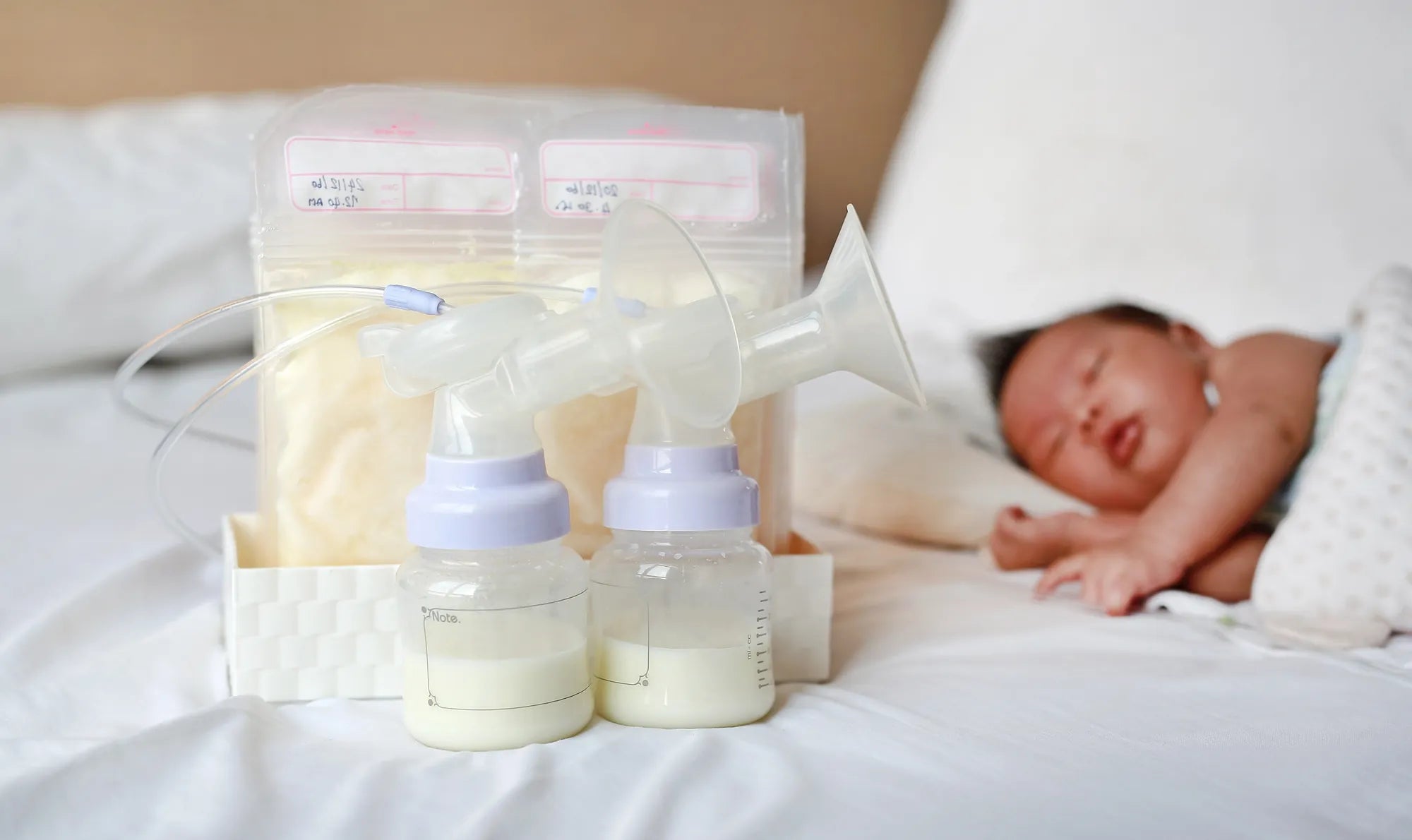
Can I Pump Into Refrigerated Breast Milk? The Complete Safety & Storage Guide
You've just finished a pumping session, bottle in hand, and you see yesterday's refrigerated milk sitting there. The question hits: can I just add this fresh milk to what's already chilled? It's a practical dilemma faced by pumping parents daily, balancing convenience with absolute safety for their baby. Getting this wrong risks bacterial growth and nutrient loss; getting it right means less waste and more peace of mind.
This definitive guide provides everything you need to know about combining breast milk, from the foundational science to daily best practices. We'll integrate evidence-based guidelines from the Centers for Disease Control and Prevention (CDC) and the Academy of Breastfeeding Medicine with practical, step-by-step instructions. As a trusted maternal and baby care brand, MomMed specializes in supporting this journey with innovative products like our award-winning S21 Wearable Breast Pump and clear, reliable guidance on feeding and storage.
By the end of this article, you'll master the safe technique for mixing milk batches, understand the critical 'why' behind the rules, and learn how to integrate this practice seamlessly into your routine, ensuring every precious ounce is preserved safely for your little one.
The Short Answer: Yes, But With One Crucial Rule
The direct answer to "Can I pump into refrigerated breast milk?" is yes, you can combine them. However, this comes with a single, non-negotiable condition established by food safety and lactation science. You must chill the freshly expressed milk first before adding it to an already refrigerated batch.
You cannot and should not pump warm, body-temperature milk directly into a cold bottle or bag stored in the fridge. This rule is the cornerstone of safe breast milk handling and is uniformly recommended by major health authorities. Its purpose is to maintain the safety and biological integrity of the entire milk supply.
Ignoring this rule by adding warm milk to cold creates a temperature mismatch that can compromise the entire batch. The procedure, when done correctly, allows you to consolidate milk from multiple pumping sessions within a 24-hour period, simplifying storage and reducing container use. It's a method designed for real-life pumping schedules.
Mastering this technique is especially useful for parents using wearable pumps, like the MomMed S21, who may pump on the go. Understanding the proper sequence ensures that the convenience of hands-free pumping doesn't come at the cost of milk safety.
Why the "Chill First" Rule is Non-Negotiable for Safety
The "chill first" mandate is not arbitrary; it's grounded in microbiology and nutrition science. Violating it introduces two primary risks: bacterial proliferation and nutrient degradation. Both directly impact your baby's health and the quality of their food.
First, temperature control is critical for preventing bacterial growth. Breast milk is expressed at about 98.6°F (37°C). Refrigerated milk should be at or below 40°F (4°C). Adding warm milk to cold significantly raises the temperature of the entire combined volume, pushing it into the "danger zone" between 40°F and 140°F where bacteria can double in number in as little as 20 minutes.
This warming effect can be substantial. Adding just 2 ounces of warm milk to 4 ounces of cold milk can raise the mixture's temperature enough to keep it in the danger zone for over an hour, providing a window for potential pathogens to multiply. Chilling the new milk first eliminates this thermal shock, keeping the stored batch safely cold.
Second, breast milk contains live components like antibodies, enzymes (e.g., lipase), and probiotics. Repeatedly warming and cooling these sensitive elements can diminish their potency and activity. The "chill first" method minimizes thermal cycling, helping to preserve these vital, bioactive compounds that support your baby's immune system and digestion.
Your Step-by-Step Guide to Combining Milk Safely
Follow this precise sequence to ensure you combine breast milk batches safely every time. This process adheres to the highest safety standards and preserves milk quality.
Step 1: Pump and Immediately Cool the Fresh Milk
After expressing milk—whether with a traditional electric pump, a wearable model like the MomMed S12 Single Pump, or via hand expression—your first action is cooling. Pour the milk from the pump's collection cups into a clean, dedicated storage bottle or breast milk bag. Seal it tightly.
Place this sealed container immediately in the refrigerator. For optimal cooling, position it at the back of the fridge, away from the door, where temperatures are most consistent and coldest. If you are pumping away from home, use an insulated cooler bag with frozen ice packs. The goal is to reduce the milk's temperature to 40°F (4°C) as quickly as possible.
Allow the fresh milk to chill for at least 30 to 60 minutes. You can gently feel the container; it should feel uniformly cold to the touch. This step is non-negotiable and forms the foundation of safe combination.
Step 2: Prepare and Label the Primary Storage Container
While your fresh milk is chilling, prepare the main container that holds the previously refrigerated milk. Ensure you are using a clean container made of food-grade, BPA-free material, like the bottles and storage bags designed for breast milk.
Critical labeling rule: The combined batch must be labeled with the date and time of the oldest milk in the container. This practice follows the "First-In, First-Out" principle. If you are adding milk pumped today to milk pumped yesterday, the label must show yesterday's date. This ensures you use the milk within the safe storage timeline based on the oldest portion.
Also, note the total volume. It's best practice to store milk in smaller amounts (e.g., 2 to 4 ounces) to avoid wasting milk your baby doesn't finish in one feeding.
Step 3: Combine Gently and Store Properly
Once the newly pumped milk is thoroughly chilled, you can combine them. Take both the chilled new milk and the older refrigerated milk from the fridge. Open the primary container and gently pour the new milk into it. If using bags, you may need to pour from one bag to another or use a clean funnel.
To mix, swirl the container gently. Avoid vigorous shaking, as some studies suggest aggressive shaking may potentially break down some protein structures. Gentle swirling is sufficient to blend the fats that may have separated.
Seal the combined batch tightly and return it immediately to the back of the refrigerator. Do not leave the combined milk sitting out on the counter. Your safe storage clock is now based on the date on the label—the date of the oldest milk.
Common Scenarios & Best Practices Decoded
Real-life pumping involves various situations. Here’s how to apply the rules to specific, common scenarios.
Can I Combine Milk from Different Pumping Sessions in One Day?
Yes, this is the most common and recommended application of the combining technique. For instance, you might pump at 9 AM, 1 PM, and 5 PM and wish to consolidate them into one daily bottle or bag for freezer storage.
The process remains the same: chill each new batch completely before adding it to the container. You can have a dedicated "day's collection" container in the fridge. Pump, chill that milk for 30-60 minutes, then add it to the collection container. The label should show the date and the time of your first morning pump session.
This method is efficient and reduces storage clutter. It works perfectly with the routine of a parent using a wearable pump for multiple short sessions throughout the day.
What About Mixing Milk from Different Days?
Combining milk expressed on different calendar days is generally discouraged for optimal safety, but if necessary, strict rules apply. The safest guideline is to only combine milk expressed within a 24-hour period (e.g., milk from Monday evening with milk from Tuesday morning).
If you must combine across a longer span, the absolute rule is to label the entire batch with the date of the very first milk expressed. For example, if you add Thursday's milk to a batch that started on Tuesday, the entire container's use-by date is calculated from Tuesday.
This practice requires extra diligence, as it shortens the usable fridge life for the newer milk. Most lactation consultants recommend storing daily batches separately to maximize flexibility and safety.
How Does Using a Wearable Pump Affect This Process?
Wearable pumps like the MomMed S21 Double Wearable Pump offer unparalleled convenience for on-the-go pumping. The process for combining milk remains identical, but the workflow integrates seamlessly.
After a pumping session, the BPA-free, food-grade silicone collection cups can be sealed with a lid and placed directly into the refrigerator or a cooler bag to chill. There's no need to transfer the milk immediately if you're using the cups as temporary storage during the chilling period, simplifying the process.
The key advantage is that the quiet, efficient suction of a quality wearable pump can help ensure complete milk expression, which supports healthy supply. Just remember: whether the milk is in a traditional bottle or the wearable pump's cup, it must be chilled before combining with other refrigerated milk.
What to Avoid: Critical Breast Milk Storage Mistakes
Knowing what not to do is as important as knowing the correct procedure. Avoid these common errors to protect your milk supply.
Never add warm milk to cold. This is the cardinal sin of milk storage, as explained. It jeopardizes the entire batch's safety. Always chill first.
Do not combine milk that is nearing the end of its storage life with fresh milk. For example, don't add today's milk to a small amount that has been in the fridge for 3 days. This forces you to use the large, fresh batch on the accelerated timeline of the older milk, leading to potential waste.
Avoid leaving the milk container out during the combining process. Work quickly. Take both cold containers out of the fridge, combine them immediately, and return the unified batch to the fridge within minutes. Prolonged time at room temperature starts the bacterial clock.
Do not refreeze previously frozen milk that has been thawed in the fridge. Once frozen milk is fully thawed in the refrigerator, it should be used within 24 hours and cannot be refrozen. Never combine this thawed milk with a fresh batch intended for freezing.
Never use containers that aren't designed for food storage or that are not properly cleaned. Always wash containers in hot, soapy water or a dishwasher before use.
Maximizing Freshness: MomMed Tips for Milk Storage
Beyond combining, these proactive strategies will help you maintain the highest quality milk stash, supporting your baby's nutrition and your own peace of mind.
Store in Small Portions: Freeze milk in small amounts, typically 2 to 4 ounces. This prevents wasting large volumes if your baby doesn't finish a bottle. You can always thaw two small bags for one feeding.
Use Proper Storage Vessels: Opt for dedicated breast milk storage bags or airtight, hard-sided containers made of glass or BPA-free plastic. Ensure they are sealed tightly to prevent contamination and odor absorption in the fridge or freezer.
Master Your Refrigerator's Layout: Store milk at the back of the main body of the refrigerator, not on the door shelf. The door is subject to significant temperature fluctuations each time it's opened, which can accelerate spoilage.
Ensure Complete Emptying: Using an effective pump is key. A pump with consistent, comfortable suction and proper flange fit—like the MomMed Swing Breast Pump with its adjustable settings and range of flange sizes—helps ensure you empty the breast well. Complete emptying supports milk production and means the milk you store is as nutrient-dense as possible.
Practice the "First-In, First-Out" Method: Always rotate your stash. Place newly pumped and chilled milk behind older milk in the fridge or freezer. Use the oldest dated milk first to ensure nothing expires.
Breast Milk Storage Guidelines: A Quick-Reference Table
| Location | Temperature | Safe Storage Duration for Fresh Milk | Key Considerations |
|---|---|---|---|
| Room Temperature | Up to 77°F (25°C) | Up to 4 hours | Ideal for immediate feeding. Cover container. |
| Insulated Cooler | With ice packs | Up to 24 hours | Essential for transport. Keep ice packs in contact with containers. |
| Refrigerator | 40°F (4°C) or below | Up to 4 days | Store at the back. Label clearly with date/time. |
| Freezer (within fridge) | Varies | Up to 2 weeks | Not recommended due to temperature fluctuation from door openings. |
| Standalone Freezer | 0°F (-18°C) or below | 6 to 12 months (best within 6) | Store toward the back, away from the door. Use airtight containers or bags. |
Note: For combined milk, the storage duration is always based on the date of the OLDEST milk in the batch.
Frequently Asked Questions (FAQs)
Q1: How long can combined breast milk last in the refrigerator?
A: According to CDC guidelines, freshly expressed milk can be stored in a clean refrigerator at 40°F or below for up to 4 days. When you combine batches, the safe storage period for the entire combined volume is determined by the date of the oldest milk in the mix. If you combine milk from Monday with milk from Tuesday, the full bottle must be used by the end of day Friday (4 days from Monday).
Q2: Can I pump directly into a storage bag that's already in the fridge?
A: No, you should never do this. This method involves adding warm milk directly to a cold container, violating the core "chill first" rule. Always pump into your pump's collection kit or a clean bottle, then chill that milk separately before transferring it to your long-term storage bag or container.
Q3: Is it safe to combine milk from two different breasts pumped at the same time?
A: Yes, absolutely. Milk expressed from both breasts during a single pumping session is the same temperature. You can combine them into one container immediately after pumping. You would then chill or freeze that full, combined batch as a single unit.
Q4: Does combining milk affect its nutritional value?
A: When done correctly using the "chill first" method, combining milk has a negligible impact on overall nutritional value. The primary risks of improper combining are bacterial growth and potential degradation of some heat-sensitive immune factors. Proper technique minimizes these risks, preserving the milk's fat, protein, carbohydrate, and vitamin content.
Q5: What if I accidentally added warm milk to refrigerated milk?
A: If this happens, you should treat the entire combined batch as if it has been left at room temperature. The CDC advises that milk left out for over 2 hours (or 1 hour in a warm room over 90°F) should be discarded. Given that adding warm milk can warm the whole batch significantly, the safest course of action is to discard that specific combined batch to eliminate any risk of bacterial contamination. Use it as a learning experience to reinforce the "chill first" rule.
Empowerment Through Knowledge and the Right Tools
Navigating the details of breast milk storage, especially when combining batches, is a powerful act of care. It transforms the logistical challenge of pumping into a confident, streamlined system. By adhering to the simple yet critical "chill first" rule, you safeguard your baby's health while making the most of every ounce of your liquid gold. This knowledge empowers you to build a robust milk stash without anxiety, whether you're pumping at home, at work, or on the move.
Your journey is supported by innovation designed for real life. A reliable, comfortable breast pump that fits your body and lifestyle—like the MomMed S21 with its true hands-free design and hospital-grade suction—is more than a tool; it's a partner in your feeding goals. Combined with safe storage practices, it provides the foundation for a sustainable and confident pumping routine.
You have the knowledge to store milk safely. Now, ensure you have the comfortable, efficient tools to express it. Shop the MomMed collection at mommed.com for award-winning wearable breast pumps, perfectly fitting flanges, secure storage bags, and all your breastfeeding and pregnancy needs. Trust your journey to a brand built by experts, trusted by thousands of moms, and dedicated to supporting you every step of the way.