


Startseite
Pregnancy, Breastfeeding, and Pumping: The Ultimate Guide for Moms
When to Start Pumping Breast Milk After Birth: A Comprehensive Guide for New Mothers
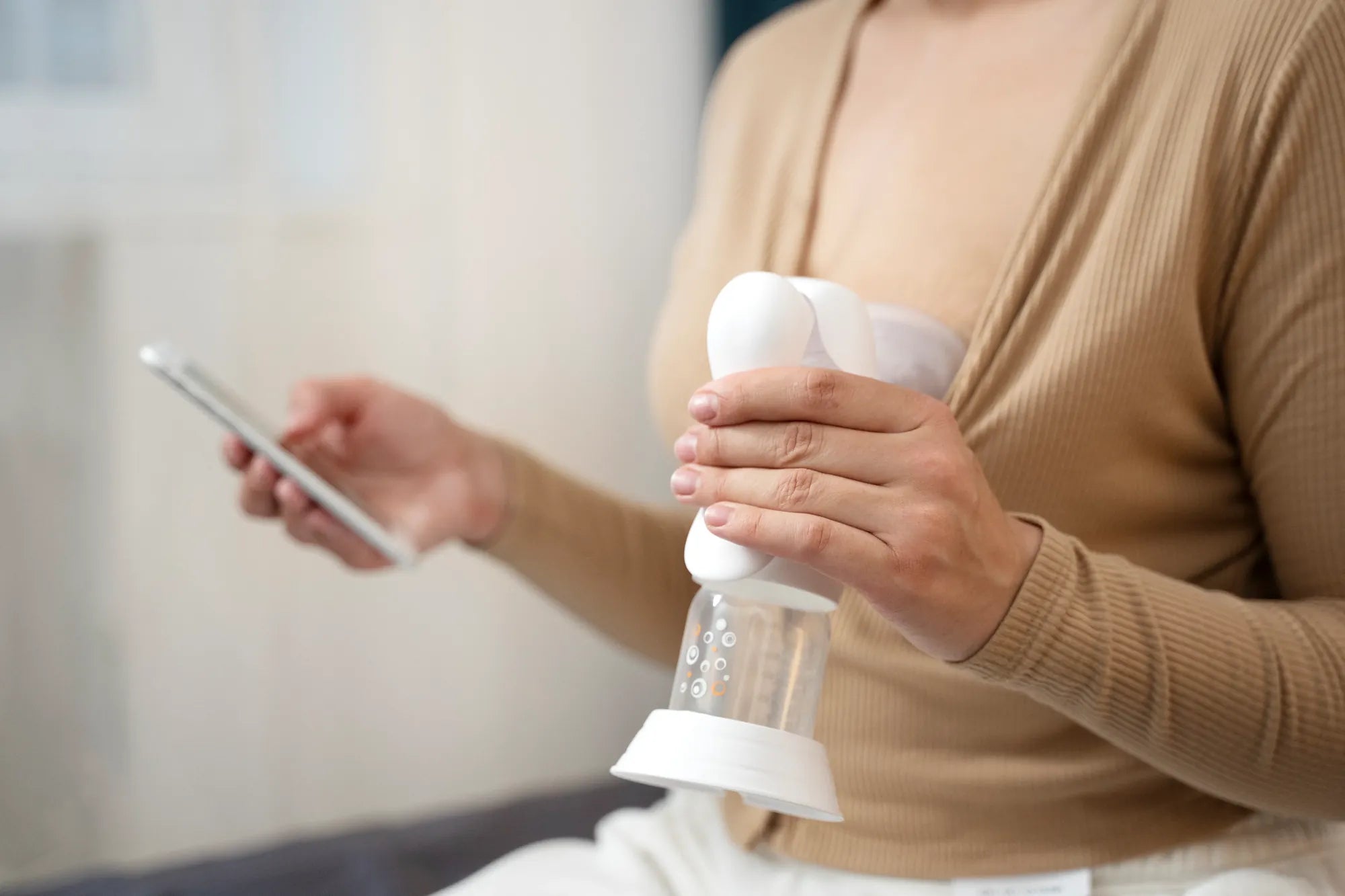
When to Start Pumping Breast Milk After Birth: A Comprehensive Guide for New Mothers
Determining the optimal time to start pumping breast milk is one of the most common and crucial questions for new mothers. The right timing can help establish a robust milk supply, create a freezer stash for future needs, and navigate challenges like a baby's inability to latch. This comprehensive guide cuts through the confusion with clear, evidence-based recommendations, tailored to your unique postpartum journey. You'll learn the physiological principles of lactogenesis, get scenario-specific timelines from lactation experts, and discover practical strategies and tools to make pumping a seamless part of your new routine.
Understanding Lactogenesis: The Science of Milk Production
To understand when to pump, you must first understand how your body makes milk. Lactogenesis occurs in distinct stages. Lactogenesis I begins during pregnancy, as your body produces colostrum, the thick, antibody-rich "first milk." After birth, the dramatic drop in progesterone triggers Lactogenesis II, often called "milk coming in," typically between days 2 and 5 postpartum.
This period is supply-and-demand driven. Frequent, effective milk removal—whether by a baby or a pump—signals your body to produce more. Initiating this process correctly is foundational. The first 72 hours are particularly critical for setting your long-term milk production capacity.
Missing early, frequent removal signals can make it harder to build a full supply later. This is why pumping timing isn't arbitrary; it's about working in harmony with your body's biological programming to establish and maintain an optimal milk supply for your baby's needs.
The Golden Hour and Early Days: Prioritizing the First Latch
Immediately after birth, the priority is the "Golden Hour"—uninterrupted skin-to-skin contact and encouraging the baby's first breastfeed. This contact stimulates the release of oxytocin in both mother and baby, promoting bonding and triggering the initial milk ejection reflex.
For mothers planning to directly breastfeed a healthy, term baby who latches well, the focus for the first week should be on mastering feeding at the breast. During this time, your body is calibrating milk production based on your baby's unique nursing patterns. Introducing a pump too early can sometimes lead to an oversupply or cause nipple confusion if bottle introduction isn't paced.
Colostrum is produced in small, concentrated amounts perfectly suited to a newborn's tiny stomach. Hand expression is often more effective than pumping for collecting this precious liquid gold in the first few days. The goal is to establish a strong breastfeeding rhythm before adding the complexity of pumping sessions.
However, "direct breastfeeding first" is a guideline, not a rigid rule. For many mothers, early pumping is not just beneficial but necessary. The key is making an informed decision based on your and your baby's specific circumstances.
When to Start Pumping: Detailed Scenarios and Timelines
For Mothers Exclusively Breastfeeding (Baby is Latching Well)
If your baby is latching effectively, gaining weight, and you have no immediate separation plans, you can delay introducing a pump. The recommended window is typically 3 to 4 weeks postpartum. By this time, your milk supply is well-regulated, and breastfeeding is established.
Starting at this point allows you to begin building a modest freezer stash without significantly disrupting your natural supply-and-demand cycle. A good strategy is to add a single pumping session per day, often right after the first morning feed when milk volume is naturally highest.
This approach helps create a reserve for occasional bottle feeds, allowing other caregivers to participate, or for your eventual return to work. It’s a proactive step that provides flexibility without the pressure of needing to pump immediately after birth.
For Mothers Needing to Build or Increase Milk Supply
If you're concerned about low milk supply, your baby isn't gaining adequate weight, or you have a history of hormonal issues like PCOS, earlier intervention is key. In these cases, start pumping around 1 to 2 weeks postpartum, or as soon as the concern is identified.
The protocol often involves "power pumping"—simulating cluster feeding by pumping for 20 minutes, resting for 10, pumping for 10, resting for 10, and pumping for a final 10 minutes. This is typically done once a day. Additionally, pumping for 10-15 minutes after most breastfeeding sessions can provide the extra stimulation needed to boost production.
Consultation with an International Board Certified Lactation Consultant (IBCLC) is highly recommended to create a personalized plan, ensure proper latch and pump technique, and rule out other issues. Early, targeted pumping can often resolve supply concerns effectively.
For Mothers with Babies in the NICU or Who Can't Latch
This scenario requires the most immediate and structured pumping protocol. To establish a milk supply for a baby who cannot directly feed, you should begin expressing milk within the first 6 hours after birth.
The goal is to mimic a newborn's feeding pattern to send strong production signals. This means pumping 8 to 12 times per 24 hours, including at least once at night when prolactin levels are high. In the first few days, hand expression combined with a hospital-grade pump often yields more colostrum than pumping alone.
Consistency is non-negotiable. Use a journal or app to track pumping times and output. This schedule is demanding but critical for initiating and building a full supply that will sustain your baby, especially a preterm infant for whom breast milk is medicine.
For Mothers Planning to Exclusively Pump
If you choose to exclusively pump from the start, begin as you would for a NICU mother: as soon as possible after delivery, ideally within 6 hours. Your body needs the same frequent stimulation it would get from a newborn.
Commit to the same 8-12 sessions per day schedule. Investing in a high-quality, comfortable double electric pump is essential for efficiency. Since you'll be pumping long-term, consider the convenience of a wearable pump for some sessions to maintain mobility and reduce the feeling of being tethered.
Exclusive pumping is a full-time commitment equal to breastfeeding. Establishing a strict schedule early on is the single biggest predictor of long-term success and maintaining an adequate milk supply for your baby's exclusive diet.
Choosing Your Breast Pump: A Comparison for New Mothers
Selecting the right pump is as important as timing your first session. The market offers various types, each suited to different stages and lifestyles. The table below compares the primary options to help you make an informed choice.
| Pump Type | Best For | Key Advantages | Considerations |
|---|---|---|---|
| Hospital-Grade Pump (Rental) | Initiating supply, NICU moms, low supply issues, exclusive pumping from day 1. | Maximum suction strength and efficiency; designed for multi-user use with personal accessory kits; highly effective at establishing supply. | Not portable; typically rented for short-term use (first few weeks); cost of rental plus kit purchase. |
| Standard Double Electric Pump | Primary pump for working moms, daily use, exclusive pumping. | Strong, efficient, and faster than single pumps; often covered by insurance; good for maintaining established supply. | Can be bulky; requires a power source or battery pack; mother is often tethered to the pump. |
| Wearable Breast Pump (e.g., MomMed S21) | Moms on-the-go, building a stash, supplementing direct feeds, maintaining discretion and mobility. | Ultra-portable and hands-free; fits inside a bra; quiet operation; allows for normal activity while pumping. | Battery life limits session length; may have slightly lower suction than top-tier standard electrics; requires proper fit for efficacy. |
| Manual Pump | Occasional use, relief from engorgement, travel backup, expressing colostrum. | Inexpensive; completely portable and silent; no power needed; offers precise control. | Can be tiring for hands; not efficient for full sessions or exclusive pumping; slower. |
The Wearable Pump Advantage: Integrating Pumping into Modern Motherhood
Wearable pumps represent a significant innovation, transforming the pumping experience from a stationary chore into an integrated part of daily life. Models like the MomMed S21 Double Wearable Breast Pump are designed with the modern mother's needs in mind.
Their primary benefit is autonomy. Being hands-free and cordless means you can care for an older child, prepare a meal, work on a laptop, or simply relax without being confined to one spot. This can significantly reduce the stress and time pressure associated with pumping.
For mothers starting to pump to build a stash while still breastfeeding, a wearable pump is ideal for that post-morning-feed session. The quiet, discreet operation also makes it easier to pump in various environments, supporting mothers who need to pump shortly after birth but also need to maintain their mobility and responsibilities.
It's crucial to ensure any wearable pump, including MomMed's, uses BPA-free, food-grade silicone in all parts that contact milk. This guarantees the highest safety standard for your baby. While powerful, achieving the correct fit with the right flange size is essential to ensure effective milk removal and comfort.
Essential Pumping Techniques and Tips for Success
Starting to pump is one thing; doing it effectively is another. First, ensure proper flange fit. The flange tunnel should surround your nipple without pulling in excess areola, and your nipple should move freely without rubbing. Most pumps come with standard 24mm or 27mm flanges, but many women need smaller or larger sizes.
Maximize output by employing hands-on techniques. Gently massage your breasts before and during pumping. Use breast compression while pumping to help drain ducts more thoroughly. Applying a warm compress for a few minutes prior can also help with let-down.
Optimize your session settings. Start with a fast, light suction in stimulation mode to trigger your let-down reflex. Once milk begins to flow, switch to a slower, deeper suction in expression mode. Pump for 15-20 minutes per session, or for 2-5 minutes after the last drops of milk.
Store milk safely immediately after pumping. Use clean, sealed containers labeled with the date. Freshly expressed milk can be kept at room temperature for up to 4 hours, in the refrigerator for up to 4 days, or in a freezer for 6-12 months. Your hydration and nutrition directly impact output, so prioritize drinking water and eating enough calories.
Frequently Asked Questions (FAQs)
1. Will pumping reduce the milk available for my baby during a feed?
Not if timed correctly. Pumping after a breastfeeding session signals your body to produce more milk for the next feed, increasing overall supply. Pumping between feeds can also be effective. Avoid pumping right before a scheduled feed to ensure your baby gets the immediate volume they need.
2. How much milk should I expect when I first start pumping?
In the early days, drops of colostrum are normal and valuable. Once your milk transitions, output varies. When pumping after a feed, you might get 0.5-2 oz total. During a full session replacing a feed (for exclusive pumpers), expect 2-4 oz total, but this varies widely. Consistency over time is more important than single-session volume.
3. What if I get no output when I pump?
First, check your flange size and pump settings. Ensure you're using stimulation mode. Try looking at a photo or video of your baby, smelling an item of their clothing, or using relaxation techniques to trigger oxytocin. Hands-on massage is critical. If consistently getting no output despite a perceived good supply, consult an IBCLC to assess technique and pump function.
4. How do I combine pumping with direct feeding without getting overwhelmed?
Start with one pumping session per day at a consistent time, like after the first morning feed. Keep supplies set up in one convenient location. Use a wearable pump to multitask. Remember, you don't need to pump after every feed. Even 1-2 sessions a day can build a stash over time. The goal is sustainability, not perfection.
5. Are MomMed pump parts safe for storing and feeding my milk?
Yes. All MomMed breast pumps, including the S21 Wearable and Swing models, are constructed with BPA-free, food-grade silicone and materials that meet stringent safety standards. The collection cups and bottles are designed for direct storage and feeding, ensuring your milk remains safe and uncontaminated from pump to baby.
Navigating Challenges: Engorgement, Mastitis, and Low Supply
Pumping can be a vital tool for managing common breastfeeding challenges. For engorgement, gentle pumping or hand expression for just a few minutes can soften the breast enough for a baby to latch comfortably, providing relief without over-stimulating more production.
If you suspect mastitis (breast pain, redness, fever), it's crucial to continue removing milk frequently to clear the blockage. Pumping or breastfeeding on the affected side is recommended. Ensure complete drainage by pumping after feeds and massaging the tender area toward the nipple during expression.
For persistent low supply, a structured "power pumping" regimen combined with galactagogues (like oatmeal or fenugreek, after consulting a provider) and ensuring adequate calorie/fluid intake can help. The key is frequent, effective milk removal; a high-quality pump used consistently is your best mechanical tool to increase supply signals to your body.
Your Personalized Pumping Journey Starts Here
The question of when to start pumping breast milk after birth has a nuanced answer: it depends on your personal goals, your baby's health, and your life circumstances. Whether you begin within hours in a NICU room or at four weeks on your couch, the principles remain the same—consistent, effective milk removal is the engine of supply.
Listen to your body, monitor your baby's cues and output, and don't hesitate to seek support from lactation professionals. Equip yourself with knowledge and the right tools. A comfortable, efficient pump that fits your lifestyle isn't a luxury; it's a key component of your breastfeeding success, offering flexibility and empowerment.
You are capable of navigating this journey. Trust your instincts, utilize evidence-based practices, and remember that every drop of milk you provide, whether directly from the breast or from a bottle, is a testament to your dedication. Shop the MomMed collection at mommed.com for all your breastfeeding and pregnancy needs, from our award-winning S21 Wearable Pump to essential nursing accessories, designed to support you with reliability, comfort, and innovation at every stage of motherhood.