


Startseite
Pregnancy, Breastfeeding, and Pumping: The Ultimate Guide for Moms
When Should I Pump Breast Milk While Breastfeeding: A Comprehensive Guide
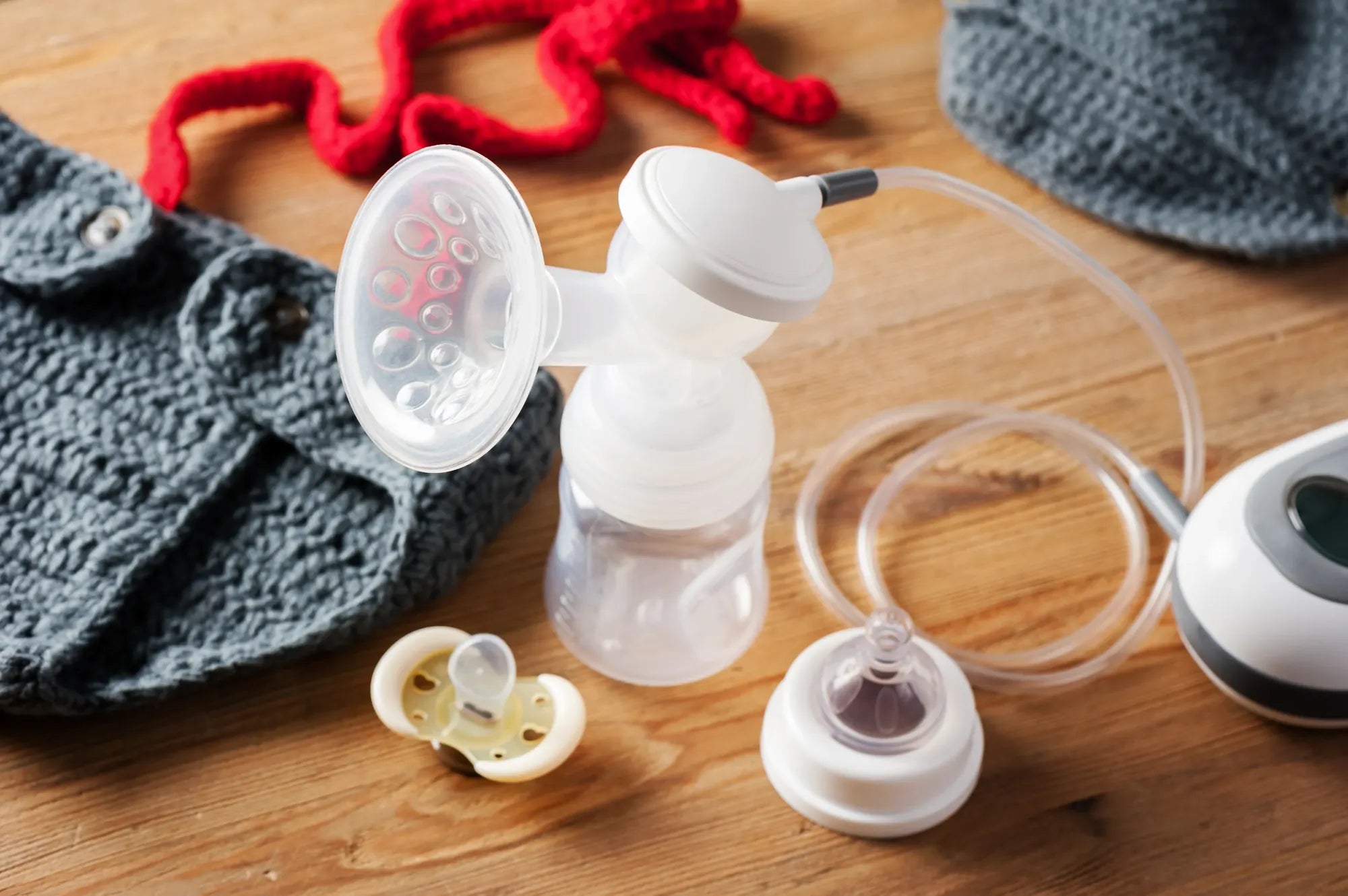
When Should I Pump Breast Milk While Breastfeeding: A Comprehensive Guide
Determining when should I pump breast milk while breastfeeding is one of the most common and crucial questions for nursing mothers. This comprehensive guide provides evidence-based strategies for integrating pumping into your routine, whether your goal is to boost supply, create a freezer stash, or prepare for returning to work. We'll explore the physiological principles behind milk production, offer detailed timing schedules for different scenarios, and introduce practical tools that can make the process more comfortable and efficient.
Introduction to Pumping While Breastfeeding
Pumping breast milk is a powerful tool that can enhance and extend your breastfeeding journey, not a sign of its failure. It offers flexibility and empowerment, allowing you to meet your baby's needs while navigating the demands of daily life. The key to success lies in strategic timing aligned with your specific goals.
Understanding the 'why' behind your pumping decision directly informs the 'when'. A haphazard approach can lead to frustration or unintended outcomes like oversupply. This guide will help you create a personalized, effective plan.
At MomMed, a trusted maternal and baby care brand, we specialize in creating reliable, comfortable, and innovative products like our wearable breast pumps and nursing accessories. We're committed to helping moms and moms-to-be find solutions that work for their unique situations, making the balancing act of feeding a little easier.
Understanding Your "Why": Key Reasons to Pump
Identifying your primary motivation for pumping is the first step to establishing an effective schedule. Your reason dictates the optimal frequency, duration, and timing of your sessions.
For Building and Maintaining Milk Supply
Pumping is a critical intervention for mothers facing low milk supply concerns or whose babies are not effectively draining the breast. The principle is simple: milk removal stimulates more production. Adding pumping sessions after or between direct feeds sends a powerful signal to your body to make more milk.
This is particularly vital in the early postpartum period or if you're exclusively pumping. Consistency is more important than volume at first; regular stimulation trains your body to maintain a robust supply.
For Creating a Stash: Going Back to Work or Planning Time Away
Building a freezer stash provides peace of mind for mothers returning to the workplace or planning time away from their babies. Pumping allows you to maintain your milk supply while apart and ensures your baby receives the benefits of breastmilk in your absence.
The goal here is gradual accumulation. Starting several weeks before your return date allows you to build a reserve without pressure. Pumping during the times you will be away from your baby once you return helps your body adapt to the new schedule.
For Relieving Engorgement and Comfort
Engorgement—when breasts become overly full, hard, and painful—is common in the early weeks or if a feeding is missed. Short, gentle pumping sessions (typically 5-10 minutes) can relieve this pressure and discomfort.
The key is to pump only until comfortable, not until empty, to avoid triggering an oversupply. This is a reactive, comfort-based reason to pump, unlike the proactive schedules used for building a stash.
For Partner Involvement and Shared Feeding
Pumping enables partners and other family members to participate in feeding, which can strengthen bonds and provide the nursing mother with longer, uninterrupted stretches of rest. This shared responsibility can be emotionally rewarding and practically essential for maternal well-being.
For this purpose, timing a pumping session to occur when another caregiver can give a bottle—such as during a nighttime feed—can be transformative for a tired mom's sleep schedule.
Timing is Everything: When to Pump Based on Your Goal
Your daily routine and physiological rhythms offer natural windows for effective pumping. Matching your schedule to your goal maximizes efficiency and output.
The Early Days: Establishing Supply (0-8 Weeks)
In the first two months, your body is learning how much milk to produce. If you need to increase supply, pump for 15-20 minutes after most or all breastfeeding sessions. This double stimulation is highly effective. Avoid replacing a direct feed with a pump session at this stage unless medically advised, as baby's latch is superior for establishing supply.
Many mothers find their milk volume is highest in the early morning (between 1 a.m. and 5 a.m.) due to elevated prolactin levels. Adding a pumping session during this time, even if baby is sleeping, can give supply a significant boost.
The Maintenance Phase: When Supply is Regulated
After 8-12 weeks, your supply becomes more hormonally driven and adjusts to demand. To maintain supply without building a large stash, you can pump one breast while baby feeds on the other. This is highly efficient and often yields a substantial amount from the pumped side.
Alternatively, pumping at a consistent time each day when you typically feel full—often first thing in the morning, an hour or so after the first feed—can help you collect extra milk predictably.
Pumping for a Freezer Stash
To build a stash, add one extra pumping session per day, separate from feeding times. The morning, about 30-60 minutes after the first feed, is usually most productive. The "little and often" approach—adding a consistent daily session—is more sustainable and less likely to cause painful oversupply than trying to pump large volumes infrequently.
Start this process 3-4 weeks before you need the milk, giving yourself ample time to accumulate ounces without stress.
The Working Mom’s Schedule
When returning to work, aim to pump as often as your baby typically feeds, usually every 2-3 hours. This mimics their natural pattern and protects your supply. A sample schedule might be: nurse at 7 a.m., pump at 10 a.m., 1 p.m., and 4 p.m., then nurse again upon reunion.
Pumping during your typical "lunch break" and during two shorter breaks is a common framework. Consistency is critical; try to pump at roughly the same times each workday to regulate your body's production schedule.
Optimal Daily Timing Windows and Physiological Cues
Your body's natural rhythms provide the best guide for effective pumping sessions. Leveraging these can increase output and efficiency.
The single best time of day to pump for most mothers is in the morning. Prolactin, the milk-making hormone, peaks in the early morning hours. Many moms find they can pump the largest volume, sometimes even a full feeding's worth, if they pump about an hour after their baby's first morning nursing session.
Pumping between regular feeds, typically 60-90 minutes after nursing or 60-90 minutes before the next expected feed, allows your breasts to refill somewhat without interfering with baby's next meal. Watch for cues of fullness—a feeling of heaviness or warmth in the breasts—as a natural signal it's a good time to pump.
It's generally advised to avoid pumping right before a baby is due to feed, as you may remove the readily available foremilk and have less for the baby. However, if you are excessively full and baby is not ready to eat, a short comfort pump is acceptable.
Practical Pumping Strategies and MomMed Solutions
Having the right strategy and equipment turns pumping from a chore into a manageable part of your day. Innovation in pump technology, particularly wearables, has revolutionized this experience.
Choosing the Right Moment in Your Routine
Integrate pumping into existing downtime. This could be during your baby's longest nap, while you have your morning coffee, or while preparing dinner. The less it feels like a separate, time-consuming task, the more sustainable it becomes.
Using a wearable pump like the MomMed S21 allows for unprecedented flexibility. You can pump while making lunch, helping an older child with homework, or even during a commute, making it far easier to stick to your intended schedule without being tethered to an outlet.
Maximizing Output and Comfort with the Right Pump
The efficiency of your pump directly impacts output and comfort. A pump with adjustable suction levels and cycle speeds allows you to mimic a baby's natural nursing pattern, starting with a fast, light stimulation mode to trigger let-down, followed by a slower, deeper expression mode.
MomMed pumps are designed with this physiology in mind. The award-winning S21 Double Wearable Pump features multiple suction modes and cycles, allowing you to find the perfect, comfortable setting for maximum milk removal. Its BPA-free, food-grade silicone components ensure safety for both mom and baby.
Hands-Free Pumping: A Game-Changer for Busy Moms
Hands-free, wearable pumps are arguably the most significant innovation in breastfeeding technology in recent years. They provide discretion and mobility, reducing the feeling of being "hooked up" to a machine.
The MomMed S21 offers hospital-grade performance in a quiet, cordless design. This means you can maintain your supply effectively without being confined to a chair, reducing stress and making it psychologically easier to commit to regular pumping sessions, which is half the battle in maintaining supply.
Comparison of Pumping Scenarios and Strategies
| Primary Goal | Recommended Timing | Frequency | Key Strategy | Ideal Pump Type |
|---|---|---|---|---|
| Increasing Low Supply | After nursing sessions (especially morning), or between feeds | After every feed, or 8+ times per day total (nursing + pumping) | Double emptying; consistent signal to produce more | Efficient double electric or wearable for convenience |
| Building a Freezer Stash | Morning, 30-60 min after first feed | One extra session per day, consistently | "Little and often"; leverage morning prolactin surge | Wearable pump to multitask (e.g., MomMed S21) |
| Maintaining Supply for Work | During baby's typical feeding times while apart | Every 2-3 hours during separation | Mimic baby's schedule; be consistent day-to-day | Reliable double electric; wearable for discretion at work |
| Comfort/Relieving Engorgement | As needed when painfully full | Infrequent, reactive | Pump just until comfortable, not empty | Manual pump or gentle electric setting |
| Partner Feeding & Mom's Rest | Evening, before a longer sleep stretch | Once per day, typically | Produce a bottle for someone else to give overnight | Any efficient pump; single pump may suffice |
Common Questions and Concerns About Pumping Timing
New questions and worries often arise when starting to pump. Here are evidence-based answers to the most frequent concerns.
Will Pumping Reduce Milk for My Baby’s Next Feed?
If you pump between feeds, your body will produce more milk to meet the combined demand of baby and pump. If you pump right before a feed, there may be less immediately available, but your baby's vigorous sucking will stimulate further let-downs. For consistent, scheduled pumping (like for work), your supply will adapt to the new total demand over a few days.
How Long and How Often Should I Pump?
Aim for 15-20 minutes per pumping session, or for about 2 minutes after the last drops of milk flow. Frequency depends on your goal: for full-time pumping, 8+ times per day; for maintaining supply while at work, pump as often as baby eats; for a small stash, once daily is sufficient. Always prioritize output over time—if milk stops flowing at 12 minutes, you can stop.
Can I Pump and Feed at the Same Time?
Yes, this is an excellent time-saving strategy. Use a wearable or hands-free pumping bra to pump on one side while your baby nurses on the other. This efficiently stimulates both breasts simultaneously, often yields more milk from the pumped side, and saves precious time. The MomMed S12 Single Wearable Pump is perfect for this specific scenario.
Is it Bad to Pump at Night?
Pumping at night, particularly in the early weeks, can be very beneficial for building supply due to high prolactin levels. Once your supply is established and baby sleeps longer stretches, you can usually drop the night pump unless you need the output for a stash. Listen to your body—if you wake up uncomfortably full, a short pump is better than risking clogged ducts or mastitis.
What If I Don't Get Much Milk When I Pump?
Low output is common and can be due to stress, improper flange fit, incorrect pump settings, or timing. Ensure your flange size is correct (most women need smaller than the standard 24mm). Use a pump with a stimulation mode, look at pictures/videos of your baby, relax, and massage your breasts before and during pumping. Output does not equal supply; a baby is always more efficient.
Conclusion: Empowering Your Breastfeeding Journey
The question of when should I pump breast milk while breastfeeding has no single answer, but a spectrum of strategies tailored to your life stage and goals. Whether you're establishing supply in the early days, building a stash for your return to work, or simply seeking a bit of flexibility, strategic timing aligned with your body's rhythms is the key to success. Remember, pumping is a tool to extend and support your breastfeeding relationship, not complicate it.
With innovative solutions like MomMed's quiet, comfortable, and efficient wearable pumps, integrating pumping into your routine has never been more manageable. Trusted by thousands of moms, our BPA-free, hospital-grade products are designed to support you every step of the way. You have the power to shape a feeding journey that works for both you and your baby.
Shop the MomMed collection at mommed.com for all your breastfeeding and pregnancy needs, and discover how the right tools can make all the difference.