


Startseite
Pregnancy, Breastfeeding, and Pumping: The Ultimate Guide for Moms
When Is the Best Time to Take a Pregnancy Test? A Complete Evidence-Based Guide
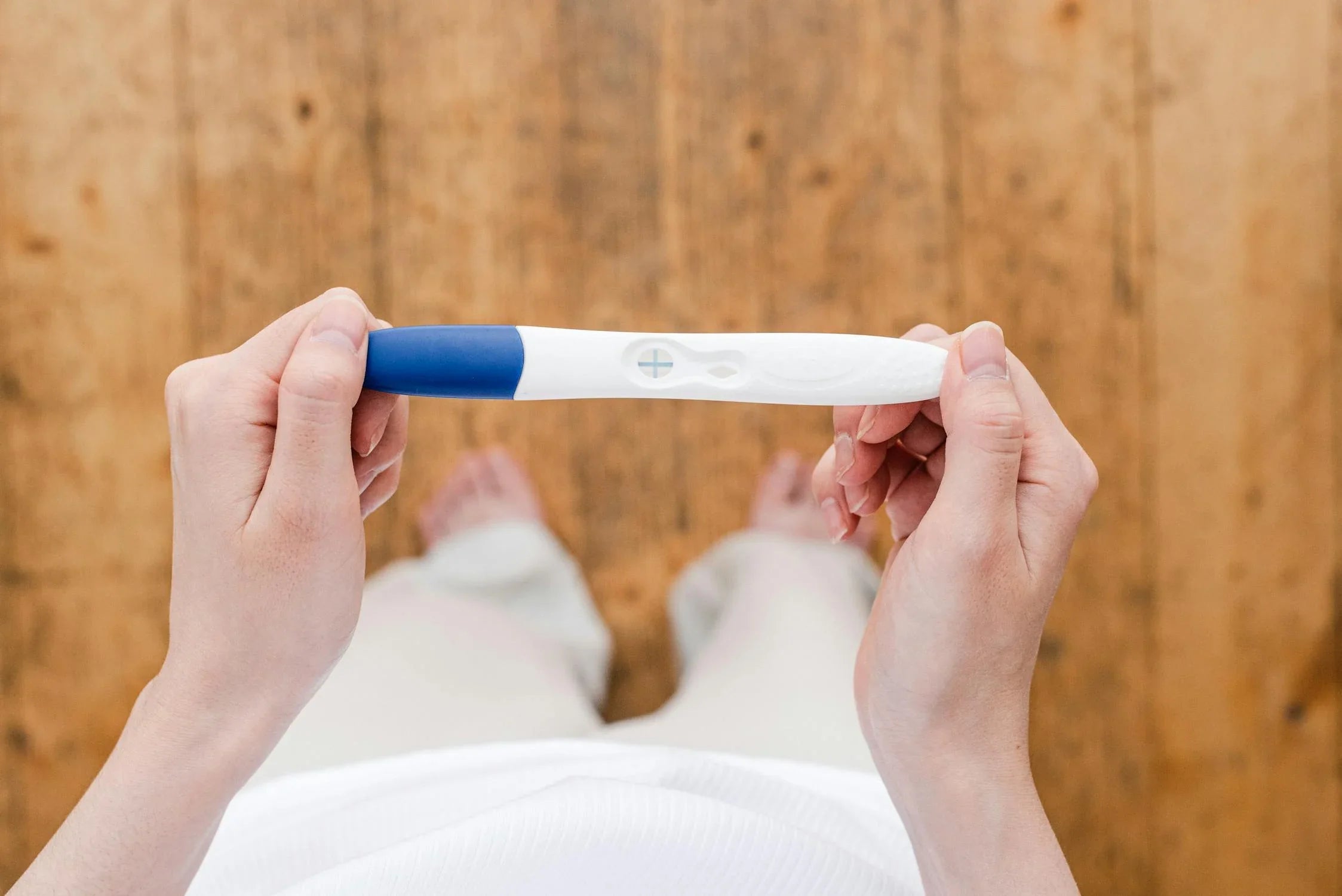
When Is the Best Time to Take a Pregnancy Test? A Complete Evidence-Based Guide
Understanding Your Body's Signals: The Importance of Precise Timing
The question "When is the best time to take a pregnancy test?" carries immense emotional and practical weight. Testing too early can lead to confusing false negatives, while waiting can feel like an eternity. Getting the timing right is not just about accuracy—it's about reducing anxiety and providing clarity at a critical juncture.
This guide delivers clear, evidence-based answers. We'll break down the biological science, analyze the key factors that influence test results, and provide a practical timeline you can follow. By understanding the "why" behind the timing, you can approach testing with confidence and knowledge.
Armed with this information, you can make an informed decision that aligns with your body's natural rhythms. The goal is to transform a moment of uncertainty into one of empowered understanding.
The Science Behind Pregnancy Tests: Detecting the hCG Hormone
All home pregnancy tests work by detecting one specific hormone: human chorionic gonadotropin (hCG). This hormone is produced by the cells that will eventually form the placenta, but only after a fertilized egg implants in the uterine lining.
hCG is often called the "pregnancy hormone" because its presence in detectable amounts is a strong indicator of pregnancy. In a non-pregnant person, hCG levels are virtually zero. After implantation, levels begin to rise rapidly, typically doubling approximately every 48 to 72 hours in early pregnancy.
Home tests use antibodies on a test strip that bind specifically to hCG in your urine. If hCG is present above a certain threshold, a chemical reaction occurs, producing a visible line or symbol. The sensitivity of a test is measured in milli-international units per milliliter (mIU/mL)—the lower the number, the more sensitive the test is to smaller amounts of hCG.
Understanding this hormonal timeline is fundamental. Since implantation occurs roughly 6 to 10 days after ovulation, and hCG production starts immediately after, testing before this process completes will not yield an accurate positive result, even if conception occurred.
Key Factors That Determine the "Best" Time to Test
Pinpointing the ideal moment to test isn't based on a single rule. It's the intersection of several personal and product-specific variables. By evaluating these factors, you can choose a testing window that maximizes reliability for your unique situation.
Your Menstrual Cycle and Ovulation Date
Your cycle length and ovulation date are the primary personal metrics. The most reliable time to test is after your missed period. For a typical 28-day cycle with ovulation around day 14, this means testing on or after day 29.
If you track ovulation using basal body temperature (BBT) or ovulation predictor kits (OPKs), you can base timing on "Days Past Ovulation" (DPO). This method is often more precise than using your calendar date alone, especially for those with irregular cycles.
For individuals with irregular periods, determining a "missed period" is challenging. In these cases, timing should be based on the date of unprotected intercourse or the onset of potential early symptoms, with the understanding that you may need to test multiple times.
The Sensitivity of the Pregnancy Test
Not all tests are created equal. Standard over-the-counter tests typically have a sensitivity of 20-25 mIU/mL. "Early detection" or "early result" tests are more sensitive, often detecting hCG at levels as low as 10 mIU/mL.
A more sensitive test can theoretically provide a positive result a few days earlier. For example, a 10 mIU/mL test might detect a pregnancy at 10-11 DPO, while a 25 mIU/mL test may not register until 13-14 DPO. It's crucial to check the package insert for the test's stated sensitivity.
MomMed pregnancy tests are designed with clarity and user experience in mind, providing easy-to-read results with high sensitivity to help reduce ambiguity during those critical early moments of testing.
Time of Day and Urine Concentration
hCG concentration in urine fluctuates. The highest concentration is usually in first-morning urine, after a night without drinking fluids. This makes it the ideal sample for testing, especially in the very early stages when hCG levels are still low.
If you test later in the day, ensure you haven't consumed large amounts of fluids for 3-4 hours beforehand to avoid diluting your urine. While many modern, sensitive tests are marketed for "anytime" use, following the first-morning urine guideline increases the likelihood of an accurate early result.
For those who work night shifts, "first-morning urine" refers to the first urine after your longest sleep period, regardless of the clock time.
A Practical Timeline: From Conception to Confirmation
This day-by-day guide outlines the typical biological sequence and when testing becomes viable. Remember, every body is different, and this timeline represents averages.
| Stage | Typical Timeline | What's Happening & Testing Guidance |
|---|---|---|
| Ovulation & Fertilization | Day 0-1 | An egg is released and may be fertilized by sperm. Testing is impossible at this stage. |
| Implantation | 6-10 Days Past Ovulation (DPO) | The fertilized egg attaches to the uterine lining. hCG production begins. Testing now is almost always too early. |
| Early hCG Rise | 8-11 DPO | hCG enters the bloodstream and urine, but at very low levels (under 10 mIU/mL). Only the most sensitive tests might show a very faint positive. |
| Expected Period | ~14 DPO | Your period is due. hCG levels are now higher (often 25-100+ mIU/mL). This is the most recommended time for a reliable result with any test. |
| After a Missed Period | 15+ DPO | hCG levels are rising steadily. Accuracy of home tests is at its peak (over 99% when used correctly). |
What to Do If You Test Too Early and Get a Negative
A negative result before your missed period is not definitive. The most common cause of a false negative is testing too early, when hCG levels are below the test's detection threshold.
If you receive a negative result but your period does not arrive, wait 2-3 days and test again using first-morning urine. In those 48-72 hours, if you are pregnant, your hCG levels will have likely doubled, potentially crossing the detection threshold.
If you continue to get negative results but have no period for more than a week, consult a healthcare provider. They can investigate other causes for a missed period, such as stress, hormonal imbalances, or thyroid issues.
Maximizing Accuracy and Reducing Testing Stress
Following best practices transforms a simple stick into a reliable tool. This checklist empowers you to take control and trust your result.
Step-by-Step Guide for the Most Accurate Result
1. Check the Expiry Date: An expired test may have degraded chemicals, leading to inaccurate results.
2. Read Instructions First: Every brand can have slight variations (e.g., hold in stream vs. dip in cup, read time).
3. Use a Timer: Read the result within the exact time window specified (usually 3-5 minutes). Reading too early or too late can lead to evaporation lines or false readings.
4. Interpret Correctly: A positive result is typically indicated by two distinct lines, a plus sign, or a clear "pregnant" message. Any distinct line in the test region, even if faint, usually indicates a positive.
5. Handle with Care: Lay the test flat on a clean, dry surface while waiting for the result.
Understanding Your Results and the Next Steps
If the test is positive: Congratulations! Schedule an appointment with your healthcare provider for confirmation (often via a blood test, which quantifies hCG levels) and to begin prenatal care. They will discuss important next steps, including prenatal vitamins and lifestyle adjustments.
If the test is negative and your period arrives: This indicates you are not pregnant this cycle. If you are trying to conceive, you can begin tracking for your next fertile window.
If the test is negative but your period is significantly late: Retest in 3-5 days. If still negative and no period, consult your doctor to rule out other medical conditions affecting your cycle.
MomMed: Supporting Your Journey from Test to Nurturing
The moment you see a pregnancy test result is a profound beginning. MomMed is committed to supporting that journey with reliable, thoughtfully designed products. Our easy-to-read, sensitive pregnancy tests are created to provide that first moment of clarity with as little stress as possible.
As your journey progresses into pregnancy and postpartum, MomMed continues to be a trusted partner. For the breastfeeding stage ahead, our award-winning wearable breast pumps, like the S21 Double Wearable Pump, offer innovation and comfort. Engineered with BPA-free, food-grade silicone and designed for discreet, hands-free use, they support your feeding goals by helping to establish and maintain milk supply with comfort in mind.
From the first test to every feeding session, our mission is to provide moms and moms-to-be with reliable, comfortable, and innovative solutions for maternal and baby care.
Frequently Asked Questions (FAQs)
Can a pregnancy test be wrong?
Yes, but in specific ways. False positives (a positive when not pregnant) are rare and can be caused by certain medications (like some fertility drugs containing hCG), recent pregnancy loss, or very rare medical conditions. False negatives (a negative when pregnant) are far more common and are almost always due to testing too early, before hCG has risen to detectable levels.
I have irregular periods. When should I test?
If your cycles are irregular, identify the date of your last unprotected intercourse. Test at least 3 weeks (21 days) after that date. By this time, if conception occurred, hCG levels should be high enough for any test to detect. Alternatively, test if you experience early pregnancy symptoms like nausea, breast tenderness, or fatigue that are unusual for you.
How soon after a missed period is a test accurate?
Modern home pregnancy tests are over 99% accurate when used correctly from the day of your expected period. This means if you test on the first day your period is due and follow the instructions precisely, you can have a high degree of confidence in the result.
Does a faint line mean I'm pregnant?
In virtually all cases, yes. A faint line in the test (T) region indicates the presence of hCG, just at a lower concentration. It is considered a positive result. To be sure, retest in 48 hours with first-morning urine; the line should become darker as your hCG levels rise.
Can medications or medical conditions affect the result?
Most common medications (antibiotics, birth control, pain relievers) do not affect pregnancy test results. The primary exception is fertility drugs containing hCG. Medical conditions like ovarian cysts, kidney disease, or certain cancers are extremely rare causes of elevated hCG. When in doubt, a healthcare provider can perform a blood test for confirmation.
Trust, Timing, and Your Path Forward
The evidence is clear: the most reliable time to take a pregnancy test is on or after the day of your expected missed period, using first-morning urine for the highest concentration of the hCG hormone. By understanding the science of implantation and hormone detection, you can navigate this waiting period with greater patience and insight.
Whether you're hoping for a positive or a negative result, accuracy brings the clarity needed to make informed decisions about your health and future. Trust in high-quality, sensitive tests and always follow up with a healthcare professional for confirmation and guidance. Your journey is unique, and having the right information and support from the very first step makes all the difference.
Ready for the next step in your journey? Shop the MomMed collection at mommed.com for reliable pregnancy tests, award-winning wearable breast pumps like the S21, and all your breastfeeding and baby care essentials.