


Startseite
Pregnancy, Breastfeeding, and Pumping: The Ultimate Guide for Moms
What Is the Best Double Breast Pump: A Comprehensive Guide for Modern Moms
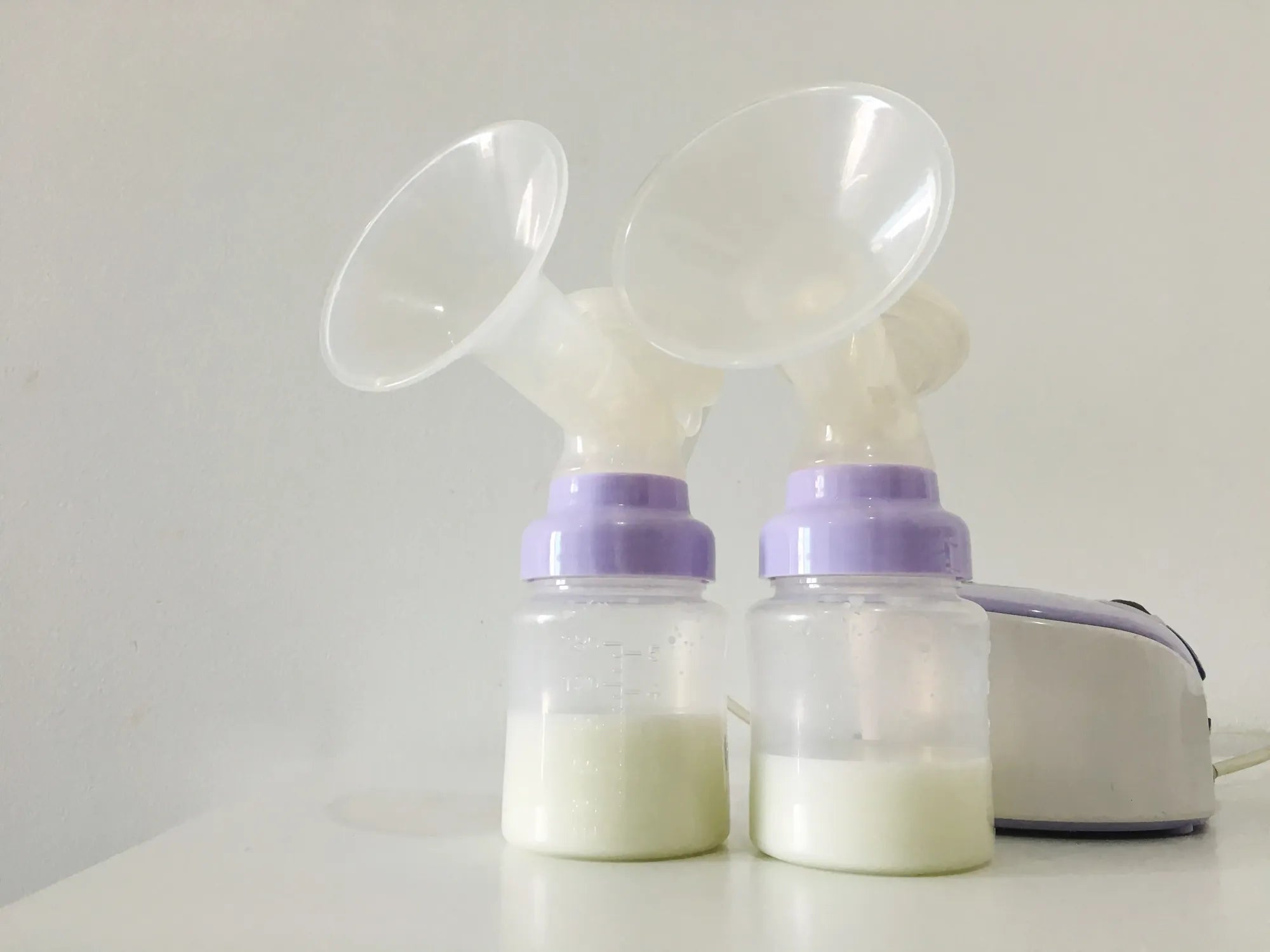
What Is the Best Double Breast Pump: A Comprehensive Guide for Modern Moms
Choosing what is the best double breast pump isn't about finding a single perfect model—it's about matching advanced technology to your unique body, lifestyle, and feeding goals. This comprehensive guide will help you navigate the critical features, from suction customization to wearable design, so you can invest in a pump that offers true freedom and efficiency. You'll learn how to assess your needs, compare key specifications, and implement techniques that maximize your output and comfort.
Understanding Your Pumping Needs and Lifestyle
The first step in identifying the best double breast pump is an honest assessment of your daily routine. Your pumping frequency, location, and personal comfort are more important than any marketing claim. A pump that works for an exclusive pumper who needs to simulate a baby's nursing pattern eight times a day will differ from one used occasionally by a working mom.
Consider where you'll pump most often. If you're returning to an office or need discretion in shared spaces, noise level and portability become paramount. For moms constantly on the move with other children, a truly hands-free, wearable design isn't a luxury—it's a necessity. Your physical comfort also dictates priorities; those with sensitivity may prioritize pumps with numerous gentle suction levels and soft, flexible flanges.
Your breastfeeding goals directly influence your choice. Are you building a freezer stash, supplementing after feeds, or exclusively pumping? Exclusive pumping demands hospital-grade efficiency and durability, while occasional use might prioritize simplicity and ease of cleaning. Budget is a factor, but consider it as an investment in your mental health and time—the right pump pays dividends in saved hours and reduced stress.
Finally, think long-term. A pump should adapt to changes in your supply and routine. Adjustable settings, compatibility with different flange sizes, and a design that supports both stimulation and expression phases will serve you better throughout your journey than a basic model. This self-assessment creates a personalized checklist against which you can evaluate any pump.
Key Features of a Top-Tier Double Breast Pump
Modern double breast pumps are sophisticated devices, and understanding their core features is essential. The best models combine power, comfort, and convenience without forcing you to compromise. We'll break down the specifications that truly matter, moving beyond basic specs to how they impact your daily experience.
Hospital-Grade Performance vs. Portability
Traditionally, you chose between powerful, efficient suction (hospital-grade) and portable convenience. Hospital-grade pumps are known for strong, rhythmic suction that effectively empties the breast, supporting healthy milk supply. Their downside was being large, loud, and tethered to an outlet.
Today's leading wearable pumps, like those developed by MomMed, are bridging this gap. They incorporate hospital-grade motor technology into compact, battery-powered units. This means you no longer must sacrifice performance for the ability to move around. When evaluating, look for motors that offer both strong maximum suction and the ability to operate at lower, comfortable levels.
Suction Customization: Modes and Levels
Customization is king. A baby doesn't nurse at one constant strength; they start with a rapid, light suckling pattern to trigger let-down (stimulation mode) before switching to slower, deeper draws to remove milk (expression mode). The best double breast pumps mimic this.
Look for pumps with distinct, programmable modes. Multiple levels within each mode—often 9 or more—allow you to find the perfect setting that feels effective but not painful. This personalized approach is crucial for comfort and efficient milk removal. MomMed pumps, for instance, feature this adjustable technology to help mothers find their ideal rhythm.
The Wearable Revolution: Hands-Free Pumping
This is the most transformative feature in modern pumping. A true wearable pump fits completely inside your bra, with no external tubes or bottles hanging from your chest. This grants unparalleled mobility, allowing you to care for other children, work, or simply relax without being anchored to one spot.
The psychological benefit is significant. Discreet pumping reduces feelings of isolation and allows for more normalcy. For many, it makes maintaining a pumping schedule sustainable. When assessing wearables, consider cup size and profile—they should be discreet under clothing—and battery life to ensure they last through your needed sessions.
Noise Level and Discretion
A pump's decibel level directly impacts where and when you feel comfortable using it. A loud pump can wake a sleeping baby, draw unwanted attention at work, or make you reluctant to pump in shared living spaces. Ultra-quiet operation (often below 45 dB, which is quieter than a normal conversation) is a hallmark of considerate design.
This feature is especially critical in wearable pumps, as their primary advantage is discretion. A quiet motor means you can pump during a meeting, while watching TV with family, or at night without disruption. It’s a key feature that turns pumping from a disruptive chore into an integrated part of your day.
Ease of Cleaning and Maintenance
The pump you use is the pump you clean. Complex assemblies with many small parts increase cleaning time and frustration. Top-tier pumps are designed with hygiene and simplicity in mind, featuring fewer components and intuitive assembly.
Materials matter immensely. All parts that contact breast milk should be made from BPA-free, food-grade materials like medical-grade silicone. These are not only safe for your baby but also easier to clean and more durable. Some parts may be dishwasher-safe (top rack), but always check the manufacturer's instructions. A pump that's easy to maintain is one you'll use consistently.
Comparing Pump Types: A Quick Overview
To understand where a modern double electric wearable fits, it helps to see the landscape of options. The table below outlines the core characteristics, advantages, and trade-offs of each primary pump type.
| Pump Type | Best For | Key Advantages | Considerations |
|---|---|---|---|
| Manual Pump | Very occasional use, backup, travel without power. | Inexpensive, completely portable, silent operation. | Requires significant hand effort; not efficient for regular double pumping; can be tiring. |
| Single Electric Pump | Moms who rarely pump or need a very simple option. | More efficient than manual; often more affordable than double electric. | Pumping one side at a time doubles the session length; may not support supply as well as double pumping. |
| Standard Double Electric Pump | Primary pumping at a fixed location (e.g., a dedicated pumping room at work). | Time-efficient; effective at maintaining supply; often powerful motors. | Lacks mobility; can be noisy; requires being tethered to a wall outlet or large battery pack. |
| Wearable Double Electric (e.g., MomMed S21) | Active moms, multitasking, exclusive pumping, discretion at work or in public. | Ultimate hands-free mobility; discreet; often quiet; combines performance with portability. | Higher initial investment; cup size may require a good fit; requires charging. |
This comparison shows the clear evolution toward wearable technology, which solves the major mobility constraint of traditional double electric pumps while aiming to match their performance.
Why the MomMed S21 Double Wearable Breast Pump Stands Out
Synthesizing the ideal features discussed, the award-winning MomMed S21 Double Wearable Breast Pump exemplifies the modern standard. It's designed to eliminate the historical compromises between performance, comfort, and freedom, making it a compelling answer for many mothers asking what is the best double breast pump for their life.
Its foundation is hospital-grade performance in a wearable form. The pump has received multiple industry awards for innovation, validating its engineering. It features multiple suction modes and levels, allowing precise customization to match your body's response, which is critical for comfort and efficient milk removal.
The S21's ultra-quiet, powerful motor operates discreetly below 40 dB, making it suitable for any environment. Its fully-enclosed, in-bra design is the definition of hands-free, with no external tubes or dangling bottles, granting true mobility. You can literally pump anywhere without stopping your day.
Prioritizing health and ease, all milk-contact parts are made from soft, BPA-free, food-grade silicone. The system is designed with fewer parts for easier cleaning and assembly. As a trusted maternal care brand, MomMed focuses on creating reliable, comfortable products that support the entire journey, from pregnancy tests to feeding gear. The S21 embodies this mission by empowering moms with technology that fits seamlessly into their lives.
Practical Tips for Effective Double Pumping
Even the best pump requires proper technique. These evidence-based tips will help you maximize output, comfort, and supply, whether you're using a wearable or a traditional model.
First, create a relaxed environment. Stress can inhibit your let-down reflex. Try deep breathing, looking at a photo or video of your baby, or using warmth (like a warm cloth on the breast) before you start. Consistency is also key; try to pump at roughly the same times each day to regulate your supply.
Ensure proper flange fit. This is the most common technical error. The flange should surround your nipple without pulling areola tissue into the tunnel, and your nipple should move freely without rubbing the sides. An incorrect fit can reduce output and cause pain. Many brands, including MomMed, offer multiple flange size options.
Practice hands-on pumping (also called breast compression). While pumping, gently massage your breasts from the chest wall toward the nipple. This helps drain the ducts more completely, which can increase milk yield and fat content. It's especially useful if you have a tendency toward clogged ducts.
Double pump consistently. Pumping both sides simultaneously saves time and can increase prolactin levels compared to single-side pumping, which is beneficial for milk production. Don't watch the bottles; set a timer for 15-20 minutes and focus on relaxing. Finally, maintain your pump according to instructions—replace duckbill valves or membranes regularly, as worn parts can drastically reduce suction efficiency.
Addressing Common Breastfeeding and Pumping Concerns
Navigating challenges is part of the journey. Understanding how your pump interacts with these common issues can provide reassurance and solutions.
Low Milk Supply: Frequent, effective removal is the best stimulus. Double pumping with a high-quality pump on a regular schedule (every 2-3 hours) is crucial. Ensure you're using the correct flange size and adequate suction to empty the breast fully. Power pumping—a technique mimicking cluster feeding—can also help boost supply.
Engorgement & Mastitis: A double pump can provide relief from engorgement. Use a gentle setting at first to allow a let-down without causing pain. For mastitis, frequent emptying is vital, but the pump should be comfortable. Never use extreme suction on inflamed tissue. Always consult a healthcare provider if you suspect mastitis (symptoms include fever, chills, and a hot, red, painful breast area).
Nipple Pain & Damage: Pain is a sign something is wrong. Re-evaluate flange size and suction strength immediately. Use the lowest effective suction. Apply purified lanolin or breast milk to nipples after pumping. Ensure your pump's parts, especially the valves, are in good condition, as weak suction can cause you to overcompensate with higher settings.
Balancing Direct Feeding & Pumping: If you're pumping to create a stash or for occasional bottles, pump after your first morning feed when supply is typically highest. For working moms, try to pump at times your baby would normally feed. A wearable pump can make this schedule more manageable by integrating it into work tasks.
Frequently Asked Questions (FAQs)
Is a double pump worth the investment over a single pump?
For most mothers who pump regularly, yes. Double pumping cuts session time in half, which is a significant daily time savings. More importantly, it's more effective at maintaining milk supply because it stimulates both breasts simultaneously, leading to a better prolactin response. The time and supply benefits typically justify the higher cost.
Can I use a wearable pump as my primary, exclusive pump?
Many mothers successfully do. The key is choosing a wearable with hospital-grade performance, like the MomMed S21, designed for frequent use. It's essential to ensure proper fit and complete emptying. Some mothers with very high supply or specific needs may still benefit from a traditional pump for 1-2 sessions a day, but modern wearables are increasingly capable as primary pumps.
How do I ensure I'm getting a good output with a wearable pump?
The principles are the same as with any pump: proper flange fit, correct suction settings (use stimulation mode to trigger let-down before switching), relaxation, and breast compression. Wearables can be just as efficient if designed well. If output is consistently low, check your flange size first, then assess the pump's suction strength and seal.
How often should I replace pump parts?
Parts like duckbill valves, backflow protectors, and tubing degrade with use. Worn parts are the #1 cause of sudden suction loss. A general guideline is to replace soft parts (valves, membranes) every 4-8 weeks with frequent use. Inspect them regularly—if they look stretched, flattened, or don't create a tight seal, it's time for a change. Always use manufacturer-approved replacement parts.
Are wearable pumps safe and hygienic?
Yes, when from a reputable brand. Look for pumps where all liquid pathways are made from BPA-free, food-grade materials like medical silicone. The design should prevent milk from backing up into the motor. Follow cleaning instructions meticulously: disassemble and wash all parts that contact milk after each use, and sterilize according to guidelines. MomMed pumps use these safe materials and are designed for easy, thorough cleaning.
Making Your Final Decision
Your search for the best double breast pump culminates in aligning technology with your personal blueprint. Review the needs you identified: your daily routine, comfort requirements, and breastfeeding goals. Match them against the features that matter most—whether it's the silent discretion of a wearable, the customizable suction of a hospital-grade motor, or the simple cleanup of a streamlined design.
Remember that this is an investment in your well-being and your ability to feed your baby. The right pump reduces stress, saves precious time, and supports your physical health. It's a tool that should empower you, not complicate your life. Trusted brands that specialize in maternal care, like MomMed, build products with this holistic understanding, focusing on reliability, innovation, and genuine comfort.
You now have the framework to move beyond generic reviews. You can evaluate any pump based on how its performance, portability, and design will integrate into the reality of your days and nights. The best pump is the one that feels like a helpful partner in your journey, giving you the confidence and freedom to nourish your child on your terms.
Ready to find the pump that fits your life? Explore the innovative, award-winning collection designed for modern motherhood. Shop the MomMed collection at mommed.com for all your breastfeeding and pregnancy needs, and take the next step toward a more convenient and comfortable pumping experience.