


Startseite
Pregnancy, Breastfeeding, and Pumping: The Ultimate Guide for Moms
What Is Power Pumping Breast Pumping: A Complete Guide for Moms
What Is Power Pumping Breast Pumping: A Complete Guide for Moms
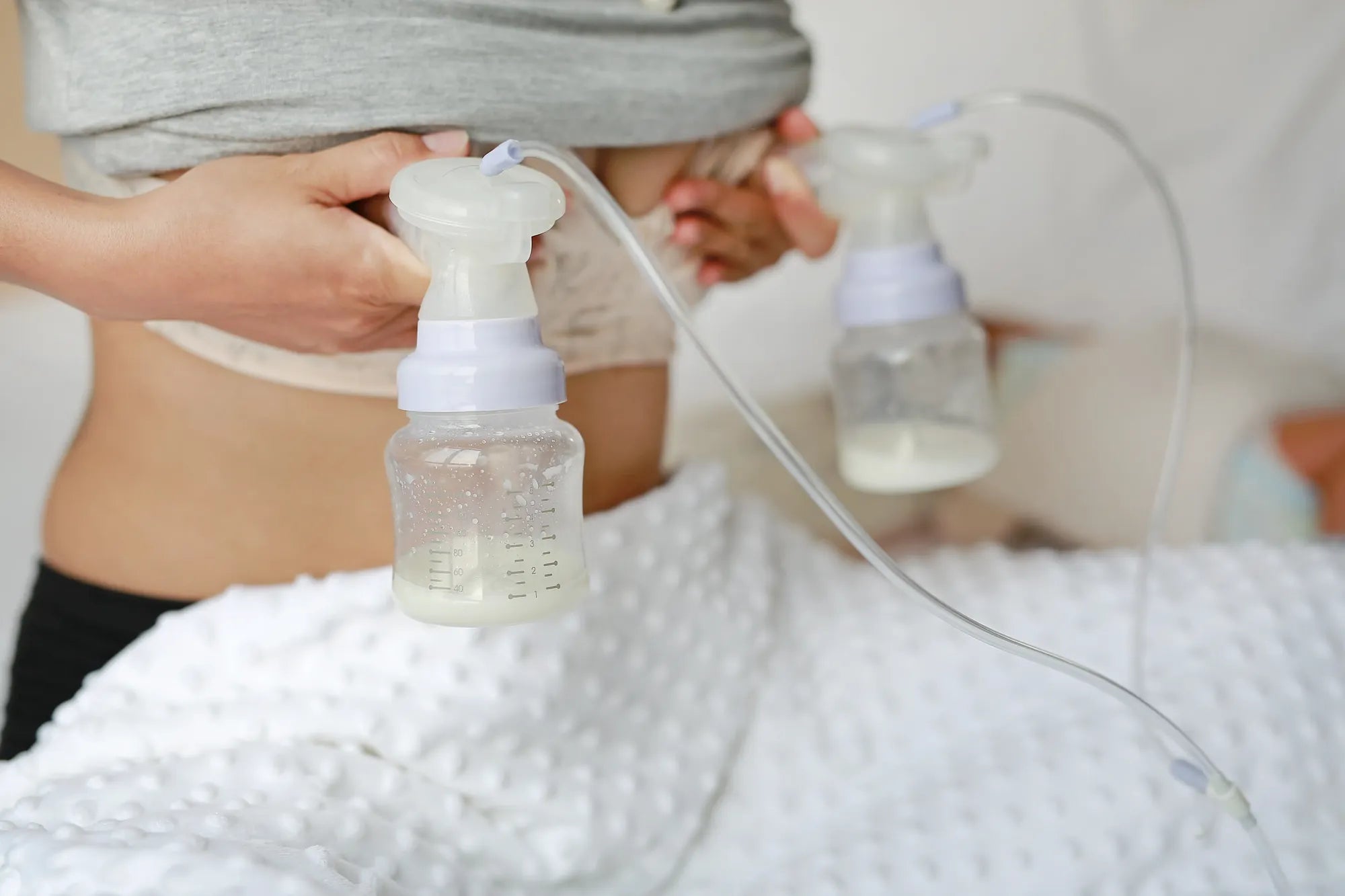
If you're worried about your milk supply, you've likely heard the term "power pumping." What is power pumping breast pumping? It's a strategic, time-efficient pumping technique designed to mimic a baby's cluster feeding, sending a powerful signal to your body to produce more milk. This guide will provide a complete, data-driven breakdown of the method, from the hormonal science to a practical step-by-step protocol. You'll learn who can benefit, how to maximize comfort and results with the right equipment, and how to integrate this powerful tool into your routine. Whether you're exclusively pumping, returning to work, or navigating a supply dip, this comprehensive resource delivers the actionable information you need.
Introduction to Power Pumping: More Than Just Extra Pumping
Power pumping is not simply pumping for a longer duration. It is a structured, cyclical protocol that alternates short periods of pumping with brief rest periods over the course of one hour. The core concept replicates the natural pattern of cluster feeding, where a baby nurses very frequently with short breaks in between. This pattern is a baby's innate way of telling a mother's body to ramp up production during growth spurts or periods of increased demand.
For pumping mothers, power pumping offers a way to replicate this biological signal artificially but effectively. It is a focused intervention, typically recommended for a short period of 3 to 7 days, to address a specific need. Unlike adding an extra 20-minute pumping session, the power pumping schedule is designed to maximize prolactin stimulation—the key milk-making hormone—through its unique on-and-off rhythm.
The technique is particularly valuable for several scenarios: mothers who are exclusively pumping and need to establish or increase supply, breastfeeding mothers experiencing a perceived low milk supply, those preparing a freezer stash before returning to work, or anyone recovering from an illness or supply dip. It's a tool backed by lactation science, emphasizing that it's the frequency of nipple stimulation and milk removal, not just the total time spent pumping, that drives supply.
Understanding what power pumping breast pumping truly entails is the first step. It requires commitment and the right setup, but for many, it can be a game-changing strategy. The following sections will deconstruct the science, provide the definitive schedule, and show you how to execute it with maximum comfort and efficiency.
How Power Pumping Works: The Hormonal Science Explained
The efficacy of power pumping is rooted in endocrinology—the study of hormones. Milk production operates on a supply-and-demand system primarily governed by prolactin. Every time milk is removed from the breast, either by a baby or a pump, prolactin levels rise, signaling the alveoli (the milk-making cells) to produce more for the next feeding.
A single, long pumping session provides one strong prolactin spike. However, the clustered pattern of power pumping aims to create multiple, sequential prolactin surges within a condensed timeframe. The short rest periods are crucial. During these breaks, prolactin levels begin to fall, but the subsequent pumping session initiates a new, fresh spike. This series of hormonal peaks is believed to be more effective at upregulating milk production than a single, sustained peak.
Think of it like sending urgent, repeated memos to your body's "milk production department" instead of one long email that might get buried. The frequent reminders emphasize urgency and high demand. Furthermore, effective milk removal during the pumping periods ensures the breasts are adequately drained, which removes a protein called Feedback Inhibitor of Lactation (FIL). High levels of FIL can slow production, so regular removal keeps this inhibitor low.
This scientific basis is why power pumping is more than a hack; it's an application of physiological principles. It leverages the body's own feedback loops. For the protocol to work optimally, the pumping sessions must be effective at triggering let-downs and removing milk, which underscores the importance of using a high-quality, comfortable breast pump and proper flange fit.
The Standard Power Pumping Schedule: A Minute-by-Minute Breakdown
The most common and evidence-backed power pumping schedule follows a 60-minute cycle. Consistency in timing is key to sending a clear signal to your body. The standard protocol is:
- Pump for 20 minutes. This initial session aims to trigger your let-down and remove a significant portion of available milk.
- Rest for 10 minutes. This break allows a brief hormonal reset. Use this time to hydrate, massage your breasts gently, or simply relax.
- Pump for 10 minutes. This session often triggers a second let-down, removing more milk and sending another prolactin signal.
- Rest for 10 minutes. Another crucial break to prepare for the final stimulation.
- Pump for 10 minutes. The final session ensures thorough drainage and delivers the third hormonal cue of the hour.
This 20-10-10-10-10 pattern totals 40 minutes of active pumping and 20 minutes of rest within one hour. It is generally recommended to perform this cycle once per day, ideally at the same time each day. Many lactation consultants suggest choosing a time when your supply is naturally lower, often in the late afternoon or evening, to specifically target boosting production during that slump.
Adherence to the schedule for a short, focused period is critical. Most mothers see noticeable results after 3 to 7 consecutive days. It is not typically intended as a long-term daily practice, as it can lead to oversupply or maternal burnout. The goal is to use this intensive method to "reset" or "jump-start" your supply, then maintain it with your regular pumping or nursing routine.
Is Power Pumping Right for You? Assessing Your Situation
Power pumping is a powerful tool, but it's not a one-size-fits-all solution. Identifying whether you are a good candidate can help you use your time and energy effectively. The technique is most suitable for mothers who have a confirmed or perceived low milk supply, where the baby's weight gain is slow or pumping output is consistently low despite regular sessions. It is also highly effective for exclusive pumping (EP) mothers who need to establish and maintain full milk production without direct nursing.
Other ideal candidates include mothers who are relactating or inducing lactation, those rebuilding supply after an illness (like mastitis) or a period of separation from baby, and mothers preparing to return to work who want to build a robust freezer stash. If your baby is going through a growth spurt and you feel "empty" all the time, a short course of power pumping can help your supply catch up to the new demand.
However, important cautions apply. Power pumping is not recommended if you have an oversupply, as it can exacerbate engorgement and increase the risk of blocked ducts and mastitis. It is also not a first-line strategy for general wellness; ensuring adequate hydration, nutrition, sleep, and proper latch or flange fit should always be the foundation. If you have significant pain while pumping, power pumping will likely make it worse—address the pain (often related to incorrect flange size) first.
Consulting an International Board Certified Lactation Consultant (IBCLC) is strongly advised if you have deep concerns about your supply. They can help rule out other issues (like thyroid problems or retained placenta) and create a personalized plan. Power pumping is a technique within a broader support system, not a magic bullet.
Maximizing Success: The Critical Role of Your Breast Pump
Your equipment can make or break your power pumping experience. The 60-minute protocol demands a pump that is not only effective at milk removal but also comfortable and sustainable to use. Being tethered to a wall outlet with tubes and bottles dangling from your chest for an hour can feel restrictive, stressful, and uncomfortable, which can inhibit let-down reflexes—the opposite of what you want.
An effective pump for power pumping must have hospital-grade performance to ensure efficient milk removal during each session. It should offer multiple, adjustable suction modes: a rapid, light stimulation mode to trigger let-downs quickly, and a slower, deeper expression mode to effectively drain the breast. Comfort is non-negotiable; painful suction will not yield better results and will discourage consistency.
Perhaps the most underrated feature is noise level. A loud, mechanical pump can startle a sleeping baby (if you're pumping nearby) and add to maternal stress during an already intense hour. A quiet motor is essential for maintaining a calm environment conducive to let-downs. Finally, all parts that contact breast milk must be made from safe, BPA-free, food-grade materials, like the medical-grade silicone used in MomMed pump parts, to ensure your baby's safety.
Why a Wearable Pump Transforms the Power Pumping Experience
This is where wearable breast pumps, like the MomMed S21 Double Wearable Pump, fundamentally change the equation. The traditional barrier of being immobilized during a power pumping session is removed. With a wearable pump, you have true hands-free, cordless freedom.
Imagine executing the 60-minute power pumping protocol while you prepare a snack, fold laundry, read a book, or even care for an older child. This mobility drastically reduces the perceived burden and time commitment. The ability to move and engage in light activity can lower stress hormones like cortisol, which is known to interfere with milk ejection. Lower stress can directly lead to better, faster let-downs and improved output.
Wearable pumps like the MomMed S21 are designed with power pumping in mind. They feature programmable modes that allow you to easily switch between stimulation and expression phases with the touch of a button. Their discreet, in-bra design and ultra-quiet operation mean you can pump without drawing attention or disturbing others. This combination of clinical efficiency and user-centric design makes the challenging task of power pumping not only more feasible but also more comfortable and less disruptive to daily life.
A Step-by-Step Guide to Your First Power Pumping Session
Preparation is key to a successful and less stressful power pumping experience. Follow this practical checklist to set yourself up for success.
Step 1: Choose Your Hour. Select a 60-minute window where you are least likely to be interrupted. Evening, when supply dips and baby might be asleep, is a popular choice. Commit to doing it at a similar time for the next several days.
Step 2: Gather Your Supplies. Have everything within arm's reach: your breast pump (ensure batteries are fully charged if using a wearable like the MomMed S21), pumping bras, a large bottle of water, a healthy snack high in protein and oats, breast massage oil or cream, a phone or book for distraction, and clean storage bottles or bags.
Step 3: Create a Relaxing Environment. Sit in a comfortable chair. Use pillows for support. Consider looking at photos or videos of your baby, listening to calming music, or practicing deep breathing to encourage oxytocin release.
Step 4: Execute the Protocol with Hands-On Techniques. During each pumping segment, don't just sit passively. Use hands-on pumping: gently massage your breasts before and during pumping, and use breast compression (squeezing your breast while the pump is suctioning) to help push out more milk, especially toward the end of each session when flow slows.
Step 5: Properly Store Your Milk. After the final pumping session, combine the milk from all periods, label it with the date, and store it in the refrigerator or freezer immediately. Even if the yield from the rest-period sessions seems small, every drop is valuable and the hormonal signal is what matters most.
Power Pumping vs. Other Supply-Boosting Methods
It's helpful to understand how power pumping compares to other common strategies for increasing milk production. The table below provides a clear, data-driven comparison.
| Method | How It Works | Time Commitment | Best For | Key Considerations |
|---|---|---|---|---|
| Power Pumping | Mimics cluster feeding via a structured 60-min on/off pumping cycle to stimulate prolactin. | Focused: 1 hour/day for 3-7 days. | Targeted supply boosts, exclusive pumpers, rebuilding after illness. | Requires a high-quality, comfortable pump. Can be intense. |
| Adding a Pumping Session | Adds one extra 15-20 min pumping session to your daily routine. | Ongoing: +15-20 min every day. | Gradually increasing overall daily output. | Less intense but requires long-term consistency. May not provide the same hormonal "jump-start." |
| Frequent Nursing on Demand | Baby-led; nursing whenever baby shows hunger cues, especially cluster feeding. | Variable, often constant in early months. | Breastfeeding mothers with baby present. Natural supply regulation. | Most natural method. Requires baby's effective latch and transfer. |
| Galactagogues (Foods/Supplements) | Consuming foods (oats, brewer's yeast) or supplements (fenugreek, moringa) believed to support supply. | Integrated into diet daily. | Supporting overall lactation health alongside other methods. | Evidence is often anecdotal. Fenugreek can have side effects and may lower supply in some. |
As the table illustrates, power pumping is unique in its short-term, high-intensity approach. It is often used in conjunction with other methods, such as ensuring proper hydration and nutrition, rather than as a standalone solution.
Power Pumping FAQs: Expert Answers to Common Questions
1. How soon will I see results from power pumping?
Most mothers notice an increase in output within 3 to 7 days of consistent, once-daily power pumping. Your body needs time to respond to the new hormonal signals. Don't be discouraged if you don't see a dramatic change on day one. Measure progress by comparing your total output over a 24-hour period at the end of a week, not just the yield from the power pumping hour itself.
2. Can I power pump more than once a day?
It is generally not recommended. Power pumping more than once daily can lead to an oversupply, which brings its own challenges like engorgement, frequent leaking, and a higher risk of mastitis. It can also lead to rapid burnout. The protocol is designed to be an intensive but short-term stimulus. If one session a day isn't yielding results after a week, consult an IBCLC before increasing frequency.
3. What if I don't get much milk during the 10-minute pumping sessions?
This is very common and completely okay. The primary goal of power pumping is not the volume collected during the hour, but the hormonal signal you are sending. Even drops or a few milliliters during the shorter sessions are enough to stimulate prolactin. The "rest" periods are when your body is processing the demand signal. Trust the process.
4. Can I use power pumping with a wearable pump like the MomMed S21?
Absolutely. In fact, a wearable pump like the MomMed S21 is an excellent tool for power pumping. Its programmable modes allow you to easily set a 20-minute session in expression mode, then switch back to a 10-minute session after your break. Its portability and discretion make adhering to the 60-minute protocol far more practical and less stressful, which can positively impact your results.
5. Should I power pump if I am also nursing directly?
Yes, but timing is important. The best time to power pump is usually right after a nursing session, or in place of a feeding if someone else is giving a bottle. Avoid power pumping right before a feed when you want your baby to get a full breast. The goal is to provide extra stimulation without interfering with your baby's primary meals.
Conclusion: Harnessing a Powerful Tool for Your Feeding Goals
Understanding what is power pumping breast pumping empowers you with a strategic, evidence-based method to influence your milk supply. It demystifies the process, moving it from a vague tip to a concrete, executable plan. By mimicking nature's own cluster-feeding mechanism, you can proactively communicate with your body's lactation system. Success hinges on the combination of a scientifically sound protocol, a supportive environment, and the right equipment. Choosing a pump that offers both clinical efficiency and life-friendly design, such as a hands-free wearable pump, can transform power pumping from a daunting chore into a manageable, integrated part of your day. Remember, your feeding journey is unique. Whether you use this technique for a week or simply file the knowledge away, you are building a toolkit of informed choices. For the reliable, comfortable, and innovative tools that support every step of motherhood—from confirming your pregnancy with our early detection tests to power pumping with our award-winning wearable pumps—explore the solutions designed with you in mind. Shop the MomMed collection at mommed.com for all your breastfeeding and pregnancy needs.