


Startseite
Pregnancy, Breastfeeding, and Pumping: The Ultimate Guide for Moms
What Are the Top Breast Pumps: A Comprehensive Guide for Modern Moms
What Are the Top Breast Pumps: A Comprehensive Guide for Modern Moms
Finding Your Perfect Breast Pump
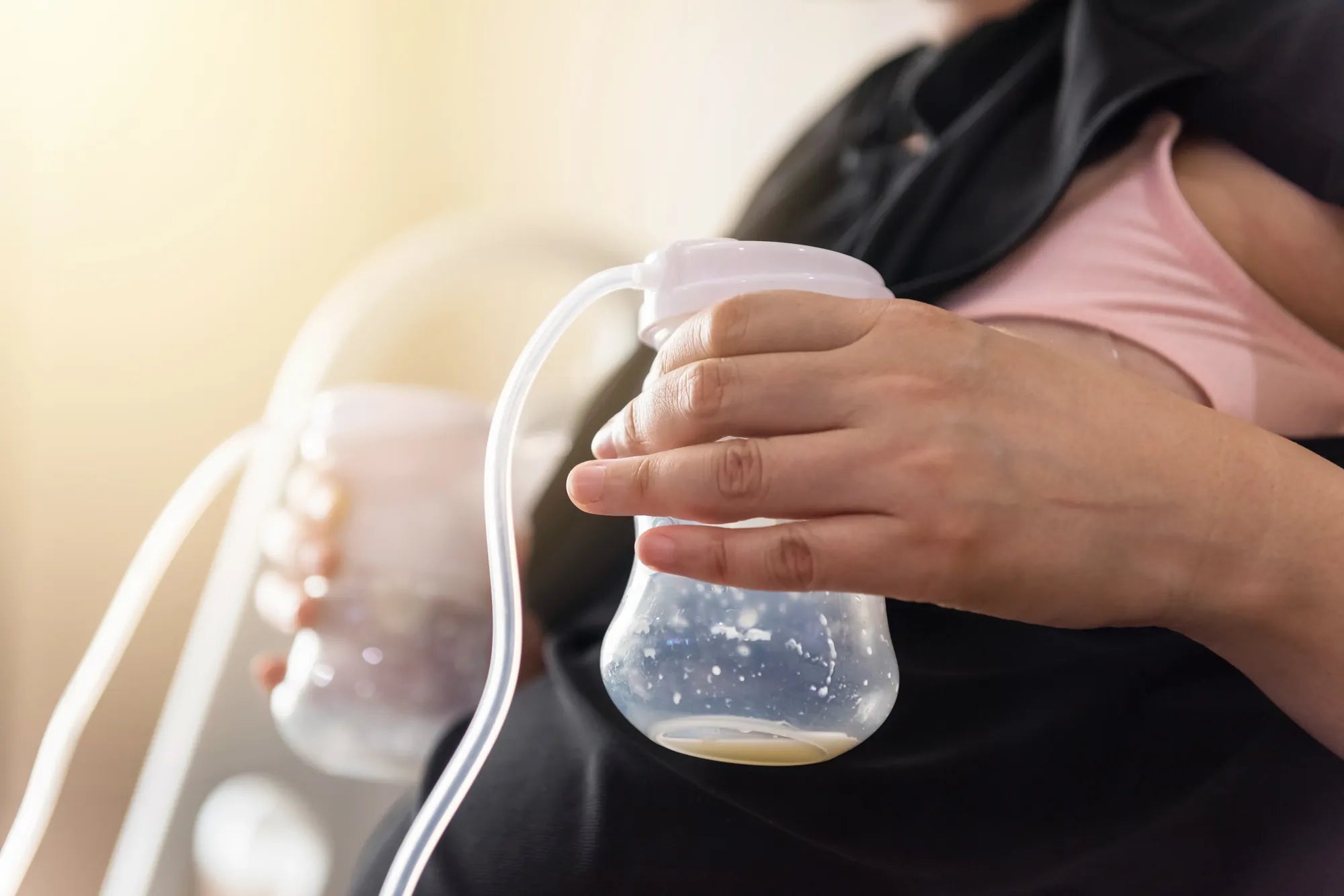
Choosing a breast pump is one of the most significant decisions for a nursing mother, directly impacting comfort, milk supply, and daily freedom. This comprehensive guide answers the critical question: What are the top breast pumps available today? The answer isn't a single model but the pump that best aligns with your body, routine, and goals. We will navigate the entire landscape—from powerful hospital-grade rentals to discreet wearable technology—empowering you with the data and knowledge to make a confident, informed investment in your breastfeeding journey.
Your ideal pump should feel like a supportive partner, not a cumbersome chore. Whether you're exclusively pumping, returning to a demanding job, managing life with multiple children, or seeking occasional relief, the right equipment makes all the difference. This guide cuts through marketing hype to focus on performance, comfort, and real-world usability, referencing trusted brands like MomMed, a specialist in innovative maternal and baby care products.
Understanding Your Pumping Needs & Lifestyle
Identifying the top breast pump begins with a honest assessment of your personal circumstances. A pump perfect for a mother who pumps 8 times a day at an office differs vastly from one suited for occasional evening use. Your lifestyle is the primary filter through which all pump features should be evaluated.
Key factors include pumping frequency, mobility requirements, need for discretion, sensitivity, and budget. An exclusive pumper needs maximum efficiency and durability, while a mom on-the-go prioritizes portability and quiet operation. There is no universal "best"—only the best for you.
Key Questions to Ask Yourself Before You Buy
Answering these questions creates a personalized checklist. How many times per day/week will I pump? Will I need to pump at work, in the car, or while caring for other children? Is a silent, discreet pump crucial for my environment? What is my comfort threshold for suction and flange fit? What is my budget for this essential tool? Your answers will directly guide you toward the optimal pump category and features.
Breaking Down the Types of Breast Pumps
Breast pumps fall into three primary categories, each engineered for specific use cases. Understanding these core types—hospital-grade, double electric, and wearable—is fundamental to determining which represents the top choice for your situation.
The evolution from large, stationary units to compact, cordless devices reflects the changing needs of modern parents. Each type offers distinct advantages in power, portability, and price.
Hospital-Grade Pumps: Powerhouse Performance
These are the most powerful pumps available, designed for multiple users with separate, sterile collection kits. They are typically rented, not purchased. Hospital-grade pumps are the top choice for establishing or rebuilding milk supply, pumping for a premature or hospitalized infant, or when a mother has specific medical conditions affecting lactation.
Their superior, regulated suction helps mimic a baby's natural nursing pattern effectively. However, they are large, non-portable, and not intended for long-term personal use. For many, they serve as a critical starting point before transitioning to a personal pump.
Double Electric Pumps: The Reliable Workhorse
This category represents the standard for daily, personal use. A quality double electric pump allows you to express from both breasts simultaneously, saving significant time and supporting milk supply through efficient, frequent emptying. These are the top breast pumps for mothers who pump regularly as a primary or substantial part of their feeding routine.
They offer a balance of strong, adjustable suction and relative portability, often coming with a carrying case and battery options. Models range from basic to feature-rich with digital displays, memory settings, and varied cycle patterns. They remain a trusted, effective choice for millions of mothers.
Wearable Pumps: The Ultimate in Freedom & Discretion
Wearable breast pumps represent a revolutionary leap in pumping technology. These compact, cordless devices fit completely inside your bra, offering true hands-free operation. For active mothers, they are increasingly seen as the top breast pump category for balancing motherhood with mobility.
Innovation in this space has been rapid. Leading brands like MomMed have focused on engineering wearable pumps that don't compromise on performance. The goal is hospital-grade efficiency in a silent, discreet form factor. This allows mothers to pump while working at a desk, making dinner, commuting, or even caring for another child—transforming previously lost time into productive pumping sessions.
Key Features to Compare When Choosing a "Top" Pump
Beyond categories, specific features separate adequate pumps from exceptional ones. Evaluating these technical and comfort-focused aspects is crucial for identifying a top-tier product that will serve you well for months.
Suction & Comfort: It's Not Just About Strength
Effective pumping hinges on comfortable, efficient milk removal, not just maximum suction power. Look for pumps with separate, adjustable stimulation (let-down) and expression modes. The stimulation mode should use rapid, gentle suction to trigger your milk ejection reflex, followed by a slower, deeper expression mode to empty the breast.
Comfort is paramount. Top pumps, including MomMed's range, offer multiple suction levels and cycle speeds within each mode, allowing you to find a perfect, comfortable rhythm. Pain is a signal that something is wrong—often an incorrect flange size or too-high suction. The best pumps provide the customization to avoid this.
Portability & Noise Level: Pump Anywhere, Anytime
Portability is a spectrum. A double electric with a battery pack offers some freedom, but a wearable pump offers complete liberation. For pumping at work, in shared spaces, or with a sleeping baby nearby, noise level is a critical and often overlooked feature.
A loud pump can cause stress and limit where you feel comfortable using it. Modern wearable pumps excel here, with many, like the MomMed S21, operating at whisper-quiet levels (often below 45 dB). This discretion is a key reason wearable models top many lists for modern, mobile mothers.
Ease of Use & Cleaning
A pump that is complicated to assemble, operate, or clean will quickly become a burden. Intuitive controls, clear LED displays, and memory functions that recall your preferred settings enhance the daily user experience. Fewer parts mean easier, faster cleaning—a major daily consideration.
All parts that contact milk should be BPA-free and easy to sanitize. MomMed, for instance, uses food-grade, medical-grade silicone in its flanges and connectors, ensuring safety and simplifying the cleaning process. A simple design reduces frustration and supports consistent pumping hygiene.
Spotlight on Innovation: The Rise of Award-Winning Wearable Pumps
The wearable pump category has seen explosive growth, driven by demand for solutions that fit into dynamic lives. These aren't just novelties; they are sophisticated devices winning industry awards and changing how mothers approach pumping.
This innovation addresses the core conflict many mothers face: the need to maintain milk supply without being tethered to a wall outlet or sacrificing participation in daily life. Wearable pumps resolve this by integrating powerful motors and efficient suction into self-contained, in-bra units.
Why Wearable Pumps Are Topping Lists
The benefits are transformative. True hands-free operation means you can type, drive, or hold your baby. Complete discretion under clothing removes the self-consciousness of pumping in shared or professional environments. The ability to move freely turns pumping from a scheduled interruption into a parallel activity.
For mothers returning to work, managing a household, or simply valuing their autonomy, these advantages make wearable pumps a top contender. They represent a shift towards empowering technology that adapts to the mother, not the other way around.
Case in Point: The MomMed S21 Double Wearable Pump
As an exemplar of a top breast pump in the wearable category, the MomMed S21 Double Wearable Breast Pump illustrates the pinnacle of this innovation. A winner of multiple industry awards for design and performance, it embodies the key features modern mothers seek.
Its core USP is delivering hospital-grade performance in a silent, wearable form. The S21 features multiple adjustable modes (Massage, Stimulation, Expression) and 9 suction levels for personalized comfort. Operating at a library-quiet volume, it allows for discreet use anywhere. The closed-system design and BPA-free, food-grade silicone components ensure safety and hygiene. For thousands of moms, it represents the ideal fusion of freedom and effectiveness.
Your Pumping Journey: From Hospital to Home
Your needs will evolve, and your pump strategy can too. Many mothers begin with a hospital-grade rental in the early days to build a robust supply, especially if facing challenges. As routine stabilizes, they transition to a primary personal pump.
For daily, at-home pumping, a traditional double electric remains a gold-standard workhorse. However, for the on-the-go phase—returning to work, managing errands, or traveling—a high-quality wearable pump like the MomMed S21 becomes an invaluable primary or secondary pump. Keeping a manual pump as an emergency backup is also a wise strategy. The top breast pump ecosystem is often a combination of tools for different scenarios.
Frequently Asked Questions (FAQ)
Q: Can a wearable pump really be as effective as a traditional double electric?
A: Yes, modern, high-quality wearable pumps are engineered for effectiveness. Key factors are multiple, adjustable stimulation and expression modes that efficiently mimic a baby's nursing pattern. Pumps like the MomMed S21 are designed to fully empty the breast, which is critical for maintaining milk supply. For many women, output is comparable, especially when the comfort and convenience lead to more consistent pumping sessions.
Q: Are wearable breast pumps comfortable to wear?
A: Comfort is a primary design focus. Look for pumps with soft, flexible flanges made from BPA-free silicone (like MomMed's) that conform to your body. A secure, but not tight, fit is essential. The ability to fine-tune suction strength and cycle speed is also crucial for finding a comfortable, effective setting. Proper flange sizing—often different from your electric pump size—is the most important factor for wearable pump comfort.
Q: How important is flange fit, and how do I find the right size?
A: Flange fit is arguably the most critical factor for comfort, efficiency, and milk supply. A flange that is too large or too small can cause pain, damage tissue, and reduce milk output. Your nipple should move freely in the tunnel without rubbing, and only a small amount of areola should be drawn in. Most brands, including MomMed, offer printable sizing guides. Consulting with a lactation consultant can provide a professional measurement.
Q: How do I clean and maintain my breast pump?
A: Clean all parts that contact milk after every use with hot, soapy water, or in the dishwasher if labeled dishwasher-safe. Sterilize daily by boiling, using steam bags, or following manufacturer instructions. Regularly inspect valves, membranes, and backflow protectors for wear, cracks, or loss of suction, and replace them as needed. Simple designs with fewer parts, common in wearable pumps, make this daily maintenance quicker and easier.
Q: When should I consult a healthcare provider about pumping?
A: Seek guidance if you experience persistent pain despite correct flange fit and settings, signs of mastitis (fever, chills, red, painful breast wedge), a sudden, significant drop in output, or if you have concerns about your milk supply. A lactation consultant (IBCLC) is an invaluable resource for personalized pumping plans and troubleshooting.
Comparison Table: Top Breast Pump Categories at a Glance
| Feature | Hospital-Grade | Double Electric | Wearable (e.g., MomMed S21) |
|---|---|---|---|
| Primary Use | Establishing supply; medical need; rental | Daily, primary pumping; maintaining supply | On-the-go, hands-free pumping; discretion |
| Suction Power | Very High, Multi-User | High, Adjustable | High, Adjustable Modes |
| Portability | Low (Stationary) | Medium (Bag/Case) | High (In-Bra, Cordless) |
| Noise Level | Moderate to Loud | Moderate | Very Low (Quiet) |
| Hands-Free | No | Possible with special bra | Yes (Complete) |
| Price Point | Rental Fee | Mid to High | Mid to High |
| Ideal For | Early challenges, preemies | Exclusive pumping, daily routine | Working moms, multitasking, travel |
Conclusion: Empowering Your Choice with Confidence
Determining the top breast pump is a personal calculation of performance, comfort, and lifestyle compatibility. The best pump is the one that you will use consistently and comfortably, enabling you to meet your feeding goals without unnecessary stress. By prioritizing features that matter most to your daily reality—whether that's raw power, discreet portability, or intuitive operation—you invest in your well-being and your breastfeeding success.
Innovation in pumping technology, particularly in the wearable category, has created powerful new options for mothers who refuse to choose between providing breast milk and participating fully in their lives. Trusted, award-winning solutions from brands like MomMed exemplify this progress, offering hospital-grade performance in designs that grant true freedom. Your journey is unique, and your equipment should be a perfect fit. Shop the MomMed collection at mommed.com for all your breastfeeding and pregnancy needs, and choose the pump that empowers your story.