


Startseite
Pregnancy, Breastfeeding, and Pumping: The Ultimate Guide for Moms
Is Breast Pump Good for Health? A Comprehensive Guide to Benefits and Safety
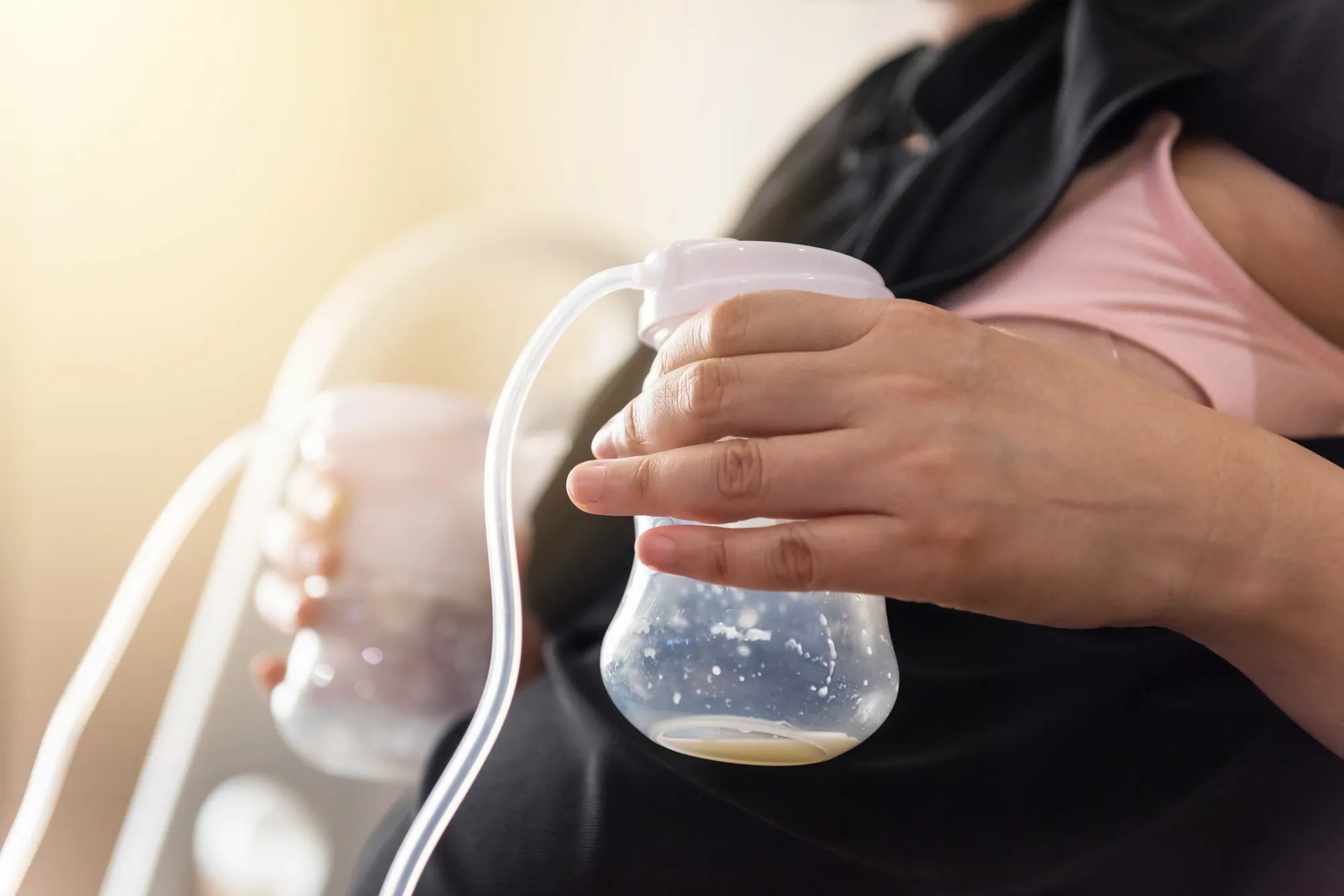
Is Breast Pump Good for Health? A Comprehensive Guide to Benefits and Safety
Introduction: Understanding the Role of Breast Pumps in Modern Motherhood
Is a breast pump good for your health? This is a critical question for countless new and expecting mothers navigating the complexities of feeding their babies. The answer, supported by lactation science and maternal health data, is a resounding yes—when used correctly and as part of a holistic approach. A modern breast pump is far more than a mere convenience item; it is a vital health tool that supports physiological processes, prevents common complications, and safeguards maternal mental well-being.
This exploration goes beyond simple utility to examine the tangible benefits and essential considerations for integrating pumping into your routine. We will dissect how pumping supports breast health, enables nutritional continuity for your baby, and grants you the flexibility crucial for recovery and balance. Understanding these factors is key to leveraging this technology to its fullest, health-supporting potential.
As a trusted maternal and baby care brand, MomMed specializes in creating reliable, comfortable, and innovative products like wearable breast pumps, pregnancy test kits, and feeding gear. Our mission is to empower moms with tools that align with both their health needs and their lifestyles, providing evidence-based solutions for every stage of the journey from pregnancy to parenting.
The Health Benefits of Using a Breast Pump: A Closer Look
Using a breast pump offers a multifaceted array of health advantages that extend to both mother and child. It transforms breastfeeding from a potentially rigid schedule into a flexible, sustainable practice that can adapt to your body's needs and life's demands. The core health proposition lies in its ability to facilitate efficient milk removal, which is the cornerstone of mammary gland health and robust milk production.
Contrary to outdated views, a pump is not a substitute for a baby but a complementary tool that mimics the baby's suckling to stimulate milk ejection. This mechanical stimulation triggers the release of prolactin and oxytocin, the hormones responsible for milk production and the bonding "let-down" reflex. Therefore, consistent, effective pumping directly supports your endocrine system's breastfeeding functions.
The benefits are both preventive and proactive. They range from avoiding acute physical issues like engorgement and infection to providing long-term psychological benefits by reducing feeding-related anxiety and granting autonomy. This makes the question "Is a breast pump good for health?" one with implications for physical recovery, emotional resilience, and infant nutrition security.
Supporting Milk Supply and Breast Health
The most direct health benefit of a breast pump is its role in establishing, maintaining, and increasing milk supply. Milk production operates on a principle of supply and demand: the more milk removed from the breasts, the more the body is signaled to produce. For mothers who need to be separated from their babies due to return to work, medical reasons for the infant, or latch difficulties, regular pumping is non-negotiable for sustaining supply.
Furthermore, effective milk removal is paramount for breast health. Incomplete emptying can lead to painful engorgement, where breasts become overly full, hard, and tender. Engorgement can impede milk flow and, if unresolved, may progress to plugged ducts or mastitis—a painful inflammatory condition that can involve infection. A high-quality pump like the MomMed S21, designed for efficient, complete emptying, acts as a preventive measure against these common and debilitating issues.
For mothers with oversupply, a pump can be used strategically for comfort relief without over-stimulating production. Conversely, for those inducing lactation or relactating, a hospital-grade pumping schedule is the primary medical protocol to build supply from scratch. In both scenarios, the pump is a direct mediator of physiological health.
Promoting Maternal Mental and Physical Well-being
The mental health benefits of pumping are profound and often understated. The pressure of being a baby's sole food source can be immense, leading to anxiety, feelings of being "tied down," and burnout. A breast pump introduces critical flexibility, allowing partners, family members, or caregivers to participate in feedings. This shared responsibility provides the mother with opportunities for uninterrupted sleep, self-care, medical appointments, or even brief social outings—all essential for postpartum recovery and mental health.
This autonomy directly combats feelings of isolation and can reduce the risk of postpartum mood disorders. Knowing that your baby can still receive your breast milk even when you are not physically present alleviates a significant source of stress. The ability to create a "stash" of milk provides a tangible sense of security and preparedness, contributing to emotional stability.
Physically, this flexibility aids recovery. Adequate rest is crucial for healing after birth, whether vaginal or surgical. By allowing someone else to handle a night feeding with a bottle of expressed milk, a mother can get a longer stretch of restorative sleep, which is vital for physical repair, immune function, and emotional regulation.
Enabling Nutritional Continuity for Baby
The ultimate beneficiary of maternal health and consistent milk removal is the baby. A breast pump ensures that an infant receives the unique, living benefits of human milk regardless of feeding method. This includes antibodies (immunoglobulins), enzymes, probiotics, and perfectly tailored nutrition that adapts to the baby's needs.
For babies who cannot latch effectively due to prematurity, anatomical issues like tongue-tie, or neurological conditions, pumped milk delivered via bottle, syringe, or feeding tube becomes their lifeline. It protects their vulnerable immune systems and supports optimal gut and brain development in a way formula cannot fully replicate. This is not just about nutrition; it's about providing medicinal and protective factors.
Furthermore, pumping allows mothers to continue providing breast milk long after maternity leave ends, enabling the recommended six months of exclusive breastfeeding and beyond. This long-term nutritional continuity is a direct result of the mother's ability to integrate pumping sustainably into her life, a process greatly aided by comfortable, efficient pumps.
Key Considerations for Healthy and Effective Pumping
While the benefits are clear, realizing them hinges on safe, comfortable, and effective practices. Understanding these considerations transforms pumping from a chore into a sustainable, health-positive habit. The primary goal is to work *with* your body, not against it, using the pump as a tool to support your natural physiology.
Ignoring these factors can lead to discomfort, low milk output, and even injury, which would negatively reframe the answer to "Is a breast pump good for health?" Therefore, an informed approach is essential. This involves selecting technology designed for physiological comfort, adhering to strict hygiene protocols, and cultivating a mindful awareness of your body's signals during and after pumping sessions.
These considerations are not barriers but guidelines for success. They empower you to take control of the process, troubleshoot issues early, and build a routine that feels manageable and rewarding, thereby maximizing the health benefits for you and your baby.
Choosing the Right Pump: Comfort, Efficiency, and Safety
The foundation of healthy pumping is the pump itself. Key factors include flange fit, suction patterns, portability, and material safety. An incorrect flange size—the tunnel that fits over the nipple—is the number one cause of pain, low output, and tissue damage. It should allow the nipple to move freely without rubbing and without pulling areolar tissue deep into the tunnel.
Suction should be adjustable and mimic a baby's natural nursing pattern: a faster, lighter rhythm to initiate let-down (stimulation mode) followed by a slower, deeper pull to remove milk (expression mode). Pumps with only one intense setting can be painful and ineffective. Brands like MomMed engineer their pumps, such as the S21 Wearable, with multiple, customizable modes to match individual comfort and maximize milk removal.
Material safety is non-negotiable. All parts that contact breast milk must be BPA-free and made from food-grade materials. MomMed uses only certified, medical-grade silicone and plastics, ensuring no harmful chemicals leach into your milk. Finally, consider your lifestyle. A wearable, cordless pump that fits in your bra offers unparalleled freedom and can reduce stress, making consistent pumping easier to maintain—a direct contributor to both mental well-being and milk supply health.
Establishing a Hygienic Pumping Routine
Protecting your baby from pathogens is paramount. A strict hygiene routine is a critical health consideration. All pump parts that touch milk (flanges, valves, membranes, bottles) must be cleaned after every use. This typically involves rinsing in cool water, washing with hot soapy water using a dedicated brush, and air-drying thoroughly on a clean rack.
For convenience, many parts can be sanitized using steam bags or sterilizers, though daily sanitizing beyond the initial use is not always necessary unless advised by a doctor for a preterm or immunocompromised infant. Proper milk storage is equally vital. Freshly expressed milk can be kept at room temperature for up to 4 hours, in a refrigerator for up to 4 days, and in a freezer for 6-12 months. Always use clean, sealed containers labeled with the date.
Practice good hand hygiene before handling pump parts or your breasts. By treating expressed milk as the precious, perishable biological fluid it is, you ensure its health benefits are delivered safely to your baby, protecting them from gastrointestinal or other infections.
Listening to Your Body: Finding Balance
Pumping should not be painful. Discomfort during initial let-down is normal, but sharp pain, pinching, or persistent soreness are signs something is wrong—likely an ill-fitting flange or too-high suction. Listen to these signals and adjust immediately. Your output is also a key indicator; while volume varies, a general sense of fullness relief after pumping suggests effective emptying.
Balance is crucial. While pumping supports supply, over-pumping can lead to oversupply, which carries its own risks of engorgement, mastitis, and a foremilk/hindmilk imbalance for the baby. Follow a schedule that approximates your baby's feeding rhythm, typically pumping every 2-4 hours in the early months. Avoid the temptation to "power pump" excessively without guidance from a lactation consultant.
Finally, remember that pumping is a tool to support your journey, not define it. It should complement skin-to-skin contact and bonding, not replace it. Finding a rhythm that allows for both direct nursing (if possible) and pumping, while also giving you needed breaks, is the hallmark of a sustainable, healthy approach.
MomMed's Approach: Designing for Health and Comfort
At MomMed, the question "Is a breast pump good for health?" is the driving force behind every design decision. We believe technology should adapt to the mother's physiology and life, not the other way around. Our philosophy centers on creating products that are clinically effective, exceptionally comfortable, and intuitively easy to use, thereby removing barriers to consistent pumping and enabling mothers to reap the full spectrum of health benefits.
This means moving beyond basic functionality to consider the holistic experience: the sound of the motor, the feel of the silicone, the discretion of the design, and the simplicity of the controls. Every feature is evaluated through the lens of maternal physical comfort and psychological ease. By winning multiple industry awards for innovation, our pumps are recognized for successfully bridging the gap between hospital-grade performance and real-world usability.
Our commitment extends to using only the highest safety standards. All breast pumps are constructed with BPA-free, food-grade silicone and plastics, ensuring absolute safety for both mother and baby. This health-first approach defines the MomMed brand, making us a trusted partner for thousands of moms across the US and Europe.
The Award-Winning S21 Double Wearable Pump: A Case Study in Health-Centric Design
The MomMed S21 Double Wearable Breast Pump exemplifies our health-centric design philosophy. Its core innovation is true, cordless hands-free wearability—each pump unit fits discreetly inside a nursing bra, freeing the mother to move, work, or care for other children. This directly addresses a major source of maternal stress: feeling immobilized by feeding equipment. By enabling mobility and normalcy, the S21 supports mental well-being, making it easier to adhere to a pumping schedule that maintains milk supply.
Technologically, it features a hospital-grade pump base with multiple suction modes and levels. The stimulation mode uses a rapid, gentle rhythm to trigger the let-down reflex efficiently, while the expression mode offers deep, customizable suction for complete milk removal, crucial for preventing engorgement and mastitis. The ultra-quiet operation (below 45 dB) protects maternal privacy and reduces anxiety during pumping, whether at home or in a workplace.
The ergonomic, angled flanges are designed for a more natural, comfortable fit, and the closed-system design prevents milk backflow into the tubing and motor, a critical hygiene feature. By integrating these elements, the S21 isn't just a pump; it's a system designed to make the health benefits of pumping accessible, comfortable, and sustainable for the modern mother.
Safety as a Standard: From Materials to Performance
Safety is the non-negotiable bedrock of health-positive pumping. MomMed's safety protocol starts at the molecular level with material selection. Every component that contacts skin or milk is made from certified, medical-grade materials. The silicone used in flanges and valves is hypoallergenic, soft, and free from phthalates and BPA, ensuring no toxins compromise the purity of your breast milk or irritate sensitive breast tissue.
Performance safety is equally critical. Our pumps are engineered with intelligent suction algorithms that mimic a baby's natural nursing pattern. This physiological approach is not only more effective at removing milk but also safer for breast tissue than older, single-mode pumps that rely on harsh, constant suction, which can cause capillary damage, pain, and edema.
Furthermore, all MomMed pumps are designed as closed systems. This means there is a physical barrier (usually a membrane or valve) between the milk collection kit and the pump motor and tubing. This prevents mold or bacteria growth in the tubing and protects the pump's motor from damage, ensuring long-term, hygienic operation. This comprehensive safety-by-design approach gives mothers peace of mind, knowing their health and their baby's health are protected.
Pumping Schedules and Techniques for Optimal Health
How and when you pump is as important as the pump you use. A well-planned schedule protects your supply, aligns with your body's rhythms, and prevents common issues. In the early postpartum weeks, frequent removal is key to establishing a robust supply. Aim to pump or nurse 8-12 times per 24 hours, including at least one session at night when prolactin levels are highest.
For working mothers, simulating the baby's feeding pattern is ideal. This might mean pumping every 3 hours during the workday for 15-20 minutes per session. Consistency is more important than marathon sessions; regular, shorter pumps are often more effective at maintaining supply than infrequent, long ones. Techniques like breast compression or massage while pumping can help increase output and ensure thorough emptying, further supporting breast health.
For mothers exclusively pumping, a more structured schedule is vital, often starting with 8+ sessions per day and potentially reducing frequency after supply is well-established, around 12 weeks postpartum. Always wean pumping sessions gradually to avoid clogged ducts. Listening to your body's cues of fullness and adjusting your schedule accordingly is the best strategy for long-term, healthy milk production.
Addressing Common Concerns: Pain, Supply, and Mastitis
Many health-related concerns about pumping are valid but manageable with the right knowledge. Pain should never be ignored. It often points to incorrect flange size—the most common culprit. Measure your nipple diameter (without areola) and select a flange 2-4mm larger. Lubricating the flange with olive or coconut oil can also reduce friction.
Worries about decreasing milk supply are common. If output drops, first check your pump: replace worn-out valves or membranes ("duckbills") every 4-8 weeks, as they lose elasticity and suction power. Ensure you are using the correct settings—spend adequate time in stimulation mode before switching to expression. Stress, dehydration, and lack of sleep can also temporarily impact supply, highlighting the interconnectedness of pumping with overall self-care.
Pumping is actually a primary tool for preventing and managing mastitis. At the first sign of a tender, red lump or feverish flu-like symptoms, frequent, gentle pumping or nursing from the affected side is recommended to clear the blockage. Rest, fluids, and anti-inflammatories are also key. A high-quality pump that empties the breast effectively is your best defense against this painful condition.
Comparison: Wearable vs. Traditional Electric Pumps
Choosing the right pump type is a significant health and lifestyle decision. The following table compares key aspects of wearable pumps (like the MomMed S21) and traditional plug-in electric pumps.
| Feature | Wearable Pump (e.g., MomMed S21) | Traditional Electric Pump |
|---|---|---|
| Primary Health Benefit | Promotes mental well-being & consistency through ultimate flexibility and discretion. Reduces stress, making it easier to maintain a regular pumping schedule. | Often powerful suction; good for establishing supply or exclusive pumping when portability is less critical. |
| Mobility & Discretion | Excellent. Cordless, fits in bra. Allows full mobility and discreet pumping anywhere. | Poor. Requires being tethered to a wall outlet or large battery pack. Very limited mobility. |
| Ease of Use & Comfort | High. Simple setup, often app-controlled. Designed for ergonomic, comfortable wear. | Variable. Can be bulky with many parts. May be less comfortable due to rigid bottles pulling downward. |
| Suction Power & Efficiency | Modern wearables like the S21 offer hospital-grade suction with multiple modes, rivaling traditional pumps. | Typically strong and reliable, especially in hospital-grade models. |
| Ideal For | Working moms, on-the-go parents, mothers seeking a primary or secondary pump for active lifestyles. Mental health and consistency. | Mothers who pump primarily in one location, those with significant supply challenges, or exclusive pumpers who prioritize maximum power over mobility. |
Frequently Asked Questions: Breast Pumps and Health
Can using a breast pump cause any damage or decrease milk supply?
When used incorrectly, yes. The most common risks are nipple damage from ill-fitting flanges or excessive suction, and a decreased supply from infrequent or ineffective pumping. However, when used correctly with a properly fitted flange and on an appropriate schedule, a pump *supports* supply and prevents damage by ensuring efficient, comfortable milk removal. It is a tool, and its impact depends entirely on proper use.
How do I know if my pump is the right fit for my body and needs?
Signs of a good fit include: comfort during pumping (no pinching or pain), efficient milk removal leading to softer breasts post-session, and flanges that allow your nipple to move freely without rubbing. For your lifestyle needs, consider if the pump's portability, noise level, and ease of cleaning align with your daily routine. A pump that feels like a burden is less likely to be used consistently, undermining its health benefits.
Is it healthy to exclusively pump?
Yes, exclusive pumping (EP) is a valid and healthy feeding method that provides your baby with 100% breast milk. It requires significant dedication to a pumping schedule (typically 8+ times per day initially) to mimic a baby's feeding frequency and maintain supply. The health benefits for the baby are identical to direct breastfeeding. For the mother, it requires diligent attention to flange fit and pumping technique to avoid discomfort and maintain supply, but it is a completely healthy choice that offers more control and measurement of intake.
How does a wearable pump like MomMed's support my overall well-being compared to a traditional pump?
A wearable pump like the MomMed S21 supports overall well-being by integrating seamlessly into your life, reducing stress and logistical friction. Its hands-free, cordless design means you can pump while making lunch, working at your computer, or caring for an older child. This autonomy and regained time directly combat feelings of being constrained by feeding, supporting mental health. The discretion also reduces anxiety about pumping in shared spaces. By making pumping easier and less intrusive, it promotes the consistency needed for physical breast health and a robust milk supply.
How soon after birth should I start pumping, and how often?
For most mothers with term, healthy babies who are latching well, it's advisable to wait 3-4 weeks to introduce a pump to avoid oversupply and allow breastfeeding to stabilize. However, there are critical exceptions: if your baby is premature, in the NICU, has latch difficulties, or if you are separated for medical reasons, you should start pumping within 6 hours of birth. Frequency is key: aim for 8-12 sessions per 24 hours in the early weeks to robustly establish supply, matching how often a newborn would nurse.
Conclusion: Empowering Your Journey with Informed Choices
The evidence clearly shows that a breast pump is more than good for health—it is a powerful, multifaceted tool that supports physiological, nutritional, and psychological well-being for both mother and child. Its benefits in establishing milk supply, preventing painful complications, enabling maternal autonomy, and ensuring nutritional continuity are foundational to modern breastfeeding success. The essential caveat is that these benefits are realized through informed use: choosing a high-quality, comfortable pump, adhering to hygiene and fit guidelines, and listening to your body's signals.
By understanding both the profound advantages and the practical considerations, you can harness this technology to create a feeding journey that aligns with your health goals and lifestyle. MomMed is proud to support this journey with thoughtfully engineered products designed from the ground up for safety, comfort, and effectiveness. We believe every mother deserves access to tools that empower her choices and protect her well-being.
Ready to explore a pump designed with your health in mind? Shop the MomMed collection at mommed.com for all your breastfeeding and pregnancy needs, from our award-winning S21 Wearable Breast Pump to reliable pregnancy tests and essential baby care products, and discover the difference that thoughtful, mother-centric innovation can make.