


Startseite
Pregnancy, Breastfeeding, and Pumping: The Ultimate Guide for Moms
How to Size Nipple for Breast Pump: The Ultimate Guide for Comfort & Output
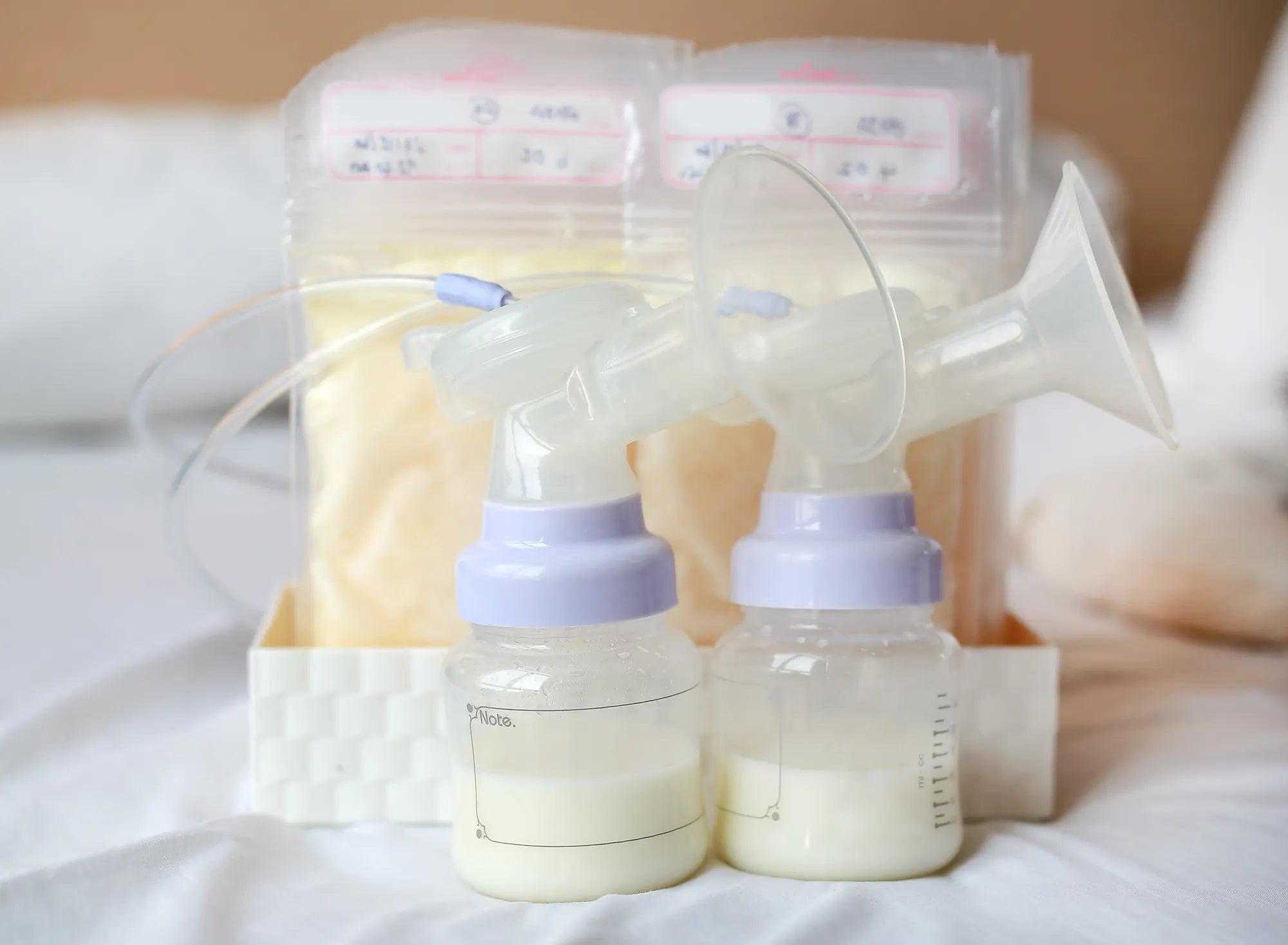
How to Size Nipple for Breast Pump: The Ultimate Guide for Comfort & Output
Why Correct Nipple Sizing is Non-Negotiable
Getting the right breast pump flange size is not a minor detail; it's the foundation of effective and comfortable pumping. An incorrect fit can derail your entire breastfeeding journey, leading to physical discomfort and suboptimal milk production. The flange is the tunnel that surrounds your nipple during pumping, and its diameter must match your nipple's size to function correctly.
Using a flange that is too large draws excess areolar tissue into the tunnel, causing friction, swelling, and significant pain. This can lead to cracked nipples, blisters, and even damage to milk ducts. Conversely, a flange that is too small constricts the nipple, restricting milk flow and causing painful rubbing against the tunnel walls. Both scenarios reduce milk output because the pump cannot effectively create the necessary vacuum seal and rhythm to stimulate let-down and drain the breast.
Beyond immediate pain, chronic use of the wrong size can contribute to long-term issues like recurrent clogged ducts, mastitis, and a decreased milk supply due to inefficient removal. Proper sizing ensures the pump works with your body's physiology, not against it. It allows for comfortable, efficient sessions that protect your nipple health and support your milk production goals, making it an essential first step for any pumping parent.
Step-by-Step Guide: How to Measure Your Nipple for a Breast Pump
Accurate measurement is simple but requires attention to detail. The goal is to measure the diameter of your nipple at its base, not the areola. You will need a flexible measuring tape or a ruler with millimeter markings. Many brands, including MomMed, offer printable nipple rulers for precise measurement.
First, prepare for measurement. It's best to measure after a pumping or feeding session, or after a warm shower, when your nipple is most relaxed and at its largest. Your nipple size can change throughout your breastfeeding journey and even during a session, so measuring post-stimulation gives the most accurate, functional size. Ensure your hands and any tools are clean.
To measure, gently place the ruler or tape across the widest part of the nipple base. Do not compress the tissue. Measure in millimeters. It's common for each breast to have a slightly different size, so measure both independently. Record the diameter. This number represents your nipple diameter, not your flange size.
To find your recommended flange size, add 0-4 mm to your nipple diameter. This creates the necessary space for the nipple to move freely without friction while preventing areola from being drawn in. For example, a 17 mm nipple typically needs a 19-21 mm flange. The following table provides a general guideline, but individual comfort is the final judge.
| Nipple Diameter (mm) | Recommended Flange Size (mm) | Notes |
|---|---|---|
| ≤ 16 | 17 - 19 | May require specialty or insert sizes. |
| 17 | 19 - 21 | Common starting point for many. |
| 18 - 19 | 21 - 24 | Often the "standard" size included with pumps. |
| 20 - 21 | 24 - 27 | Larger than standard; check pump compatibility. |
| ≥ 22 | 27+ | Likely requires a larger flange kit. |
MomMed’s Flange Solutions: Designed for a Perfect Fit
Understanding Our Flange Range
MomMed is committed to providing solutions that prioritize fit and comfort from the start. Our breast pumps, like the award-winning S21 Double Wearable Breast Pump, come with a range of flange sizes to accommodate different body types. We include multiple sizes—such as 21mm and 24mm—in our core kits, recognizing that a one-size-fits-all approach fails most pumping parents.
All MomMed flanges are crafted from soft, flexible, BPA-free, food-grade silicone. This material is gentle on sensitive skin and helps create a better seal without excessive rigidity. The contoured design aims to mimic a baby's latch, promoting a more natural and comfortable pumping rhythm. We design our products with the understanding that the right fit is the first step to a positive pumping experience.
The Advantage of Adjustable Modes and Customization
Selecting the correct flange size is step one; fine-tuning the pump settings is step two. MomMed pumps, including the S21 and S12 models, feature multiple stimulation and expression modes with adjustable suction levels. This technology allows for personalized comfort after the correct physical fit is achieved.
With a properly sized flange, you can use these modes effectively. You can start with a gentle, rapid stimulation mode to trigger let-down without causing pain on a constricted nipple. Then, switch to a slower, deeper expression mode that efficiently removes milk because the nipple can move freely in the correctly sized tunnel. The synergy of correct hardware (the flange) and customizable software (the pump settings) is what makes for an optimal, efficient, and comfortable session.
Common Sizing Pitfalls and How to Avoid Them
One of the most frequent mistakes is measuring the areola instead of the nipple. Remember, you are measuring the cylindrical part of the nipple itself, not the darker surrounding skin. Placing the ruler over the areola will give a dramatically larger number and lead to a flange that is far too big, causing the issues associated with an oversized fit.
Another pitfall is assuming your size is static. Your nipple size can and often does change over time—especially in the early postpartum weeks as engorgement subsides, or if your milk supply regulates. It's wise to re-measure every 4-8 weeks or after any significant change in your breastfeeding routine or milk supply. Ignoring this can mean you continue using a flange that no longer fits.
Many parents also try to endure the pain of a bad fit, believing some discomfort is "normal" with pumping. While initial adjustment is common, persistent pain, pinching, or blanching (whitening) of the nipple is a clear sign of an incorrect size. Similarly, if you see a significant amount of your areola being pulled into the flange tunnel, the size is too large. Listening to your body and observing these visual cues is crucial for troubleshooting.
Nipple Size vs. Flange Size: A Critical Distinction
It is vital to understand that your nipple measurement and your flange size are two different numbers. Your nipple diameter is a measurement of your body. Your flange size is the internal diameter of the pump part you need to purchase or select. As outlined in the sizing guide, the flange size is typically 2-4 mm larger than your nipple measurement to allow for movement and swelling during pumping.
Confusing these two numbers leads directly to an improper fit. If you have a 19 mm nipple and order a 19 mm flange, it will be too small and cause constriction. You would need a 21 mm or possibly a 24 mm flange. Always use your measured nipple diameter as a starting point to calculate the required flange size, using a reliable chart or consultation with a lactation professional.
When and How to Re-Measure Your Nipple Size
Your body undergoes continuous changes during postpartum and breastfeeding. Therefore, treating flange sizing as a one-time task is a mistake. You should plan to re-assess your fit periodically to ensure ongoing comfort and efficiency. This proactive approach prevents minor issues from becoming major problems.
Key moments to re-measure include: 1) 4-6 weeks postpartum, as initial engorgement decreases; 2) if you experience a significant increase or decrease in milk supply; 3) if you return to work or change your pumping frequency; 4) if you notice new pain, redness, or swelling; and 5) after the return of your menstrual cycle, as hormonal shifts can temporarily change tissue. Simply follow the same measurement process outlined earlier to check if your size has changed.
FAQ: Your Nipple Sizing Questions Answered
Q: How often should I re-measure my nipple size?
A: It's recommended to check your size every 4-8 weeks, or anytime you notice a change in comfort, pumping output, or your body (e.g., after weaning, return of period, or a change in pump schedule).
Q: What if my nipple measurement falls between two flange sizes?
A> Generally, it is safer to size up. A slightly larger flange (within the 2-4 mm rule) is often more comfortable than one that is too small and constricting. You can also consider silicone flange inserts to fine-tune the fit of a slightly oversized flange.
Q: Is it normal to need different flange sizes for each breast?
A> Yes, it is very common. Many people have asymmetrical breast or nipple sizes. Using correctly sized flanges for each side is best practice for comfort and efficient milk removal from both breasts.
Q: Can I use lubrication to make an ill-fitting flange more comfortable?
A> While nipple cream or coconut oil can reduce friction, it is a temporary fix and does not solve the core problem of an incorrect size. It will not prevent the issues of inefficient milk removal or tissue damage caused by a flange that is the wrong diameter.
Q: Do MomMed pumps come with multiple flange sizes?
A> Yes. MomMed understands the importance of fit. Our breast pump kits, like the S21 Wearable Pump, include multiple flange sizes (e.g., 21mm and 24mm) to give you a better starting point. We also offer additional flange sizes separately for further customization.
Empower Your Pumping Journey with the Right Fit
Mastering flange sizing is one of the most impactful skills you can develop for your pumping journey. It transforms pumping from a potentially painful chore into an efficient, comfortable part of your routine. The process—measuring accurately, selecting the right size, and listening to your body—is a direct investment in your breastfeeding success and physical well-being.
MomMed designs its products with this philosophy at the core. From our range of soft, BPA-free flange sizes to the customizable settings on our wearable and electric pumps, our goal is to provide the tools that empower you to find your perfect fit. When the hardware fits correctly, you can focus on what matters: nourishing your baby.
Take the time today to measure or re-measure. Your comfort and milk supply will thank you. For a complete system designed with a mom's real needs in mind, explore MomMed's collection of award-winning breast pumps and accessories. Shop the MomMed collection at mommed.com for all your breastfeeding and pregnancy needs.