


Startseite
Pregnancy, Breastfeeding, and Pumping: The Ultimate Guide for Moms
How to Pump Breast Milk Without Machine: A Comprehensive Guide to Mastering Hand Expression
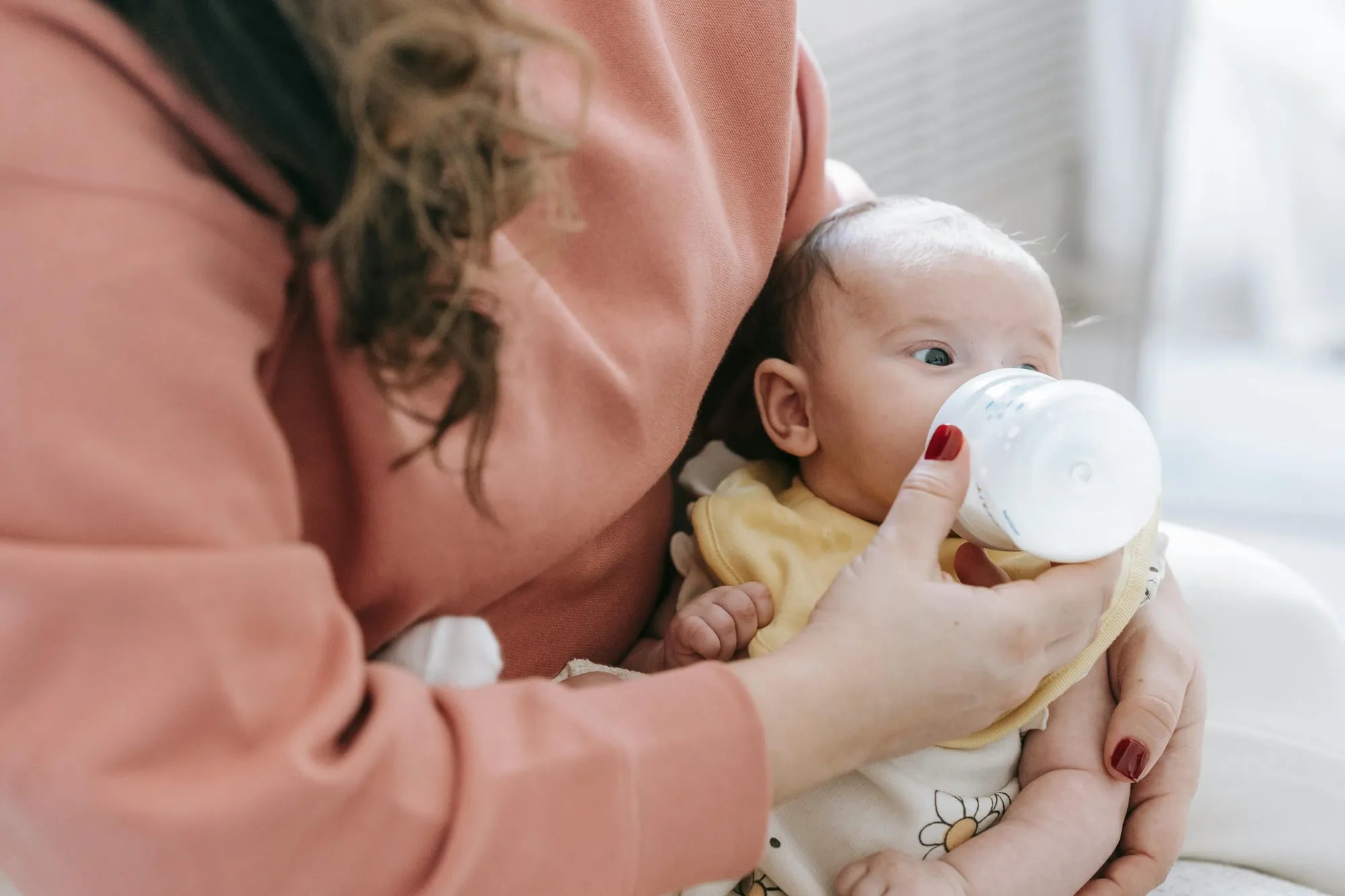
How to Pump Breast Milk Without Machine: A Comprehensive Guide to Mastering Hand Expression
Knowing how to pump breast milk without a machine is an essential, empowering skill for every breastfeeding parent. While electric and wearable pumps offer incredible convenience, hand expression provides a level of control, portability, and gentleness that machines cannot replicate. This comprehensive guide will walk you through everything from the fundamental techniques and unique benefits to practical applications and storage, equipping you with the knowledge to express milk effectively with your hands, anytime, anywhere.
Why Master Hand Expression? The Unmatched Benefits
Learning how to pump breast milk without a machine is about more than just a backup plan. It is a fundamental maternal skill with distinct advantages. First, it is completely cost-free and requires no equipment, making it accessible to everyone. There are no batteries to charge, parts to assemble, or machines to clean, offering unparalleled simplicity.
Second, hand expression is exceptionally effective for specific physiological needs. The gentle, customizable pressure of your own fingers is often superior for relieving severe engorgement or a clogged duct, as you can precisely target the affected area. It is also the gold-standard method for collecting thick, precious colostrum in the first few days after birth, when a pump may be less effective.
Furthermore, the skin-to-skin contact and rhythmic motion of hand expression can boost oxytocin levels more effectively than a machine for some people, potentially improving milk ejection reflexes. It teaches you about your own breast anatomy and milk flow in a way that using a pump does not, fostering a deeper connection to your body's feeding process.
The Step-by-Step Guide: Mastering the Marmet Technique
The most widely recommended method for learning how to pump breast milk without a machine is the Marmet Technique, developed by Chele Marmet. This method maximizes milk removal while protecting breast tissue. Follow these steps carefully.
Preparation and Positioning
Begin by washing your hands thoroughly. Find a comfortable, relaxed position in a quiet space. Have a clean collection container with a wide opening ready—a sterile medicine cup, bowl, or breast milk storage bottle works well. Gently massage your breast for a minute or two, using warm compresses if desired, to stimulate let-down.
The Fundamental Hand Placement (C-Hold)
Form a "C" shape with your thumb and fingers. Your thumb should be placed on top of your breast, about 1 to 1.5 inches back from the base of your nipple. Your index and middle fingers should mirror the thumb on the underside of your breast. Your fingers are not on the areola, but on the breast tissue behind it, where the milk ducts reside.
The Press, Compress, Release Rhythm
This is the core action. First, press your thumb and fingers straight back toward your chest wall. Second, compress your fingers together, rolling them forward slightly to express the milk. Finally, release the pressure completely to allow the ducts to refill. Repeat this press-compress-release rhythm in a steady, rolling motion, not a sliding motion that can cause friction.
Rotating and Switching Sides
After expressing from one position for a while, rotate your hand around the breast to target different milk ducts—think of the positions on a clock face. Express from each breast for about 5-7 minutes before switching to the other, then return for a second round. Drops will turn into streams as your let-down is triggered.
Finding Your Rhythm: Timing, Frequency, and Output Expectations
Integrating hand expression successfully requires realistic expectations and a sustainable routine. In the early postpartum days, your goal is stimulation and colostrum collection. Hand express for 5-10 minutes after or between nursing sessions, aiming for small, syringable amounts that are incredibly valuable for your newborn.
Once your milk supply is established, you can use hand expression to build a stash or relieve fullness. A common strategy is to hand express for a few minutes after your baby finishes nursing or after using an electric pump to fully drain the breast. This "hands-on pumping" technique is proven to increase total milk volume and fat content.
Regarding output, volumes vary widely. Early on, you may collect only teaspoons. Later, a 10-15 minute hand expression session might yield 1-3 ounces total, though some parents can express more. The key is consistency and technique, not comparing your hand-expressed volume to a powerful electric pump's output in the same timeframe.
Hand Expression vs. Manual Pumps: A Practical Comparison
When considering how to pump breast milk without an electric machine, you have two primary options: pure hand expression or using a manual (hand-operated) breast pump. The choice depends on your needs. The following table outlines the key differences.
| Feature | Hand Expression | Manual Breast Pump (e.g., MomMed Manual Pump) |
|---|---|---|
| Cost | Free | Moderate one-time purchase |
| Portability | Ultimate - nothing to carry | High - compact and lightweight |
| Learning Curve | Requires practice to master technique | Generally easier to learn quickly |
| Efficiency for Regular Use | Can be tiring for hands; slower for full emptying | More efficient for full expression sessions; less hand fatigue |
| Best For | Engorgement relief, colostrum, occasional use, travel without gear | Building a milk stash, occasional pumping when away from baby, backup to electric pump |
| Control & Gentleness | Maximum control; can be very gentle on sore tissue | Good control via hand-squeezed suction; may require proper flange fit |
A manual pump like the MomMed Manual Pump offers a helpful middle ground. It uses your hand to create suction, which can be more efficient for a full pumping session than pure hand expression for many, while still being silent and portable. It's an excellent tool to have alongside your knowledge of hand expression.
When Hand Expression Is Your Best Tool: Key Applications
Specific scenarios highlight why mastering how to pump breast milk without a machine is so crucial. In the immediate postpartum period, hand expression is the preferred method for harvesting colostrum, which is often too thick to be effectively pulled by a pump and is vital for babies in the NICU or those with latching difficulties.
For sudden and painful engorgement or a clogged duct, the targeted pressure of your fingers is invaluable. You can apply warm compresses and then gently massage and express from behind the clog toward the nipple, often resolving the issue more effectively than a pump alone. It is also perfect for travel, eliminating worries about power outlets, adapters, or carrying bulky equipment.
Hand expression shines when your baby is struggling to latch on a very full breast. Expressing just enough milk to soften the areola can make latching significantly easier. Finally, it serves as an excellent supplement to electric pumping. Using "hands-on pumping"—massaging and compressing the breast while the pump is running—can significantly increase output, as recommended by many lactation consultants.
Storing Your Hand-Expressed Milk Safely
Proper handling is critical after you successfully pump breast milk without a machine. Always express into a clean container dedicated for food use. Glass or hard BPA-free plastic bottles or specially designed milk storage bags are ideal. Label the container immediately with the date and time of expression.
Follow standard milk storage guidelines rigorously. Freshly expressed milk can be kept at room temperature (up to 77°F) for up to 4 hours, in the refrigerator for up to 4 days, and in a freezer for 6-12 months for optimal quality. When freezing, leave some space at the top of the container for expansion. Thaw frozen milk gradually in the refrigerator or by placing the container in warm water; never microwave it, as this destroys nutrients and creates hot spots.
FAQ: Your Hand Expression Questions Answered
Q: How long will it take to get good at hand expression?
A: Like any skill, it requires practice. Don't be discouraged if you get only drops initially. With consistent practice over several days, your technique and comfort will improve, and output will typically increase.
Q: My hands and wrists get tired and sore. What can I do?
A> This is common. Ensure you are using the correct press-compress-release motion rather than a squeezing or pulling motion that strains muscles. Take frequent breaks, switch hands, and gently stretch your wrists and fingers. Consider a manual pump for longer sessions.
Q: Can I combine hand expression with my electric pump sessions?
A> Absolutely. This "hands-on pumping" technique is highly effective. Use the electric pump to initiate let-down, then pause, massage your breasts, and use hand expression for a few minutes before resuming pumping. This combination often yields more milk.
Q: Is hand-expressed milk nutritionally different from pump-expressed milk?
A> No. The nutritional and immunological properties of your milk are the same regardless of the expression method. Hand expression, by being so gentle, may even help preserve more live cells in the milk.
Q: When should I absolutely use a pump instead?
A> If you are exclusively pumping and need to maintain a full supply or express large volumes multiple times a day, an efficient electric or wearable pump (like the MomMed S21) is more sustainable. Also, if hand pain or conditions like arthritis make hand expression difficult, a pump is a better primary tool.
Empowering Your Feeding Journey with Knowledge and Choice
Mastering how to pump breast milk without a machine through hand expression grants you autonomy and resilience. It is a timeless skill that connects you to your body's capabilities and ensures you can nourish your baby under virtually any circumstance. Whether used alone for relief and occasional expression or in tandem with pumping to maximize output, it is an indispensable part of a holistic breastfeeding toolkit.
At MomMed, we support every facet of your journey. While we champion the empowerment of hand expression, we also design products for when convenience and efficiency are paramount. Our award-winning S21 Double Wearable Breast Pump offers discreet, hands-free pumping freedom, while our manual pump provides a quiet, effective middle ground. No matter your choice—hands, manual, or electric—you are providing your baby with liquid gold. Shop the MomMed collection at mommed.com for all your breastfeeding and pregnancy needs, from comfortable, BPA-free pumps to reliable pregnancy tests and essential baby care products.