


Startseite
Pregnancy, Breastfeeding, and Pumping: The Ultimate Guide for Moms
How to Pump Breast Milk Using Hand: A Comprehensive Guide for Every Parent
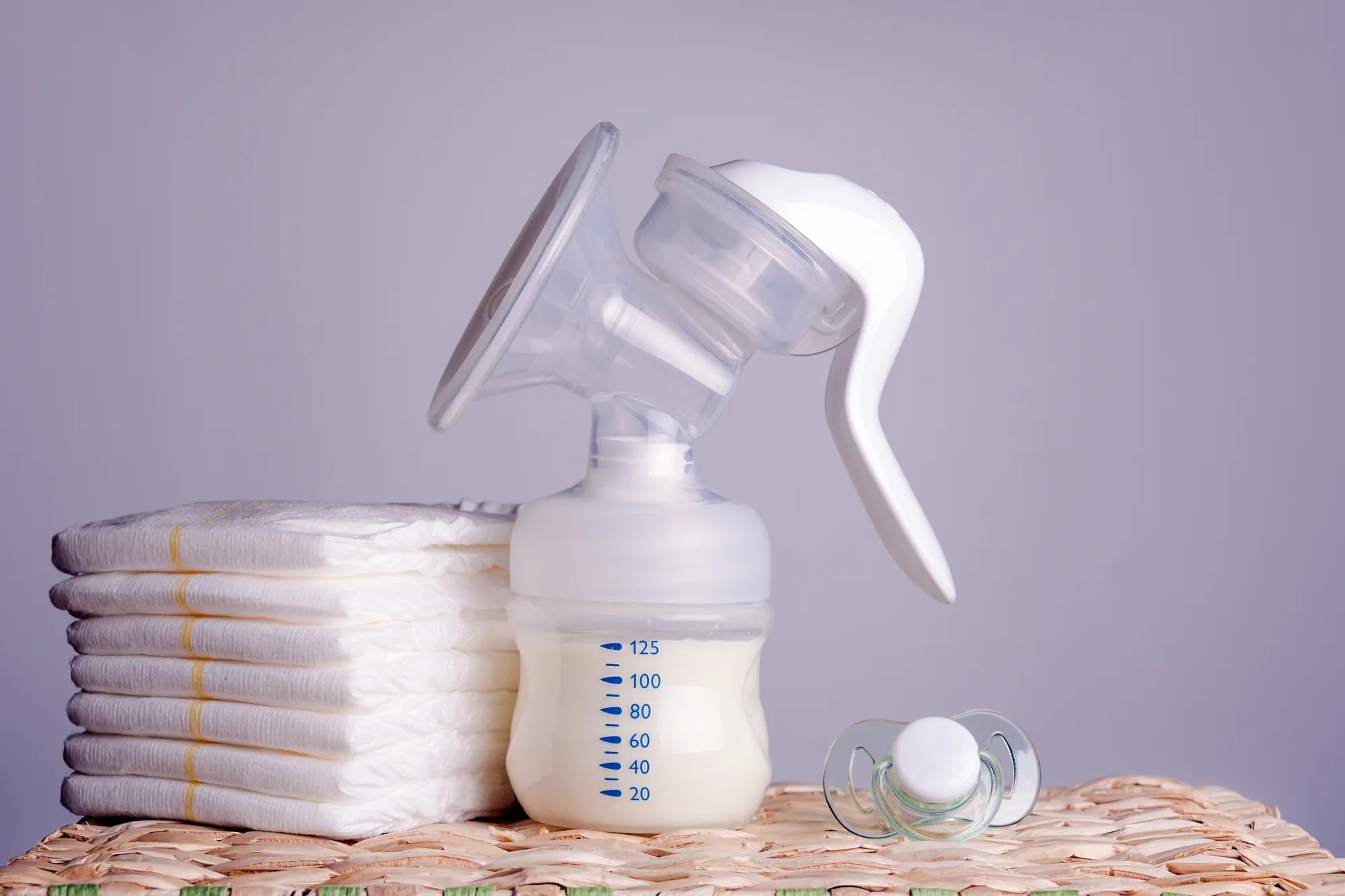
How to Pump Breast Milk Using Hand: A Comprehensive Guide for Every Parent
Introduction: Embracing the Power of Your Hands
Learning how to pump breast milk using hand is one of the most empowering skills a breastfeeding parent can master. This technique, known as hand expression, is a fundamental, cost-free, and always-available method to manage your milk supply. It serves as a perfect complement to modern wearable pumps, offering ultimate flexibility and control.
This comprehensive guide will walk you through every step, from the basic Marmet technique to advanced tips for maximizing output. You'll learn why this skill is crucial, how to perform it correctly, and how to integrate it seamlessly with products like MomMed's wearable breast pumps for a confident, adaptable feeding routine.
Why Learn Hand Expression? Key Benefits Beyond the Pump
Understanding how to pump breast milk using hand provides a safety net and a tool for numerous specific scenarios. It is not just a backup plan; it's a proactive strategy for a smoother breastfeeding experience.
In the first few days postpartum, hand expression is the gentlest and most effective way to collect nutrient-rich colostrum for your newborn, often before your mature milk comes in. It is invaluable for relieving painful engorgement or plugged ducts by softening the areola before latching your baby, making feeding much more comfortable.
Hand expression is also your go-to solution during power outages, when you forget pump parts, or while traveling light. Furthermore, using your hands for a minute or two before attaching an electric pump can effectively stimulate let-down, leading to more efficient pumping sessions with higher output.
Preparing for Success: Your Hand Expression Toolkit
One of the beauties of hand expression is its simplicity. Your primary tools are your own hands, but a few items will make the process smoother and more hygienic.
Start with impeccably clean hands and short nails to avoid scratching sensitive breast tissue. Have a clean, wide-mouthed container ready. A sterile collection bottle, like the BPA-free bottles that come with MomMed breast pumps, is ideal because they are designed for milk storage and easy to hold.
Consider taking a warm shower or applying a warm compress to your breasts for 5-10 minutes before you begin. Heat helps promote milk flow and relaxation. Find a quiet, comfortable place to sit upright, and have a towel nearby for any drips. A glass of water within reach is also a good idea to stay hydrated.
The Step-by-Step Guide to Hand Expression Technique
The gold standard for how to pump breast milk using hand is the Marmet Technique, developed by Chele Marmet of the Lactation Institute. This method mimics a baby's suckling by compressing the milk ducts without pulling or sliding on the skin.
Step 1: Find Your Spot and Get Comfortable
Position your thumb and first two fingers about 1 to 1.5 inches back from the base of your nipple, forming a letter "C." Your thumb should be on top of the breast and your fingers below. Ensure you are not pinching the nipple itself. You are aiming to compress the milk reservoirs (sinuses) located beneath the areola.
Lean forward slightly over your container. Relax your shoulders, take a deep breath, and gently massage your breast in a circular motion for a minute to stimulate let-down.
Step 2: The Compress-Roll-Release Motion
This is the core action. First, press your thumb and fingers straight back toward your chest wall. You are now positioned over the milk ducts.
Next, compress your fingers together, rolling them forward in a smooth motion to express the milk from the ducts out through the nipple. Finally, release the pressure completely without sliding your fingers on the skin. The rhythm is: press back, compress and roll forward, release. Repeat this motion rhythmically.
Step 3: Working Around the Breast and Switching Sides
Milk ducts are located all around the breast. After expressing from one position for several minutes, rotate your hand placement around the areola—like moving the hands of a clock—to drain different ductal areas.
It's often effective to switch breasts every 5-7 minutes. The let-down reflex often happens in both breasts simultaneously, so switching can help maintain the flow. A full session of hand expression for both breasts may take 20-30 minutes initially.
Maximizing Output: Tips for an Effective Session
To get the most milk when you pump breast milk using hand, a few expert strategies can make a significant difference. Always start with a gentle breast massage, using your knuckles or palms in downward strokes toward the nipple, to help move milk from the back of the breast forward.
Visualize your baby, look at a photo, or smell an item of their clothing. This psychological trigger can powerfully stimulate oxytocin release and let-down. If you plan to store the milk, express directly into a pre-chilled bottle or storage bag placed in a bowl of ice water to cool it rapidly.
For parents who also use electric pumps, try hand expressing for 2-3 minutes first to trigger let-down, then attach your pump. This "prime the pump" method is highly effective and is a perfect way to use hand expression in tandem with a MomMed wearable pump for maximum efficiency and drainage.
Hand Expression vs. Manual Pump vs. Electric Pump: When to Use What
Each milk removal tool has its ideal use case. The following table compares the key features to help you decide the best tool for your situation.
| Feature | Hand Expression | Manual (Handheld) Pump | Electric/Wearable Pump (e.g., MomMed S21) |
|---|---|---|---|
| Cost | Free | Low to Moderate | Higher Investment |
| Portability & Setup | Ultimate; no equipment | Highly portable; requires assembly | Portable (wearable); requires charging/parts |
| Control & Gentleness | High tactile control, very gentle | Moderate control; can cause hand fatigue | Programmable settings; designed for comfort |
| Efficiency & Speed | Slower, requires practice | Moderate speed, one breast at a time | Fast, efficient, often double-sided |
| Best For | Engorgement relief, colostrum, emergencies, triggering let-down | Occasional use, on-the-go single sessions | Regular pumping, building/maintaining supply, multitasking, full drainage |
A skilled breastfeeding parent will have all these tools in their arsenal, using hand expression for its unique benefits and a reliable electric pump like MomMed's for consistent, efficient milk removal.
Storing Your Hand-Expressed Milk Safely
Milk obtained through hand expression is identical in nutritional and immunological quality to milk expressed with a pump. Follow these evidence-based guidelines from the CDC and Academy of Breastfeeding Medicine for safe storage.
- Room Temperature (up to 77°F/25°C): 4 hours is ideal, up to 6-8 hours if very cleanly expressed.
- Refrigerator (39°F/4°C or below): Up to 4 days. Store in the back, not the door.
- Freezer (0°F/-18°C or below): 6 months is best, up to 12 months is acceptable.
Always use sterile, food-grade containers. Label every container with the date and time of expression. Practice the "cool to combine" rule: cool freshly expressed milk in the refrigerator for about 30 minutes before adding it to an already chilled container of milk from the same day.
Troubleshooting Common Hand Expression Challenges
If you're struggling as you learn how to pump breast milk using hand, you're not alone. Here are solutions to frequent issues.
"No milk comes out, just drops." Be patient. Ensure you are pressing back deeply enough toward your chest wall before compressing. Give yourself time—let-down can take several minutes. Use warmth and relaxation techniques first.
Sore hands or wrists. This often indicates incorrect technique. You should not be squeezing with your fingertips or pulling the nipple. The motion comes from the base of your fingers and thumb, rolling forward. Take frequent breaks and stretch your hands.
Skin irritation or redness. Avoid sliding your fingers on the skin during the release phase. You can apply a few drops of your own expressed breast milk to the area as a natural moisturizer and healer. Ensure your hands and nails are smooth.
Managing a slow drip vs. a spray. Both are normal. A spray typically indicates an active let-down. If you only get drips, revisit your massage and relaxation steps to trigger let-down before resuming expression.
Frequently Asked Questions (FAQs)
Q: How long does it take to hand express a full feeding?
A: Hand expression is inherently slower than using an efficient electric pump. Initially, a complete session for both breasts may take 20-30 minutes. With practice, you may become faster, but it's generally used for specific relief or smaller volumes rather than replacing full feedings regularly.
Q: Can I hand express if I have an oversupply?
A: Yes, but with caution. Hand express only to the point of comfort to relieve engorgement or soften the breast for latching. Avoid fully draining the breast multiple times a day, as this signals your body to produce even more milk, potentially worsening oversupply.
Q: Is hand-expressed milk different from pump-expressed milk?
A: No. Scientifically, the composition—including calories, fat, antibodies, and living cells—is the same. The method of removal does not alter the nutritional or immunological properties of your breast milk.
Q: Can I combine hand-expressed milk from different sessions in one container?
A: Yes, following the "cool to combine" rule. Always cool the newly expressed milk in the refrigerator for about 30 minutes before pouring it into a container of milk that is already chilled from a previous session within the same 24-hour period. This prevents warming the older milk, which could encourage bacterial growth.
Q: Will hand expression help increase my milk supply?
A> Absolutely. Frequent and effective milk removal is the primary driver of milk production. Using hand expression after nursing or pumping sessions can provide additional stimulation and ensure thorough drainage, both of which signal your body to make more milk.
Your Hands, Your Confidence, Your Journey
Mastering how to pump breast milk using hand is a profound step toward feeding autonomy. It equips you with a gentle, always-accessible skill to navigate engorgement, collect life-giving colostrum, and support your milk supply on your terms. This knowledge empowers you to feed your baby, no matter the circumstance.
Pair this timeless technique with modern innovation for a seamless experience. A wearable pump like the MomMed S21 offers discreet, efficient pumping for your busiest days, while hand expression provides the foundational control for your most tender moments. Together, they create a complete toolkit for a confident and flexible breastfeeding journey.
Shop the MomMed collection at mommed.com for all your breastfeeding and pregnancy needs, from award-winning wearable pumps to BPA-free storage solutions, and embrace every part of your unique feeding story with confidence and support.