


Startseite
Pregnancy, Breastfeeding, and Pumping: The Ultimate Guide for Moms
How to Pick a Breast Pump: A Comprehensive Guide for New Moms
How to Pick a Breast Pump: A Comprehensive Guide for New Moms
Your Breastfeeding Journey Starts Here
Choosing a breast pump is one of the most significant equipment decisions you'll make as a new or expecting mom. It's a deeply personal choice that intersects with your body, your baby's needs, and the realities of your daily life. The right pump can be a lifeline, offering flexibility, supporting your milk supply, and providing crucial comfort.
This guide is designed to cut through the overwhelm. We'll move beyond marketing buzzwords to the core factors that matter: performance, comfort, and compatibility with your lifestyle. Our goal is to equip you with a clear, actionable framework so you can make an informed, confident decision. Let's begin by understanding the fundamental question that will guide every other choice.
Understanding Your Pumping "Why": Lifestyle & Needs Assessment
Before comparing models, define your primary reason for pumping. This "why" is the single biggest predictor of which pump type will serve you best. Are you planning to return to a busy office? Your needs differ from a mom who pumps occasionally for a date night.
A clear purpose helps filter options. For instance, a mom exclusively pumping needs a highly efficient, durable double electric pump as her primary workhorse. In contrast, a mom who breastfeeds directly but needs a bottle for one feeding a day might prioritize a simple, single electric or even a manual pump.
The Pump Type Breakdown: From Hospital-Grade to Manual
Breast pumps fall into distinct categories, each with ideal use cases. Understanding this landscape is the first step in narrowing your search.
- Double Electric Pumps: The standard for frequent pumping. They express from both breasts simultaneously, cutting pumping time in half and often yielding more milk due to increased prolactin response. Ideal for: moms returning to work, exclusive pumpers, and those building a freezer stash.
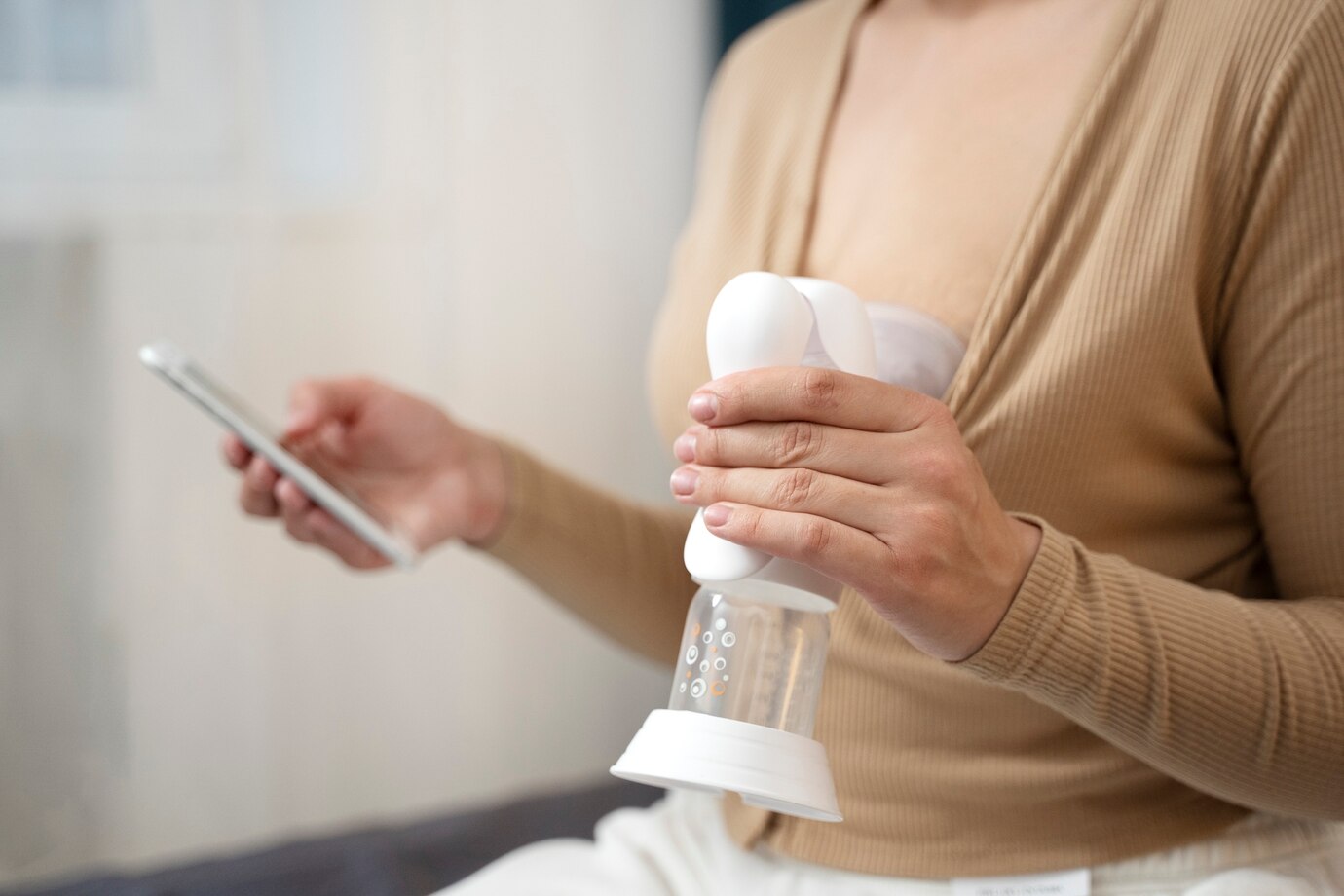
- Wearable Pumps: A revolutionary category featuring compact, cordless motors that fit inside your bra. They offer unparalleled discretion and hands-free mobility. Ideal for: on-the-go pumping, multitasking moms, and those seeking discretion at work or in public.
- Single Electric Pumps: Express milk from one breast at a time. They are more portable than most double electrics but less time-efficient. Ideal for: occasional pumping or as a secondary, travel-friendly pump.
- Manual Pumps: Operated by hand, offering complete portability and silence. They require more physical effort and are less efficient at milk removal. Ideal for: emergency backup, very occasional use, or relieving engorgement quickly.
- Hospital-Grade Rentals: These are powerful, multi-user pumps designed for establishing milk supply, often used in NICU situations. They are not typically purchased for personal long-term use. Ideal for: mothers of premature infants or those working to significantly increase low supply under guidance.
Key Features to Consider: Beyond the Basics
Once you've identified your likely pump type, it's time to dive into the specifications that dictate real-world performance. These features directly impact your comfort, efficiency, and long-term satisfaction.
Comfort & Efficiency: Suction, Cycles, and Fit
Effective pumping isn't about maximum suction; it's about mimicking a baby's natural nursing pattern. Look for pumps with adjustable suction strength (the vacuum pressure) and adjustable cycle speed (the rhythm of suck-and-release).
Most quality pumps offer a two-phase expression technology: a rapid, lighter stimulation mode to trigger let-down, followed by a slower, deeper expression mode. The ability to customize these settings is key to comfortable, productive sessions.
Flange fit is non-negotiable for comfort and output. The flange (or breast shield) is the tunnel that fits over your nipple. A flange that is too small or too large can cause pain, nipple damage, and reduced milk flow. Many moms need a size different from the standard 24mm or 27mm included. Brands like MomMed provide detailed sizing guides and often offer accessory kits with multiple flange sizes.
Portability & Discretion: Designing for Your Life
Your pump should adapt to your life, not the other way around. Key portability factors include:
- Power Source: Battery-operated (especially rechargeable lithium-ion) and wearable pumps offer true freedom from outlets.
- Size & Weight: A traditional double electric pump with a tote is bulkier than a wearable model that fits in a purse.
- Noise Level: Measured in decibels (dB). A quieter pump (below 45 dB is considered very quiet) is essential for pumping at work, in shared spaces, or near a sleeping baby.
- Assembly & Cleaning: Fewer parts mean faster setup and cleanup. Consider if parts are dishwasher-safe (top rack).
Wearable pumps excel in this category, allowing you to pump discreetly under clothing while caring for an older child, working, or simply moving freely.
The MomMed Difference: Innovation for the Modern Mom
At MomMed, we design products that solve real problems for modern mothers. Our philosophy centers on combining hospital-grade performance with the comfort and freedom today's moms deserve. Every product, from our pregnancy tests to our breast pumps, is crafted with safety, reliability, and innovation in mind.
Award-Winning Performance Meets Unmatched Comfort
Our flagship S21 Double Wearable Breast Pump embodies this mission. Its award-winning design features a hospital-grade, ultra-quiet motor (under 40 dB) that delivers powerful, efficient milk removal. With multiple suction levels and cycle modes, you can find your perfect, comfortable rhythm.
All parts that contact breast milk are made from BPA-free, food-grade silicone, ensuring the highest safety standard for your baby. The closed-system design prevents milk from backing into the tubing and motor, making it more hygienic and durable. This thoughtful engineering provides the effective performance you need with the gentle comfort you want.
Why Wearable? The Freedom to Pump Anywhere
The wearable pump category, led by models like the MomMed S21, represents a paradigm shift. It addresses the psychological and physical constraint of being "tethered" to a wall. The ability to pump hands-free means you can:
- Prepare a meal or help with homework while pumping.
- Participate in a work video call discreetly.
- Comfort your baby without interrupting your session.
- Leave the house without planning your schedule around outlet access.
This freedom can reduce pumping-related stress and make maintaining your milk supply more sustainable, especially for busy, multitasking moms.
Making Your Final Decision: A Practical Checklist
Use this checklist to evaluate your top contenders. Print it out and score each pump you're considering.
| Consideration | Questions to Ask | Notes/Score |
|---|---|---|
| Primary Use Case | Does it match my main "why" (work, exclusive pumping, occasional use)? | |
| Insurance Coverage | In the U.S., does my ACA-compliant plan cover this model or type? | |
| Performance & Comfort | Does it have adjustable suction/cycle? Multiple modes? Is the flange size range adequate? | |
| Portability | Is it battery-powered/wearable? What is the noise level? How many parts? | |
| Hygiene & Safety | Is it a closed system? Are materials BPA-free? | |
| Budget & Value | What's the total cost (pump + necessary accessories)? What is the warranty length? | |
| Support & Parts | Is customer support accessible? Are replacement parts easy to find and affordable? |
Frequently Asked Questions (FAQs)
Q: Can I use a wearable pump as my primary, everyday pump?
A: Absolutely. Modern, advanced wearable pumps like the MomMed S21 are engineered with hospital-grade motors designed for full-time pumping efficiency. Many mothers use them as their sole pump, enjoying the same output as traditional pumps but with greater convenience.
Q: How do I know if my flange is the right size?
A: Your nipple should move freely in the tunnel without rubbing the sides, and only a small amount of areola should be pulled in. After pumping, your nipple should not be blanched (white), compressed, or painful. A lactation consultant can provide the most accurate measurement. MomMed and other brands offer printable sizing guides and flange kits to help you find your fit.
Q: What's the real difference between a "closed-system" and an "open-system" pump?
A: A closed-system pump has a protective barrier or membrane between the milk collection kit and the pump's motor and tubing. This prevents milk, moisture, and mold from entering the internal mechanics, making it more hygienic, easier to clean, and longer-lasting. All MomMed pumps are closed system. An open-system pump lacks this barrier, which can lead to milk backing into the tubing, posing hygiene and maintenance challenges.
Q: How often should I replace pump parts like valves and membranes?
A: For optimal suction and hygiene, replace soft parts like duckbill valves, backflow protectors, and silicone membranes every 1-3 months, depending on use. Signs you need a replacement include loss of suction, slower pumping times, or visible wear and tear. Using worn parts can reduce milk output and efficiency.
Q: I'm struggling with low milk supply. Will a certain type of pump help?
A: While a pump itself doesn't create supply (frequent, effective milk removal does), a high-quality double electric pump with adjustable settings is recommended. It allows for "power pumping" (simulating cluster feeding) and efficient double pumping, which can help signal your body to produce more. Always consult an IBCLC (International Board Certified Lactation Consultant) for a personalized plan to address supply concerns.
Conclusion: Empowering Your Choice with Confidence
Selecting a breast pump is an investment in your breastfeeding journey and your well-being. The "best" pump isn't a universal model; it's the one that aligns seamlessly with your body's response, your baby's needs, and the rhythm of your daily life. By methodically assessing your lifestyle, understanding key features, and prioritizing comfort and efficiency, you move from feeling overwhelmed to feeling empowered.
Trust the process you've just undertaken. Your research and careful consideration are the first steps in a journey of nurturing, both for your baby and for yourself. Remember, tools like a reliable, comfortable breast pump are here to support you, offering flexibility and freedom as you navigate motherhood.
Ready to find the pump designed for your modern life? Shop the MomMed collection at mommed.com for all your breastfeeding and pregnancy needs. Explore our award-winning S21 Wearable Pump, essential accessories, and trusted baby care products, all designed to support you with innovation and care every step of the way.