


Startseite
Pregnancy, Breastfeeding, and Pumping: The Ultimate Guide for Moms
How to Lose Weight While Breast Pumping: Your Safe & Effective Guide
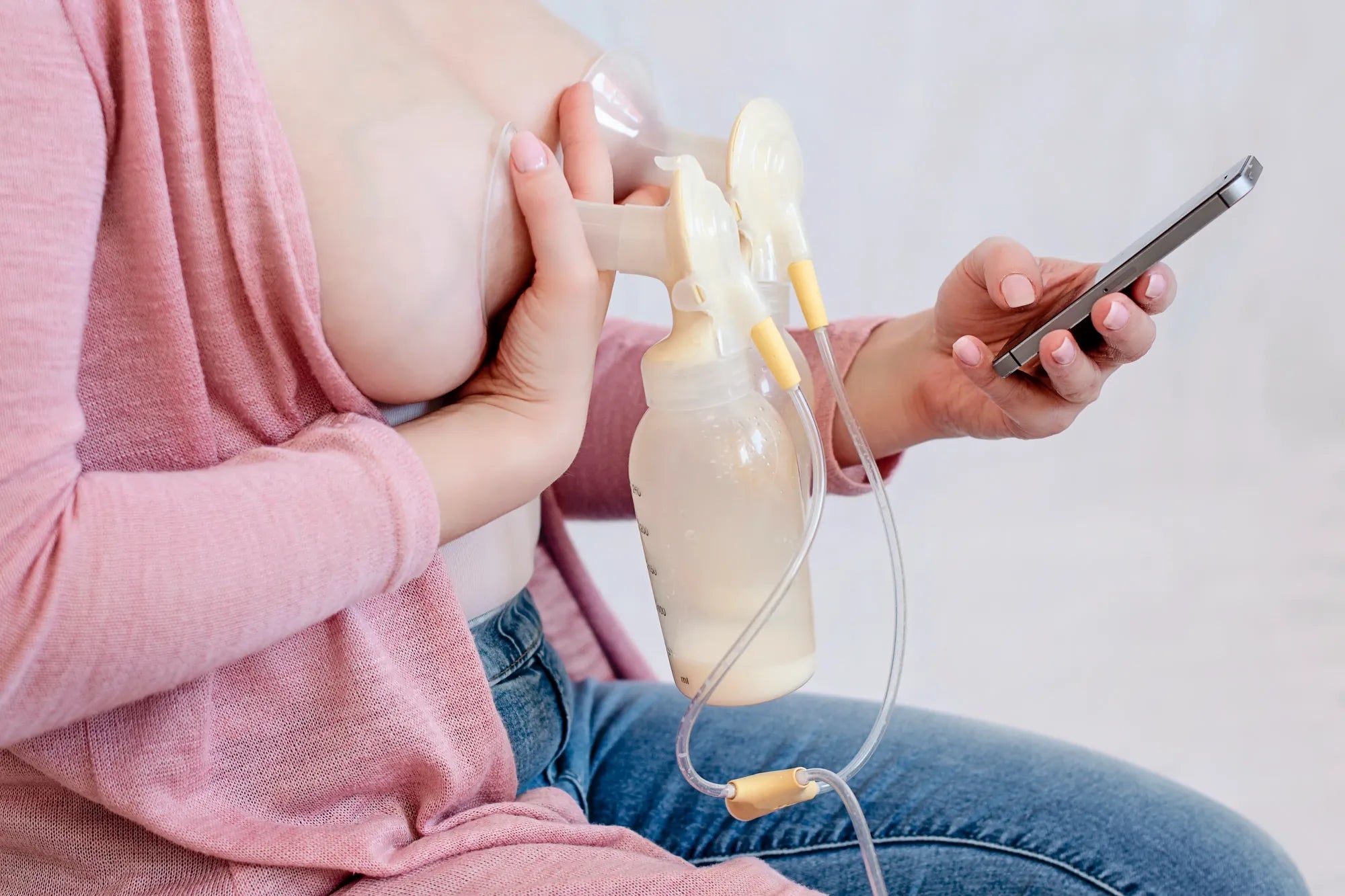
How to Lose Weight While Breast Pumping: Your Safe & Effective Guide
Balancing postpartum weight loss with the demands of breast pumping can feel like a high-wire act. You're nourishing your baby, healing your body, and likely eager to feel like yourself again. The good news is that with the right approach, you can support healthy weight management while maintaining a robust milk supply. This guide provides a science-backed, practical roadmap for your journey, focusing on sustainable health rather than rapid, restrictive measures.
Understanding Your Postpartum Body and Milk Supply
The postpartum period is a unique physiological state, not a problem to be solved. Hormones like prolactin and oxytocin, essential for milk production and bonding, also influence your metabolism and appetite. It's crucial to understand that your body is prioritizing milk production, which requires significant energy.
Producing breast milk burns an estimated 300 to 500 extra calories per day. This metabolic demand is why severe calorie restriction is counterproductive; it signals to your body that resources are scarce, potentially leading to a drop in milk supply. Your body's healing timeline—from uterine involution to pelvic floor recovery—deserves precedence. Viewing weight loss as a gradual process aligned with this healing, typically starting 6-8 weeks postpartum with your healthcare provider's clearance, sets a foundation for long-term success.
Furthermore, the fat stores accumulated during pregnancy are, in part, nature's design to fuel lactation. A slow, steady release of this stored energy is ideal for both you and your baby. Patience during this phase is not a lack of discipline but a strategic alignment with your body's biological wisdom.
Foundational Principles for Healthy Weight Management
Safe and effective weight loss while pumping is built on non-negotiable, sustainable habits. These pillars support milk production, energy levels, and overall well-being, creating a positive cycle of health.
Prioritizing Nutrient-Dense Nutrition
Focus on what to add to your plate, not just what to remove. Your body needs high-quality fuel to recover and produce milk. Aim for a balanced intake of lean proteins (chicken, fish, beans, lentils) for repair and satiety, complex carbohydrates (oats, quinoa, sweet potatoes) for sustained energy, healthy fats (avocado, nuts, olive oil) for hormone production, and a wide variety of fruits and vegetables for essential vitamins, minerals, and antioxidants.
Simple, practical meals can make this manageable. Think oatmeal topped with berries and nuts for breakfast, a large salad with grilled chicken or chickpeas for lunch, and salmon with roasted vegetables and quinoa for dinner. Preparing hard-boiled eggs, yogurt cups, and cut-up veggies for snacks ensures you have healthy options during hungry moments.
The Critical Role of Hydration
Hydration is paramount. Dehydration can often mimic feelings of hunger, sap your energy, and may impact milk volume. As a pumping mom, your fluid needs are increased. A good rule of thumb is to drink a glass of water every time you pump or nurse.
Carry a large water bottle with you throughout the day. If plain water is unappealing, try infusing it with cucumber, lemon, or mint. Soups, broths, and water-rich fruits like watermelon also contribute to your fluid intake. Monitoring the color of your urine (aim for pale yellow) is a simple way to check your hydration status.
Incorporating Gentle, Progressive Movement
Exercise should be reintroduced gently and only after receiving clearance from your doctor or midwife, usually at your 6-week postpartum checkup. Initial focus should be on rehabilitating your core and pelvic floor, which have been through significant strain.
Start with short walks, gradually increasing duration. Pelvic tilts, gentle Kegels, and deep breathing exercises are excellent foundations. As you feel stronger, incorporate low-impact strength training with bodyweight or light resistance bands. The goal is not high-intensity workouts but consistent movement that builds strength, boosts mood, and supports metabolism without causing excessive fatigue or impacting milk supply. Always listen to your body and stop if you experience pain.
Strategies to Support Your Goals While Pumping
Integrating smart habits into your pumping routine can make healthy living feel seamless, not like another chore on your endless list.
Smart Snacking for Pumping Sessions
Pumping sessions are an ideal time to refuel. Prepare one-handed, nutrient-rich snacks to have at your pumping station. This stabilizes blood sugar, provides energy for milk production, and prevents ravenous hunger that can lead to less healthy choices later.
Excellent options include a handful of almonds and an apple, a slice of whole-grain toast with nut butter, Greek yogurt, or a pre-made smoothie. Having these snacks ready turns pumping time into dedicated nourishing time for you both.
Meal Planning and Prep for Busy Moms
When you're exhausted and busy, convenience wins. Make healthy eating the easy choice by planning ahead. Dedicate an hour or two on the weekend to batch-cook staples: grill chicken breasts, cook a large pot of quinoa or brown rice, roast a tray of mixed vegetables, and wash and chop fruits.
Use tools like a slow cooker or instant pot for hands-off meals like soups and stews. Assemble smoothie packs with frozen fruit and spinach to simply blend with milk or yogurt. This upfront investment of time saves decision-making fatigue and prevents resorting to takeout on tough days.
Understanding the "Pumping Hunger" and Mindful Eating
The intense hunger many moms feel while pumping or nursing is real and physiologically driven. Honoring it with healthy food is key. Practicing mindful eating can help you connect with your body's signals.
Before reaching for a snack, pause and ask if you are truly hungry or perhaps thirsty, tired, or stressed. Eat slowly, without screens, and savor your food. This practice helps you recognize satiety cues, enjoy your meals more, and develop a healthier relationship with food during this metabolically active time.
Products and Tools That Can Help
The right equipment can be a game-changer, reducing stress and creating space for healthy habits. As a trusted maternal and baby care brand, MomMed specializes in innovative products designed to support moms through this journey.
The Freedom of Hands-Free Pumping
Wearable pumps like the award-winning MomMed S21 Double Wearable Breast Pump offer unparalleled mobility. This freedom allows you to be active—taking a walk, preparing a healthy meal, or simply moving around your home—while pumping. Reducing the sedentary time associated with traditional pumping can naturally increase daily activity levels and decrease stress, both of which are beneficial for weight management.
Optimizing Comfort for Consistency
Comfort is critical for maintaining a consistent pumping schedule, which is vital for milk supply and establishing a routine. MomMed pumps feature adjustable suction modes and levels, combined with BPA-free, food-grade silicone parts like flanges and milk collection cups, to ensure a comfortable, effective session. When pumping isn't a painful chore, it's easier to stick to your schedule and integrate it healthily into your day.
Integrating Pumping into Your Day
The ultra-quiet, portable design of MomMed wearable pumps enables seamless multitasking. You can pump while doing light stretches, managing household tasks, or even during a work break without disruption. This integration helps normalize pumping as part of your daily flow, making it less of a isolating activity and more a compatible part of a healthy, active lifestyle.
What to Avoid: Common Pitfalls and Myths
Steering clear of dangerous trends is as important as adopting healthy ones. Protecting your milk supply and your health is the priority.
Crash Diets and Extreme Calorie Cutting
Any diet that promises rapid weight loss is a threat to your milk supply. Drastically slashing calories can lead to nutrient deficiencies, severe fatigue, a slowed metabolism, and a significant drop in milk production. The goal is gradual loss of 1-1.5 pounds per week, if any, once your supply is well-established.
Unsafe Supplements or "Miracle" Teas
Over-the-counter weight loss supplements, detox teas, or fat burners are not safe during lactation. Their active ingredients can pass into your breastmilk and may harm your baby. Even large amounts of herbal teas should be approached with caution. The safest path is obtaining nutrients from a varied, whole-food diet.
Comparing Your Journey to Others
Every body recovers at its own pace. Genetics, birth experience, sleep, stress, and hormonal makeup all play a role. Comparing your postpartum body to another mom's or to your pre-pregnancy self is unhelpful and demoralizing. Focus on non-scale victories: having energy to play with your baby, feeling stronger, and successfully nourishing your little one.
Nutritional Choices: A Comparative Overview
Making informed food choices is easier when you understand the benefits. This table contrasts helpful and less helpful options for weight management and milk supply.
| Focus On (Supportive) | Limit or Avoid (Less Supportive) | Primary Benefit |
|---|---|---|
| Oats, barley, quinoa | Highly processed white bread, pastries | Complex carbs for sustained energy & potential galactagogue properties. |
| Salmon, eggs, lentils, chicken | Processed meats (sausages, hot dogs) | High-quality protein for tissue repair and satiety. |
| Avocado, nuts, seeds, olive oil | Trans fats (fried foods, some margarines) | Healthy fats for hormone production and absorption of fat-soluble vitamins. |
| Leafy greens, berries, bell peppers | Sugary fruit juices, canned fruit in syrup | Fiber, vitamins, and antioxidants for recovery and overall health. |
| Water, herbal lactation teas* | Sugary sodas, excessive caffeine | Hydration without empty calories or overstimulation. |
*Consult with a healthcare provider about specific herbal teas.
Frequently Asked Questions (FAQ)
Q: How soon after birth can I start trying to lose weight?
A: It's generally recommended to wait until after your 6-week postpartum checkup and until your milk supply is well-established, which can take up to 12 weeks. Always get your doctor's or midwife's clearance first. The initial weeks should focus on recovery, hydration, and nourishment.
Q: Will exercising affect the taste of my milk?
A> Moderate exercise does not affect the nutritional quality or taste of your milk for most babies. Some very limited research suggests intense, prolonged exercise might temporarily increase lactic acid, but this is unlikely with the gentle, recommended postpartum activity. It's always a good idea to feed or pump before a workout for comfort.
Q: What's a realistic rate of weight loss while breastfeeding/pumping?
A> A safe and sustainable rate is about 1 to 1.5 pounds per week, and some women may not lose weight until they wean. Remember, losing weight too quickly (more than 1.5 lbs/week) can jeopardize your milk supply.
Q: I'm not losing weight despite healthy habits. What could be wrong?
A> This is very common and can be due to several factors: hormonal shifts (especially if you have thyroid issues), lack of sleep, high stress (elevated cortisol), holding onto weight while breastfeeding, or simply your body's unique timeline. Focus on health metrics other than the scale and consult a healthcare provider if you're concerned.
Q: Are there specific foods I should eat or avoid for weight loss and milk supply?
A> There are no magic foods, but some are particularly supportive. Oats, fenugreek, fennel, and brewer's yeast are often cited as galactagogues (milk-supply boosters). For weight loss, prioritize whole foods and be mindful of portions of high-calorie, low-nutrient items like sugary snacks, sodas, and refined carbs. No foods need to be universally avoided unless your baby shows a sensitivity.
Your Journey of Nurturing Two
Navigating how to lose weight while breast pumping is ultimately a practice in patience and holistic self-care. It's about nourishing your body with quality food, gentle movement, and ample hydration to fuel the incredible work of feeding your baby. By rejecting quick fixes and embracing sustainable habits, you support both your long-term health and your milk supply. Remember, caring for yourself is not separate from caring for your infant; it is the foundation that enables you to thrive together. Equip yourself with knowledge, compassion, and tools that make the journey smoother. For innovative, comfortable pumping solutions designed to fit into your healthy lifestyle, explore the MomMed collection. Shop the MomMed collection at mommed.com for all your breastfeeding and pregnancy needs.