


Startseite
Pregnancy, Breastfeeding, and Pumping: The Ultimate Guide for Moms
How to Know if Breast Pump Fits Correctly: The Ultimate Guide for Comfort & Output
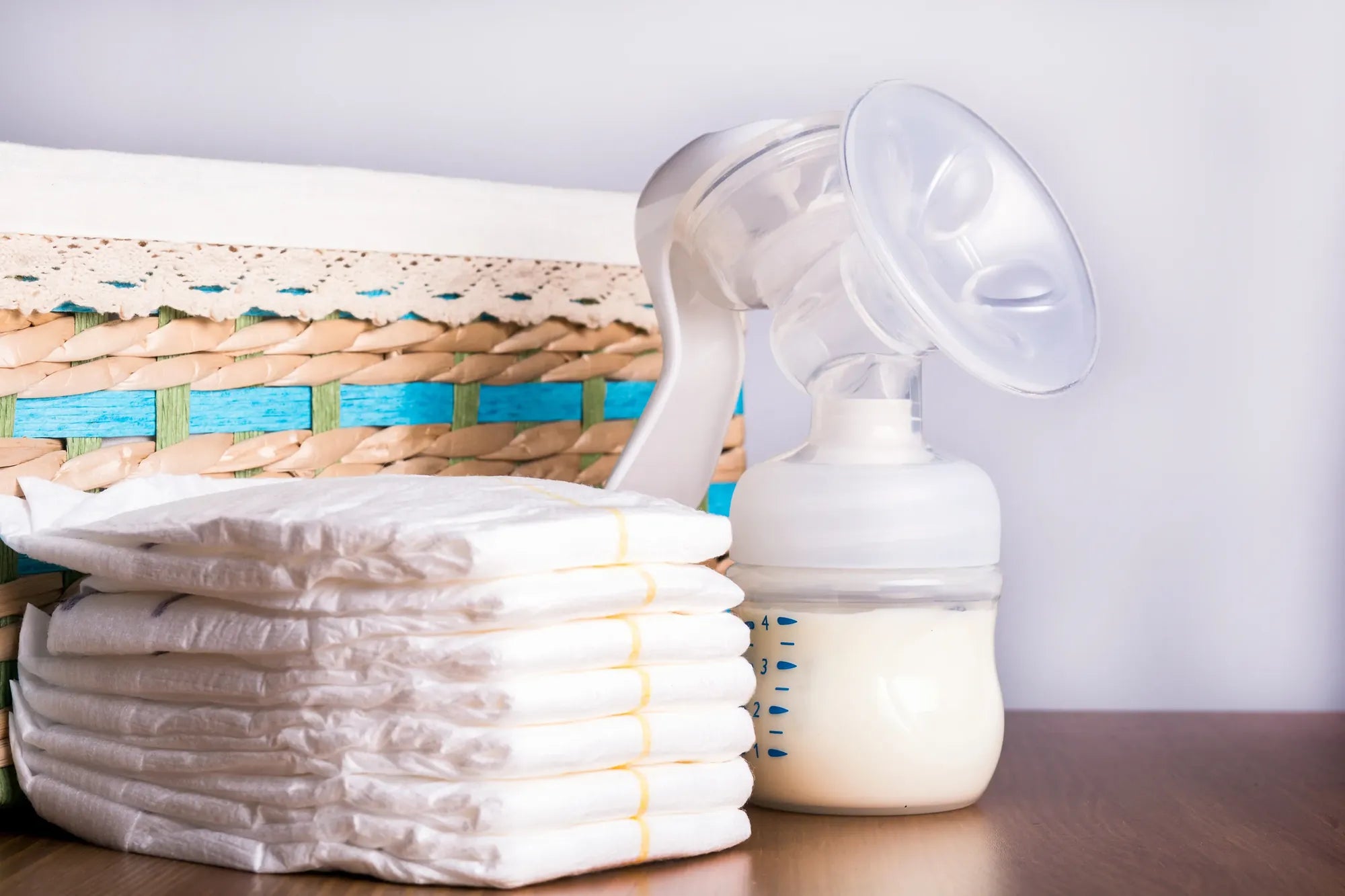
How to Know if Breast Pump Fits Correctly: The Ultimate Guide for Comfort & Output
Introduction: Why a Perfect Pump Fit Matters More Than You Think
If you're experiencing pain, low milk output, or frustration while pumping, the culprit is often surprisingly simple: an ill-fitting breast pump flange. Achieving a correct fit is not a minor detail; it's the foundational element of an effective, comfortable, and sustainable pumping routine. This comprehensive guide will equip you with the knowledge to definitively answer the question: How to know if breast pump fits correctly.
An improper fit can lead to nipple damage, clogged ducts, mastitis, and suboptimal milk removal, which can subsequently signal your body to produce less milk. Conversely, a perfect fit ensures efficient milk expression, protects your nipple health, and makes the process far more comfortable. We'll explore the tangible signs, provide a precise measurement method, and discuss how innovative designs from trusted brands like MomMed are built to solve these common fit challenges.
Understanding Flange Fit: The Anatomy of Effective Pumping
The flange, or breast shield, is the funnel-shaped piece that fits directly over your nipple and areola. Its primary function is to create a seal so the pump's suction can effectively draw milk from your breast. The central tunnel of the flange should allow your nipple to move freely without pulling in significant amounts of the surrounding areola or breast tissue.
Key terms to understand are flange size, which refers to the diameter of the tunnel (measured in millimeters), and nipple diameter, which is the measurement of your nipple at its base, without compression. The goal is to match the flange tunnel size to your nipple diameter with a small margin for movement—typically 1-3 mm larger. This is the core principle behind knowing how to know if breast pump fits correctly.
Signs Your Flange is the Wrong Size
Recognizing the symptoms of a poor fit is the first step toward correction. Here are the most common indicators that your flange is too large or too small.
Signs of a Flange That is Too Large:
- Excessive Areola Pull-In: Large portions of your areola are pulled into the tunnel during pumping.
- Poor Milk Output: Inefficient suction leads to incomplete breast drainage and lower volume.
- Nipple Pain and Swelling: The nipple can be pulled asymmetrically or rub against the tunnel walls.
- Loss of Vacuum Seal: You may hear a hissing sound as air breaks the seal, reducing effectiveness.
Signs of a Flange That is Too Small:
- Pain and Chafing: Immediate, significant pain as the nipple rubs against the tunnel sides.
- Nipple Blanching or Whitening: The tip of the nipple turns white due to restricted blood flow.
- Persistent Redness or Scabbing: Friction causes damage to the sensitive nipple tissue.
- Nipple Swelling During Sessions: The nipple becomes engorged and may even get stuck in the tunnel.
How to Measure for the Correct Flange Size: A Step-by-Step Guide
To accurately determine your flange size, you need to measure your nipple diameter. Do this when your nipples are relaxed, ideally after a feeding or pumping session, as stimulation can cause temporary swelling.
Step 1: Gather Your Tools. Use a flexible measuring tape or a ruler with millimeter increments. Printable nipple sizing guides are also available from many pump manufacturers, including MomMed.
Step 2: Measure the Nipple Base. Measure the diameter of your nipple at its base, where it meets the areola. Do not include the areola. Measure both nipples, as it's common to have two different sizes.
Step 3: Calculate Your Flange Size. Add 1-4 mm to your measured nipple diameter. Most lactation consultants recommend starting with a flange that is 2-3 mm larger. For example, a 17 mm nipple would start with a 19 mm or 21 mm flange.
Step 4: Account for Pumping Swell. Nipples often swell slightly during a session. If you notice significant swelling, you may need to go up one size from your initial calculation to accommodate this change and prevent constriction.
MomMed's Fit-Focused Design: Built for Real Moms
Understanding how to know if breast pump fits correctly is only half the battle; having a pump that accommodates the right fit is crucial. MomMed designs its pumps, like the award-winning S21 Double Wearable Breast Pump, with this in mind. The kits include multiple flange size options (often 21mm, 24mm, 27mm) to help you find your match.
The flanges are crafted from soft, BPA-free, food-grade silicone that conforms gently to the breast, creating a better seal and enhancing comfort. Combined with multiple, adjustable suction and rhythm modes, MomMed pumps allow you to personalize both the physical fit and the pumping pattern, which is essential for efficient milk removal without discomfort.
The "Goldilocks" Test: Positive Signs of a Perfect Fit
When you achieve the correct fit, your pumping sessions will feel and look different. Here are the definitive signs that your breast pump flange fits correctly.
Comfort is Key: The session should be comfortable, with a rhythmic pulling sensation but no pinching, scraping, or persistent pain. Mild discomfort when first initiating suction is normal, but it should not continue.
Nipple Movement: Only your nipple should move freely in the tunnel. A small amount of areola may gently pull in at the very base, but the majority should remain outside the flange.
Consistent Milk Flow: You should see a steady, spraying flow of milk (not just drops) during the let-down and expression phases, indicating effective milk removal.
Post-Pumping Appearance: After pumping, your nipple should be slightly longer but return to its normal color and shape within a few minutes. There should be no deep redness, white stripes, or swelling at the tip.
Common Fit Scenarios and Troubleshooting
Even with careful measurement, real-world pumping can present specific challenges. Here’s how to troubleshoot common fit-related scenarios.
If Your Nipples Swell During Pumping
This is a frequent sign of a flange that is too tight or a suction setting that is too high. The swelling constricts milk ducts, reducing output. Try switching to a flange size 1-2 mm larger. Applying a pure, food-safe lubricant like coconut oil or a dedicated nipple cream to the flange tunnel can also reduce friction and swelling.
Asymmetrical Nipples or Different Sized Breasts
It is extremely common to have two different nipple sizes or breast capacities. You should measure each nipple independently and use two different flange sizes if needed. MomMed’s customizable kits and separate flange sales make this easy to achieve, ensuring both sides get an optimal fit.
When to Re-Measure: Your Size Can Change
Your flange size is not static. It can change in the early postpartum weeks as initial swelling subsides, after you drop pumping sessions, or simply over months of pumping. It’s good practice to re-check your nipple measurements every 4-8 weeks or anytime you notice a persistent change in comfort or output.
Beyond the Flange: Ensuring a Complete Pump Seal and Fit
A correct flange size is paramount, but other components affect the overall fit and function of your pump. A holistic check ensures maximum efficiency.
Check Valve Membranes: Worn, torn, or stiff duckbill or backflow protector valves can compromise vacuum strength, making it feel like the flange isn't sealing even when it is. Replace these parts regularly (every 4-12 weeks, depending on use).
Inspect Connectors and Tubing: Ensure all connections are tight and that tubing is free of moisture or cracks. A leak anywhere in the system will reduce the vacuum at the flange.
Wearable Pump Positioning: For wearable pumps like the MomMed S21, correct positioning in your bra is vital. The pump should sit flush against your breast without gaps. Using a properly fitted pumping bra provides support and maintains the seal throughout your session.
Flange Fit Comparison: Common Pump Brands & Sizing
This table compares flange sizing availability and notes for different pump types, highlighting the importance of accessible sizing options.
| Pump Type / Brand | Commonly Included Flange Sizes | Notes on Fit & Sizing Accessibility |
|---|---|---|
| Standard Hospital-Grade | 24mm, 27mm, 30mm, 36mm | Wide range available, often through medical supply or LC. Sizes below 21mm may be special order. |
| MomMed Wearable (S21/S12) | 21mm, 24mm, 27mm (in box) | Multiple sizes included standard. Soft silicone material conforms well. Additional sizes sold separately. |
| Many Consumer Electric Pumps | 24mm only (sometimes 27mm) | Often come with a “one-size-fits-most” approach, which fails many users. Separate flange kits are a necessary purchase for a proper fit. |
| Manual Pumps | Often 24mm or 27mm fixed | Limited to no size options. Can be problematic for those outside the average size range. |
FAQ: Your Top Breast Pump Fit Questions, Answered
Q: Is some discomfort normal when you start pumping?
A: A brief period of adjustment is common, but pain is not. You may feel a new pulling sensation, but sharp pain, pinching, or burning indicates a problem with fit, suction strength, or both. Comfort should be your primary guide in learning how to know if breast pump fits correctly.
Q: Can I just use the standard flanges that came with my pump?
A> The standard 24mm flanges included with most pumps only fit about 50% of people. Using them without verifying they match your nipple diameter is a leading cause of pumping difficulties. Always measure.
Q: How do I know if it's a fit problem or a suction setting problem?
A> First, ensure your flange size is correct using the measurement guide. If fit is confirmed, then experiment with suction. Start on the lowest comfortable setting that initiates milk flow. High suction does not equal more milk; it often causes pain and swelling. A correct fit allows for effective milk removal at moderate settings.
Q: Are MomMed wearable pump flanges compatible with other brands?
A> MomMed wearable pump flanges are designed as a closed system with their specific pump motors and containers. For safety, hygiene, and optimal performance, it is not recommended to mix and match flanges between different brands of wearable pumps. Always use parts designed for your specific pump model.
Q: My nipple touches the sides of the tunnel. Is that okay?
A> Light, non-constricting contact can be normal, especially if there is no pain. However, if the nipple is compressed or rubs forcefully against the sides, the tunnel is too small. The nipple should move freely without significant friction.
Empower Your Pumping Journey with the Right Fit
Mastering the art of the perfect flange fit transforms pumping from a chore into an efficient, manageable part of your feeding journey. It is the single most impactful change you can make to protect your physical well-being and protect your milk supply. Remember, the process of learning how to know if breast pump fits correctly is iterative—measure, observe, and adjust as needed.
Investing in a pump system that prioritizes fit and comfort, like MomMed's range of wearable and electric pumps with their inclusive sizing and soft silicone components, provides the tools for success. Your comfort and your baby's nutrition are worth the effort to get it right. For a pump designed to fit you from the start, shop the MomMed collection at mommed.com for all your breastfeeding and pregnancy needs.