


Startseite
Pregnancy, Breastfeeding, and Pumping: The Ultimate Guide for Moms
How to Double Pump Breast Milk: A Comprehensive Guide to Efficiency and Supply
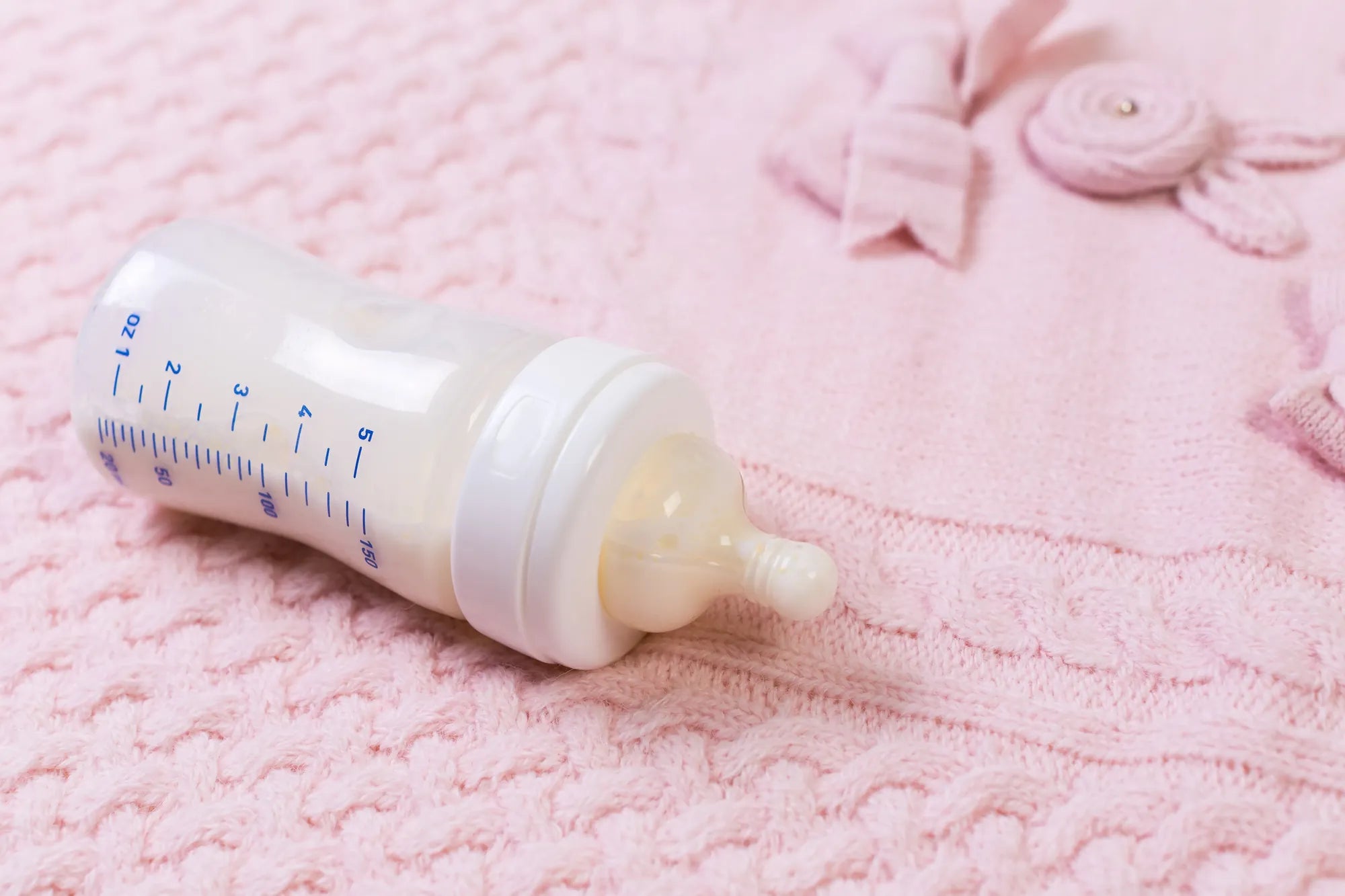
How to Double Pump Breast Milk: A Comprehensive Guide to Efficiency and Supply
If you're pumping breast milk, time is a precious commodity. How to double pump breast milk is not just a technique; it's a strategy for reclaiming hours in your day while scientifically increasing your milk production. Double pumping, or simultaneously expressing milk from both breasts, is the gold standard for efficiency. This comprehensive guide will walk you through the compelling benefits, essential equipment, and detailed methodology to transform your pumping routine. You'll learn how to maximize output, ensure comfort, and integrate this practice seamlessly into your life as a breastfeeding or exclusively pumping parent.
Introduction to Double Pumping: The Efficiency Multiplier
Double pumping is the simultaneous expression of milk from both breasts using a double electric breast pump. Unlike single-side pumping, which can double your time spent attached to a machine, double pumping allows you to complete a session in roughly 15-20 minutes. The efficiency gain is just the start. Physiologically, stimulating both breasts at once leads to a more significant release of prolactin, the hormone responsible for milk production. This makes learning how to double pump breast milk a powerful tool not just for saving time, but for building and maintaining a robust milk supply, especially for working moms, those with multiples, or parents who are exclusively pumping.
The process mimics a baby's natural feeding pattern more closely than sequential pumping, often leading to a stronger let-down reflex in both breasts. For mothers using pumps like the MomMed S21 Double Wearable Breast Pump, this efficiency is combined with unparalleled freedom. The right technique, supported by well-designed equipment, can turn pumping from a chore into a manageable, integrated part of your daily routine. This guide will provide the evidence-based framework to make that a reality.
Why Double Pump? Key Benefits for Modern Moms
The decision to adopt double pumping is driven by tangible, data-backed advantages that address the core challenges of pumping mothers. First and foremost is time savings. Cutting pumping session duration by up to half can add hours back to your week, time that can be spent resting, bonding with your baby, or managing other responsibilities.
Second, and critically, is increased milk supply. Research indicates that double pumping can yield a higher volume of milk and a milk with a higher fat content compared to sequential pumping. The bilateral stimulation creates a stronger hormonal signal to produce more milk. This is essential for establishing supply in the early weeks, boosting a perceived low supply, or building a freezer stash for a return to work.
Third, double pumping promotes consistent drainage and supply regulation. By emptying both breasts fully and evenly at each session, you signal your body to produce a steady, predictable volume. This helps prevent issues like engorgement, clogged ducts, and mastitis in the over-full breast while encouraging production in the lower-supply side. Finally, it offers routine convenience, allowing for predictable breaks in a workday or creating a consistent schedule for an exclusively pumping parent.
Essential Gear for Effective Double Pumping
Success in double pumping hinges on having the right tools. The cornerstone is a high-quality, double-electric breast pump. While manual pumps or single electric pumps can be used in a pinch, they defeat the core efficiency principle of simultaneous expression. Investing in a dedicated double pump is non-negotiable for a sustainable routine.
Choosing the Right Pump: Wearable vs. Traditional
The evolution of breast pump technology has given mothers a critical choice: traditional plug-in models or next-generation wearable pumps. Understanding the difference is key to selecting the tool that fits your lifestyle.
| Feature | Traditional Double Electric Pump (e.g., Plug-in Hospital Grade) | Wearable Double Pump (e.g., MomMed S21) |
|---|---|---|
| Mobility & Discretion | Limited; requires outlet, bulky tubing, visible bottles. | High; cordless, fits inside bra, low-profile design. |
| Power & Efficiency | Often very powerful, consistent suction. Excellent for establishing supply. | Advanced motors now offer hospital-grade suction levels (e.g., 330mmHg on the S21) in a compact form. |
| Hands-Free Ability | Requires a separate hands-free pumping bra. | Built-in; truly hands-free, allowing for work, childcare, or mobility. |
| Setup & Portability | More complex setup, less portable. | Simple, all-in-one design. Ideal for travel or pumping on-the-go. |
| Noise Level | Can be louder. | Typically much quieter for discreet use. |
For modern mothers seeking ultimate flexibility, a wearable pump like the MomMed S21 represents a paradigm shift. Its BPA-free, food-grade silicone construction ensures safety, while its ergonomic design and adjustable suction settings address the comfort needs essential for effective let-down and productive sessions.
Must-Have Accessories for Success
Beyond the pump itself, several accessories are crucial. A properly fitted flange is the single most important factor for comfort and output. An incorrect size can cause pain, damage tissue, and reduce milk yield. Many brands, including MomMed, offer multiple flange size options. A high-quality hands-free pumping bra is essential, even with wearables, to secure the cups and allow you to use hands-on techniques. Have a dedicated stock of milk storage bags or bottles, labels, and a system for rotating your freezer stash. Don't forget cleaning supplies: a basin, brush, and soap for prompt washing after each use. Finally, keep a water bottle and healthy snack nearby—hydration and nutrition are fuel for milk production.
Step-by-Step Guide: How to Double Pump Effectively
Mastering the process turns equipment into results. Follow this chronological guide for optimized sessions.
Preparation: Setting the Scene for Let-Down
Begin by hydrating and having a small snack. Assemble all clean pump parts, storage containers, and your phone or a photo of your baby. Wash your hands. Find a comfortable, relaxed seat. Practice a few deep breaths or gentle shoulder rolls. Apply a warm compress to your breasts or take a warm shower beforehand to encourage blood flow. Gentle breast massage for a minute or two before attaching the flanges can help initiate the let-down reflex. Having everything within arm's reach prevents mid-session interruptions that can disrupt milk flow.
The Pumping Session: Settings and Technique
Center the flanges so your nipple moves freely in the tunnel without rubbing. Start the pump in stimulation mode (fast, light suction). This mimics a baby's initial rapid sucks to trigger let-down. After milk begins to flow (usually within 1-2 minutes), switch to expression mode (slower, deeper suction). Use the lowest effective suction strength that yields good flow; higher suction is not better and can cause pain. During expression, employ hands-on pumping: use the palms of your hands to gently compress your breasts from the outer edges toward the nipple, moving around to different sections. This combination of pump suction and manual compression can increase output by up to 48% according to some studies. Pump for about 15-20 minutes total, or for 2-3 minutes after the last drops of milk appear.
Post-Pumping Routine: Storage and Care
Immediately transfer milk to a storage bag or bottle, label it with the date and volume, and store it safely. Follow the CDC guidelines: room temperature for up to 4 hours, refrigerator for up to 4 days, freezer for up to 6-12 months. Then, disassemble all pump parts that come into contact with milk. Rinse and wash with warm, soapy water, or place in a dedicated basin for cleaning. Air-dry thoroughly on a clean rack. Proper cleaning is non-negotiable for your baby's health and the longevity of your pump.
Maximizing Output & Comfort: Pro Tips and Troubleshooting
Even with perfect technique, challenges arise. Here are advanced strategies and solutions.
Tips for Increasing Milk Flow
If output feels lower than desired, try these evidence-based methods. Visual and olfactory cues are powerful: look at a video or photo of your baby, or smell an item of their clothing. Apply warmth to your breasts before and during pumping. Ensure you have a perfect flange seal and fit; a lactation consultant can help with sizing. Pump frequently, especially in the early morning when prolactin levels are highest. Consider power pumping once a day (20 minutes on, 10 off, 10 on, 10 off, 10 on) for a few days to mimic cluster feeding and boost supply. Stay hydrated and ensure your calorie intake is sufficient.
Solving Common Double Pumping Challenges
Low Output: Re-evaluate flange size, ensure you're relaxed, try power pumping, and check pump part integrity (duckbill valves/membranes need regular replacement). Discomfort or Pain: This is almost always a flange fit or suction setting issue. Measure your nipple diameter and consult sizing charts. Never "tough out" high suction. Products like the MomMed S21 with multiple suction modes and soft silicone flanges are designed to prevent this. Difficulty with Let-Down: Create a consistent, relaxing pre-pump ritual. Practice deep breathing. Maintaining Motivation: Track your output to see progress, connect with other pumping moms for support, and remember your "why"—providing breast milk for your baby.
Creating a Sustainable Double Pumping Schedule
Integrating double pumping into your life requires a plan. Your schedule will depend on your baby's age and your goals.
For the Full-Time Parent Building a Stash: Add one double pumping session 30-60 minutes after the first morning feed, when supply is typically highest. This can efficiently build a freezer stash without interfering with direct breastfeeding.
For the Working Mom: Pump to replace feedings during work hours. Aim to pump every 2-3 hours, matching the time your baby would normally feed. A wearable pump makes this discreet and feasible in most work environments. Store milk in a cooler bag with ice packs.
For the Exclusively Pumping Mom: Mimic a newborn's feeding schedule: 8-12 sessions per 24 hours, including at least one session overnight in the early months to maintain supply. As your baby grows, you may be able to gradually space sessions out while monitoring total daily output.
Consistency is more important than clockwork precision. Listen to your body's fullness cues and adjust as needed.
Frequently Asked Questions (FAQ) About Double Pumping
Q: How long should a double pumping session last?
A: Most sessions are effective within 15-20 minutes. A good rule is to pump for 2-3 minutes after the last drops of milk are seen. Pumping much longer may not yield more milk and can lead to nipple soreness.
Q: Can I double pump with a single electric pump?
A: Technically, you can use a Y-adapter to connect two collection kits to a single motor, but it's not recommended. The motor is not designed for the double load, which can reduce suction strength, efficiency, and potentially burn out the pump. A dedicated double pump is always the better choice.
Q: Is double pumping more painful than single pumping?
A> No, when done correctly with proper flange fit and comfortable settings, it should not be painful. Any pain is a sign that something is wrong—usually incorrect flange size or suction set too high. Discomfort is a signal to stop and troubleshoot.
Q: How do I clean my wearable pump parts efficiently?
A> Follow the manufacturer's instructions. For pumps like the MomMed S21, disassemble all parts that touch milk (flanges, valves, connectors, milk collection cups). Rinse in cool water immediately, then wash with warm, soapy water. Use a small brush for crevices. Air-dry completely on a clean rack. Many parts are also top-rack dishwasher safe for added convenience.
Q: When is the best time of day to double pump for a freezer stash?
A> The early morning, typically between 1 a.m. and 5 a.m., when prolactin levels peak, is often the most productive time. Pumping 30-60 minutes after your first morning feed is another highly effective and practical time for many mothers.
Embracing Your Pumping Journey with Confidence
Learning how to double pump breast milk effectively is an investment in your time, your sanity, and your ability to provide for your baby. It represents a choice for efficiency without compromise on quality or supply. This journey requires patience, self-compassion, and the right tools. Celebrate every ounce as a testament to your dedication. Remember, the goal is not perfection but a sustainable practice that works for you and your family. Having reliable, comfortable, and innovative equipment—like a hands-free wearable pump designed with a mother's real-life needs in mind—can transform this act of nurture from a taxing duty into an empowered part of your motherhood story. You are capable, you are resourceful, and you are providing incredible nourishment for your child.
Ready to experience the freedom and efficiency of modern double pumping? Shop the MomMed collection at mommed.com for all your breastfeeding and pregnancy needs, including the award-winning S21 Double Wearable Breast Pump, designed for comfort, power, and true mobility to support you every step of your journey.