


Startseite
Pregnancy, Breastfeeding, and Pumping: The Ultimate Guide for Moms
How to Buy a Breast Pump: A Comprehensive Guide for New Parents
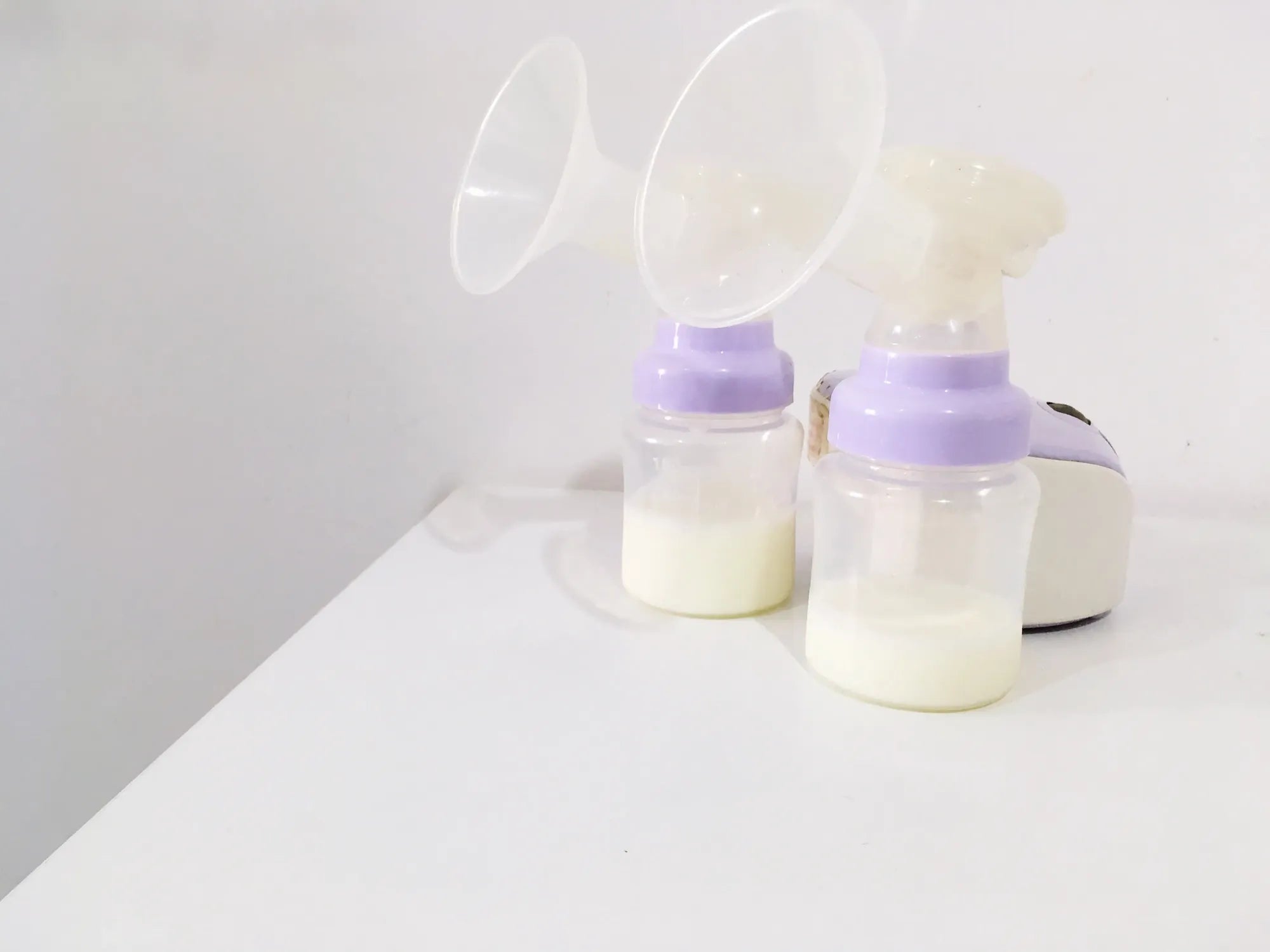
How to Buy a Breast Pump: A Comprehensive Guide for New Parents
Introduction to Choosing the Right Breast Pump
Welcome, new and expecting parents! Deciding how to buy a breast pump is one of the most significant and practical choices you'll make for your breastfeeding journey. The right pump can mean the difference between a stressful chore and an empowering, efficient part of your day. This guide is designed to demystify the process, turning overwhelming options into a clear, confident decision.
Your choice impacts milk supply, comfort, and your ability to balance feeding with other responsibilities. We understand you need factual, detailed information, not just marketing claims. This comprehensive guide will walk you through pump types, essential features, budget considerations, and lifestyle matching.
As a trusted maternal and baby care brand, MomMed specializes in reliable, comfortable, and innovative products like wearable breast pumps and pregnancy test kits. Our goal is to help you find a solution that works for your unique situation, whether you're planning to pump exclusively, return to work, or simply want flexibility.
By the end of this guide, you'll know how to evaluate pumps like a pro, understand insurance pathways, and select a model that supports your health and your baby's needs. Let's begin this important step toward a successful and comfortable pumping experience.
Understanding Your Breast Pump Options: Types and Key Differences
The first step in learning how to buy a breast pump is understanding the three fundamental categories: manual, single electric, and double electric pumps. Each serves distinct needs and lifestyles, with significant differences in efficiency, convenience, and cost.
Manual Breast Pumps are operated by hand, using a squeeze lever or handle. They are inexpensive, completely silent, ultra-portable, and easy to clean. However, they require significant physical effort and are generally less efficient at milk removal. They are best suited for occasional use, as a backup, or for moms with very strong let-down reflexes.
Single Electric Pumps use a small motor to automate suction on one breast at a time. They offer more consistent suction than manual models and are a mid-range option in terms of price and efficiency. The main drawback is time; you must pump each side separately, effectively doubling your pumping sessions. This type can be a good starter pump or for those who pump infrequently.
Double Electric Pumps are the standard for regular use, especially for working moms or those exclusively pumping. They extract milk from both breasts simultaneously, which is more efficient, saves time, and can help maintain or increase milk supply by better mimicking a baby's feeding pattern. These pumps offer the most customization in settings.
A revolutionary subset of double electric pumps is the wearable breast pump. These compact, cordless units fit discreetly inside your bra, offering true hands-free operation. They represent the pinnacle of convenience and discretion for modern, mobile parents.
What is a Wearable Breast Pump and Is It Right for You?
Wearable breast pumps, like the award-winning MomMed S21, are self-contained devices that include the motor, battery, and milk collection vessel in a single unit that tucks into your nursing bra. They free you from cords, tubes, and being tethered to a wall outlet.
The primary benefits are profound: ultimate discretion (you can pump in meetings or social settings unnoticed), complete mobility (allowing you to care for other children, work, or do household tasks), and psychological comfort by reducing the feeling of being "hooked up" to a machine.
These pumps are ideal for working moms, parents of multiples, those with an active lifestyle, or anyone who values time and autonomy. Considerations include ensuring a proper flange fit within the compact design and monitoring battery life, though many modern models like the MomMed S21 offer 2-3 full pumping sessions on a single charge.
With hospital-grade suction technology now packed into wearable formats, they are a viable primary pump for many. Choosing one often comes down to prioritizing flexibility and freedom in your daily routine.
Key Features to Consider Before You Buy
Beyond the basic type, specific features determine a pump's performance, comfort, and ease of use. Use this checklist to compare models effectively when deciding how to buy a breast pump.
Suction Customization is critical for comfort and efficacy. Look for pumps with both stimulation (let-down) and expression modes. The stimulation mode uses rapid, lighter suction to trigger your milk ejection reflex. The expression mode then switches to slower, deeper pulls to efficiently empty the breast. Multiple intensity levels within each mode allow you to find your perfect, comfortable setting.
Portability & Discretion encompass battery life, noise level, and size. A pump with a long-lasting rechargeable battery (or car adapter options) is essential for on-the-go use. Noise level, measured in decibels, is crucial for pumping discreetly at work or near a sleeping baby; ultra-quiet pumps (like many MomMed models) operate around 40 dB, which is library-quiet. Compact, lightweight designs enhance portability.
Comfort & Safety are non-negotiable. All parts that contact breast milk must be made from BPA-free, food-grade materials like medical-grade silicone. The most important comfort factor is flange fit. Standard flanges (often 24mm or 27mm) do not fit everyone. Nipple damage and low output can result from an incorrect size. Seek brands that offer multiple flange size options or have clear sizing guides.
Ease of Use & Cleaning impacts your daily life. An intuitive control panel with a memory function saves your preferred settings. Simple assembly with minimal parts reduces frustration. Check if parts are dishwasher-safe (top rack) to streamline your cleaning routine, which is vital for maintaining hygiene and preventing bacterial growth.
Matching a Pump to Your Lifestyle and Budget
The "best" pump is the one that aligns with your daily reality. Let’s translate common scenarios into pump recommendations to guide your purchase.
The Exclusive Pumper or Primary Pump User: If you will pump for most or all feedings, you need a workhorse. A double electric pump with hospital-grade suction capability is essential. Efficiency and comfort are paramount to protect your supply and your time. A wearable double electric like the MomMed S21 can be an excellent primary pump here, offering power without confinement.
The Working Mom Returning to an Office: Discretion, portability, and efficiency are key. A double electric pump is necessary, with strong emphasis on quiet operation and easy portability. A wearable pump is often the top choice for this group, as it allows for pumping during commutes or at a desk without drawing attention. A reliable, high-capacity battery is a must.
The Occasional or Back-Up Pumper: For moms who primarily nurse directly but want a pump for occasional bottles, date nights, or relief, a manual pump or a single electric pump may be sufficient and more budget-friendly. A wearable single pump can also offer convenient, on-demand flexibility without a major investment.
Budgeting is a major part of the process. In the U.S., the Affordable Care Act mandates that most insurance plans cover the cost of a breast pump. Contact your insurer during pregnancy to understand your coverage—whether you get a specific model, a choice from a catalog, or a reimbursement. If paying out-of-pocket, view it as a long-term investment in your breastfeeding success and mental well-being. Quality pumps from trusted brands represent value over time.
Breast Pump Comparison: Key Models at a Glance
This comparison table summarizes critical data to help you visualize the differences between pump types and specific models, including the innovative MomMed S21.
| Pump Type / Model | Best For | Key Features | Considerations |
|---|---|---|---|
| Manual Pump (Generic) | Occasional use, backup, travel | Silent, portable, inexpensive, no power needed | Physically tiring, less efficient, slower |
| Standard Double Electric | Primary pumping, exclusive pumping, working moms | Most efficient, adjustable settings, often insurance-covered | Can be bulky, tethered to outlet/cord, less discreet |
| MomMed S21 Wearable Pump | Active lifestyles, working moms, discretion, hands-free need | True hands-free in-bra design, hospital-grade suction, ultra-quiet (~40dB), multiple flange sizes, BPA-free | Battery life limits session length, ensuring proper in-bra fit is crucial |
| Portable Single Electric | Flexible, occasional pumping, supplementing | More efficient than manual, often cordless, mid-range price | Pumps one side at a time, doubling total session duration |
Why the MomMed S21 Wearable Breast Pump Stands Out
In the crowded market of wearable pumps, the MomMed S21 has emerged as a top contender, recognized with multiple industry awards for innovation. It exemplifies how technology can empower parents by blending hospital-grade performance with unprecedented freedom.
The S21's core innovation is its true hands-free, in-bra wearable design. Each compact unit is self-contained, with no external tubes or dangling bottles when worn correctly. This allows you to move naturally, care for your baby, or work on a computer without interruption, fundamentally changing the pumping experience from a passive task to an active, integrated part of your day.
Don't let its size fool you; it delivers hospital-grade suction performance. With fully adjustable stimulation and expression modes across multiple intensity levels, it provides the customized, effective milk removal necessary to establish and maintain a healthy milk supply. Its ultra-quiet motor (around 40 dB) ensures discretion and peace, whether you're in a shared office or your baby is napping nearby.
MomMed prioritizes safety and comfort, constructing all milk-contact parts from BPA-free, food-grade silicone. Understanding that fit is everything, they provide multiple flange size options to help you achieve a proper, comfortable seal—a critical factor often overlooked in wearable designs. For the mom seeking a powerful, discreet, and innovative primary or complementary pump, the S21 represents a compelling solution that directly addresses the core challenges of modern pumping.
Breast Pump FAQ: Your Top Questions Answered
Q: When is the best time to buy a breast pump?
A: It's wise to research and select your pump during your second trimester. If using insurance, start the process then, as approval and shipping can take weeks. Having your pump ready by 36 weeks allows you to familiarize yourself with its parts and operation before the baby arrives, which is less stressful than learning postpartum.
Q: How do I get a breast pump through my insurance?
A: First, call your insurance provider's member services line. Ask: "What is my breast pump coverage under the ACA? Do you work with a specific durable medical equipment (DME) provider? Can I choose any pump and submit for reimbursement?" They will guide you to their preferred process, which often involves ordering from a designated website with your prescription from your OB/GYN or midwife.
Q: How many parts need cleaning, and how often?
A> All parts that come into contact with breast milk (flanges, valves, membranes, connectors, bottles) must be cleaned after every use. This typically involves 6-10 individual pieces per pumping session. Rinse in cool water immediately after pumping, then wash with hot, soapy water or in the dishwasher (top rack, if applicable). Sterilize daily by boiling, using steam bags, or a dedicated sterilizer.
Q: Can I really use a wearable pump as my main, primary pump?
A> Yes, absolutely—provided it is a high-quality model designed for full-time use, like the MomMed S21. Modern wearable pumps have closed-system motors and suction strength comparable to traditional plug-in models. The key is ensuring it empties your breasts effectively. Many exclusive pumpers successfully use wearables as their primary pump, valuing the regained mobility and discretion.
Q: What should I do if my pump doesn't seem to be working well or is painful?
A> First, check your flange fit—this is the most common issue. Your nipple should move freely in the tunnel without rubbing, and only a small amount of areola should be pulled in. Pain often indicates the wrong size. Second, ensure you're using the correct settings; start with low suction in stimulation mode and increase only to a comfortable level. If problems persist, output is low, or you experience persistent pain, consult an International Board Certified Lactation Consultant (IBCLC) for a personalized assessment.
Conclusion: Empowering Your Pumping Journey
Choosing the right breast pump is a deeply personal decision that hinges on your body, your baby's needs, and the daily rhythm of your life. It's more than a purchase; it's an investment in your breastfeeding goals and your well-being. By understanding the types, prioritizing key features like suction customization and flange fit, and honestly assessing your lifestyle, you can move from uncertainty to confidence.
Remember, the perfect pump is the one that you will use consistently and comfortably. It should feel like a helpful tool, not a source of stress. Whether you prioritize the raw efficiency of a traditional double electric or the liberating discretion of a wearable model, your choice is valid.
At MomMed, our mission is to support you with reliable, comfortable, and innovative products that simplify this journey. We believe every parent deserves access to quality tools that make feeding their baby a little easier. Trust the data, listen to your needs, and don't hesitate to seek support from lactation professionals along the way.
Ready to find the pump that fits your life? Explore the award-winning MomMed collection, including the S21 Wearable Breast Pump, designed for the modern, mobile parent. Shop the MomMed collection at mommed.com for all your breastfeeding and pregnancy needs.