


Startseite
Pregnancy, Breastfeeding, and Pumping: The Ultimate Guide for Moms
How to Breast Pump Effectively: A Comprehensive Guide for New Moms
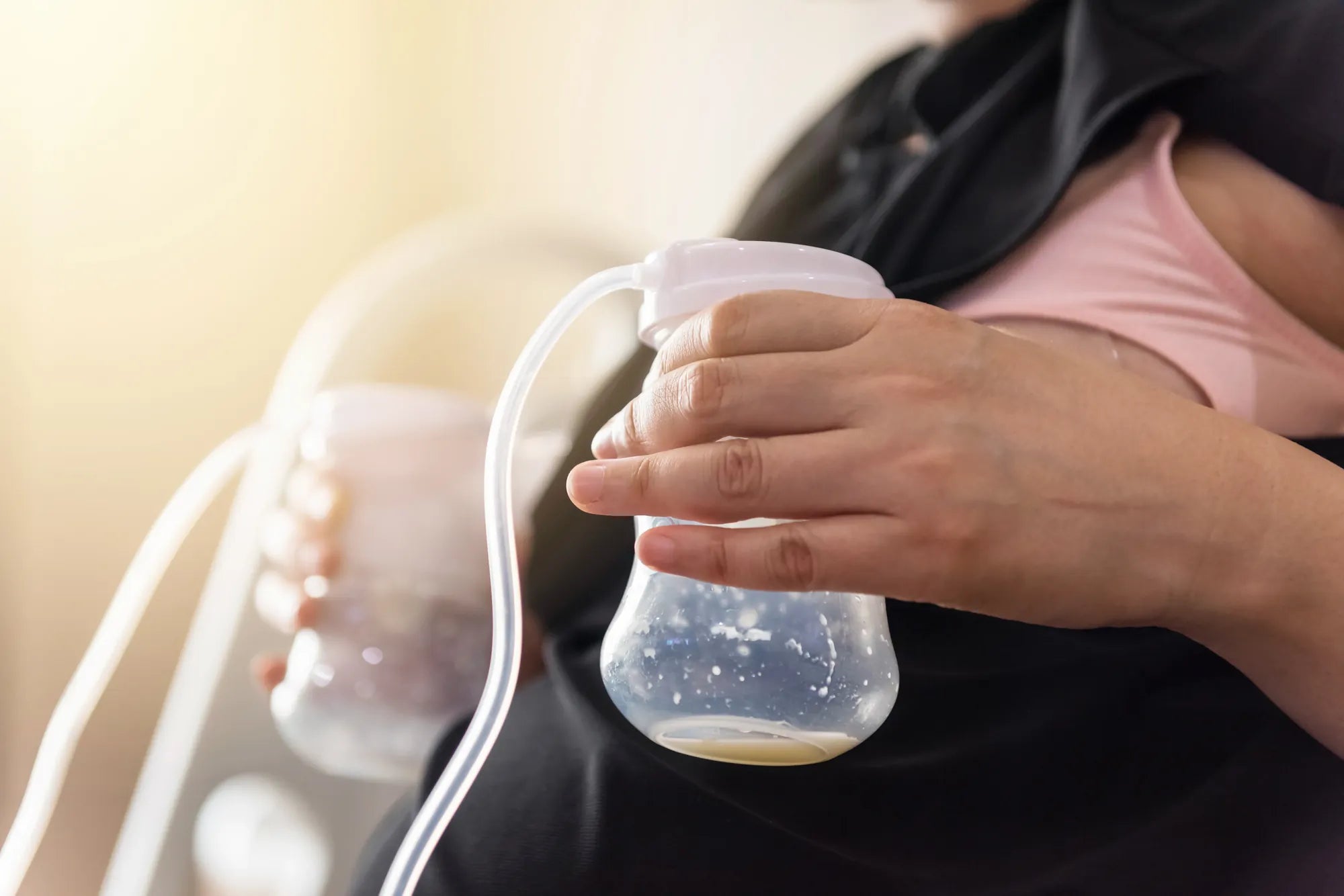
How to Breast Pump Effectively: A Comprehensive Guide for New Moms
Introduction to Effective Breast Pumping
Mastering how to breast pump effectively is a skill that empowers new mothers, providing flexibility and ensuring a steady milk supply for their babies. Effective pumping goes beyond simply using the machine; it's about maximizing output while maintaining comfort, protecting your milk supply, and fitting the process harmoniously into your life. For many moms, learning how to breast pump effectively can feel daunting, but with the right knowledge and tools, it becomes a manageable and even empowering part of the parenting journey.
This guide is designed to demystify the process. We'll walk through the science-backed techniques recommended by lactation consultants and experienced pumping mothers. The goal is to help you produce the milk your baby needs while caring for your own physical and emotional well-being. Remember, every mother's body and journey are unique, so consider this a framework you can adapt.
As a trusted maternal and baby care brand, MomMed is dedicated to supporting you. We specialize in creating reliable, comfortable, and innovative products, like our wearable breast pumps and BPA-free feeding accessories, to make the challenges of motherhood a little easier. Think of this guide and quality equipment as your partners in achieving your breastfeeding and pumping goals.
Setting the Stage for Success: Pre-Pumping Essentials
Effectiveness begins long before you press the 'on' button. Proper preparation sets the tone for a productive session, influencing both your comfort and your milk yield. Neglecting these foundational steps can lead to frustration, discomfort, and suboptimal output, making it harder to stick with a consistent routine.
Investing time in these pre-pumping rituals is an investment in your long-term success. It transforms pumping from a chore into a mindful practice that supports your body's natural physiology. Let's break down the critical elements that create the ideal conditions for a let-down and efficient milk removal.
Creating a Relaxing Environment
Your mental state directly impacts your physical response. Stress and anxiety can inhibit the release of oxytocin, the hormone responsible for the milk ejection reflex (let-down). To trigger a strong let-down, create a calm, private space. Use deep, rhythmic breathing techniques in the minute before you start.
Many moms find it helpful to have a photo or video of their baby nearby, or even a piece of their baby's clothing to smell. This sensory connection can stimulate oxytocin release. Keep a large bottle of water and a healthy snack within reach, as hydration and nutrition are fundamental to milk production. Comfort is key—use a supportive chair and consider a warm compress on your breasts for a few minutes prior to pumping.
Ensuring a Proper Fit: Flange Size Matters
This is arguably the most crucial factor in learning how to breast pump effectively and comfortably. The flange (or breast shield) is the tunnel that surrounds your nipple during pumping. An incorrect fit is a primary cause of pain, low output, and nipple damage.
Your nipple should move freely in the tunnel without rubbing against the sides, and only a small amount of areola should be drawn in. Measure your nipple diameter (without pumping) and add 0-4 mm to find your ideal flange size—this is not a one-size-fits-all component. Signs of a bad fit include blanching (white tips), pain throughout the session, and poor drainage of the breast.
MomMed understands this need for personalization. Our breast pumps, including the award-winning S21 Wearable model, come with multiple flange size options to help you find your perfect, comfortable fit, which is essential for effective milk removal.
Assembling and Maintaining Your Pump
Correct assembly ensures optimal suction and performance. Before your first use, familiarize yourself with all parts: valves, membranes, bottles, and connectors. A missing or incorrectly placed valve (duckbill or backflow protector) can result in little to no suction.
Regular maintenance is non-negotiable for hygiene and efficiency. Inspect parts regularly for cracks, tears, or stiffness, as worn parts significantly diminish pump performance. Follow the manufacturer's guidelines for cleaning and sterilization. Having a second set of key parts, like those available in MomMed accessory kits, can be a lifesaver for busy moms, ensuring you always have a clean, functional set ready.
Mastering Your Pumping Session: Technique & Timing
With the stage set, the focus shifts to the techniques you employ during the session itself. Effective pumping is an active process, not a passive one. By engaging with specific methods, you can significantly increase the volume and fat content of the milk you express, making every minute at the pump more productive.
This section delves into the hands-on and strategic approaches that mimic a baby's efficient nursing. Combining these techniques with an understanding of your pump's settings will help you fully drain your breasts, which is vital for signaling your body to produce more milk and preventing issues like clogged ducts.
The Power of Hands-On Pumping
Hands-on pumping (HOP) is a game-changer for milk output. Research indicates it can help mothers, especially those with supply concerns, remove more milk. Before pumping, gently massage your breasts from the chest wall toward the nipple to stimulate let-down.
During pumping, use your hands to compress and massage your breast. Start with gentle pressure at the top and sides, moving in a circular motion to target different milk ducts. As the flow slows, use deeper compression to help push out the richer, hindmilk. This active engagement helps empty the breast more completely than suction alone, supporting healthy supply and providing your baby with calorie-dense milk.
Finding Your Rhythm: Settings and Patterns
Modern pumps, like MomMed's models, offer multiple modes to simulate a baby's nursing pattern. Start with the stimulation or massage mode—this rapid, gentle suction mimics a baby's initial quick sucks to trigger your let-down reflex. Once you see milk flowing in steady streams (usually after 1-2 minutes), switch to the expression mode.
Expression mode has slower, longer pulls. Adjust the suction level to the highest setting that is comfortable—it should feel strong but never painful. Pain is a sign to lower the suction or check your flange fit. A technique called power pumping—pumping for 20 minutes, resting for 10, pumping for 10, resting for 10, pumping for 10—can help boost supply by mimicking cluster feeding.
Timing and Frequency: Building a Schedule
Consistency is the cornerstone of establishing and maintaining milk supply. Your schedule depends on your goals: exclusive pumping, supplementing after nursing, or building a freezer stash.
For establishing supply with a newborn, aim to pump 8-12 times per 24 hours, including once at night when prolactin levels are high. Sessions typically last 15-20 minutes per breast, or until milk flow stops. For maintaining supply while away from baby, pump as often as your baby typically feeds (every 2-4 hours). The key is to never go longer than 4-5 hours without milk removal to prevent a drop in supply.
Choosing Your Pumping Partner: Why Wearable Pumps Excel
The equipment you choose is not just a tool; it's your partner in your feeding journey. The right pump can make the difference between a sustainable routine and one filled with frustration. While many options exist, wearable breast pump technology has revolutionized the experience for modern mothers by directly addressing the major barriers to consistent, effective pumping.
Let's examine the key advantages of wearable pumps and how they contribute directly to the core goal of learning how to breast pump effectively by removing obstacles and integrating seamlessly into a mother's dynamic life.
The Mobility Advantage: Pumping Without Pause
Traditional plug-in pumps often tether a mother to one spot, making it difficult to care for other children, prepare a meal, or handle work tasks. This forced inactivity can increase stress and make it challenging to stick to a strict pumping schedule.
Wearable pumps, like the MomMed S21 or S12, are cordless and fit discreetly inside a bra. This hands-free design grants you the freedom to move. You can pump while making lunch, answering emails, or rocking your older child to sleep. By reducing the disruption to your day, wearable pumps make it psychologically and logistically easier to maintain the frequent, consistent sessions that are critical for milk supply, thereby enhancing overall effectiveness.
Performance Meets Discretion: Hospital-Grade in a New Form
A common misconception is that wearable pumps sacrifice power for portability. This is no longer true. Advanced models are engineered to provide strong, adjustable suction comparable to many traditional hospital-grade pumps.
For instance, the MomMed S21 Double Wearable Breast Pump, a winner of multiple industry innovation awards, features multiple expression modes and suction levels designed to effectively stimulate let-down and empty the breast. Its quiet motor allows for discreet use in various settings without drawing attention. Effective milk removal relies on this combination of power and customizable settings, which top-tier wearable pumps now deliver in a compact, portable form.
Safety and Comfort in Design
Long-term effectiveness requires comfort and trust in your equipment. Wearable pumps are designed with extended wear in mind. Their ergonomic shapes and soft, contoured flanges are meant to fit comfortably against the body for the duration of a session.
Safety is paramount. All MomMed breast pumps use BPA-free, food-grade silicone for any parts that come into contact with breast milk, ensuring your baby's safety. This focus on high-quality, safe materials, combined with a design that prioritizes maternal comfort, makes effective pumping a more sustainable and worry-free practice day after day.
Breast Pump Comparison: Key Features for Effectiveness
Choosing the right pump is a significant decision. This comparison table highlights how different pump types stack up against key criteria that impact your ability to pump effectively. Consider your primary goals—whether it's maximum power, ultimate convenience, or a balance of both.
| Feature | Traditional Electric Pump | Wearable Pump (e.g., MomMed S21) | Manual Pump |
|---|---|---|---|
| Primary Advantage | Often high, consistent suction power | Unmatched mobility & discretion | Portability, no power needed |
| Hands-Free Capability | Limited (requires special bra/hands) | Yes, built-in design | No |
| Ease of Multi-Tasking | Low | High | Very Low |
| Pumping Session Discretion | Low | High | Moderate |
| Impact on Consistency | Can be low due to inconvenience | High, easier to maintain schedule | Variable |
| Best For | Primary at-home pumping, low supply | Working moms, on-the-go, primary pump | Occasional use, backup, travel |
Beyond the Session: Storage, Cleaning, and Supply Support
The work of effective pumping extends beyond the last drop of milk collected. Proper handling of your milk and equipment ensures your baby receives safe nourishment and that your routine remains hygienic and manageable. Furthermore, knowing how to interpret your body's signals is key to long-term success.
Establishing simple, efficient systems for these post-pump tasks reduces mental load and prevents waste. This stage is about protecting the valuable milk you've worked hard to express and setting yourself up for an easier next session.
Safely Storing Your Liquid Gold
Following evidence-based storage guidelines preserves the nutritional and immunological benefits of your breast milk. Always use clean, food-grade containers or bags designed for milk storage.
Current Guidelines for Freshly Expressed Milk:
• Room Temperature (up to 77°F/25°C): 4 hours ideal, 6-8 hours acceptable under very clean conditions.
• Refrigerator (39°F/4°C or colder): Up to 4 days ideal. Store at the back, not in the door.
• Freezer (0°F/-18°C or colder): 6 months ideal, 12 months acceptable. Label all containers with date and volume.
Efficient Cleaning Routines
Clean pump parts after every use to prevent bacterial growth. Rinse parts immediately in cool water to remove milk residue, then wash with warm, soapy water using a brush dedicated for pump parts. Rinse thoroughly and air-dry on a clean towel or rack.
Sanitizing daily is recommended for newborns under 3 months, premature infants, or babies with compromised immunity. You can sanitize using boiling water, steam bags, or a dishwasher with a sanitize cycle. As mentioned, investing in extra sets of parts (like MomMed's accessory kits) allows you to rotate them, so you're never caught without a clean set, making the routine far less burdensome.
Monitoring Output and Troubleshooting
It's normal for output to vary from session to session and even day to day. However, tracking general trends in a simple log (time, duration, output per breast) can help you identify what's normal for you and spot potential issues early.
If you notice a sudden drop in output, consider common culprits: replacing worn pump parts (valves/membranes), ensuring proper flange fit, managing stress levels, increasing hydration, checking for signs of menstruation or ovulation, or ruling out illness. Remember, effective pumping is about complete drainage, not just a high number on the bottle. If one breast consistently produces less, it's likely normal asymmetry.
Frequently Asked Questions from Pumping Moms
1. How can I increase my milk supply while pumping?
Increase pumping frequency (adding 1-2 extra sessions) and ensure complete drainage using hands-on techniques. Try power pumping once a day for 3-5 days. Prioritize hydration, adequate calories, and rest. Check your flange fit and replace worn pump parts. Skin-to-skin contact with your baby can also boost prolactin.
2. Why am I not getting much milk when I pump?
First, ensure your flange size is correct—this is the most common issue. Second, focus on relaxation to trigger let-down; stress is a major blocker. Third, review your pump settings: start in massage mode and switch only after let-down. Finally, consider the time of day; most women yield more in the morning.
3. Is it normal for output to vary from session to session?
Absolutely. Output fluctuates based on time of day (morning usually highest), hydration, stress, how recently your baby fed, and where you are in your menstrual cycle. Focus on the total 24-hour output rather than any single session. Variation is a sign of a normal, dynamic supply.
4. How do I incorporate pumping with direct breastfeeding?
To build a stash without affecting supply, pump for 10-15 minutes after your first morning nursing session when supply is naturally highest. Alternatively, pump one breast while baby nurses on the other (using a hands-free pump like the MomMed S12 makes this easy). Avoid pumping right before a typical feed time.
5. How do I know if my baby is getting enough from bottle-fed breast milk?
Look for signs of adequate intake: producing 6-8 wet diapers and 3-4 soiled diapers per day (after day 5), steady weight gain, and appearing satisfied and alert between feeds. Track intake by bottle volume over 24 hours; most babies take 24-32 oz on average.
Conclusion: Your Effective Pumping Journey with MomMed
Learning how to breast pump effectively is a journey of understanding your body and finding the tools and rhythm that work for your life. It hinges on the pillars of proper preparation, active technique, consistent timing, and the right equipment. By creating a relaxing routine, ensuring a perfect flange fit, employing hands-on methods, and choosing a pump that grants you freedom, you transform pumping from a task into a powerful tool for feeding your baby.
MomMed is here to support every step of that journey. Our mission is to provide moms and moms-to-be with reliable, comfortable, and innovative products that address real-world challenges. From our award-winning, hospital-grade S21 Wearable Breast Pump that allows you to pump effectively on the move, to our thoughtfully designed feeding and baby care essentials, we build products to empower your unique story.
You have the knowledge and the capability to master this skill. Trust your body, be patient with the process, and equip yourself with gear that makes consistency achievable. Your dedication is providing your baby with irreplaceable nourishment and love.
Ready to build your effective pumping routine? Shop the MomMed collection at mommed.com for all your breastfeeding and pregnancy needs, from wearable pumps and test kits to essential baby care products, and discover the difference that thoughtful, mom-centric design can make.