


Startseite
Pregnancy, Breastfeeding, and Pumping: The Ultimate Guide for Moms
How to Apply Breast Pump: A Step-by-Step Guide for New Moms
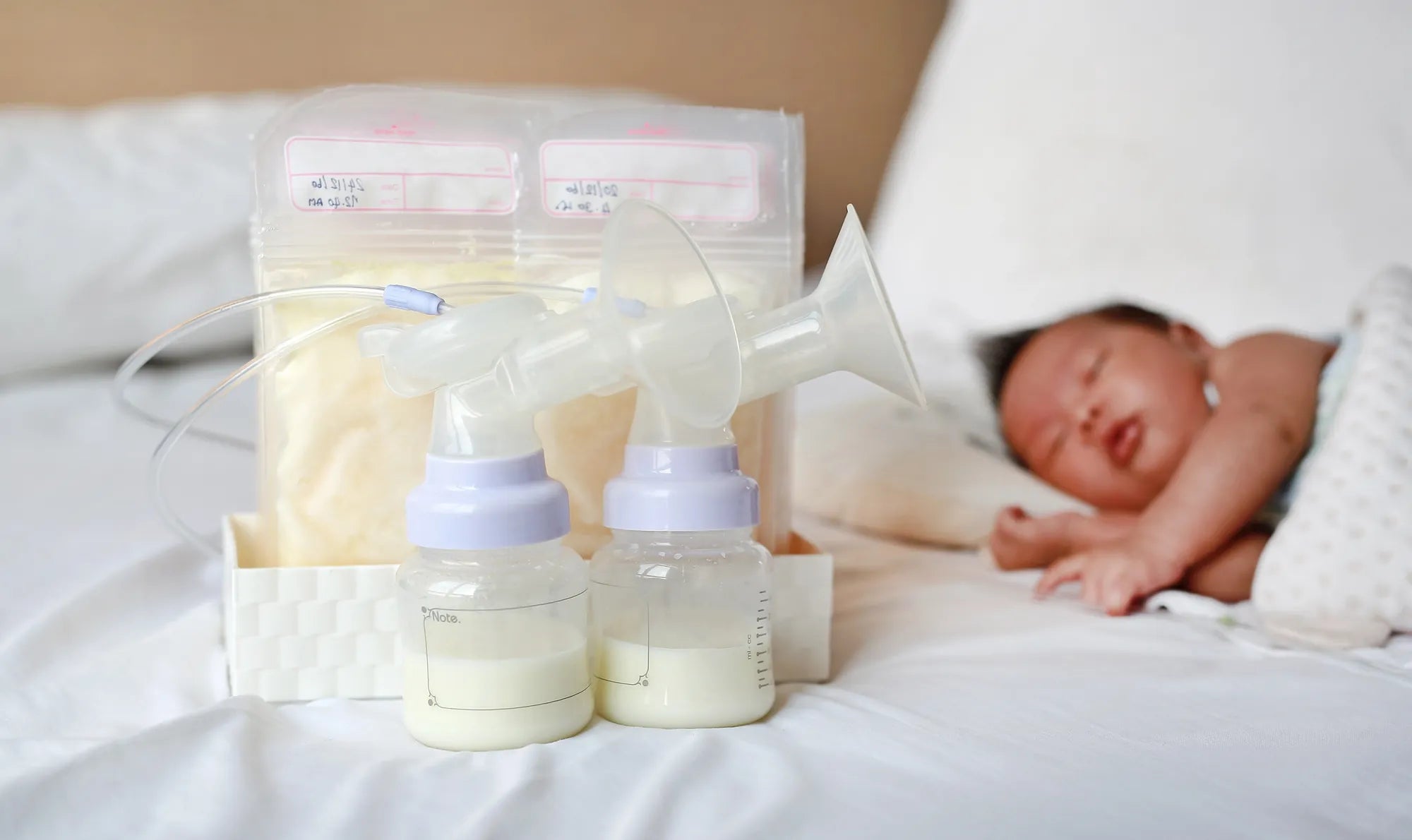
How to Apply Breast Pump: A Step-by-Step Guide for New Moms
Mastering how to apply a breast pump is a fundamental skill that unlocks flexibility and confidence for new mothers. This comprehensive guide provides a clear, step-by-step walkthrough, from understanding your equipment to optimizing each session for comfort and output. Whether you're returning to work, managing supply, or seeking shared feeding responsibilities, learning the correct application technique is key to a sustainable and positive pumping experience.
Embracing Your Breastfeeding Journey with Confidence
Breastfeeding is a beautiful, yet often demanding, journey. A breast pump is a powerful tool that provides invaluable flexibility, allowing you to maintain your milk supply, create a stash for times away from your baby, and involve partners in feeding. However, the initial steps can feel daunting. This guide aims to demystify the process entirely, transforming pumping from a chore into an empowered part of your routine. We will cover everything from pre-pump preparation to post-session care, ensuring you feel supported and informed.
Understanding the mechanics and psychology behind pumping is the first step toward success. Effective pumping relies on triggering your milk ejection reflex, or let-down, which is influenced by comfort, relaxation, and proper equipment fit. Discomfort or anxiety can inhibit this reflex, reducing output and creating a negative association. Therefore, learning how to apply a breast pump correctly is not just about the physical steps; it's about creating a calm, efficient ritual that works for you and your body.
This guide is structured to be your go-to resource, whether you're using a wearable pump for discreet multitasking or a traditional electric pump. We incorporate recommendations from lactation consultants and practical tips trusted by thousands of moms. As a brand dedicated to maternal care, MomMed designs its products, like the S21 Wearable Pump, with these principles in mind, focusing on comfort, quiet operation, and intuitive use to support you every step of the way.
Understanding Your Breast Pump: Types and Key Components
Before learning application, familiarize yourself with the main pump types. Wearable breast pumps, like the MomMed S21, are cordless, discreet units that fit inside your bra, offering ultimate hands-free mobility. Double electric pumps are powerful, stationary units ideal for frequent pumping. Manual pumps are handheld and operated by a squeeze lever, useful for occasional use. Hospital-grade pumps are heavy-duty rentals for establishing supply or for preemies.
Regardless of type, most pumps share core components. The breast shield or flange is the funnel-shaped part that fits over your breast and nipple. Its correct size is critical for comfort and efficient milk removal. Inside the shield sits a valve and membrane (often called a duckbill or backflow protector) that creates the suction rhythm and prevents milk from entering the tubing. The milk collection bottle attaches to the shield to collect expressed milk.
For electric pumps, tubing connects the shields to the motor unit, which houses the controls for suction strength and cycle speed. Wearable pumps integrate the motor into the compact cup. Knowing each part's function is essential for proper assembly, cleaning, and troubleshooting. MomMed pumps use BPA-free, food-grade silicone for all parts contacting skin or milk, ensuring safety and comfort for you and your baby.
The Essential Pre-Pump Checklist: Getting Ready for Success
Preparation sets the stage for a productive session. First, ensure all pump parts that contact milk are clean, dry, and correctly assembled. Wash your hands thoroughly. Create a relaxing environment; consider a comfortable chair, a photo or video of your baby, soothing music, or a favorite show. Have a large glass of water and a healthy snack within reach, as hydration and nutrition directly impact milk production.
The single most important preparatory step is ensuring proper flange fit. A flange that is too small can compress the nipple, causing pain and reduced output. One that is too large can pull in excess areola, also causing discomfort and inefficient milk removal. Your nipple should move freely in the tunnel without rubbing the sides, and only a small amount of areola should be drawn in. MomMed provides multiple flange sizes with its pumps and detailed sizing guides to help you find your perfect match.
Engage in a few minutes of relaxation before you begin. Gentle breast massage, applying a warm compress, or practicing deep breathing can help stimulate oxytocin, the hormone responsible for let-down. Having your pump, bottles, and a clean storage container ready means you can focus entirely on relaxation once the session starts. This pre-pump ritual is a non-negotiable part of learning how to apply a breast pump effectively.
Step-by-Step Guide: How to Correctly Apply and Use Your Breast Pump
This detailed, step-by-step process applies to most pump types, with notes for wearable-specific steps.
Step 1: Assemble and Position the Pump
Ensure all components are connected securely according to the manual. For a wearable pump like the MomMed S21, insert the assembled cups into your nursing bra or a tight-fitting bra before turning it on. For a traditional electric pump, hold the assembled shield and bottle in one hand, ready to position. Sit comfortably, leaning slightly forward to help gravity aid milk flow.
Step 2: Find Your Perfect Fit and Alignment
Center your nipple in the flange tunnel. The flange should sit flat against your breast, creating a light seal. Avoid pressing it too hard, which can block milk ducts. For wearable pumps, adjust the cup position in your bra to ensure the nipple is centered. The soft, BPA-free silicone of MomMed flanges should feel comfortable against the skin. A proper seal is vital for creating the vacuum needed for expression without causing pain.
Step 3: Initiate with the "Let-Down" Mode
Start your pump on the stimulation or let-down mode. This setting features a rapid, gentle suction cycle designed to mimic a baby's initial quick sucks, triggering your milk ejection reflex. Continue on this mode for 1-2 minutes, or until you see milk begin to flow steadily into the bottles. If your pump doesn't have a dedicated mode, use the lowest suction with a fast cycle speed.
Step 4: Switch to Expression Mode
Once milk is flowing freely, switch to the expression mode. This mode has a slower, deeper, more rhythmic suction designed to efficiently drain the breast. Gradually increase the suction level to a point that feels strong but never painful. Comfort is key—pain can inhibit let-down. MomMed pumps offer multiple adjustable modes and levels, allowing you to customize the rhythm and strength to your personal comfort.
Step 5: Monitor, Relax, and Conclude the Session
Pump for about 15-20 minutes per breast, or until milk flow significantly slows to drips. Use this time to relax: drink water, read, or watch a video. Gentle breast massage during pumping can help empty ducts fully. When finished, turn the pump off before breaking the seal. Carefully remove the flanges. Record the output if tracking supply, and immediately transfer milk to a storage bag or bottle in the refrigerator.
Optimizing Your Experience: Tips for Comfort and Efficiency
Enhance output and comfort with proven techniques. Practice hands-on pumping: before and during your session, use your hands to gently massage your breasts from the chest wall toward the nipple. This helps soften the breast and move milk. Compress your breast while pumping when the flow slows to help drain milk-rich hindmilk from the ducts.
Maintain your equipment meticulously. Regularly inspect valves and membranes for wear, as small tears can drastically reduce suction. Replace these parts every 1-3 months with genuine replacements, like those from MomMed, to ensure optimal performance. Clean all parts promptly after each use according to the manufacturer's guidelines to prevent bacterial growth.
Leverage the benefits of hands-free technology. A wearable pump allows you to move, work, or care for an older child while pumping, which can reduce stress and make sessions feel less isolating. The quiet, ultra-discreet motor of pumps like the S21 provides privacy and comfort. Staying relaxed and distracted is one of the most effective ways to encourage a strong let-down and improve overall output.
Troubleshooting Common Application and Pumping Issues
Even with perfect technique, you may encounter hurdles. This table outlines common problems and their evidence-based solutions.
| Problem | Potential Causes | Solutions |
|---|---|---|
| Low Milk Output | Incorrect flange size, infrequent sessions, stress, dehydration, poor seal. | Re-evaluate flange fit, ensure a proper seal, pump more frequently (8-12 times in 24 hrs), hydrate, practice relaxation, use hands-on techniques. |
| Pain or Discomfort | Flange is too small/large, suction set too high, dry friction. | Measure for correct flange size, lower suction to comfortable level, apply a pure lanolin or coconut oil to the flange rim before pumping. |
| Poor or No Suction | Valve/membrane is damaged or wet, tubing disconnect, weak motor. | Check and replace valve/membrane, ensure all connections are tight and dry, test motor on different outlet. |
| Difficulty Triggering Let-Down | Anxiety, distraction, rushing the process. | Create a consistent pre-pump ritual, use visualization or baby's scent, ensure you use let-down mode for full 2-3 minutes. |
| Milk Leaking from Flange | Poor seal, flange misalignment, overflow from strong let-down. | Re-center nipple, ensure flange is flat against breast, start pumping with bottles tilted slightly upward. |
If you experience sharp pain, redness, fever, or flu-like symptoms, you may have a plugged duct or mastitis. Consult a healthcare provider or lactation consultant immediately. Frequent, effective milk removal is the best treatment and prevention.
Frequently Asked Questions (FAQs) About Applying a Breast Pump
How often should I pump, and for how long?
To establish or maintain supply, aim to pump as often as your baby nurses, typically 8-12 times in 24 hours, including one session overnight. Each session should last about 15-20 minutes per breast, or until milk flow slows to drips. Double pumping (both breasts at once) saves time and can boost prolactin levels.
How do I know if my flange fits correctly?
After pumping, your nipple should not be blanched (white), swollen, or rubbing against the tunnel sides. Only a small amount of areola should be drawn in. The process should be comfortable. If you see more than a quarter-inch of areola being pulled in or experience pain, you likely need a different size.
Can I use nipple cream before pumping?
Yes, but use it sparingly. Apply a small amount of a baby-safe, pure product like lanolin or coconut oil to the nipple and areola after feeding/pumping. If applied just before pumping, wipe off any excess from the nipple tip to ensure it doesn't interfere with the pump's seal or valve function.
Why is my wearable pump not suctioning properly?
First, ensure it's correctly positioned in your bra with the nipple centered. Check that the valve and membrane are clean, dry, and properly inserted. Ensure the battery is charged. If problems persist, try the parts on the other cup to isolate if it's a part or motor issue, and contact customer support for genuine replacements.
Is it normal for pumping to feel different than breastfeeding?
Absolutely. A baby's suck is dynamic and nuanced, while a pump provides a rhythmic, mechanical pull. The sensation is different, and output can vary. Some women never feel a distinct let-down with a pump but see milk flowing. Focus on output and comfort, not comparing the sensations directly.
Conclusion: Empowering Your Feeding Choice with Ease and Support
Mastering how to apply a breast pump is a skill that grows with practice and patience. The key takeaways are preparation, correct flange fit, and prioritizing comfort to work with your body's natural physiology. Remember, your pumping journey is unique, and it's okay to adapt techniques to what works best for you and your baby.
Investing in equipment designed for comfort and efficiency can transform your experience. MomMed is committed to supporting modern mothers with innovative, reliable products. The award-winning S21 Double Wearable Breast Pump, for example, is engineered for ultra-quiet, discreet, and comfortable pumping, allowing you to maintain your routine without compromise.
You are not alone in this journey. Trust your body, seek support from lactation professionals when needed, and give yourself grace. Whether you pump exclusively, occasionally, or anywhere in between, you are providing nourishment for your child. For tools designed to support you every step of the way, shop the MomMed collection at mommed.com for all your breastfeeding and pregnancy needs.