


Startseite
Pregnancy, Breastfeeding, and Pumping: The Ultimate Guide for Moms
How Soon Can You Take a Pregnancy Test: A Comprehensive Guide
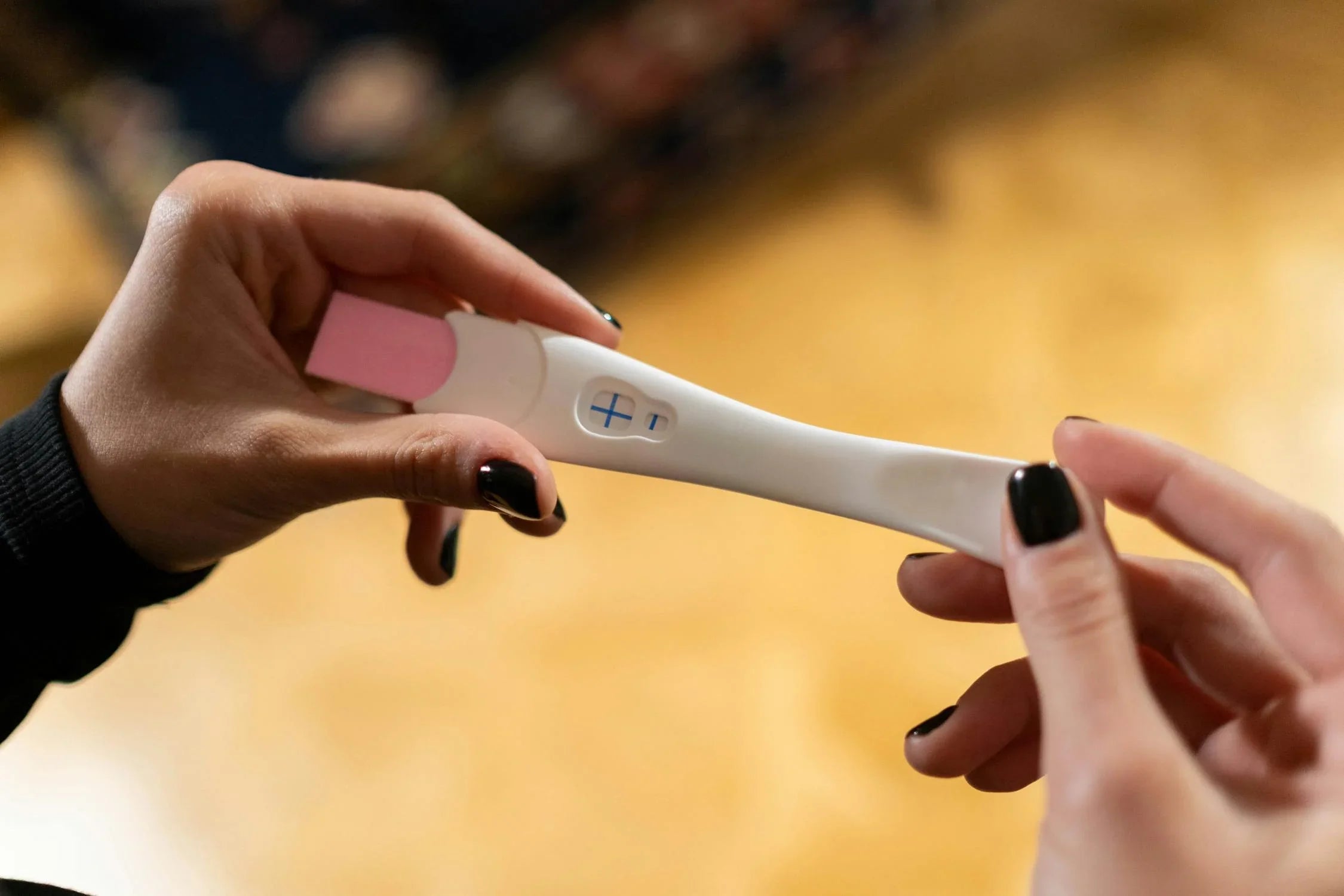
How Soon Can You Take a Pregnancy Test: A Comprehensive Guide
Waiting to take a pregnancy test can be an anxious time filled with questions. Understanding the precise timeline for accurate testing empowers you with knowledge and reduces uncertainty. This comprehensive guide will detail exactly how soon you can test, how pregnancy tests work, the critical factors that influence results, and the clear next steps after you see those lines. We'll provide data-driven insights, from the biology of implantation to interpreting results, ensuring you have the factual information needed during this pivotal moment.
Understanding Pregnancy Tests and How They Work
All pregnancy tests, whether at home or in a clinic, detect the presence of a hormone called human chorionic gonadotropin (hCG). This hormone is produced by the cells that will eventually form the placenta, shortly after a fertilized egg attaches to the uterine lining in a process called implantation.
There are two primary types of pregnancy tests: urine tests and blood tests. Home pregnancy tests are urine-based and are designed to be highly specific for hCG. They contain antibodies that bind to the hCG molecule if it is present in your urine, triggering a visual signal—typically a line, plus sign, or digital readout.
Blood tests, administered by a healthcare provider, measure hCG quantitatively (the exact amount in your blood) or qualitatively (simply yes or no). Quantitative blood tests are more sensitive and can detect lower levels of hCG earlier than most urine tests, and they can also track the rate of increase, which is important for monitoring early pregnancy health.
The core principle is simple: no hCG, no positive test. The key variable is how soon after conception your body produces enough hCG for the test you are using to detect it. This makes timing and test sensitivity paramount.
How Soon Can You Test? The Timeline Explained
The question of how soon can you take a pregnancy test is best answered by understanding the biological sequence from ovulation to detection. The timeline is not measured from the date of intercourse, but from ovulation and subsequent implantation.
Conception occurs when a sperm fertilizes an egg, typically within 24 hours of ovulation. The fertilized egg (now a zygote) then begins a journey down the fallopian tube toward the uterus, undergoing cell division along the way. This journey takes several days.
The critical event for testing is implantation, which occurs when the developing embryo embeds itself into the nutrient-rich uterine lining. Only after implantation does the body start producing significant, detectable amounts of hCG. This process usually happens between 6 and 12 days after ovulation, with day 9 being common.
Therefore, testing before implantation has occurred will always result in a negative test, as there is no hCG to detect. The testing countdown truly begins post-implantation.
The Role of Implantation and hCG Rise
Implantation is the non-negotiable starting gun for hCG production. Once the embryo implants, cells called trophoblasts begin secreting hCG. The initial amount is very small but increases rapidly.
In a viable early pregnancy, hCG levels typically double approximately every 48 to 72 hours. This exponential rise is why a test might be negative one day and positive just two days later. The rate of this rise is more important than a single number in early pregnancy monitoring.
The timeline can vary slightly from person to person. Early implantation (around 6-7 days post-ovulation) may lead to an early positive test. Later implantation (up to 12 days post-ovulation) means a later positive test. This variation is a primary reason for false negatives when testing prematurely.
Tracking your cycle using methods like basal body temperature charting or ovulation predictor kits (OPKs) can help you estimate your ovulation date more accurately, which in turn allows you to calculate your "days past ovulation" (DPO) for more informed testing.
General Guidelines: When to Take a Home Pregnancy Test
For the most reliable, definitive result, the universal medical advice is to take a home pregnancy test on or after the first day of your missed period. By this point, if you are pregnant, hCG levels are almost always high enough to be detected by any over-the-counter test.
Many tests on the market are marketed as "early detection" tests. These claim to detect pregnancy 4, 5, or 6 days before your expected period. While this is technically possible with sensitive tests and early implantation, accuracy at this stage is significantly lower.
The table below illustrates the statistical probability of detecting a pregnancy based on days before your missed period, highlighting why waiting improves accuracy:
| Days Before Missed Period | Approximate Detection Rate | Notes |
|---|---|---|
| 1 day before | ~98% | Highly accurate for most users. |
| 2-3 days before | ~90-95% | Good accuracy, but false negatives possible. |
| 4-5 days before | ~60-75% | Significant chance of false negative; early implantation required. |
| 6+ days before | <50% | Very unreliable; testing is largely speculative. |
Patience, while difficult, is the surest path to an unambiguous result. If you test early and get a negative, you should always consider retesting after your missed period or in another 3-5 days if your period does not arrive.
Factors That Influence Test Timing and Accuracy
Beyond the calendar date, several individual factors play a crucial role in determining the optimal test time and the reliability of the result. Understanding these variables helps personalize the guidance.
Irregular Cycles and Ovulation Tracking
If you have irregular menstrual cycles, predicting the day of your missed period is challenging. Testing based on a standard 28-day cycle may lead you to test far too early or too late.
For those with irregular cycles, it is more effective to track ovulation. Using ovulation predictor kits (OPKs) or monitoring cervical mucus can help identify your fertile window. Once you pinpoint ovulation, you can calculate your testing timeline based on DPO (e.g., testing no earlier than 10-12 DPO for a reliable result).
If you do not track ovulation, a practical rule is to wait until the longest your cycle usually goes (e.g., if cycles range from 32 to 40 days, wait until day 40) to test, or until you have gone at least 21 days since the last unprotected intercourse, as sperm can survive for several days.
Consulting with a healthcare provider can also help manage irregular cycles and provide personalized guidance for family planning and pregnancy testing.
Sensitivity of the Pregnancy Test
Not all pregnancy tests are created equal. Their sensitivity is measured in milli-international units per milliliter (mIU/mL). This number represents the minimum concentration of hCG in urine that the test can detect.
A test with a sensitivity of 10 mIU/mL can detect lower levels of hCG and therefore may show a positive result earlier than a test with a sensitivity of 25 mIU/mL or 50 mIU/mL. Most standard drugstore tests have a sensitivity of 25 mIU/mL, while many early detection brands boast 10 mIU/mL sensitivity.
It is essential to check the package insert for this information. At MomMed, we believe in transparency and empowerment. Our pregnancy test kits provide clear sensitivity information, so you know exactly what level of hCG they detect, giving you confidence during a time that demands clarity and reliability.
Remember, a more sensitive test is not inherently "better"; it simply may detect a pregnancy sooner. However, it may also be more prone to very faint lines or potential confusion with chemical pregnancies.
Time of Day and Test Procedure
For the earliest possible detection, the concentration of hCG in your urine matters. The most concentrated urine is typically your first-morning urine, as it has collected over several hours while you slept.
Using first-morning urine is especially important if you are testing several days before your expected period. If you test later in the day, ensure you have not consumed large amounts of fluids beforehand, as this can dilute your urine and potentially lead to a false negative.
Strictly following the test instructions is non-negotiable for accuracy. This includes: using the test within its expiration date, holding the test stick in the urine stream or sample for the exact time specified, laying it flat, and reading the results within the designated time window (usually 3-5 minutes). Reading a test after 10 minutes can sometimes show an evaporation line, which is not a positive result.
Navigating the Results: Next Steps and Common Questions
Seeing the result, whether positive or negative, brings a wave of emotion and a new set of questions. Here’s a factual guide on what your result means and the recommended next steps.
You Got a Positive Test: What to Do Now
A positive home pregnancy test is highly accurate when performed correctly. The antibodies in the test are designed to react almost exclusively to hCG, making false positives very rare.
Your first step should be to schedule an appointment with your healthcare provider. They will confirm the pregnancy, likely with a blood test, and initiate prenatal care. This includes discussing prenatal vitamins (which should contain at least 400 mcg of folic acid), lifestyle adjustments, and establishing a due date.
This is also a good time to start thinking about your support system and planning for the journey ahead. Whether it's your first pregnancy or not, reliable information and products become essential. From this very first confirmation, MomMed is here as a trusted partner, offering products designed for comfort and confidence through pregnancy, birth, and breastfeeding.
Begin taking a prenatal vitamin immediately if you aren't already. Avoid alcohol, tobacco, and consult your doctor about any medications you are taking.
You Got a Negative Test But Still Suspect Pregnancy
A negative result is less definitive than a positive one, especially if tested early. The most common reason for a false negative is testing too soon—before implantation or before hCG has risen to a detectable level.
Other reasons include using diluted urine, not following test instructions correctly, or a test that is expired or faulty. Certain medications, like diuretics or antihistamines, can also theoretically affect urine concentration.
If you receive a negative test but your period does not arrive, wait 3 to 5 days and test again using first-morning urine. If multiple tests are negative and your period is significantly late, consult your healthcare provider. Underlying factors like stress, hormonal imbalances, thyroid issues, or significant weight changes can cause missed periods.
Always listen to your body. If you experience strong pregnancy symptoms despite a negative test, seeking professional medical advice is the best course of action for personalized evaluation.
Understanding Chemical Pregnancies
A chemical pregnancy is a very early pregnancy loss that occurs shortly after implantation. It is termed "chemical" because it is detected only by the chemical presence of hCG (via a pregnancy test) but not yet by ultrasound.
In a chemical pregnancy, implantation occurs and hCG is produced, leading to a positive pregnancy test. However, the pregnancy does not progress, hCG levels fall, and a menstrual period arrives, often on time or slightly late, possibly heavier than usual. A follow-up test would then be negative.
This is a common experience, accounting for a significant percentage of early pregnancies. It can be emotionally confusing, as it involves the hope of a positive test followed by disappointment. Understanding this possibility provides important context for early test results.
If you suspect you have experienced a chemical pregnancy, it's completely valid to discuss it with your doctor. They can offer support and confirm that no further medical intervention is typically needed, as it is a natural process the body manages on its own.
Comparing Different Types of Pregnancy Tests
Choosing a test can be overwhelming. Here’s a breakdown of the common formats and technologies to help you decide what might work best for your situation.
Strip Tests: These are simple, thin strips dipped into a collected urine sample. They are often the most affordable option but can be trickier to use and interpret. They are widely used in clinical settings and are available for home use.
Midstream Tests: The most common home test format. They are held in the urine stream, have an absorbent tip, and a clear result window. They are convenient, hygienic, and easy to use. Many early detection tests come in this format.
Digital Tests: These use the same technology as midstream tests but display the result in clear words (e.g., "Pregnant" or "Not Pregnant") on a digital screen. They eliminate line interpretation anxiety but are often more expensive. Some advanced digital tests even estimate the number of weeks since conception.
Regardless of the format, the core technology for detecting hCG is similar. Your choice should be based on your preference for ease-of-use, clarity of results, and sensitivity. MomMed’s tests are designed for maximum clarity and reliability, ensuring you don’t have to second-guess the results during a stressful moment.
Frequently Asked Questions (FAQ)
Q: Can I take a pregnancy test at night?
A: Yes, but it’s less ideal for early testing. If you are testing before your missed period, first-morning urine is best. If your period is already late, hCG levels are usually high enough to be detected at any time of day, provided your urine isn’t overly diluted.
Q: How soon after unprotected sex can I test?
A> You must wait for ovulation, fertilization, implantation, and hCG production to occur. This takes at least 6-7 days post-ovulation at a minimum. A more reliable guideline is to wait until at least 10-14 days after unprotected sex, or better yet, until the day of your missed period.
Q: What does a faint line mean?
A: Any distinct line in the test region, even a faint one, usually indicates the presence of hCG and is considered a positive result. The faintness often reflects a lower level of hCG, common in very early pregnancy. Test again in 48 hours; the line should become darker as hCG levels rise.
Q: Can medications affect my test result?
A> Most common medications (including birth control pills, antibiotics, and pain relievers) do not affect home pregnancy test results. Fertility drugs containing hCG (like some injections used in IVF) can cause a false positive. Always inform your doctor of all medications you are taking.
Q: How accurate are home pregnancy tests?
A: When used correctly on or after the day of a missed period, FDA-cleared home pregnancy tests are about 99% accurate. Accuracy drops the earlier you test before your missed period. Following instructions precisely is critical to achieving this stated accuracy.
The MomMed Philosophy: Trust from the First Test to the First Feed
The journey of motherhood is marked by moments that require absolute trust in the tools you use. While MomMed is celebrated for its innovative, award-winning wearable breast pumps like the S21 Double Wearable Pump—known for its quiet, comfortable, and BPA-free design—our commitment begins much earlier.
We understand that the path starts with a moment of uncertainty resolved by a simple test. That’s why our approach to maternal care is holistic. Our pregnancy test kits are engineered with the same dedication to reliability, clarity, and user-friendly design that defines all our products. We provide transparent sensitivity information so you can test with confidence.
This philosophy of support continues seamlessly. A positive test leads to planning for feeding. Whether you choose to breastfeed directly, pump, or combine both, comfort and efficiency are key. Proper latch, managing milk supply, finding the correct flange fit, and establishing a pumping schedule are all critical. Our wearable pumps are designed to integrate into a new mother’s life, offering hands-free convenience without compromising on suction strength or comfort, helping to address common concerns like engorgement or establishing a supply.
From that first life-changing test result to navigating early feeding and baby care, MomMed strives to be your trusted partner, offering evidence-based information and thoughtfully designed products for every stage.
Key Takeaways and Moving Forward with Confidence
The most reliable answer to how soon can you take a pregnancy test is: on or after the day of your missed period. While early detection tests offer a tempting preview, patience yields the most accurate and emotionally clear result. Understanding your own cycle, the science of implantation, and the specifics of test sensitivity turns a process of anxious guessing into one of informed waiting.
Always follow test instructions meticulously and use first-morning urine when testing early. Interpret results within the stated time frame and confirm any positive result with a healthcare provider to begin essential prenatal care. Remember, a negative test with a missed period warrants a retest in a few days or a consultation with your doctor.
Trust your instincts, but ground your decisions in factual information. This journey, from hopeful waiting to confirmed pregnancy and beyond, is one of profound transformation. Having reliable partners makes all the difference. For trusted maternal and baby care essentials—from pregnancy tests that offer clarity to wearable breast pumps that provide freedom—explore the MomMed collection. We are here to support you with innovative, comfortable, and safe products every step of the way.
Shop the MomMed collection at mommed.com for all your breastfeeding and pregnancy needs.