


Startseite
Pregnancy, Breastfeeding, and Pumping: The Ultimate Guide for Moms
How Often to Pump Breast Milk to Maintain Supply: The Evidence-Based Guide
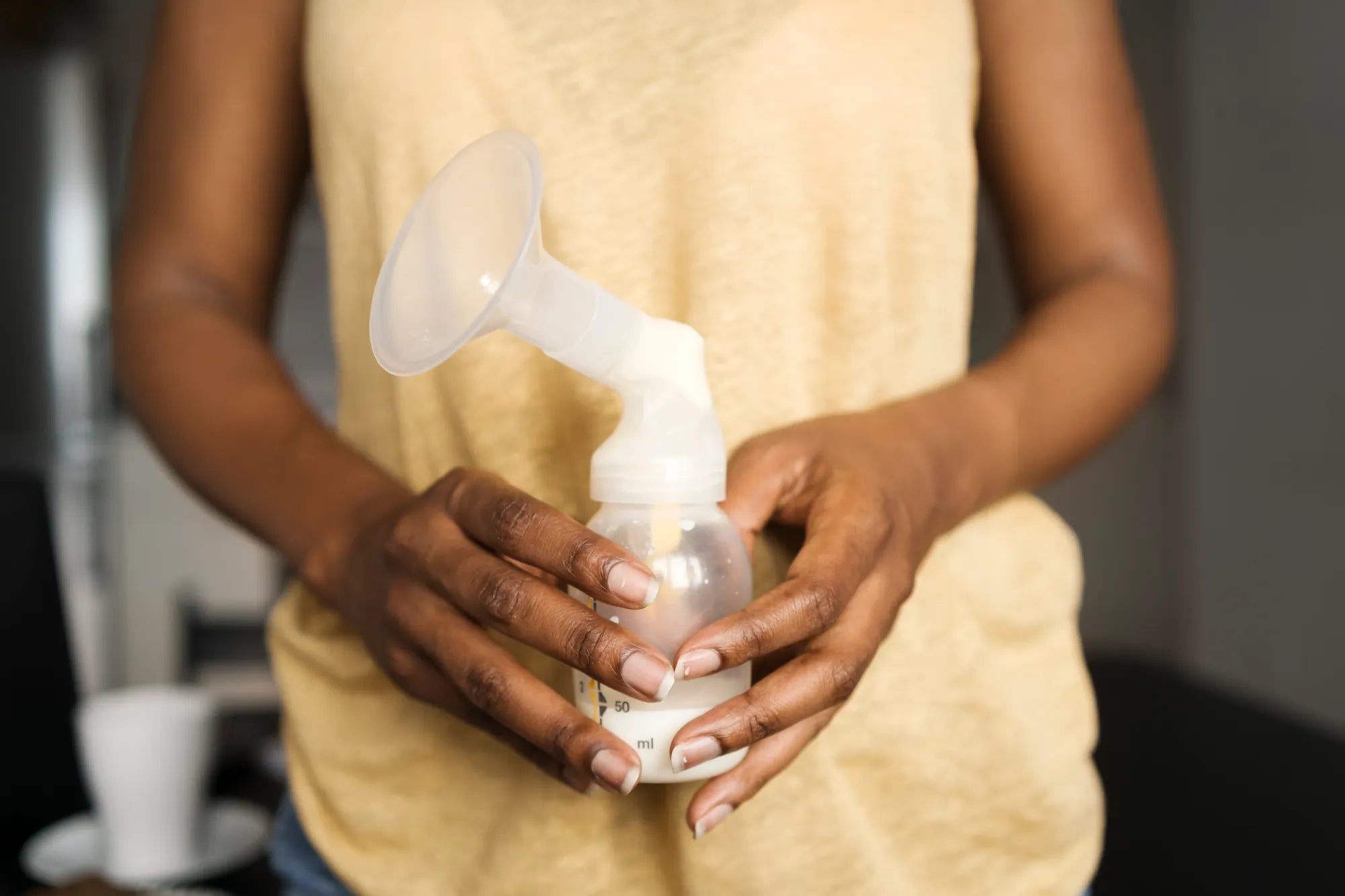
How Often to Pump Breast Milk to Maintain Supply: The Evidence-Based Guide
Introduction: Understanding the Rhythm of Pumping for a Healthy Milk Supply
Figuring out how often to pump breast milk to maintain supply is one of the most common and crucial questions for pumping parents. Your milk production operates on a simple but powerful principle: supply meets demand. Whether you're returning to work, exclusively pumping, or building a freezer stash, establishing the right pumping rhythm signals your body to produce the milk your baby needs. This guide provides evidence-based, practical schedules tailored to different goals and stages, empowering you with knowledge and confidence. We'll also explore how using comfortable, efficient tools, like MomMed's wearable breast pumps, can make maintaining this essential frequency more manageable and integrated into your daily life.
Why Pumping Frequency is the Cornerstone of Milk Supply
Lactation is a hormonally-driven process rooted in frequent milk removal. The primary hormone, prolactin, is stimulated each time milk is effectively removed from the breasts, signaling your body to make more. Conversely, when milk remains in the alveoli (the milk-producing sacs), a feedback inhibitor of lactation (FIL) protein accumulates, gradually slowing production. Therefore, consistent and effective pumping mimics a baby's nursing pattern, providing the clearest biological directive to maintain or increase output. It's not just about total volume pumped in a day; the frequency of removal is a critical, independent signal. Skipping or delaying sessions can inadvertently tell your body that less milk is required, potentially leading to a dip in supply that requires effort to rebuild.
How Often to Pump: Detailed Guidelines for Every Stage and Goal
The ideal pumping frequency is not one-size-fits-all; it adapts to your baby's age, your feeding method, and your personal goals. The following schedules are based on consensus recommendations from lactation consultants and pediatric organizations.
For Establishing Supply in the Early Weeks (0-6 Weeks)
This critical period is about setting a strong production foundation. Aim to pump 8 to 12 times per 24 hours, mimicking a newborn's natural feeding rhythm. If you are both breastfeeding and pumping, add pumping sessions after or between some nursing sessions. Consistency is paramount, especially at night; try not to go longer than 4-5 hours without pumping or nursing to keep prolactin levels high. This frequent removal helps establish robust prolactin receptor sites in your breast tissue, which is key for long-term supply capacity.
For Maintaining Supply with a Full-Term Baby (After 6-12 Weeks)
Once your supply is well-established and begins to "regulate" (shifting from hormonally-driven to more demand-driven), you can often maintain it with slightly fewer sessions. For a parent who is primarily nursing but pumping for occasional bottles, pumping about every 3-4 hours, or roughly 7-8 times per 24 hours, is typically sufficient. The key is to pump each time you miss a direct nursing session with your baby. This direct substitution helps ensure your body doesn't perceive a drop in demand.
For Exclusive Pumping
As the sole source of milk removal, your pump schedule must fully replace a baby's nursing pattern. Most exclusive pumpers find success with 7-8 total pumping sessions per 24 hours, focusing on the number of sessions rather than rigid clock times. Many incorporate one "power pumping" session daily—a technique that mimics cluster feeding—to provide an extra boost in demand. Consistency over the full 24-hour period remains essential to avoid a gradual supply decrease.
For Increasing Low Milk Supply
If you need to increase output, the strategy is to temporarily increase demand signals. This often means adding more sessions, bringing your total to 9-12 per 24 hours. Incorporating 1-2 power pumping sessions daily can be highly effective. Concurrently, you must audit your pumping setup: ensure your breast pump flanges are correctly sized, your pump parts are in good condition, and you're using effective pumping techniques. Increasing frequency without effective milk removal may not yield the desired results.
For Pumping at Work
The goal during a workday is to approximate the feedings your baby would have in your absence. For an 8-10 hour separation, planning for 2-3 pumping sessions, spaced about every 2-3 hours, is standard. This helps maintain supply and provides milk for the next day. The practicality of this schedule hinges on having a reliable, efficient, and discreet pump. A comfortable wearable pump, like the MomMed S21 Double Wearable Breast Pump, can make adhering to this frequency easier by offering hands-free operation and quiet discretion, reducing stress and saving precious time.
Optimizing Your Pumping Sessions for Maximum Output
Frequency sets the schedule, but optimization ensures each session is as productive as possible. Mastering these elements can significantly impact your total daily output and comfort.
Finding Your Perfect Fit: Flange Size is Non-Negotiable
An incorrectly sized breast shield (flange) is a leading cause of low output and discomfort. A flange that is too large will draw excess areola into the tunnel, causing friction and inefficient milk removal. One that is too small can constrict the nipple, inhibiting milk flow. Your nipple should move freely without rubbing against the tunnel sides, with only a small amount of areola drawn in. MomMed pumps come with multiple flange size options and a sizing guide, emphasizing that proper fit is foundational to effective pumping.
Using Your Pump Effectively: Settings and Technique
Modern electric pumps have modes designed to mimic a baby's nursing. Start with the stimulation or let-down mode (fast, light suction) for 1-2 minutes until milk flow begins. Then, switch to expression mode (slower, deeper suction) at the highest comfortable vacuum level. Using hands-on pumping techniques—gentle breast compression and massage before and during the session—can help empty the breasts more thoroughly. Ensure all pump parts, especially valves and membranes, are replaced regularly as wear diminishes suction efficiency.
Creating a Relaxing, Oxytocin-Friendly Routine
Milk ejection is triggered by the hormone oxytocin, which is sensitive to stress. Create a calming ritual: look at photos or videos of your baby, practice deep breathing, use a warm compress on your breasts beforehand, and stay hydrated. The convenience and discretion of a wearable pump can itself reduce stress by allowing you to move freely and multitask, rather than being tethered to a wall outlet, making it easier to relax and letdown.
Common Pumping Schedules and How to Read Your Body's Signals
While sample schedules provide a template, your body gives the most important feedback. Here is a comparison of two common scenarios:
| Schedule Type | Sample Timing (24-hour period) | Total Sessions | Key Considerations |
|---|---|---|---|
| Exclusive Pumper | 7:00 AM, 10:00 AM, 1:00 PM, 4:00 PM, 7:00 PM, 10:00 PM, 2:00 AM* | 7 | Includes one longer overnight interval. Consistency is critical. Total session number matters more than exact clock times. |
| Working Parent (Nursing at home) | Nurse 6:00 AM, Pump 10:00 AM, Pump 1:00 PM, Pump 4:00 PM, Nurse 6:00 PM, Nurse before bed, Nurse overnight as needed. | 3 Pumps + Nursings | Pumps directly replace missed nursing sessions. A wearable pump can facilitate sessions at work. |
Listen to your body's signals. Feelings of fullness between sessions are normal, but persistent engorgement or pain may indicate you need to pump more frequently or effectively. Conversely, never feeling full might be a sign of well-regulated supply, but a sudden drop in output warrants evaluation. Crucially, avoid the temptation to "save up" milk by skipping a session; this often backfires by reducing overall supply.
Troubleshooting: Signs Your Pumping Frequency Needs Adjustment
Your body will often indicate if your current routine needs tweaking. A sudden, sustained drop in output per session is the most common red flag, suggesting a need to add a session or incorporate power pumping. Frequent clogged ducts or mastitis can signal that the breasts are not being emptied thoroughly or often enough. If your baby seems unsatisfied after bottles or their growth curve slows, it may indicate that your pumped volume isn't meeting their current needs, requiring a schedule review. Always rule out other issues first, such as pump part wear, flange fit, or medication changes. Consulting an International Board Certified Lactation Consultant (IBCLC) is recommended for persistent challenges.
Frequently Asked Questions (FAQs) on Pumping Frequency
Q: How long should each pumping session last?
A: Most sessions last 15-20 minutes per breast, or until milk flow significantly slows (about 2-3 minutes after the last drip). Ensure you're using your pump's let-down mode to trigger multiple milk ejections per session.
Q: Can I pump too often?
A: While frequent pumping is generally safe, excessive frequency (e.g., every hour around the clock) without adequate rest can lead to nipple damage and burnout. Stick to evidence-based ranges (8-12 times early on, 7-8 times for maintenance) unless specifically advised by a lactation consultant for a short-term increase.
Q: Is it okay to drop the middle-of-the-night pump?
A: Once your supply is well-regulated (usually after 12 weeks), many parents can drop the night pump and maintain supply by ensuring they pump frequently enough during the day. However, dropping it too early in the establishment phase is a common cause of supply issues. Proceed cautiously and monitor your output.
Q: How does a wearable pump like the MomMed S21 affect frequency needs?
A: It doesn't change the physiological need for frequency—your body still requires regular milk removal. However, the comfort, discretion, and hands-free design of a pump like the MomMed S21 can make adhering to the recommended schedule significantly easier and more sustainable, especially for busy parents or those pumping at work.
Q: What if I miss a pumping session?
A> Don't panic. Pump as soon as you can. At your next session, you might pump a bit longer or add a few minutes of hand expression to ensure thorough emptying. One missed session is unlikely to impact long-term supply, but try to avoid making it a habit.
Q: How do I know if I'm emptying my breasts effectively?
A> Signs of effective emptying include breasts feeling softer and lighter after pumping, a noticeable slowing of milk flow to drips, and achieving your typical output range. Using hands-on compression and ensuring proper flange fit are key to complete emptying.
Building a Sustainable and Confident Pumping Routine
Mastering how often to pump breast milk to maintain supply is a blend of science, self-awareness, and practical strategy. Remember, consistency trumps perfection. A routine that you can sustain is far more valuable than a rigid schedule that leads to stress. Equip yourself with knowledge and tools that support your journey. Trusted, innovative products designed with a parent's comfort in mind, like the wearable and electric breast pumps from MomMed, exist to help you meet your feeding goals with greater ease. You are providing for your baby in an incredible way. Trust your body, seek support when needed, and know that every session is an investment in your baby's health and your own feeding journey. Shop the MomMed collection at mommed.com for all your breastfeeding and pregnancy needs, from comfortable pumps to reliable test kits and essential baby care products.