


Startseite
Pregnancy, Breastfeeding, and Pumping: The Ultimate Guide for Moms
How Long Will Breast Milk Last After Pumping: The Complete Storage Guide
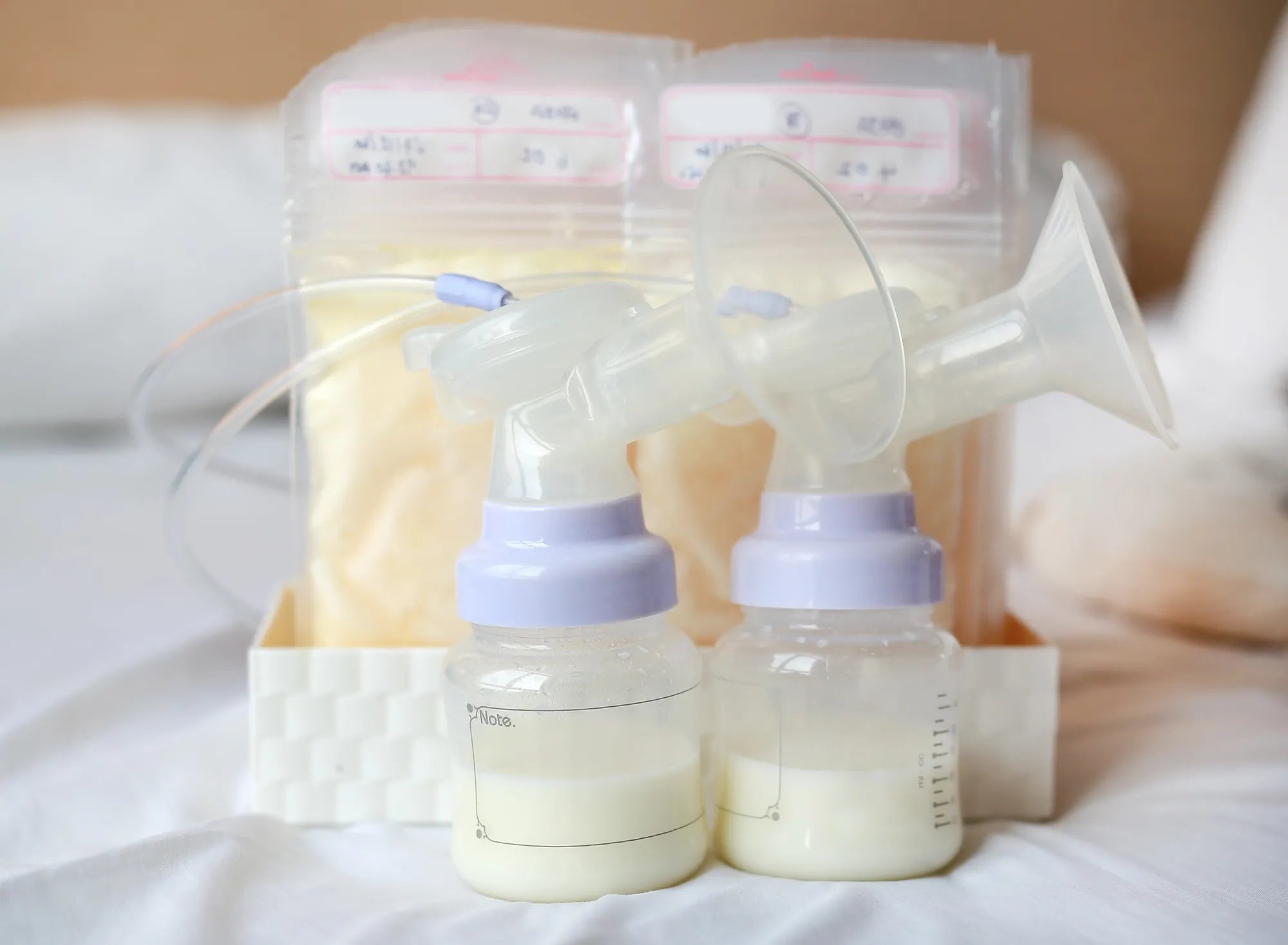
How Long Will Breast Milk Last After Pumping: The Complete Storage Guide
Knowing how long breast milk lasts after pumping is essential for every breastfeeding parent. This comprehensive guide provides evidence-based storage guidelines, practical handling tips, and answers to common questions to ensure your expressed milk remains safe and nutritious. Whether you're returning to work, building a freezer stash, or occasionally pumping, understanding proper storage protocols protects your baby's health and preserves your hard-earned liquid gold.
Understanding Breast Milk Composition and Preservation
Breast milk is a living substance containing antibodies, live cells, and beneficial bacteria that protect your baby. These bioactive components begin to degrade when exposed to improper temperatures or contamination. The question of how long will breast milk last after pumping depends on multiple factors including storage temperature, container type, and handling practices.
Freshly expressed breast milk contains higher levels of antioxidants and immune factors compared to refrigerated or frozen milk. However, properly stored milk still provides superior nutrition to formula. The key is minimizing bacterial growth while preserving nutritional quality through correct storage methods.
Research shows that refrigeration slows bacterial growth significantly, while freezing preserves milk for extended periods with gradual nutrient loss. Understanding these principles helps you make informed decisions about milk storage and usage timelines.
This guide synthesizes recommendations from the Centers for Disease Control (CDC), Academy of Breastfeeding Medicine, and recent lactation research. Following these evidence-based guidelines ensures your baby receives safe, high-quality nutrition regardless of feeding method.
Official Storage Guidelines: Temperature and Timeframes
The CDC provides clear guidelines for breast milk storage that balance safety with practicality. These recommendations apply to healthy, full-term infants and may differ for premature or medically fragile babies. Always consult your pediatrician for specific guidance regarding your child's needs.
How long will breast milk last after pumping at room temperature? Freshly expressed milk can safely remain at room temperature (up to 77°F or 25°C) for up to 4 hours. In warmer environments (above 77°F), this window decreases to 2 hours or less. For optimal safety, refrigerate milk promptly if not feeding within 2 hours.
Refrigerated breast milk stored at 40°F (4°C) or below remains safe for up to 4 days. Place milk toward the back of the refrigerator where temperatures remain most consistent, not in the door where temperature fluctuations occur. Use airtight containers specifically designed for milk storage to prevent contamination.
Frozen breast milk longevity depends on freezer type. In a standard freezer compartment within a refrigerator (typically around 0°F or -18°C), milk remains safe for up to 6 months. In a deep freezer maintaining 0°F or below, breast milk can be stored for 12 months. Label all containers with the expression date to follow first-in, first-out usage.
Factors That Impact Breast Milk Longevity
Several variables influence how long breast milk lasts after pumping beyond basic temperature guidelines. Understanding these factors helps you optimize storage conditions and recognize when milk might need earlier use.
Hygiene and Handling Practices
Proper hygiene during pumping and handling significantly extends milk safety. Always wash hands thoroughly before expressing milk or handling pump parts. Clean pump components according to manufacturer instructions after each use. MomMed breast pumps feature BPA-free, food-grade silicone parts that are dishwasher-safe for thorough cleaning.
Bacterial introduction during pumping can accelerate spoilage even with proper storage. Using a closed-system pump like MomMed's S21 Wearable Breast Pump prevents milk from entering tubing, reducing contamination risk. Regular replacement of pump membranes and valves maintains optimal suction and hygiene.
Storage Container Selection
Container choice affects both safety and nutrient preservation. Glass or hard plastic BPA-free bottles with tight-fitting lids offer excellent protection. Breast milk storage bags designed specifically for freezing provide space-efficient options but are more prone to leaks and freezer burn if not properly sealed.
Leave approximately one inch of space at the top of containers when freezing to allow for expansion. Never store milk in disposable bottle liners or plastic bags not designed for breast milk storage. For moms using MomMed pumps, the compatible storage bottles provide seamless transition from pumping to feeding to storage.
Milk Characteristics and Composition
Fore milk (the thinner milk at the beginning of a feeding) and hind milk (the richer milk later in a feeding) have slightly different fat compositions that may affect storage. However, research shows both store equally well under proper conditions. Milk from mothers with higher lipase activity—an enzyme that breaks down fats—may develop a soapy smell when frozen but remains safe for consumption.
Colostrum, the first milk produced after birth, contains particularly high levels of immune factors. Some studies suggest it may have different storage requirements, though current guidelines apply the same timeframes. When in doubt, follow the most conservative storage recommendations.
Step-by-Step Storage and Handling Protocol
Following a consistent routine ensures milk safety from expression to feeding. This protocol minimizes contamination risk while preserving nutritional quality throughout the storage period.
Immediately After Pumping
Label containers with the date and time of expression before storing. If combining milk from multiple pumping sessions within the same day, cool the newly expressed milk in the refrigerator for at least one hour before adding to previously cooled milk. This prevents warming the older milk, which could encourage bacterial growth.
How long will breast milk last after pumping if you're combining sessions? The storage clock begins with the oldest milk in the combination. For example, if you add milk pumped at 2 PM to milk pumped at 10 AM, the entire batch should be used within 4 days of the 10 AM pumping (assuming refrigeration).
Freezing Techniques for Optimal Preservation
For long-term storage, freeze milk as soon as possible after pumping. Lay breast milk storage bags flat to freeze—this creates thinner blocks that thaw more quickly and maximizes freezer space. Once frozen solid, you can stand bags upright for organized storage.
Consider freezing milk in small portions (2-4 ounces) to avoid waste, as thawed milk cannot be refrozen. For larger volumes needed for daycare, 4-6 ounce portions typically work well. MomMed's storage system includes adapters that allow direct pumping into freezer bags, minimizing transfer steps and contamination risk.
Thawing and Warming Procedures
The safest method for thawing frozen breast milk is overnight in the refrigerator. This gradual process best preserves nutrients. For quicker thawing, place the sealed container under cool running water, gradually increasing to lukewarm. Never use hot water or microwave breast milk, as this creates dangerous hot spots and destroys beneficial components.
Once thawed in the refrigerator, use milk within 24 hours. Milk thawed using warm water should be used immediately. Gently swirl (don't shake) the container to redistribute the fat layer that separates during storage. Check temperature by dripping milk on your wrist—it should feel lukewarm, not hot.
Breast Milk Storage Comparison Table
| Storage Location | Temperature | Fresh Milk | Thawed Milk | Previously Frozen & Thawed |
|---|---|---|---|---|
| Room Temperature | Up to 77°F (25°C) | Up to 4 hours | 1-2 hours | Use immediately |
| Insulated Cooler | With ice packs | Up to 24 hours | Not recommended | Not recommended |
| Refrigerator | 40°F (4°C) or below | Up to 4 days | Up to 24 hours | Do not refreeze |
| Freezer (compartment) | 0°F (-18°C) | Up to 6 months | Do not refreeze | Do not refreeze |
| Deep Freezer | 0°F (-18°C) or below | Up to 12 months | Do not refreeze | Do not refreeze |
This table provides at-a-glance guidance for how long will breast milk last after pumping under various conditions. Note that these are general guidelines for healthy, full-term infants—premature or hospitalized babies may require stricter protocols.
Recognizing Spoiled Breast Milk: Safety Signs
Understanding how to identify spoiled milk prevents feeding your baby unsafe milk. While properly stored breast milk rarely spoils before recommended timeframes, knowing the signs provides additional security.
Fresh breast milk typically has a slightly sweet or neutral smell. Spoiled milk develops a distinctly sour odor similar to cow's milk that has gone bad. The taste will also be noticeably sour—if in doubt, taste a small amount (this is safe for adults).
Visual changes alone don't necessarily indicate spoilage. Breast milk naturally separates into a fatty layer on top and a watery layer below—this is normal and simply requires gentle swirling to mix. However, clumpy texture or unusual coloration (beyond the normal bluish, yellowish, or creamy white) may signal problems.
If milk has been stored beyond recommended timeframes or you suspect improper handling, err on the side of caution and discard it. The small financial loss outweighs potential health risks to your baby. When using a product like MomMed's breast milk storage bags, the clear labeling area helps track dates accurately.
Maximizing Freshness with Efficient Pumping Equipment
The quality of your pumping equipment directly impacts how long breast milk lasts after pumping. Efficient, hygienic pumps extract milk effectively while minimizing contamination risk during expression.
Hospital-grade electric pumps like MomMed's Swing Breast Pump maintain consistent suction patterns that mimic a baby's natural nursing rhythm. This efficiency means shorter pumping sessions and less time for bacterial introduction before refrigeration. Closed-system designs prevent milk from entering motor components, enhancing both safety and pump longevity.
Wearable pumps offer particular advantages for maintaining milk freshness. The MomMed S21 Double Wearable Breast Pump allows discreet pumping anywhere, meaning milk can be expressed and immediately refrigerated rather than sitting at room temperature during commute or work hours. This direct-to-storage capability maximizes freshness.
Proper flange fit is crucial—ill-fitting flanges can cause inadequate milk removal, leading to engorgement and potentially affecting milk composition over time. MomMed pumps include multiple flange sizes to ensure comfortable, efficient expression that supports healthy milk production and optimal storage quality.
Special Circumstances and Exceptions
While standard guidelines answer how long will breast milk last after pumping for most situations, certain circumstances require modified approaches. Understanding these exceptions ensures safety in unique scenarios.
For premature or hospitalized infants, hospitals typically enforce stricter protocols—often recommending use within 24-48 hours for refrigerated milk and 3 months for frozen milk. These conservative guidelines account for vulnerable immune systems. Always follow NICU or pediatrician recommendations for medically fragile babies.
Milk expressed while traveling requires special consideration. In an insulated cooler with ice packs, freshly expressed milk remains safe for up to 24 hours. Once reaching your destination, immediately transfer milk to a refrigerator or freezer. MomMed's wearable pumps are particularly useful for travel, as their compact design and rechargeable batteries facilitate pumping in transit.
Donor milk from milk banks undergoes pasteurization and rigorous screening, changing its storage characteristics. Follow the milk bank's specific instructions rather than standard fresh milk guidelines. Never share informally donated milk without proper screening and processing.
Frequently Asked Questions (FAQ)
Can I add freshly pumped milk to already refrigerated milk?
Yes, but cool the new milk in the refrigerator for at least one hour before combining. This prevents warming the older milk, which could promote bacterial growth. The combined batch should be used based on the date/time of the oldest milk.
Why does my frozen breast milk smell soapy?
Some women have higher levels of lipase, an enzyme that breaks down fats. This can create a soapy smell when milk is frozen but doesn't indicate spoilage. Most babies still drink it fine, but if yours refuses, you can scald milk before freezing to deactivate the enzyme.
Can I refreeze thawed breast milk?
No, refreezing thawed breast milk is not recommended. Once thawed, bacteria can multiply even if refrozen. The only exception is if milk was thawed in the refrigerator and still contains ice crystals—it may be refrozen, though some nutrient loss occurs.
How long is breast milk good after baby drinks from the bottle?
Once your baby's mouth touches the bottle, bacteria are introduced. Use leftover milk within 2 hours to be safe. Some sources extend this to 4 hours if the baby is healthy, but the 2-hour rule is more conservative and recommended.
Does storage affect the nutritional value of breast milk?
All storage causes gradual nutrient changes. Refrigeration preserves most nutrients well for 4 days. Freezing causes some loss of vitamin C and immunological factors but still provides superior nutrition to formula. Fresh milk is ideal, but properly stored milk remains highly nutritious.
Can I store breast milk in the door of my refrigerator?
It's not recommended. The refrigerator door experiences temperature fluctuations each time it's opened, potentially compromising milk safety. Store milk toward the back of the main compartment where temperatures remain most consistent.
Creating a Sustainable Pumping and Storage Routine
Developing an efficient system makes answering how long will breast milk last after pumping second nature. Consistency reduces stress and ensures milk safety through every stage of handling.
Establish a labeling system using waterproof labels or markers. Include the date, time, and volume on each container. For working moms, consider adding your name if milk will be used at daycare. Organized storage—arranging containers with oldest milk in front—prevents waste from overlooked milk reaching expiration.
Build a pumping kit that includes all necessary supplies: pump, bottles or bags, cooler with ice packs for transport, and cleaning wipes for on-the-go sanitation. MomMed's complete pumping systems include carrying cases with insulated compartments, creating an all-in-one solution for mobile pumping.
Track your inventory regularly. Many apps help monitor frozen milk quantities and expiration dates. A typical goal is maintaining 1-2 days worth of milk in the refrigerator and a reserve in the freezer. This balance ensures fresh milk availability while building security for emergencies or supply dips.
Empowering Your Feeding Journey with Knowledge
Understanding exactly how long breast milk lasts after pumping transforms feeding from a source of anxiety to an area of confidence. These evidence-based guidelines, combined with high-quality equipment, ensure your baby receives safe, nutritious milk whether fed directly from the breast, from a freshly pumped bottle, or from your carefully maintained freezer stash.
The journey of providing breast milk involves dedication and learning. Every pumping session represents commitment to your baby's health. By mastering storage protocols, you protect that investment and gain flexibility in your feeding approach. Remember that while guidelines provide structure, your intuition as a parent matters—when in doubt about milk safety, err on the side of caution.
MomMed supports your feeding journey with innovative, reliable products designed with real moms' needs in mind. From our award-winning S21 Wearable Breast Pump that offers discreet mobility to our BPA-free storage systems that maintain milk integrity, we're committed to helping you nourish your baby with confidence. Proper storage begins with efficient expression, and our hospital-grade pumps ensure you can build your milk supply effectively.
Shop the MomMed collection at mommed.com for all your breastfeeding and pregnancy needs. Discover pumps that fit your lifestyle, storage solutions that protect your liquid gold, and accessories that make every feeding moment easier. Join thousands of moms who trust MomMed for innovative, comfortable, and reliable products throughout their parenting journey.