


Startseite
Pregnancy, Breastfeeding, and Pumping: The Ultimate Guide for Moms
How Long Should I Use Breast Pump on Each Breast: A Comprehensive Guide
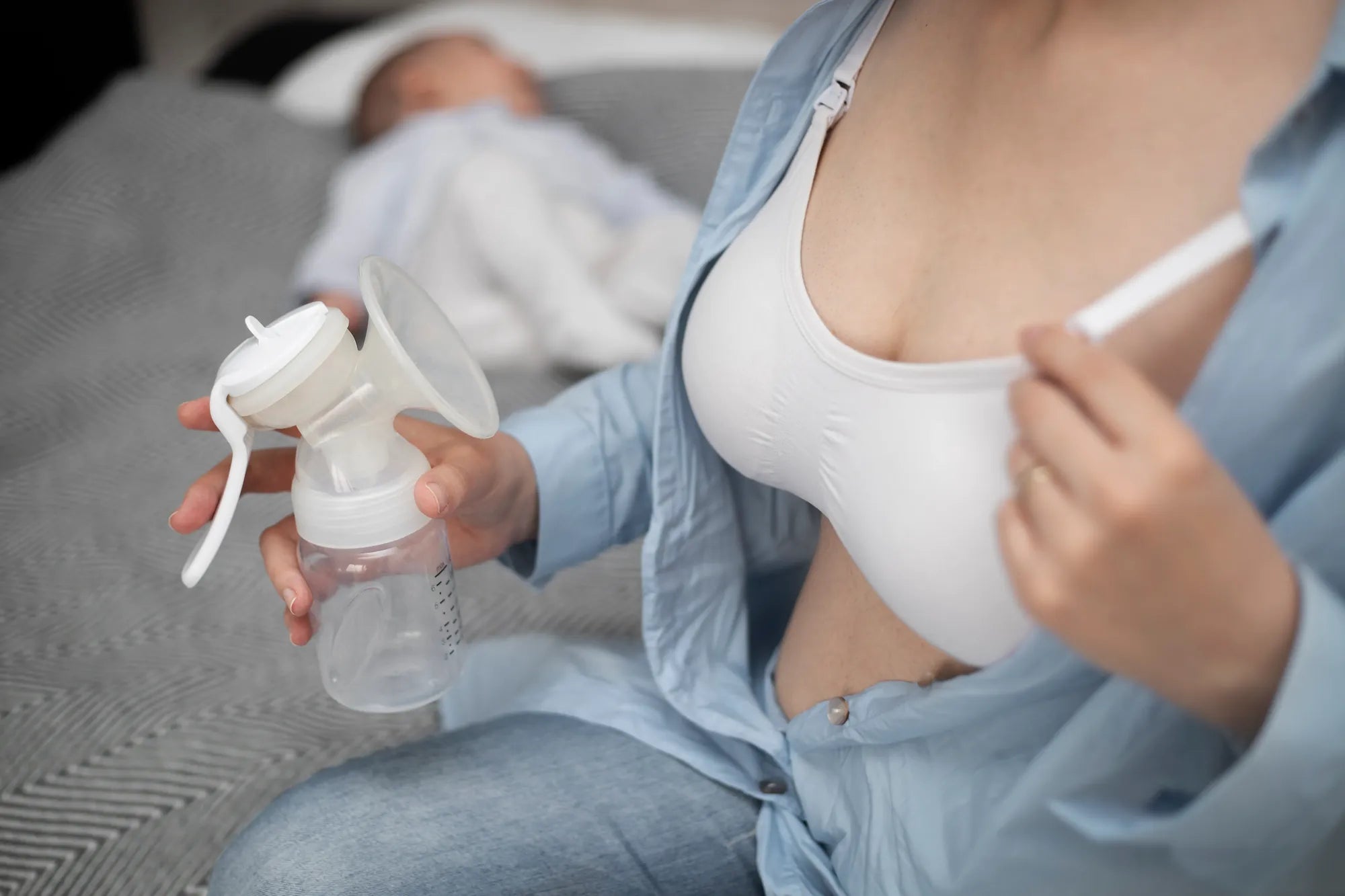
How Long Should I Use Breast Pump on Each Breast: A Comprehensive Guide
Figuring out how long should I use breast pump on each breast is one of the most common and critical questions for pumping mothers. The right duration ensures effective milk removal, protects your supply, and prevents discomfort. This guide cuts through the confusion with clear, data-driven recommendations and practical strategies, supported by insights from lactation experts and the trusted maternal care brand, MomMed.
Why Pumping Duration Matters: More Than Just Time
Pumping time is not arbitrary. It directly influences your milk production, physical comfort, and the efficiency of your entire routine. The primary goal is to signal your body to produce milk while adequately draining the breasts.
Insufficient pumping can lead to incomplete milk removal. This tells your body you need less milk, potentially decreasing your supply over time. It also increases the risk of engorgement, plugged ducts, and mastitis.
Conversely, excessively long sessions are often unproductive and can cause nipple trauma, edema (swelling), and unnecessary time commitment. The key is finding the "sweet spot" for effective milk removal.
This balance is governed by your breast storage capacity and the milk ejection reflex (let-down). Most women experience multiple let-downs in a session. Effective pumping captures milk from these sequential let-downs without overstimulating tissue.
The Goldilocks Zone: Recommended Pumping Times by Scenario
The standard baseline recommendation from lactation consultants is 15 to 20 minutes per breast, or continuing for about 2-5 minutes after the last drops of milk are seen. However, the ideal duration adapts to your specific situation.
For Establishing or Maintaining a Full Milk Supply (Full-Time Pumping)
When you are exclusively pumping or pumping to establish supply for a newborn, consistency and completeness are paramount. Mimicking a baby's feeding pattern is the goal.
Pump for a full 15-20 minutes per session, even if milk flow seems to stop earlier. This ensures you stimulate and signal your body for ongoing production. Frequency is equally crucial—aim for 8-12 sessions per 24 hours initially.
The session should feel like a complete "feed" for your breasts. Ending too soon can leave milk behind, particularly the higher-fat hindmilk, which is vital for baby's growth and satisfaction.
For Occasional Pumping or Building a Stash
If you are primarily breastfeeding and pumping occasionally for a freezer stash or bottle feeds, your timing can be more flexible. The focus shifts to comfort and obtaining the desired volume.
Many mothers find that pumping for 10-15 minutes per breast is sufficient to relieve fullness and collect a few ounces. Listen to your body; stop when you feel comfortably soft, or when strong milk flow has ceased.
Pumping after the first morning feed, when supply is often highest, can be particularly efficient for building a stash without requiring marathon sessions.
For Pumping at Work
Efficiency and practicality rule here. You need to effectively drain your breasts within a typical break period to maintain supply and comfort throughout the workday.
Aim for 15-minute sessions. This is usually enough time to trigger a let-down and remove a significant volume of milk. Using a high-efficiency, double electric pump is non-negotiable for saving time.
MomMed's wearable pumps, like the award-winning S21, are designed for this scenario. Their hands-free, ultra-quiet operation allows for discreet and productive pumping, even at your desk, maximizing the efficiency of every minute.
For Exclusive Pumping
Exclusive pumping is a demanding commitment that requires a strict, baby-like schedule to establish and protect a full milk supply. The pump is the baby.
Adhere to full 15-20 minute sessions every 2-3 hours around the clock in the early months. This frequency and duration are critical to mimicking newborn feeding patterns and providing the necessary stimulation.
As your baby grows and your supply regulates, you may be able to slightly extend intervals, but maintaining the full duration of each session remains key to preventing a supply drop.
Key Factors That Influence Your Ideal Pumping Time
Your optimal pumping duration is personalized. Several physiological and mechanical factors interact to determine how quickly and completely you empty your breasts.
Your Pump's Performance and Settings
Not all pumps are created equal. A high-quality, adjustable pump with efficient, rhythmic suction can lead to faster, more complete emptying. Hospital-grade or advanced personal-use pumps are engineered for this.
Always start in massage or stimulation mode (a rapid, light suction) to trigger your let-down reflex. Once milk flows steadily, switch to expression mode (slower, deeper suction) at the highest comfortable vacuum level.
Using a pump like the MomMed S21, which offers multiple cycle and suction settings, allows you to personalize the rhythm to match your body's natural response, potentially reducing the time needed for effective emptying.
Your Body's Unique Response
Individual variation is significant. Some mothers have a fast let-down and empty quickly, while others have multiple, slower let-downs requiring more time.
Your breast storage capacity—how much milk your breasts can hold—also plays a role. Mothers with a larger capacity may need slightly longer sessions to feel fully drained, while those with a smaller capacity may empty more quickly.
The best indicator is watching the milk flow. Pump until the streams slow to occasional drips, then continue for an additional 2-3 minutes to ensure completeness.
Your Baby's Age and Needs
A newborn's feeding pattern dictates a pumping schedule of short, very frequent sessions. As your baby grows, feeds become more spaced out and efficient.
During growth spurts or cluster feeding periods, you may need to add an extra pumping session or increase the duration of existing ones to meet increased demand and protect your supply.
Pumping to match an older baby's intake might involve fewer, but still thorough, sessions per day, maintaining the 15-20 minute guideline to ensure adequate drainage.
Signs You're Pumping Too Long or Not Long Enough
Tuning into your body's signals is essential for adjusting your routine. Here’s a comparison of the key indicators.
| Potential Issues from Over-Pumping | Potential Issues from Under-Pumping |
|---|---|
| Nipple soreness, cracking, blanching (turning white), or damage. | Persistent breast fullness, hardness, or engorgement after pumping. |
| Breast or nipple edema (puffy, swollen tissue). | Frequent plugged ducts or recurrent mastitis. |
| Spending excessive time (e.g., 30+ minutes per side) with little additional output. | A noticeable decrease in milk supply over days or weeks. |
| Increased stress and burnout from lengthy sessions. | Baby seems unsatisfied after a bottle of pumped milk, indicating possible low-fat content from incomplete drainage. |
MomMed Pumping Technology: Designed for Effective, Comfortable Sessions
MomMed engineers its breast pumps with the precise goal of supporting ideal pumping duration and outcomes. The design philosophy centers on efficiency, comfort, and convenience to help mothers achieve their goals without unnecessary struggle.
The MomMed S21 Double Wearable Breast Pump exemplifies this. Its hands-free, in-bra design allows mothers to move freely and multitask, reducing the perceived length of a session and making consistent pumping more sustainable.
With multiple expression modes and 9 suction levels, the pump can be finely tuned to match your unique let-down pattern and comfort threshold, promoting faster and more complete milk removal. The ultra-quiet motor ensures discretion in any setting.
All MomMed pumps, including the S12 Single Wearable and Swing models, are constructed with BPA-free, food-grade silicone for baby's safety and mother's peace of mind, aligning with the brand's commitment to reliable, innovative maternal care products.
Your Pumping Session Checklist & Best Practices
Follow this step-by-step guide to maximize the effectiveness of every minute you spend pumping.
- Prepare: Wash hands. Ensure pump parts are clean and assembled correctly. Have a drink of water nearby.
- Relax & Stimulate: Take a few deep breaths. Gently massage breasts or use a warm compress. Look at a photo/video of your baby.
- Start Smart: Begin pumping in stimulation/massage mode. Use a comfortable, well-fitting flange—improper fit is a major cause of inefficiency and pain.
- Switch Modes: Once milk flows (usually after 1-2 minutes), switch to expression mode. Increase suction to the highest comfortable level.
- Monitor & Massage: Use hands-on pumping techniques: compress and massage your breasts while pumping to help empty all ducts.
- Watch the Flow: Pump until milk streams slow to drips. Then, continue for an additional 2-5 minutes to signal your body for continued production.
- Alternate if Single Pumping: If using a single pump, switch sides after about 10-15 minutes, or after flow slows, to stimulate both breasts effectively.
Frequently Asked Questions (FAQ)
1. Should I pump both breasts at the same time?
Yes, double pumping is highly recommended. It saves significant time and has been shown to increase prolactin levels, potentially boosting milk production. It also ensures balanced stimulation. MomMed's double wearable pumps make this convenient.
2. Can I split a 20-minute session (e.g., 10 minutes now, 10 minutes later)?
Generally, no. For optimal milk removal and supply signaling, it's best to complete a session continuously. Splitting interrupts the natural let-down rhythm and may not fully drain the breast, which can negatively impact supply.
3. What if no milk comes out after 10 minutes?
First, check the basics: flange fit, pump suction, and seal. Ensure you are relaxed. Try switching back to massage mode for a minute to trigger another let-down. If this persists, consult an IBCLC to rule out underlying issues. Don't automatically assume you need to pump longer; the issue may be efficiency, not time.
4. Is it okay to pump for 30 minutes on each side?
Routinely pumping for 30 minutes per side is usually unnecessary and can be counterproductive, leading to nipple damage and stress. If you consistently need 30 minutes to feel empty, it may indicate an issue with pump performance, flange fit, or a need for hands-on techniques. Seek guidance from a lactation consultant.
5. How does pumping time change when I'm weaning or dropping sessions?
When weaning, you reduce frequency first, not duration. To drop a session, gradually shorten the time of that specific session over several days before eliminating it. Maintain full duration on your other sessions to protect your supply until you are ready to reduce further.
Tuning Into You and Your Baby: The Final Measure
The question of how long should I use breast pump on each breast finds its most accurate answer at the intersection of evidence-based guidelines and your body's unique feedback. While 15-20 minutes serves as a reliable starting point, the true measure is effective drainage and your baby's thriving growth. Trust the signals of softened breasts and steady milk flow more rigidly than the clock. Your journey is supported by innovation designed to make this process more intuitive and less taxing. Shop the MomMed collection at mommed.com for breast pumps and accessories engineered to provide reliable, comfortable, and efficient support for every mother's feeding goals.