


Startseite
Pregnancy, Breastfeeding, and Pumping: The Ultimate Guide for Moms
How Long Pump Breast Milk: A Comprehensive Guide for New Mothers
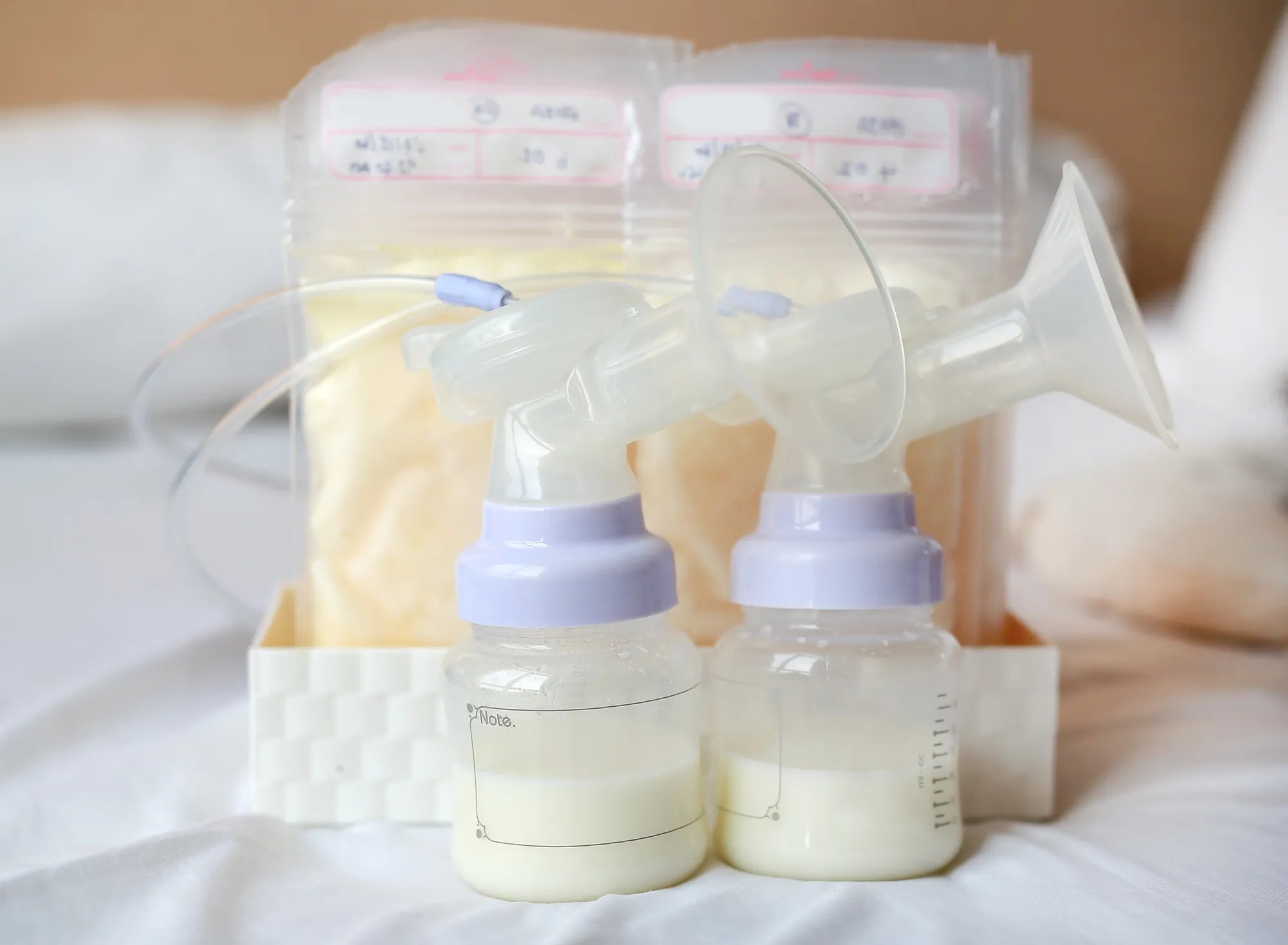
How Long Pump Breast Milk: A Comprehensive Guide for New Mothers
Understanding Your Breast Milk Pumping Journey
Welcome to the incredible, sometimes challenging, journey of providing breast milk for your baby. One of the most common questions new mothers ask is, how long pump breast milk for optimal results? The answer isn't a single number; it's a personalized equation based on your baby's age, your milk supply goals, and your unique physiology.
Whether you're exclusively pumping, returning to work, or building a freezer stash, finding the right duration is crucial for maintaining supply, ensuring efficiency, and protecting your comfort. This guide will walk you through evidence-based recommendations, practical tips, and the biological signals that matter more than the clock.
As a trusted maternal and baby care brand, MomMed specializes in creating reliable, comfortable, and innovative products like wearable breast pumps and feeding gear. We're here to support you with accurate information and tools designed to make your pumping journey smoother.
Why Pumping Duration Matters: More Than Just Minutes on the Clock
Understanding how long pump breast milk effectively is foundational to a sustainable routine. The right duration ensures efficient milk removal, which signals your body to produce more. Inadequate pumping time can lead to incomplete drainage, potentially decreasing your supply over time.
Conversely, excessively long sessions can cause nipple trauma, discomfort, and may not yield significantly more milk. Finding your sweet spot maximizes output while minimizing time spent connected to the pump, a precious commodity for any new parent.
Optimal pumping duration also supports breast health. Fully draining the breasts helps prevent issues like clogged ducts and mastitis. It's about working with your body's natural let-down reflex and milk ejection cycles, not against them.
Think of pumping duration as a key variable in your milk supply equation, alongside frequency and pump efficiency. Getting it right empowers you to meet your feeding goals, whether you're providing every ounce or supplementing with formula.
How Long to Pump: A Stage-by-Stage and Scenario Guide
The ideal answer to how long pump breast milk depends entirely on your current stage and goals. This section breaks down recommendations for the most common situations new mothers face.
For Establishing Milk Supply (The First Few Weeks)
The initial weeks postpartum are critical for building a robust milk supply. Your body is learning how much milk to produce based on demand. During this period, frequency is as important as duration.
Lactation consultants generally recommend pumping for 15 to 20 minutes per breast, or for about 2 to 5 minutes after the last drops of milk are seen. This ensures you're fully draining the breast and providing a strong "make more milk" signal.
Aim for 8 to 12 pumping sessions per 24 hours, mimicking a newborn's feeding pattern. This might mean pumping every 2-3 hours, including at least one session overnight when prolactin (the milk-making hormone) levels are highest.
Don't be discouraged by small volumes initially; colostrum is thick and produced in small amounts. Consistent, effective removal is what tells your body to ramp up production to mature milk volumes.
For Maintaining Milk Supply (Once Regulated)
After approximately 6 to 12 weeks, your milk supply becomes "regulated," meaning it's more responsive to demand rather than purely hormonal. Your pumping strategy can become slightly more efficient.
For mothers who are exclusively pumping, sessions of about 15 to 20 minutes total (or 2-3 minutes after milk flow stops) are typically sufficient. The frequency usually reduces to 5 to 7 sessions per 24 hours for most women to maintain a full supply.
Pay close attention to your output and how your breasts feel. The goal is effective removal. If you consistently finish a session and your breasts still feel firm or full, you may need to add a few minutes or ensure your pump flange is the correct size.
This is often the stage where comfort and efficiency become paramount. A high-quality, comfortable pump like the MomMed S21 Wearable Pump can make maintaining this schedule more manageable, especially with its adjustable suction and hands-free design.
For Occasional Pumping & Building a Stash
If you primarily nurse directly at the breast and are pumping to create a backup stash or allow for occasional bottle feeds, your timing strategy shifts.
The most effective method is to add a pumping session 30 to 60 minutes after your first morning feed, when milk supply is naturally highest. A session of 10 to 15 minutes is often enough to collect a few ounces without impacting the milk available for your baby's next feed.
You can also pump from one breast while your baby nurses on the other, as the baby's suckling will trigger a let-down in both breasts. This "double-duty" approach is highly efficient for building a stash.
Remember, the volume you get in a pumping session is not indicative of your total supply. A baby is far more efficient at removing milk than any pump. The amount you pump is simply what was available in addition to what your baby consumed.
Pumping at Work or While Away
Returning to work requires a strategic approach to maintain supply during separation. The key is to mimic, as closely as possible, your baby's feeding schedule.
Plan to pump every 3 to 4 hours, with each session lasting 15 to 20 minutes. This frequency prevents engorgement, maintains supply, and ensures you have enough milk for the next day.
Efficiency and discretion are crucial here. Wearable pumps are a game-changer for working mothers. The MomMed S21 Double Wearable Pump, for instance, fits inside a bra, is ultra-quiet, and allows for multitasking, making it easier to adhere to your pumping schedule without significant work disruption.
Stay hydrated, try to relax (look at photos or videos of your baby), and protect your pumping time as you would any important meeting. Consistency in your away-from-baby pumping routine is the single biggest factor in maintaining your supply.
Power Pumping: A Temporary Boost Strategy
Power pumping is a technique designed to mimic cluster feeding, a baby's natural way of increasing milk supply during growth spurts. It's an intensive, temporary strategy, not a long-term routine.
A common power pumping schedule is: Pump for 20 minutes, rest for 10 minutes, pump for 10 minutes, rest for 10 minutes, pump for 10 minutes. This creates a one-hour session of frequent milk removal signaling.
Implement this once per day, ideally at the same time each day, for 3 to 5 consecutive days. You may not see increased output during the session itself; the boost typically comes in the following days as your body responds to the increased demand signal.
Use this method cautiously. It can be taxing and may lead to oversupply if overused. It's best employed when you notice a genuine dip in supply or in preparation for returning to work. Always ensure your flange fit is perfect to avoid nipple damage during these more frequent sessions.
Key Signs You're Pumping Long Enough (and When to Stop)
While timers are helpful guides, your body provides the most accurate feedback on how long pump breast milk is right for you. Learning to read these signals is empowering.
Your milk flow has noticeably slowed. Initially, you'll see rapid streams or sprays (the first let-down), followed by slower, rhythmic drips. When the milk slows to occasional drops for 1-2 minutes, you're likely nearing the end of effective removal for that session.
Your breasts feel soft and well-drained. After a good session, your breasts should feel noticeably lighter, softer, and "floppy," not firm or lumpy. The feeling of "emptiness" is a key indicator, though it's a sensation, not a guarantee of zero milk.
You've achieved your typical output. Once you establish a pattern, you'll know your average output per session. When you reach that volume, you can usually stop, even if it's before your timer goes off. Chasing every last drop in every session isn't necessary and can lead to frustration.
Stop pumping if you experience significant pain, blanching (white tips) on your nipples, or if the pump is running "dry" for several minutes with no milk flow. These are signs to check your settings and flange fit, not to pump longer.
Optimizing Your Pumping Sessions: Tips for Efficiency and Comfort
Maximizing the effectiveness of your pumping time can reduce the overall minutes you need to spend. Here’s how to work smarter, not just longer.
Creating a Relaxing Routine
Stress is the enemy of the let-down reflex. Create a mini-ritual to signal to your body it's time to release milk. Take a few deep breaths, look at a photo or video of your baby, gently massage your breasts towards the nipple before and during pumping, or apply a warm compress for a few minutes beforehand.
Hands-free pumping bras are essential, allowing you to use your hands for gentle breast compression (which can increase yield by up to 50%) or simply to relax. Hydrate with a glass of water during your session to support milk production.
The Role of the Right Pump: Features That Save Time
The technology and design of your breast pump directly impact session efficiency and comfort. MomMed pumps are engineered with features that help you achieve effective milk removal in less time and with greater ease.
Hands-Free & Wearable Design: Pumps like the award-winning MomMed S21 allow you to move freely and multitask. You can prepare a bottle, work, or care for an older child while pumping, making the time feel more productive and less isolating.
Adjustable Suction & Modes: Effective pumping isn't about maximum suction; it's about finding the rhythm that works for you. MomMed pumps feature massage modes to stimulate let-down and expression modes with customizable suction levels to efficiently remove milk without discomfort.
Ultra-Quiet Motors: Discretion and relaxation are enhanced with quiet operation, allowing you to pump without drawing attention or disturbing a sleeping baby nearby.
BPA-Free, Food-Grade Materials: Safety and peace of mind are paramount. All MomMed pump parts that contact milk are made from safe, easy-to-clean materials, ensuring your milk stays pure for your baby.
Tracking and Adjusting
Keep a simple log in a notebook or a dedicated app. Note the time, duration, output per breast, and how you felt. This data is invaluable.
It helps you identify your body's natural patterns—like which times of day you yield the most—and know when a change in output is part of a trend versus a normal daily fluctuation. Use this information to adjust frequency or duration, not just to chase volume obsessively.
Common Questions About Pumping Duration (FAQs)
Q: Is it normal if I pump for 30 minutes and get very little milk?
A: It can be, depending on timing. Pumping too soon after a feed may yield little. However, consistently low output despite adequate time could indicate an issue with pump suction, flange fit (the most common culprit), or a need to adjust frequency. Ensure your flange size is correct—nipples often change size postpartum—and try hands-on pumping techniques. If low output persists, consult a lactation consultant.
Q: Should both breasts be pumped for the same amount of time?
A: Not necessarily. Many women have a "slacker" breast that produces less or lets down slower. It's generally recommended to pump both sides for a similar duration (e.g., 15 minutes each) to ensure both receive the drainage signal. However, if one side is truly finished much earlier, you can stop that side to avoid unnecessary discomfort while continuing on the other.
Q: How long can I store breast milk after pumping?
A> Following CDC guidelines: freshly pumped milk can be kept at room temperature (up to 77°F/25°C) for up to 4 hours, in the refrigerator for up to 4 days, and in a standard freezer for about 6 months (12 months in a deep freezer). Always use clean containers, label with the date, and practice the "first in, first out" rule when using your stash.
Q: Can I pump for too long? What are the signs?
A: Yes. Signs of over-pumping include persistent nipple soreness, cracking, or blanching (turning white); swelling or edema of the nipple/areola; and increased pain without increased output. Chronically pumping long after milk flow stops can lead to tissue damage. It's more effective to increase pumping frequency slightly than to dramatically extend a single session's duration.
Q: How does the MomMed wearable pump help with session length and comfort?
A> MomMed wearable pumps, like the S21 model, are designed to streamline the process. Their hands-free design reduces the physical and mental burden of being tethered to a wall, often making sessions feel shorter. The combination of effective, comfortable suction and the ability to move freely encourages better let-downs and more efficient milk removal, potentially allowing you to achieve your output goal in a comfortable timeframe. The BPA-free, soft silicone flanges are designed for comfort during longer or more frequent sessions, like those needed during the early supply-building phase.
Pumping Duration Comparison Table: A Quick-Reference Guide
| Scenario / Stage | Recommended Duration Per Session | Recommended Frequency (per 24hrs) | Key Goal |
|---|---|---|---|
| Establishing Supply (0-6 wks) | 15-20 min per breast, or 2-5 min after flow stops | 8-12 sessions | Mimic newborn feeding; build prolactin receptors |
| Maintaining Supply (Regulated) | ~15-20 min total, or 2-3 min after flow stops | 5-7 sessions (for exclusive pumpers) | Fully drain breasts to maintain production |
| Building a Stash (While Nursing) | 10-15 minutes | 1-2 extra sessions (e.g., after AM feed) | Collect extra milk without impacting baby's next feed |
| Pumping at Work | 15-20 minutes | Every 3-4 hours during separation | Maintain supply and provide for next day |
| Power Pumping (Temporary) | 20 min on, 10 off, 10 on, 10 off, 10 on | 1 session/day for 3-5 days | Signal body to increase production |
Your Personalized Pumping Blueprint
Determining how long pump breast milk is right for you is a dynamic process. It blends science with self-awareness, stage-specific guidelines with personal response. Start with the recommendations for your scenario, then fine-tune based on your output, comfort, and the feel of your breasts after a session.
Remember, your journey is unique. Whether you're using a pump occasionally or exclusively, the goal is a sustainable routine that supports your milk supply and your well-being. Trust your body's signals—the softening of the breast, the slowing of milk flow—as much as you trust the timer.
MomMed is committed to supporting you with products designed for this journey. From the discreet efficiency of our wearable S21 pump to our BPA-free accessories, we focus on innovation that offers real comfort and reliability. For personalized advice, especially concerning low supply or pain, always consult an International Board Certified Lactation Consultant (IBCLC).
You are providing an incredible gift for your baby. Arm yourself with knowledge, the right tools, and confidence. Shop the MomMed collection at mommed.com for all your breastfeeding and pregnancy needs, and take the next step in your empowered feeding journey.