


Startseite
Pregnancy, Breastfeeding, and Pumping: The Ultimate Guide for Moms
How Long Is Breast Milk Good for After Pumping: A Complete Guide for Safe Storage
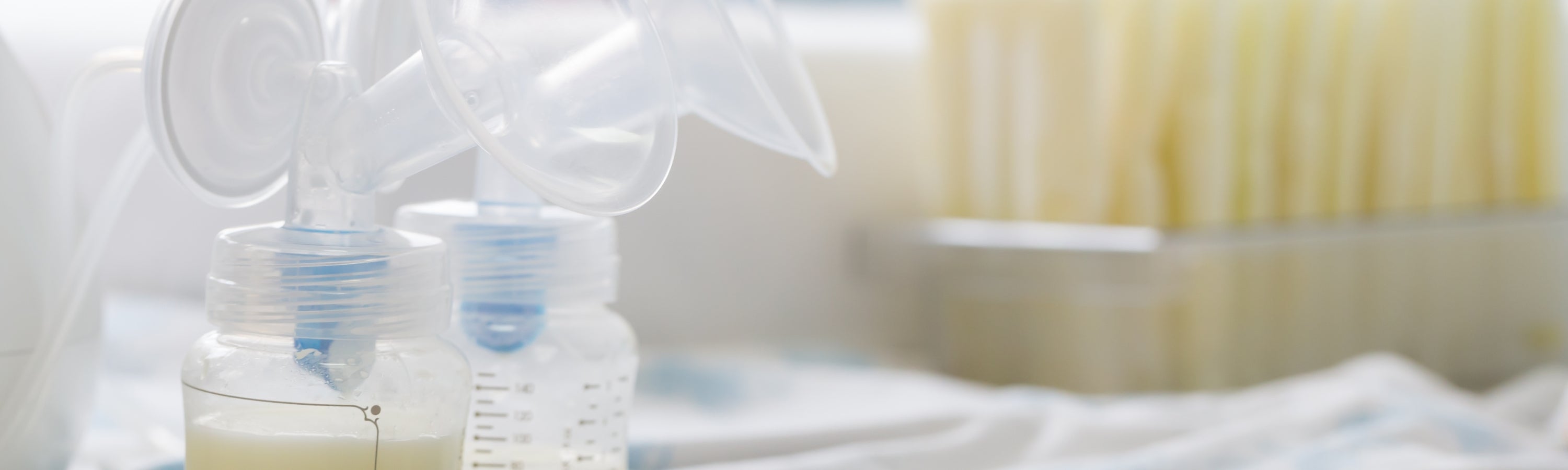
How Long Is Breast Milk Good for After Pumping: A Complete Guide for Safe Storage
Knowing exactly how long breast milk is good for after pumping is one of the most critical pieces of knowledge for a breastfeeding parent. It directly impacts your baby's health, your hard-earned liquid gold, and your peace of mind. This guide cuts through the confusion with clear, data-driven guidelines from leading health authorities, empowering you to store and feed with absolute confidence. We'll explore not just the timelines, but the science behind them, along with practical tips to integrate safe milk handling into your daily routine. As a trusted brand in maternal and baby care, MomMed is here to support every step of your journey—from using our innovative, comfortable breast pumps to mastering the art of milk storage.
The Science of Freshness: Why Storage Guidelines Matter
Breast milk is a living substance, rich in antibodies, live cells, probiotics, and enzymes that protect your baby. These beneficial components begin to break down over time, and bacteria can grow if milk is not stored properly. The primary goal of storage guidelines is to preserve these immunological properties while preventing bacterial contamination that could make your baby sick.
Storage times are not arbitrary; they are based on extensive research into bacterial growth rates at different temperatures. The guidelines balance maximizing the use of expressed milk with minimizing any risk. It's important to understand that these are general guidelines for healthy, full-term infants. Babies who are premature, hospitalized, or have compromised immune systems may require stricter protocols, which should be discussed with your pediatrician or a lactation consultant.
Several key factors influence how long your expressed milk remains safe and nutritious. The cleanliness of your pump parts and hands during expression is the first line of defense. The temperature at which the milk is held—whether at room temp, in the fridge, or in the freezer—is the primary dictator of its shelf life. Finally, consistency in maintaining that cold chain is crucial; frequent temperature fluctuations can degrade quality faster.
By understanding the 'why' behind the rules, you can apply them more effectively in real-life situations, such as when you're on the go or if the power goes out. This knowledge empowers you to make informed decisions for your baby's well-being.
Official Storage Timelines: A Data-Driven Breakdown
The following guidelines synthesize recommendations from the Centers for Disease Control and Prevention (CDC), the Academy of Breastfeeding Medicine, and La Leche League International. This table provides a clear, at-a-glance reference for storing milk for healthy, full-term infants.
| Storage Location | Temperature | Recommended Duration | Important Notes |
|---|---|---|---|
| Room Temperature | Up to 77°F (25°C) | Up to 4 hours | Ideal range. In cooler, cleaner conditions, up to 6-8 hours may be acceptable. |
| Insulated Cooler Bag | With ice packs | Up to 24 hours | Ensure ice packs remain frozen and milk containers are kept cold. |
| Refrigerator | 39°F (4°C) or below | Up to 4 days | Store milk in the back of the main body, not in the door. |
| Freezer (compartment inside fridge) | Variable, typically 5°F (-15°C) | 2 weeks | Temperature fluctuates with door openings. Best for short-term storage. |
| Stand-Alone Deep Freezer | 0°F (-18°C) or below | 6-12 months for optimal quality | Constant, colder temperature preserves fat content and nutrients best. |
It is vital to label every container with the date and time of expression. Practice the "first in, first out" rule: use the oldest stored milk first. These timelines are for milk that has been expressed using clean hands and properly sanitized pump parts. Starting with a clean collection process is non-negotiable for maximizing storage time.
Remember, these are guidelines for optimal quality and safety. Milk stored for the maximum duration in the freezer, for instance, is still safe but may experience some breakdown of fats and a slight decrease in certain vitamins. It remains far more beneficial than formula.
Foundation of Safety: Perfecting Your Pumping and Collection Routine
Safe storage begins the moment you decide to pump. A meticulous approach to hygiene and handling sets your milk up for the longest possible shelf life. Always start by washing your hands thoroughly with soap and water before touching your pump parts or breasts.
Ensure all pump parts that touch your breast or milk—flanges, valves, membranes, bottles—are cleaned according to the manufacturer's instructions. For daily use, washing with hot, soapy water and rinsing well is sufficient. Sterilizing by boiling, steaming, or using sterilizer bags is recommended at least once daily for newborns under 3 months, premature infants, or if your baby is immunocompromised. MomMed pumps are designed with BPA-free, food-grade silicone parts that are easy to disassemble and clean thoroughly.
Pump directly into clean storage bags or bottles intended for breast milk. Avoid using ordinary plastic bags or containers not designed for food storage. Leave a little space at the top of the container as milk expands when frozen. Seal containers tightly to prevent contamination and leakage.
If you are pumping away from home, have a plan for immediate storage. A portable cooler bag with ice packs is essential. MomMed's wearable pumps, like the S21, offer discreet, hands-free expression, making it easier to pump on a schedule even while out, and you can transfer the milk directly to your cooler. Never leave expressed milk in a hot car or in direct sunlight.
The Thawing and Warming Protocol: Preserving Nutrients and Safety
How you thaw and warm breast milk is just as important as how you store it. Improper methods can destroy precious nutrients and create hot spots that could burn your baby's mouth. The safest method is to plan ahead and thaw frozen milk overnight in the refrigerator. It will typically be ready within 12 hours.
For a quicker thaw, hold the sealed container under lukewarm running water or place it in a bowl of warm water. Never use hot water or leave milk to thaw at room temperature, as this allows bacteria to multiply in the outer layers while the center is still frozen. Once thawed, gently swirl the container to mix the fat, which separates during storage. Avoid vigorous shaking, as some studies suggest it may break down certain protein structures.
Critical Rule: Never use a microwave to thaw or warm breast milk. Microwaves heat unevenly, creating dangerous hot spots and can significantly damage the milk's immunological properties. Once milk is thawed in the refrigerator, use it within 24 hours. Do not refreeze thawed milk.
For milk that was stored in the fridge, you can offer it cold, at room temperature, or warmed. To warm refrigerated milk, place the bottle in a cup of warm water for a few minutes. Test the temperature on the inside of your wrist before feeding. Milk that has been warmed should be used within 2 hours. If your baby doesn't finish a bottle, it is generally considered safe to offer it again within 1-2 hours. After that, it's best to discard it due to bacterial introduction from the baby's mouth.
Navigating Complex Scenarios and Common Dilemmas
Real-life pumping often presents situations that aren't covered by basic charts. Here’s how to handle some common complexities. Mixing milk from different sessions: You can combine milk pumped at different times. The key is to cool the newly expressed milk in the refrigerator first before adding it to an already chilled container. This prevents the warmer new milk from raising the temperature of the older batch and encouraging bacterial growth.
The "left out" dilemma: If you forget a bottle on the counter, the 4-hour rule at room temperature is your guide. If it's been less than 4 hours in a cool room (under 77°F), it's likely safe. If it's been longer, or the room was warm, the safest choice is to discard it. When in doubt, follow the adage: "When in doubt, throw it out." Your baby's safety is paramount.
Travel and transportation: For long car trips or flights, a high-quality cooler with frozen ice packs is essential. Consider pre-frozen storage bags that act as ice packs and then can be thawed for feeding. The portability of a MomMed wearable pump makes travel pumping less cumbersome, as you can express directly into a sealed container without needing multiple setups.
Power outages: Keep the freezer and fridge doors closed as much as possible. A full freezer will keep food safe for about 48 hours; a half-full freezer for about 24 hours. Refrigerated milk should remain safe for up to 4 hours if the door stays closed. If you know a prolonged outage is coming, use ice to keep a cooler cold for essential milk bottles.
Identifying Spoilage: Signs Your Breast Milk May Have Gone Bad
While properly stored breast milk rarely spoils before the recommended timelines, it's important to know the signs. Fresh breast milk typically has a mild, slightly sweet scent. After storage, it may smell or look different due to the action of lipase, an enzyme that breaks down fats.
High lipase activity can cause thawed milk to have a soapy or metallic smell and taste. This milk is perfectly safe but some babies may refuse it. If this is an issue, you can scald freshly expressed milk (heat it until small bubbles form around the edge of the pan, then cool quickly) before freezing to deactivate the lipase. Always test a small batch first.
True spoilage is different. Spoiled breast milk will often have a distinctly sour or rancid odor, similar to spoiled cow's milk. Visually, it may appear clumpy or have an unusual color separation that doesn't reincorporate with gentle swirling. If you notice any of these signs, do not feed the milk to your baby.
Trust your senses. If the smell is offensive or clearly sour, err on the side of caution. A visual inspection is also key. While some separation is normal, persistent curdling or an off color is a red flag. When assessing milk that has been left out, time is the most reliable factor—if it's beyond the safe window, discard it regardless of smell.
Maximizing Quality and Supply: The Role of Efficient Pumping
Your ability to express milk effectively and comfortably directly influences your supply and the quality of milk you store. An efficient pump mimics a baby's natural suckling pattern, helping you achieve let-down and fully drain the breast, which is crucial for maintaining supply and obtaining fatty hindmilk.
Choosing a pump that fits you well is essential. An incorrectly sized flange can cause pain, reduce output, and damage tissue. MomMed pumps come with multiple flange size options and detailed fitting guides to ensure a comfortable, effective seal. A wearable pump like the MomMed S21 offers hospital-grade suction in a discreet, cord-free design, allowing for more natural movement and relaxation during pumping sessions, which can improve milk flow.
Establishing a consistent pumping schedule that works for you, whether you're exclusively pumping or supplementing, helps regulate your supply. Massaging your breasts before and during pumping (known as hands-on pumping) can increase output and fat content. Store your milk in small quantities (2-4 ounces) to avoid waste, as you can always thaw more than one bag if needed.
Remember, your mental and physical comfort plays a huge role. Staying hydrated, finding a relaxing environment, and looking at pictures or videos of your baby can trigger oxytocin and improve pumping results. The quality of your pumping sessions lays the foundation for a robust stash of high-quality milk.
Frequently Asked Questions (FAQ)
Q: Does the storage time change if my baby is premature or ill?
A: Yes. For premature, hospitalized, or immunocompromised infants, hospitals and pediatricians often recommend more conservative guidelines, such as using refrigerated milk within 24-48 hours and frozen milk within 3 months. Always follow the specific instructions provided by your baby's medical team, as their needs are more sensitive.
Q: Where is the best place to store milk in the refrigerator?
A: Store milk in the back of the main compartment, where the temperature is coldest and most stable. Avoid storing it in the door, where temperatures fluctuate every time the fridge is opened. Place bottles or bags in a clean, dedicated container to prevent cross-contamination.
Q: Why does my thawed milk look layered or smell funny?
A> This is usually due to normal fat separation and the enzyme lipase. Breast milk naturally separates into a fatty layer on top and a watery layer below. Gently swirl (don't shake) the container to mix it. A soapy or metallic smell is likely high lipase activity, which is safe but can affect taste for some babies.
Q: Can I add freshly pumped warm milk to a bottle of cold milk from earlier?
A: It is safest to cool the freshly pumped milk in the refrigerator first before combining it with already chilled milk. Adding warm milk to cold can raise the overall temperature of the batch, potentially allowing bacteria to grow in the older milk.
Q: How long is breast milk good for in a bottle after my baby has drunk from it?
A: Once your baby's saliva has mixed with the milk, bacteria are introduced. Use the "two-hour rule": any milk left in a bottle after a feeding should be used within 2 hours or discarded. Do not save it for a later feeding.
Your Confident Feeding Journey Starts Here
Mastering the guidelines for how long breast milk is good for after pumping empowers you to nourish your baby safely and reduces the stress and waste that can accompany pumping. By implementing these evidence-based practices—from clean collection and prompt cooling to proper thawing—you protect the incredible biological gift of your milk. Remember, these guidelines are your toolkit, not a source of anxiety; they exist to give you freedom and confidence.
Your journey is unique, and having reliable, comfortable tools makes all the difference. Whether you're building a freezer stash for a return to work, pumping for occasional bottles, or exclusively providing expressed milk, the right support is key. With knowledge as your guide and trusted products by your side, you can focus on the bonding and joy of feeding your baby.
Shop the MomMed collection at mommed.com for all your breastfeeding and pregnancy needs. From our award-winning S21 Wearable Breast Pump for ultimate discretion and comfort to our easy-to-clean storage accessories, we are here to provide innovative solutions that support you and your baby at every stage.