


Startseite
Pregnancy, Breastfeeding, and Pumping: The Ultimate Guide for Moms
How Long Does It Take to Pump Breast Milk: A Comprehensive Guide for Every Mother
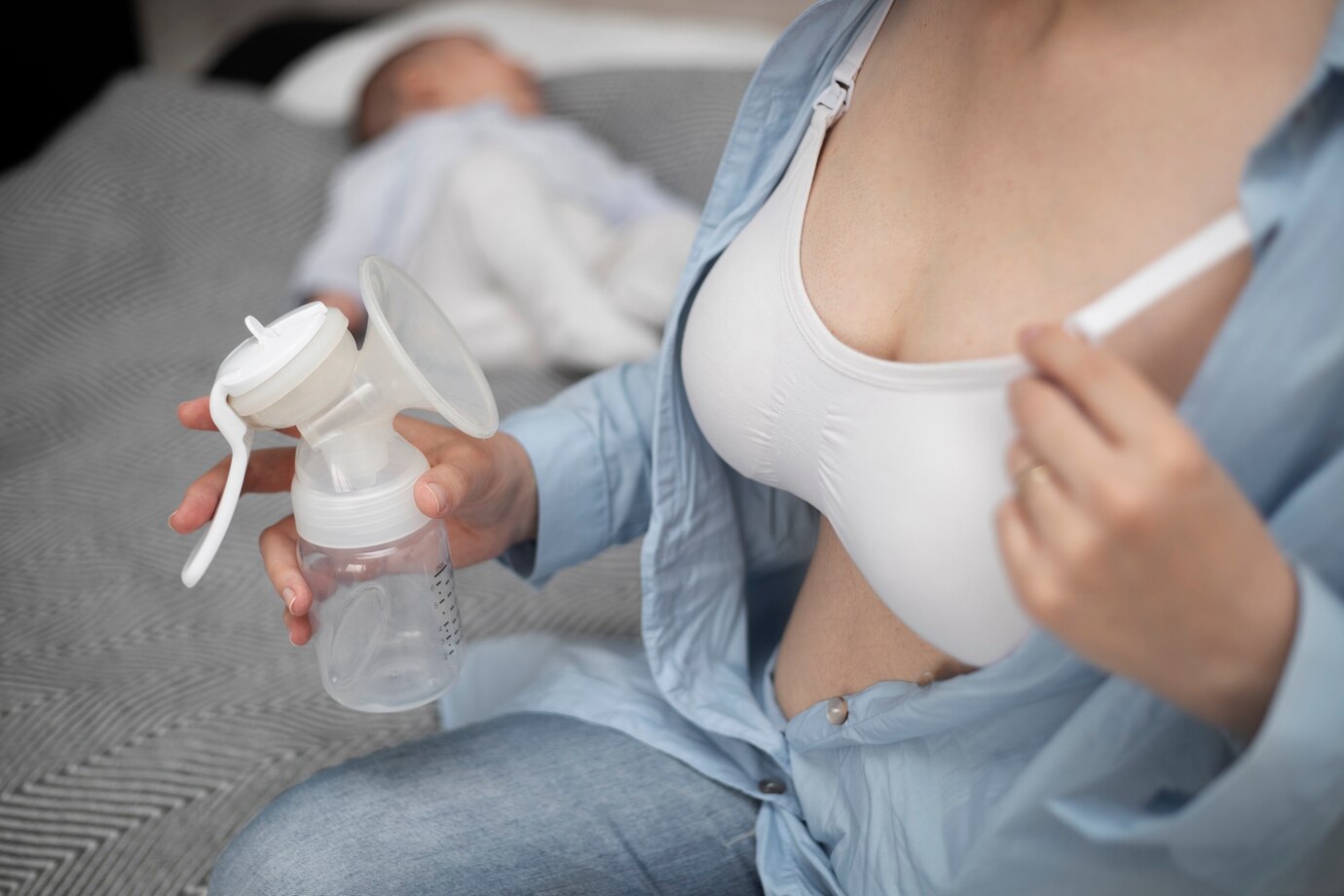
How Long Does It Take to Pump Breast Milk: A Comprehensive Guide for Every Mother
For mothers navigating the world of breastfeeding, pumping breast milk often represents a significant commitment of time and energy. Understanding how long this process typically takes is essential for planning your day, managing expectations, and maintaining your milk supply without burnout. This comprehensive guide will answer the central question, 'How long does it take to pump breast milk?' by breaking down the variables that affect session duration, providing evidence-based timelines, and offering practical tips to maximize efficiency. You'll learn how to tailor a pumping routine that supports your breastfeeding goals and fits seamlessly into your life.
Key Factors That Influence Pumping Session Length
The duration of a pumping session is not one-size-fits-all; it's a personal equation influenced by several physiological and practical factors. Recognizing these variables is the first step toward establishing an efficient and effective routine. While some mothers may empty their breasts in 10 minutes, others might need closer to 30. Both scenarios can be completely normal, depending on the circumstances outlined below.
Your individual biology and daily patterns play the most significant role. From your milk ejection reflex to your stress levels, each element contributes to the overall time you spend connected to your pump. By understanding these factors, you can identify areas for optimization rather than comparing yourself to an unrealistic standard.
Your Milk Supply and Let-Down Reflex
The efficiency of your let-down reflex—the hormone-driven release of milk from the alveoli into the milk ducts—is a primary time determinant. Most mothers experience multiple let-downs per session. The first, often triggered within 1-3 minutes of effective stimulation, yields the fastest flow. Subsequent let-downs may occur every 5-10 minutes thereafter.
Mothers with a robust milk supply and a quick, strong let-down may find they collect the majority of their milk in the first 10-15 minutes. Conversely, if you are working to build supply, have a slower let-down, or are pumping later in the day when prolactin levels are naturally lower, sessions may take longer to achieve the same output. The key is effective stimulation, not just time spent pumping.
Your Baby's Age and Feeding Patterns
Your baby's developmental stage dictates your pumping goals and frequency, which in turn affects per-session duration. In the early postpartum weeks, the focus is on establishing supply. Pumping sessions often need to mimic a newborn's frequent, sometimes cluster-feeding pattern, which may mean shorter, more frequent sessions (e.g., 15 minutes every 2-3 hours).
For an older baby or when pumping at work, the goal shifts to maintaining supply and replacing missed feedings. Sessions may become more consolidated but still need to be efficient to empty the breast thoroughly. Exclusive pumpers must design a schedule that closely replicates a baby's natural feeding rhythm to protect their supply over the long term.
The Type and Fit of Your Breast Pump
Not all breast pumps are created equal in terms of efficiency. A high-quality, double-electric pump with adjustable suction and cycle settings can significantly reduce pumping time compared to a manual or single-electric pump. The correct fit of the breast shield (flange) is non-negotiable for both comfort and speed.
An ill-fitting flange can cause pain, damage tissue, and fail to effectively drain the breast, leading to unnecessarily long sessions and reduced output. Pumps designed with hospital-grade performance features, like those from MomMed, are engineered to mimic a baby's natural suckling pattern more closely, which can stimulate a faster let-down and more complete emptying. The MomMed S21 wearable pump, for instance, combines powerful suction with a comfortable, BPA-free silicone flange design to promote efficient milk removal.
Your Comfort, Hydration, and Stress Levels
Your physical and emotional state has a direct impact on oxytocin release, the hormone responsible for milk ejection. Stress, anxiety, pain, or distraction can inhibit let-down, prolonging the time it takes to express milk. Creating a calm, comfortable environment is not a luxury—it's a efficiency strategy.
Staying well-hydrated is equally crucial. Dehydration can temporarily decrease milk volume, potentially making a session feel less productive for its duration. Simple practices like using a warm compress on the breasts before pumping, practicing deep breathing, and ensuring you have a comfortable, supported seating position can all contribute to a quicker, more effective session.
A Realistic Pumping Timeline: What to Expect
While individual experiences vary, having general benchmarks can help you gauge if your routine is within a typical range. These timelines are based on lactation consultant recommendations and aim to balance effectiveness with sustainability, preventing nipple damage and maternal exhaustion.
It's important to listen to your body and your output. The goal of pumping is effective milk removal, not merely clocking minutes. If you consistently empty your breasts (they feel soft, and milk flow has slowed to drops) before these timeframes, you can safely shorten your session. Conversely, if you are still experiencing strong milk ejection at the 30-minute mark, it may indicate an issue with pump settings or flange fit.
Per Session Duration
A typical pumping session for a double-electric pump lasts between 15 and 30 minutes total. This is often broken down as 2-5 minutes in let-down/massage mode to stimulate the initial milk ejection, followed by 10-25 minutes in expression mode. Pumping for much longer than 30 minutes per session is rarely advised, as it can lead to nipple soreness, edema (swelling), and does not typically yield significantly more milk.
If pumping one breast at a time, plan for about 10-15 minutes per side. The key signal to end a session is not a strict timer, but a noticeable slowing of milk flow to drips for about 2 minutes. Continuing beyond this point often yields minimal additional milk for the time invested.
Frequency Throughout the Day
Session frequency is inextricably linked to duration in maintaining milk supply. In the early months, to establish or boost supply, pumping 8-12 times per 24 hours is common, including at least one session at night when prolactin levels are high. As supply regulates, a mother exclusively pumping might settle into a pattern of 6-8 sessions per day.
A working mother pumping to replace missed feedings will typically need to pump for every bottle her baby takes during their separation. This often means 2-4 pumping sessions during an 8-10 hour workday. Consistency in frequency is generally more critical for supply than extending the length of a few sessions.
The "Power Pumping" Protocol
Power pumping is a targeted technique used to mimic cluster feeding and signal the body to increase milk production. It is more about the pattern than the total time. A common power pumping schedule is 20 minutes of pumping, 10 minutes of rest, 10 minutes of pumping, 10 minutes of rest, and a final 10 minutes of pumping.
This 60-minute block (20-10-10-10-10) is typically done once per day, often for 3-7 days, to see an increase. It is not a substitute for your regular pumping schedule but an additional session. The intermittent rest periods are designed to trigger multiple let-downs, providing stronger production signals to your body than a single, long, continuous session.
Optimizing Your Routine: Tips for Efficient Pumping
Efficiency is about maximizing output and minimizing the physical and time burden of pumping. By implementing strategic practices, you can often reduce your session time, increase comfort, and protect your long-term breastfeeding journey. These tips turn pumping from a passive waiting game into an active, effective process.
Think of optimization as a holistic approach. It encompasses your environment, your equipment, and your technique. Small adjustments in each area can compound to create a significantly better pumping experience, giving you precious minutes back in your day.
Create a Relaxing Ritual
Conditioning your body to let down on cue can shave minutes off each session. Develop a pre-pumping ritual that you repeat each time. This could involve looking at photos or videos of your baby, smelling an item of their clothing, practicing 5 minutes of deep, diaphragmatic breathing, or listening to a specific calming song or meditation.
Using a warm pack on your breasts for 5 minutes before you start can help increase blood flow and encourage milk ejection. Keeping your pump kit and a bottle of water in a dedicated, comfortable spot can also reduce mental friction and help you transition quickly into a relaxed state.
Ensure Proper Pump Setup and Fit
This is the most critical technical step. Measure your nipple diameter (not including the areola) to select the correct flange size. Your nipple should move freely in the tunnel without rubbing the sides, and only a small amount of areola should be drawn in. A flange that is too large or too small will reduce output and comfort.
Ensure all pump parts—valves, membranes, duckbills—are in good condition and replaced according to the manufacturer's schedule. Worn parts create a loss of suction, making the pump work less efficiently and requiring more time to empty the breast. MomMed pumps use BPA-free, food-grade silicone in all parts that contact milk, ensuring safety and optimal performance.
Leverage Hands-Free Pumping Technology
Wearable breast pumps represent a revolutionary leap in pumping efficiency, not necessarily by shortening the biological process, but by reclaiming the time spent doing it. A hands-free, wearable pump like the award-winning MomMed S21 Double Wearable Breast Pump allows you to pump while preparing meals, working on a computer, caring for an older child, or even running light errands.
This technology transforms pumping from an activity that consumes your time into one that happens concurrently with other tasks. The psychological benefit is profound; you are no longer "stuck" sitting still, which can reduce stress and potentially improve let-down. The MomMed S21's ultra-quiet motors and discreet design provide the freedom to maintain your routine without interruption.
Implement Hands-On Pumping
Hands-on pumping (HOP) is a technique developed by Stanford researchers to increase milk output. Before pumping, gently massage your breasts from the chest wall toward the nipple. During pumping, use your hands to compress and massage different areas of the breast, especially when the milk flow slows to a trickle.
This manual stimulation helps to drain the milk ducts more thoroughly than suction alone. Many mothers find that incorporating HOP allows them to achieve the same or greater output in a shorter period, as it manually encourages additional let-downs and clears blocked ducts that might be slowing flow.
Common Pumping Scenarios and Time Management
Your daily responsibilities shape your pumping needs. Tailoring your approach to your specific situation—whether you're at an office, building a stash, or exclusively pumping—is key to creating a sustainable, long-term plan. Here’s how to manage time effectively across different scenarios.
Effective time management for pumping is about integration, not just isolation. It involves planning, communication, and using the right tools for your context to minimize disruption to your life and maximize the precious minutes you have.
Pumping at Work
Planning is paramount. Block 20-30 minute slots on your work calendar for each pumping session to protect the time. Efficiency at work hinges on a quick setup and cleanup. Keep a complete set of spare parts and cleaning wipes at your workplace. Use a pump with a quick-connect feature and a cooler bag for milk storage.
An ultra-quiet, efficient pump is essential in a shared workplace. The discreet operation of pumps like the MomMed Swing or wearable models allows you to pump without drawing attention. Communicate your needs with your employer to ensure you have access to a clean, private space (not a bathroom) as required by law.
Building a Freezer Stash
The most effective way to build a stash is not by adding time to every session, but by adding one short, strategic session per day. Many mothers find success with a "power hour" in the morning when prolactin levels and milk volume are often highest. Pump for 10-15 minutes after your baby's first morning feed, when your breasts are already stimulated but not fully drained.
Consistency with this one extra session will gradually build a stash without leading to oversupply or burnout. Remember, you only need to stay 1-2 days ahead of your baby's needs for most situations. A large freezer stash is not a requirement for successful breastfeeding.
Exclusive Pumping
Exclusive pumping (EP) is a full-time commitment that requires rigorous time management. The cornerstone is a consistent schedule, typically pumping 7-8 times per 24 hours to mimic a baby's feeding pattern and maintain supply. Each session should aim for 15-30 minutes of effective milk removal.
For EP moms, investing in a primary, high-performance double-electric pump and a secondary wearable or portable pump is often a game-changer. It allows for flexibility and mobility within the strict schedule. Prioritizing comfort with correctly fitted flanges and using hands-on techniques becomes even more critical to prevent injury and maintain output over many months.
How Pump Efficiency Compares: A Data-Driven Look
Understanding the technical specifications of your pump can help set realistic expectations for session duration. Efficiency is influenced by suction strength, cycle speed, and how well the pump mimics an infant's natural nursing pattern. The table below compares key features that impact how quickly and comfortably a pump can express milk.
| Pump Type | Typical Session Duration | Key Efficiency Features | Best For |
|---|---|---|---|
| Manual Pump | 20-40 min per breast | User-controlled rhythm; portable; no power needed. | Occasional use, travel backup, relieving engorgement. |
| Single Electric Pump | 30-45 min total (one breast at a time) | Consistent suction; hands-free once positioned. | Mothers who rarely pump or have a significant supply imbalance. |
| Standard Double Electric Pump | 15-30 min total | Simultaneous pumping; adjustable suction/cycle modes; mimics baby's suck. | Daily use, working mothers, establishing supply. |
| Wearable Pump (e.g., MomMed S21) | 15-30 min total | Hands-free mobility; discreet; often includes multiple expression modes. | Active lifestyles, multitasking, workplace discretion, exclusive pumpers seeking flexibility. |
| Hospital-Grade Rental | 15-25 min total | Maximum suction strength; multi-user capability; most efficient milk removal. | Establishing supply with a preterm infant, relactation, significant low supply issues. |
FAQs: Your Pumping Duration Questions, Answered
Mothers often have specific, time-related concerns that can cause anxiety. Here are evidence-based answers to some of the most frequently asked questions about how long it takes to pump breast milk.
Is it normal if I only pump for 10 minutes?
Yes, it can be completely normal, especially if you have a fast let-down and efficient milk ejection. If you are achieving soft breasts and your milk flow has noticeably slowed to drips by the 10-minute mark, you have likely emptied effectively. The benchmark is thorough removal, not a specific number of minutes. However, if you stop at 10 minutes but still feel full or have strong milk spray, you may need to continue or check your pump settings.
What if I'm still getting milk after 30 minutes?
A consistent, steady stream of milk after 30 minutes is uncommon and may indicate an issue. It's more likely you are experiencing multiple let-downs in drips and sprays. First, ensure your flange size is correct and pump parts are functioning. If the problem persists, you may have a very abundant supply or a pumping pattern that doesn't fully trigger your initial let-down. Consulting an IBCLC can help troubleshoot. Generally, it's advisable to stop at 30 minutes to prevent nipple damage.
Can I pump for too long?
Absolutely. Prolonged pumping sessions (regularly exceeding 30-40 minutes) can lead to nipple trauma, including cracking, bleeding, and edema (swelling from fluid buildup). This damage can ironically hinder milk flow and increase infection risk. It can also signal your body to overproduce, leading to painful engorgement and recurrent mastitis. More time does not always equal more milk; efficient, frequent removal is the goal.
How does the MomMed S21 pump's efficiency compare?
The MomMed S21 Double Wearable Breast Pump is engineered for efficiency through comfort and effective stimulation. It features multiple expression modes and suction levels designed to quickly trigger a let-down and then switch to a pattern that maximizes milk flow. Its comfortable, BPA-free silicone flanges promote a better seal and fit, which is foundational for efficient emptying. While individual results vary, its hospital-grade performance specs aim to help mothers achieve effective sessions within the standard 15-30 minute window, with the added time-reclaiming benefit of being completely hands-free and portable.
Does pumping time change as my baby gets older?
Yes, it often does. As your baby grows and your supply regulates (typically around 6-12 weeks postpartum), you may find your breasts adjust to a more efficient release pattern. Sessions might become slightly shorter as your body learns to respond quickly to the pump. However, the total daily time spent pumping is often dictated by the volume your baby needs. While each session might be 20 minutes instead of 25, you may still need to pump 4-5 times a day for an older infant to meet their daily intake requirements.
Conclusion: Finding Your Perfect Pumping Rhythm
The journey to answering 'How long does it take to pump breast milk?' is deeply personal, shaped by your body, your baby, and your lifestyle. There is no universal timer, but rather a range of normal guided by the principles of effective milk removal and maternal well-being. By understanding the factors at play—from flange fit to stress levels—and implementing strategies like hands-on pumping and leveraging hands-free technology, you can optimize your sessions for both output and sanity.
Remember, the most sustainable routine is one that feels manageable. Trust your body's signals over the clock. If you have concerns about output or session length, a lactation consultant can provide personalized guidance. Equip yourself with reliable, comfortable tools designed to support your journey. For mothers seeking efficiency without confinement, exploring innovative solutions like wearable pumps can be transformative. You have the power to design a pumping rhythm that nourishes your baby and respects your time.
Ready to optimize your pumping routine with comfort and innovation? Shop the MomMed collection at mommed.com for hospital-grade wearable breast pumps, perfectly sized flanges, and all your breastfeeding and pregnancy needs. Discover the freedom of efficient, hands-free pumping today.