


Startseite
Pregnancy, Breastfeeding, and Pumping: The Ultimate Guide for Moms
How Long Do I Breast Pump For: A Comprehensive Guide for Every Stage
How Long Do I Breast Pump For: A Comprehensive Guide for Every Stage
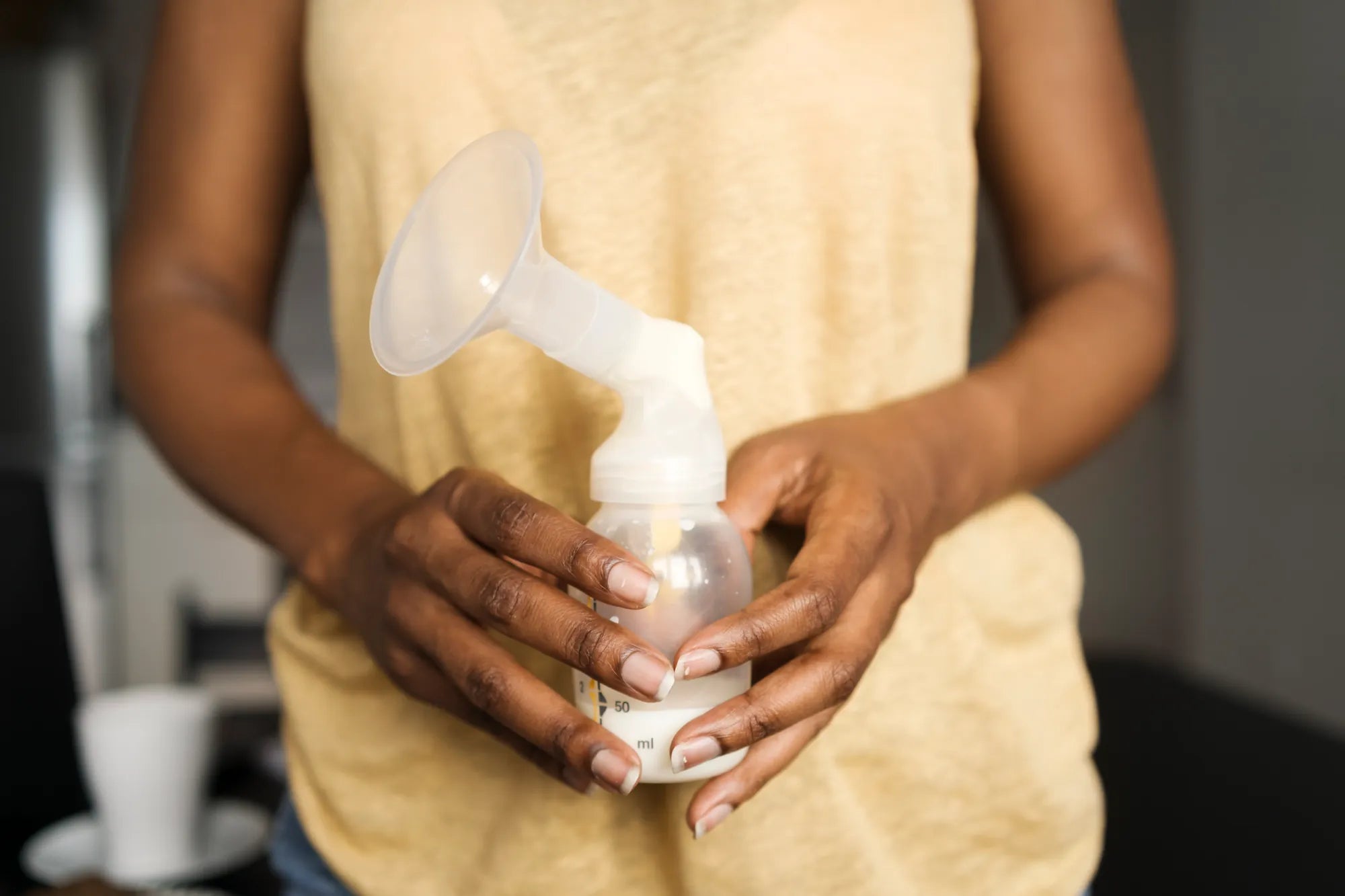
Determining how long do I breast pump for is one of the most common and crucial questions for nursing mothers. The answer isn't a single number, but a personalized framework based on your baby's age, your milk supply goals, and your body's unique response. This comprehensive guide will provide you with evidence-based timing guidelines, efficiency strategies, and troubleshooting tips to make every pumping session as productive and comfortable as possible. As a trusted maternal and baby care brand, MomMed specializes in creating reliable, innovative products like wearable breast pumps and perfectly fitted flanges to support you through every phase of your breastfeeding and pumping journey.
Understanding the Science Behind Pumping Duration
Effective pumping is about efficient milk removal, not just watching the clock. Your breasts operate on a supply-and-demand system; the more milk you remove, the more your body is signaled to produce. A pumping session's length should aim to achieve this complete or near-complete emptying to maintain a healthy supply.
The process isn't linear. Milk ejection, or letdown, is a reflex triggered by stimulation. Most mothers experience multiple letdowns in a single session. The first typically occurs within 2-3 minutes of pumping, with subsequent letdowns possible every 5-10 minutes thereafter. Pumping long enough to trigger a second (or even third) letdown is often key to maximizing output.
Research indicates that for most mothers, the majority of milk is removed in the first 15-20 minutes. However, "most" does not mean "all." Individual anatomy, flange fit, pump suction patterns, and stress levels can significantly alter this timeline. The goal is to learn your body's pattern: pump until the milk flow has substantially slowed to drips, not just for a predetermined time.
Ignoring these signals can lead to challenges. Stopping too soon may leave milk in the breasts, potentially leading to clogged ducts, mastitis, or a gradual drop in supply. Conversely, pumping excessively long on a regular basis can cause nipple trauma and edema without increasing yield. Finding your sweet spot is essential.
Key Factors That Determine Your Ideal Pumping Session Length
Your optimal pumping time is influenced by a confluence of personal factors. Understanding these will help you move beyond generic advice to a routine tailored for you and your baby.
Your Baby's Age and Nursing Stage
A newborn's feeding patterns differ vastly from a six-month-old's. In the early weeks, sessions are about establishing supply and mimicking a newborn's frequent, sometimes cluster-feeding behavior. As your baby grows and becomes more efficient at the breast, your pumping strategy will evolve to match their changing intake and schedule.
The Primary Purpose of Pumping
Are you an exclusive pumper, pumping occasionally for a bottle, or building a freezer stash for a return to work? An exclusive pumper needs sessions that fully replace a baby's feed to protect supply. A mom pumping for an occasional evening out may have more flexibility. Your goal directly dictates the necessary thoroughness and duration of each session.
Your Individual Milk Supply Dynamics
Mothers with a robust oversupply may find their breasts empty quickly, while those working to increase a low supply may need longer, more frequent sessions to provide the necessary stimulation. There is no "normal" volume; what matters is meeting your baby's needs. Your session length should adapt to whether you are maintaining, increasing, or strategically reducing your supply.
Pump Type and Flange Fit
Not all pumps are created equal. A hospital-grade double electric pump is designed for efficiency. A wearable pump, like the MomMed S21, offers unparalleled convenience but may have a different performance curve. Most critically, an incorrectly sized flange—the tunnel that fits over your nipple—is the number one cause of poor output and extended, painful sessions. A proper fit allows for optimal milk flow and comfort.
A Stage-by-Stage Guide: How Long to Pump From Newborn to Weaning
Use this phase-based framework as your starting point, remembering to adjust based on your personal output and comfort.
Establishing Supply (Birth - 8 Weeks)
This critical period sets the foundation. Aim to pump 8-12 times per 24 hours, mimicking a newborn's feeding frequency. Session length: 15-30 minutes per session, or 2-5 minutes after milk stops flowing. Double pumping is highly recommended to save time and maximize prolactin response. Even if output is low initially, the consistent stimulation is programming your body for future production.
Maintaining Supply (2 - 6 Months)
Once your supply is well-established, you can often consolidate sessions. Most mothers maintain supply with 5-7 pumping sessions per day. Session length: 15-20 minutes of effective pumping, or until milk flow slows to drips for about 2 minutes. This is an ideal time to optimize efficiency with a comfortable, hands-free pump that fits your lifestyle.
Pumping for a Return-to-Work Stash
When building a stash, add 1-2 extra pumping sessions per day, typically after the first morning feed when prolactin levels are high. For these stash-building sessions, extend your time slightly: pump for 20-25 minutes, or through 2-3 letdowns. The powerful, adjustable suction of a pump like the MomMed Swing Electric Pump can help maximize output during these key sessions.
Pumping During Weaning
To wean from the pump, gradually reduce session length *before* reducing frequency. Start by shortening each session by 2-5 minutes every few days. Once sessions are down to about 5-10 minutes, you can begin to drop sessions entirely. This gradual approach helps prevent engorgement and clogged ducts.
Optimizing Your Routine: Frequency, Timing, and Efficiency Tips
Session length is just one variable. Its interplay with frequency and timing creates your overall pumping strategy.
For maintaining supply, total number of minutes per day of milk removal is often more important than the length of any single session. Seven 15-minute sessions (105 minutes) may be more effective than four 25-minute sessions (100 minutes) for many, as it more closely mimics a baby's pattern. Consistency in your schedule is also key for regulating hormone responses.
Strategic timing can boost output. Your prolactin hormone, which drives milk production, is highest at night and in the early morning. A pumping session between 1 AM and 5 AM, or your first morning pump, will often yield more milk in less time. If adding a session, this is the most productive slot.
To maximize efficiency within each session, employ hands-on techniques. Gently massaging your breasts before and during pumping can help trigger letdowns and push milk from the ducts. Applying warm compresses for a few minutes prior can also encourage milk flow. After milk flow slows, a final minute of hand expression can often yield an extra half-ounce, ensuring complete emptying.
Invest in technology that works with you. A comfortable, well-fitted, hands-free wearable pump like the MomMed S21 Double Wearable Breast Pump allows you to move, hydrate, snack, or even work while pumping. This reduces stress, which can inhibit letdown, and makes adhering to your schedule far more sustainable. Its hospital-grade performance ensures you're not sacrificing output for convenience.
Troubleshooting Common Pumping Duration Challenges
What do you do when the standard guidelines don't seem to match your experience? Here are solutions for common scenarios.
Pumping for 30+ Minutes with Little Output
First, check your flange fit. Your nipple should move freely without rubbing the sides, and very little areola should be pulled in. An incorrect size is the most common culprit. Second, ensure all pump parts (valves, membranes, duckbills) are intact and replaced regularly—worn parts destroy suction. Third, assess your environment. Try looking at photos/videos of your baby, smelling their clothes, or relaxing with deep breaths to trigger a letdown reflex.
How to Shorten Sessions with an Oversupply
If you consistently empty quickly (e.g., in 10 minutes), you can safely stop once the strong flow ceases. Do not feel compelled to pump a full 15-20 minutes. However, be cautious not to pump at too high a suction, as this can signal your body to produce even more milk. The goal is comfort and relief, not aggressive stimulation.
Implementing Power Pumping to Boost Supply
Power pumping mimics cluster feeding to increase supply. It is not about one long session, but a specific interval pattern over the course of an hour. A common and effective structure is: Pump for 20 minutes, rest for 10, pump for 10, rest for 10, pump for 10. Do this once a day for 3-5 days, typically replacing your lowest-output session. It's demanding but can be very effective.
Managing Middle-of-the-Night (MOTN) Sessions
While crucial for supply in the early months, MOTN sessions don't need to be marathon events. A focused, efficient 15-20 minute session is sufficient. Keep lights low, avoid screens, and have everything set up bedside to minimize disruption and help you return to sleep quickly.
Pumping Session Duration: A Comparative Overview
| Pumping Scenario / Goal | Recommended Session Duration | Key Rationale & Notes |
|---|---|---|
| Establishing Supply (0-8 wks) | 15-30 minutes | Mimics newborn frequency; ensures sufficient stimulation regardless of early output. |
| Maintaining Supply (2-6 mos) | 15-20 minutes (or until flow stops) | Focus shifts to efficient, complete emptying rather than maximum time. |
| Exclusive Pumping | 20-30 minutes, 8+ times/day | Must fully replace a baby's feeds; often requires longer to ensure multiple letdowns. |
| Occasional Bottle / Relief | 10-15 minutes (or until comfortable) | Goal is relief or a single feed; not intended for full supply stimulation. |
| Power Pumping (for low supply) | 20 min, 10 min rest, 10 min on, 10 rest, 10 on | Interval pattern mimics cluster feeding to boost prolactin receptors. |
| Oversupply Management | Pump only to comfort (may be 5-10 min) | Avoid over-stimulation; empty just enough to relieve engorgement. |
| Weaning from the Pump | Gradually reduce by 2-5 min every few days | Reducing time before frequency minimizes engorgement and mastitis risk. |
MomMed Products: Engineered for Effective and Comfortable Sessions
At MomMed, we design every product with the science of milk removal and the reality of a mother's life in mind. Our goal is to make effective pumping more accessible, comfortable, and efficient, which directly influences how long you need to spend connected to a pump.
The MomMed S21 Double Wearable Breast Pump is a game-changer for session efficiency. Its hospital-grade, adjustable suction provides the power needed for a complete emptying, while its truly wireless, compact design liberates you to move. You can achieve a full session while preparing a meal, working, or caring for an older child, reducing the perceived burden of pumping time. The BPA-free, food-grade silicone flanges are designed for a secure, gentle seal.
Comfort is inextricably linked to efficiency. Painful pumping leads to stress, which inhibits letdowns and can prolong sessions. Our range of breast pump flange sizes ensures you can find a fit that allows your nipple to move freely without friction. A proper fit not only prevents damage but also ensures optimal milk flow, helping you achieve your output goals in a shorter, more comfortable timeframe.
For mothers who prefer a traditional electric pump or need a powerful primary or backup option, the MomMed Swing Electric Breast Pump offers customizable settings to match your unique letdown pattern and sensitivity. Its closed-system design and easy-to-clean parts support a hygienic routine, and its efficiency can be particularly valuable during those critical stash-building or power-pumping sessions.
Frequently Asked Questions on Pumping Time
Is it okay to pump for less than 10 minutes?
Yes, in specific contexts. If you have a very strong letdown and an oversupply and you are pumping for relief, 5-10 minutes may be sufficient to achieve comfort. However, for maintaining a full supply—especially in the first 6 months—most mothers need at least 15-20 minutes to trigger multiple letdowns and empty adequately. Short, frequent sessions are better than a few very short ones.
Can I pump for too long?
Yes. Regularly pumping for excessively long periods (e.g., 40-60 minutes per session) can lead to nipple damage, areolar edema (swelling that blocks milk ducts), and unnecessary stress without increasing yield. It can also be a sign of an underlying issue like improper flange fit or weak pump suction. Aim for effectiveness, not endurance.
How long should a middle-of-the-night pump session be?
Keep it efficient: 15-20 minutes of active pumping is typically ample. The key is consistency and the hormonal benefit of the session, not the duration. Set up a simple, quiet station to minimize wakefulness and help you return to sleep quickly.
Why do I get a second letdown after 20 minutes, and should I keep pumping?
A second (or third) letdown is a normal physiological response for many women. If you experience a second strong flow around the 20-minute mark, it's wise to continue pumping for another 3-5 minutes to collect that milk. This is a sign your body is still releasing milk, and removing it will help protect your supply.
Does the "finish in 15 minutes" setting on some pumps work?
These automated programs often start with a rapid, light stimulation phase to trigger letdown, then switch to a longer, slower expression phase. They can be effective for mothers whose bodies respond predictably to that pattern. However, they are not a universal rule. Always prioritize your body's signals—milk flow—over the pump's timer.
Finding Your Personal and Effective Pumping Rhythm
The journey to answering how long do I breast pump for is one of attentive observation and gentle adjustment. Your body will give you the most important feedback: the flow of milk, the feeling of softening breasts, and your own comfort. Use the guidelines for session length as a flexible framework, not a rigid rule. Whether you are establishing supply in the quiet early hours, efficiently pumping at your desk with a wearable pump, or gently weaning, the ultimate goal is effective milk removal that supports your breastfeeding relationship and your well-being. Trust in your ability to learn your unique rhythm, and equip yourself with tools that make the process sustainable. For pumps designed to support efficient, comfortable, and confident pumping through every stage, explore the innovative solutions engineered with your needs in mind. Shop the MomMed collection at mommed.com for all your breastfeeding and pregnancy needs.