


Startseite
Pregnancy, Breastfeeding, and Pumping: The Ultimate Guide for Moms
How Big Should Breast Pump Flange Be: The Ultimate Sizing Guide
How Big Should Breast Pump Flange Be: The Ultimate Sizing Guide
Introduction: Why Flange Fit Is the Foundation of Comfortable Pumping
You’ve assembled your breast pump, ready to provide for your baby, only to be met with pinching pain, disappointing output, or raw, irritated skin. This frustrating scenario is often rooted in one overlooked detail: an ill-fitting breast pump flange. Understanding how big should breast pump flange be is not a minor technicality—it’s the cornerstone of an efficient, comfortable, and sustainable pumping journey. The correct size directly impacts milk removal, which signals your body to produce more, while an incorrect fit can lead to pain, damage, and diminished supply.
This comprehensive guide will demystify flange sizing, providing a clear, step-by-step method to find your perfect fit. We’ll explore the anatomy of a flange, the tangible consequences of a poor fit, and special considerations for different body types. As a trusted maternal and baby care brand, MomMed designs products like our wearable S21 pump with this personalized comfort in mind, offering multiple flange sizes and adjustable settings to support every mom’s unique needs. Getting this fundamental piece right transforms pumping from a chore into an empowered part of your feeding journey.
Understanding Flange Anatomy: More Than Just a Tunnel
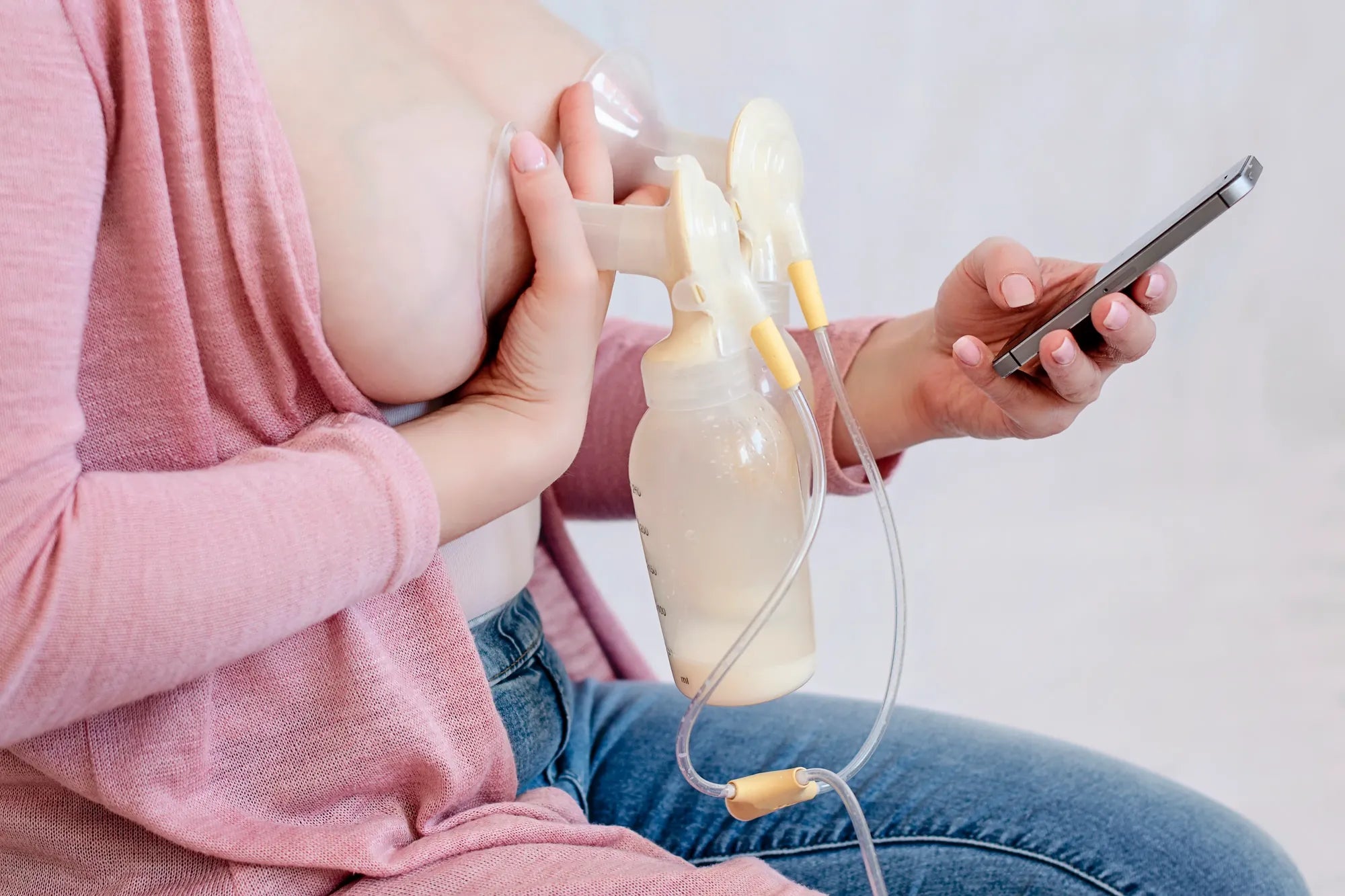
A breast pump flange, also called a breast shield, is the funnel-shaped piece that fits directly over your nipple and areola. Its primary function is to create a sealed chamber for the pump’s suction to gently draw out milk. Think of it not as a passive tunnel, but as an active interface between your body and the machine. A well-designed flange has a contoured shape that rests comfortably on your breast tissue without digging in, allowing your nipple to move freely within the tunnel during the pump’s cycle.
The key parts include the tunnel, where the nipple extends and retracts; the flange rim or lip, which should sit flush against the breast; and the connector that attaches to the bottle or pump tubing. The diameter of the tunnel is the critical measurement. An apt analogy is a well-fitting shoe: it should support without squeezing, allowing for natural movement. Just as you wouldn’t run a marathon in shoes two sizes off, you shouldn’t pump regularly with an incorrectly sized flange.
The Consequences of an Incorrect Fit
Using the wrong flange size has direct, often painful, consequences. A flange that is too small will cause the nipple to rub against the sides of the tunnel, leading to friction, redness, blistering, and even cracking. You may notice the tip of your nipple turning white (blanching) after pumping, a sign of restricted blood flow. This damage not only hurts but can also make breastfeeding painful and increase the risk of mastitis due to blocked ducts from swelling.
Conversely, a flange that is too large pulls excessive areolar tissue into the tunnel. This can compress milk ducts within that tissue, hindering efficient milk flow and reducing output. It may also cause discomfort as the rigid plastic pulls on sensitive skin. In both scenarios, improper milk removal sends weak signals to your body, potentially leading to a gradual decrease in milk supply over time. The correct fit is therefore essential for both immediate comfort and long-term breastfeeding success.
How to Find Your Perfect Flange Size: A Step-by-Step Guide
Finding your ideal flange size is a simple process centered on accurate measurement. Most pumps come with standard 24mm or 27mm flanges, but research and lactation experts suggest that up to 50% of pumping mothers may need a different size. The following steps provide a reliable method to determine your starting size, which you can then fine-tune based on comfort and performance. Remember, the goal is to measure your nipple, not your areola, and to do so under the right conditions.
Gather a flexible measuring tape or a ruler with millimeter increments. Some brands, including MomMed, provide printable nipple rulers. Ensure you are in a relaxed state, as stress can affect your body. The most crucial instruction is to measure after pumping or breastfeeding, when your nipple is at its most elongated and natural pumping state. Measuring a non-stimulated nipple will almost always result in choosing a flange that is too small.
Step 1: Measure Your Nipple Diameter (The Gold Standard)
After a short pumping session or feeding, gently pat your nipple dry. Using your ruler or tape, measure the diameter of the nipple at its base, where it meets the areola. Measure just the nipple itself—the part that elongates during pumping. Do not include the surrounding areola. Note the measurement in millimeters. It’s wise to take this measurement a few times over a couple of days to ensure consistency, as nipple size can fluctuate slightly.
For example, if your nipple measures 18mm across, that is your base nipple diameter. This number is the single most important data point for determining how big should breast pump flange be for you. Avoid using pre-pump measurements or guessing based on breast size, as there is no correlation between breast volume and nipple diameter.
Step 2: Calculate Your Flange Size
The standard rule is to add 0-4 mm to your measured nipple diameter to find your flange size. For most women, a flange that is about 2-3 mm larger than the nipple provides the ideal space for movement without excess areola pull. Using our example of an 18mm nipple, a 21mm flange (18mm + 3mm) would be the recommended starting point.
Refer to the following table as a quick reference guide. This table illustrates the standard calculation, though individual comfort should always be the final arbiter.
| Measured Nipple Diameter (mm) | Recommended Starting Flange Size (mm) | Notes |
|---|---|---|
| 13-15 | 17 | May require specialty small flanges |
| 16 | 19 or 21 | Start with 19mm, assess comfort |
| 17 | 21 | A very common size |
| 18 | 21 or 24 | 21mm is typical; 24mm if areola is elastic |
| 19-20 | 24 | The standard size included with many pumps |
| 21-22 | 27 | Another common standard size |
| 23+ | 30, 32, or larger | May require specialty large flanges |
Step 3: The "Comfort and Flow" Check
Once you have your starting size, the real test begins with the pump. A correctly fitted flange should feel comfortable, not painful, during suction. Visually, only your nipple should move freely in the tunnel. You should see a small amount of areola being gently drawn in, but not large portions of it. Your nipple should not rub against the sides of the tunnel, and the flange rim should not dig into your breast tissue.
Efficiency is the other key indicator. After pumping with a well-fitted flange, your breast should feel softer, and milk should flow in steady streams or drips, not just drops. If you experience pain, see redness or blanching, or get poor output, reevaluate your size. The answer to how big should breast pump flange be is ultimately the size that allows for pain-free, effective milk expression.
Beyond Standard Sizes: Special Considerations for Every Mom
While the nipple measurement method works for most, some mothers have unique anatomical features or experiences that require extra consideration. Bodies are not one-size-fits-all, and the pumping industry is increasingly recognizing the need for more personalized solutions. Understanding these variations can help you troubleshoot if the standard sizing process doesn’t yield perfect results.
Issues like elastic tissue, significant postpartum changes, or persistent pain despite "correct" measurements are common. This is where innovation in product design, like that seen in MomMed’s offerings, becomes invaluable. Features such as soft, flexible silicone flanges and a wide range of suction settings can accommodate these special needs, making comfortable pumping accessible to more mothers.
Areola Size and Breast Shape
If you have a particularly wide or puffy areola, you might find that even a flange with the correct tunnel diameter feels uncomfortable because the rigid rim presses on sensitive tissue. In this case, you may benefit from a flange with a wider, more shallow funnel shape that accommodates more areolar surface area without pulling it deep into the tunnel. Some brands offer "fit kits" with varying contours.
Similarly, breast shape can affect seal and comfort. Ensuring the flange creates an airtight seal without gaping or pinching is crucial. Using a pumping lubricant (like refined coconut oil or a dedicated, pump-safe product) on the flange rim can improve comfort and seal for many women, especially in the early, sensitive postpartum weeks.
Flanges for Elastic Tissue or Nipples That Swell
Elastic tissue refers to nipples and areolas that stretch significantly during pumping, sometimes swelling to fill a tunnel that started as the correct size. If you notice your nipple swelling and touching the sides of the tunnel partway through a session, it’s a sign of elastic tissue. This can reduce output and cause discomfort.
Strategies include using lubricant in the tunnel to reduce friction, starting with a slightly larger flange size (adding 4mm instead of 2mm to your measurement), or using flanges made from softer, more flexible materials. MomMed’s flanges, for instance, are crafted from soft, BPA-free, food-grade silicone that can gently flex with your tissue, providing a more forgiving and comfortable fit for elastic nipples.
When to Consider a Lactation Consultant
If you’ve tried measuring and experimenting with sizes but still experience significant pain, cracked nipples, or persistently low output, it’s time to seek professional help. An International Board Certified Lactation Consultant (IBCLC) can provide a comprehensive assessment. They can observe you pumping, check your flange fit in real-time, assess your nipple for damage, and evaluate your pump settings.
A lactation consultant can also identify if issues like a shallow latch during breastfeeding are contributing to nipple trauma that makes pumping painful. They are an invaluable resource for complex situations and can provide tailored advice that goes beyond basic sizing charts. Investing in a consultation can save weeks of frustration and protect your milk supply.
MomMed’s Approach: Personalized Comfort Built-In
At MomMed, we understand that the question of how big should breast pump flange be has a different answer for every mother. That’s why we design our products with customization and comfort as core principles. Our philosophy is that a breast pump should adapt to you, not the other way around. From inclusive sizing kits to intuitive controls, we build solutions that address the common pain points of pumping, starting with the all-important flange fit.
Our product range, including wearable and electric pumps, pregnancy test kits, and baby care essentials, is developed with the input of mothers and experts. We prioritize safety, using only BPA-free, food-grade materials, and focus on creating a supportive, reliable experience for moms and moms-to-be. This commitment to innovation has made us a trusted brand for thousands of families across the US and Europe.
Our S21 Wearable Pump: Award-Winning Design for a Custom Fit
The MomMed S21 Double Wearable Breast Pump exemplifies our commitment to personalized fit. Recognizing that one size does not fit all, the S21 pump comes included with multiple flange sizes—typically 21mm, 24mm, and 27mm—allowing mothers to find their perfect match right out of the box. This eliminates the initial guesswork and extra cost of ordering separate parts.
The flanges themselves are made from our signature soft, flexible silicone. This material is gentler on skin than hard plastic, reducing the risk of chafing and providing a more comfortable seal. The wearable, cordless design means you can move freely, but it also offers a unique advantage for fit assessment: you can easily look down and observe your nipple movement during a session to ensure it’s functioning correctly within the tunnel.
Precision Control for Your Unique Needs
Correct flange size is only one part of the comfort equation; pump settings are the other. The MomMed S21 and our Swing Electric Pump feature multiple modes (simulation and expression) and numerous adjustable suction levels. This precision control allows you to find the gentle yet effective rhythm that works for your body.
You can start with a low suction to allow your nipples to adjust and elongate into a properly sized flange, then increase to a comfortable yet efficient level for milk removal. This synergy between correct flange size and customizable settings is what enables effective, comfortable pumping and helps protect and maintain your milk supply.
The Hands-Free Advantage: Observe and Adjust
Traditional pumps often require hunching over or holding flanges in place, making it difficult to see what’s happening. The hands-free nature of a wearable pump like the S21 changes this dynamic. You can sit upright, relax, and easily glance down to check your fit. Is your nipple centered? Is it moving freely? Is too much areola being pulled in?
This real-time visibility empowers you to make immediate micro-adjustments—shifting the pump’s position, slightly reducing suction, or adding lubricant—to optimize comfort and output during the session itself. It turns pumping into a more intuitive and controlled experience.
Flange Fit and Overall Pumping Success: The Data-Driven Connection
The impact of proper flange sizing extends beyond comfort; it’s quantifiably linked to pumping outcomes. Studies and lactation consultant reports consistently show that correct fit leads to more complete breast drainage, which is the primary driver of milk supply. Incomplete drainage due to poor fit or pain can signal the body to slow production.
Furthermore, comfortable pumping sessions are longer and more consistent sessions. A mother who experiences pain is likely to cut her pumping time short or skip sessions altogether, which can have a cumulative negative effect on supply. By solving the fundamental issue of fit, mothers can establish and maintain a regular pumping routine that supports their feeding goals, whether they are exclusively pumping or combining it with direct breastfeeding.
It’s also a matter of maternal well-being. The postpartum period is demanding. Reducing or eliminating a source of physical pain like flange discomfort can have a positive effect on a mother’s mental and emotional state, making the feeding journey more sustainable and positive. Investing time in finding the right fit is an investment in your overall breastfeeding experience.
Frequently Asked Questions (FAQs)
Q: Can I just use the standard flanges that come with the pump?
A: You can try, but be vigilant for signs of poor fit. Many pumps include 24mm and 27mm as defaults, but since up to half of women need a different size, it’s crucial to measure. Using the wrong size long-term can cause issues. MomMed pumps include multiple sizes to increase your chances of a good fit from the start.
Q: My flange size changed a few weeks postpartum. Is that normal?
A: Absolutely. Your body undergoes significant changes in the early weeks and months. Nipple size and breast elasticity can evolve as engorgement subsides and your milk supply regulates. It’s a good practice to re-measure your nipples if you experience new discomfort or a change in output after the first month.
Q: What are the clear signs my flange is too small or too large?
A: Too Small: Nipple rubs/touches tunnel sides constantly, pain or pinching, redness or blanching (white tips) after pumping, cracked skin. Too Large: Excessive areola is pulled into the tunnel, breast tissue swells around the flange rim, you may hear a breaking seal sound, and milk output is lower than expected.
Q: How do I clean and care for my MomMed flanges?
A> After each use, disassemble the flange and rinse all parts that contact milk in cool water. Wash with warm, soapy water using a mild detergent and a bottle brush. Rinse thoroughly and air-dry on a clean rack. They can also be sterilized according to the instructions in your user manual. The soft silicone is durable but avoid harsh scrubbing or high-heat dishwashers if specified.
Q: I’m between sizes. Should I size up or down?
A> General advice is to err on the side of slightly larger rather than smaller, as a slightly large flange is often less damaging than one that is too small and causes compression. However, if “slightly larger” pulls in too much areola, try using a lubricant in the tunnel of the smaller size to see if it becomes comfortable enough for effective pumping.
Conclusion: Empower Your Pumping Journey with the Right Fit
Determining how big should breast pump flange be is the most impactful first step you can take toward a positive pumping experience. It is a precise blend of measurement, personal observation, and comfort tuning. By taking the time to find your correct size, you prioritize both your physical comfort and your milk supply, setting a strong foundation for your breastfeeding goals. Remember that your needs may change, and that’s perfectly normal—regular check-ins with your fit are part of the process.
MomMed is here to support that journey with thoughtfully designed products that put your comfort first. From our S21 Wearable Pump with its inclusive sizing kit to our adjustable, gentle suction settings, we build tools that adapt to you. Don’t settle for pain or poor output as a standard part of pumping. You deserve a fit that feels right and works effectively.
Ready to experience the difference a perfect fit makes? Shop the MomMed collection at mommed.com for wearable breast pumps, premium flanges, and all your breastfeeding and pregnancy needs. Explore our award-winning S21 pump and discover how personalized comfort can transform your pumping routine.