


Startseite
Pregnancy, Breastfeeding, and Pumping: The Ultimate Guide for Moms
Does Pumping Breast Milk Make You Hungry? The Science and Solutions
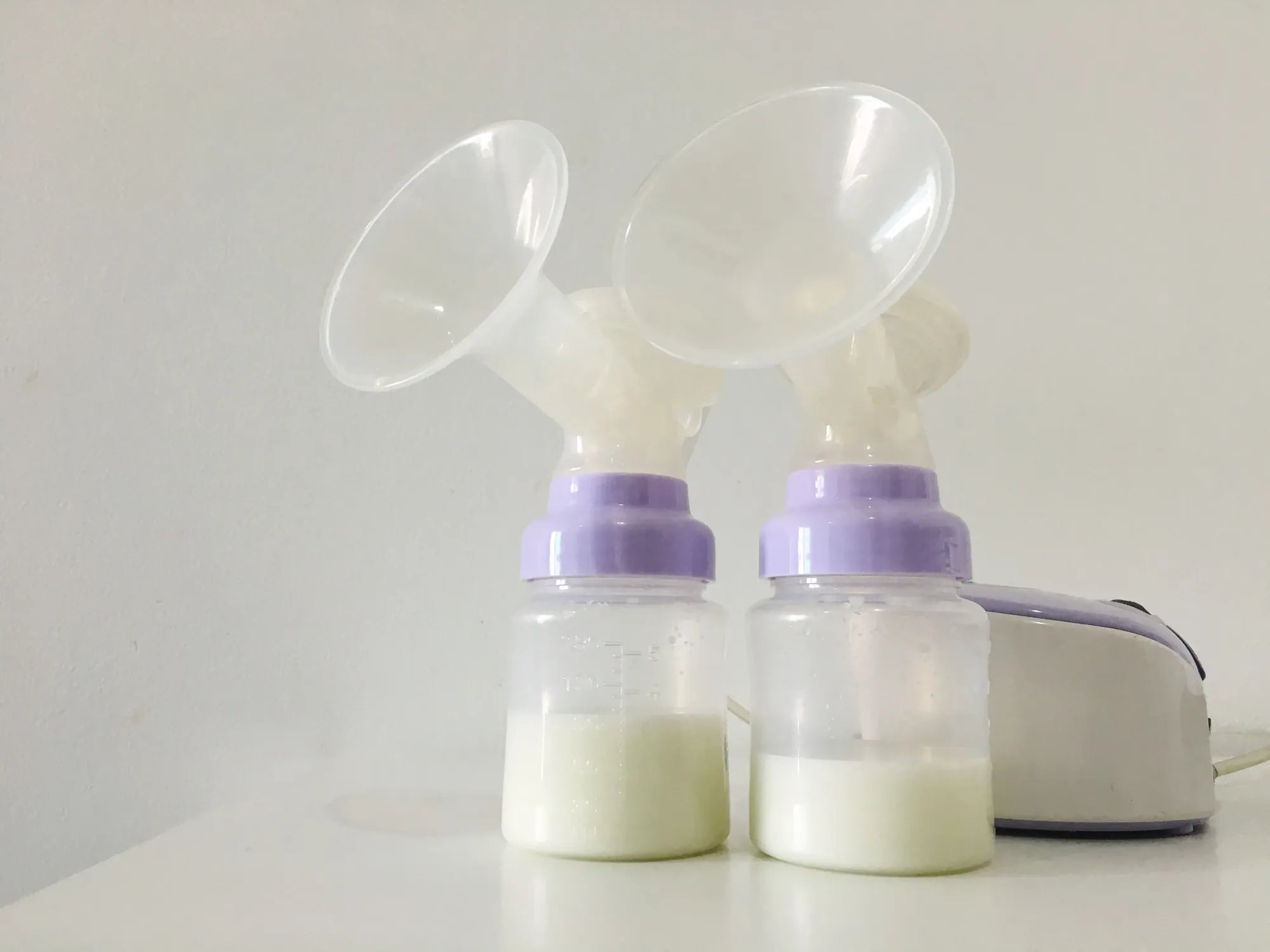
Does Pumping Breast Milk Make You Hungry? The Science and Solutions
Introduction
If you find yourself reaching for a snack every time you sit down to pump, you’re not imagining it—and you’re certainly not alone. The question, "Does pumping breast milk make you hungry?" is one of the most common queries among new parents. The answer is a resounding yes, and it’s a completely normal, healthy sign that your body is doing the incredible work of nourishing your baby. This intense hunger is your body’s direct request for the fuel required to produce liquid gold.
This article will explore the deep physiological connection between lactation and appetite, providing you with the knowledge to navigate this hungry phase with confidence. We’ll delve into the science, compare pumping to direct feeding, and offer actionable tips for smart nutrition and hydration. As a trusted maternal and baby care brand, MomMed is here to support you with reliable, innovative products that make your pumping journey more comfortable and integrated into your daily life.
The Science Behind the Hunger: Why Pumping Makes You Ravenous
The connection between pumping breast milk and hunger is rooted in fundamental biology. Producing breast milk is a metabolically expensive process, requiring significant energy from your body. On average, lactation demands an additional 300 to 500 calories per day beyond your pre-pregnancy needs. This is the caloric equivalent of running a 5K, and your body needs those calories to synthesize the fats, proteins, and sugars that make up your milk.
Key hormones drive this process and influence your appetite. Prolactin, the primary milk-making hormone, not only stimulates the glands in your breasts but can also have an appetite-stimulating effect. Furthermore, the physical act of milk removal—whether by your baby or a pump—signals your body to ramp up production, creating a continuous cycle of demand and energy expenditure. Your metabolism is essentially running in high gear 24/7.
This isn't just about calories in versus calories out; it's about nutrient partitioning. Your body will prioritize milk production, pulling from your nutrient stores if your dietary intake is insufficient. The hunger pangs you feel are a protective mechanism, urging you to replenish those stores to support both your health and a robust milk supply. Ignoring these signals can lead to fatigue and may impact your milk volume over time.
Understanding this science transforms hunger from a nuisance into a valuable communication tool. It’s your body’s way of saying, "Great job making milk! Now, please pass the fuel." Honoring this signal is a critical part of postpartum self-care and sustainable breastfeeding or pumping.
Pumping vs. Direct Feeding: Is the Hunger Different?
Many parents wonder if the source of their ravenous feeling differs between nursing at the breast and using a pump. From a pure caloric output perspective, the demand on your body is essentially the same. Producing 25 ounces of milk requires the same energy whether it’s removed by a baby or a pump. Therefore, the underlying physiological need for increased nutrition is identical.
However, the experience of hunger can feel different due to the nature of the sessions. Direct breastfeeding is often more variable in timing and duration, with hunger cues sometimes blending into the rhythm of caring for your baby. In contrast, pumping sessions are typically more structured, scheduled, and physically noticeable.
Sitting down for a dedicated 15-20 minute pumping session can make you more acutely aware of bodily sensations, including hunger and thirst. The mechanical sound and sensation of the pump can create a mental association, almost like a dinner bell, signaling your body to prepare for the energy expenditure of milk synthesis. For some, this makes the hunger feel more immediate or intense during or right after pumping.
It’s also worth noting that the efficiency of milk removal plays a role. An effective, comfortable pump that fully empties the breast, like MomMed’s wearable models, sends a strong signal to your body to produce more milk, thereby sustaining that higher metabolic demand. Whether the milk is for a bottle or straight from the source, your body’s request for fuel remains a constant.
Listening to Your Body: Hunger Cues vs. Thirst Signals
In the whirlwind of new parenthood, basic signals like hunger and thirst can become muddled. Dehydration is a common issue for lactating parents and can surprisingly manifest as feelings of hunger or sudden fatigue. Before you grab a snack, it’s wise to pause and assess: are you truly hungry, or are you actually thirsty?
Lactation increases your fluid needs substantially. A good rule of thumb is to drink enough that your urine is pale yellow. Keep a large water bottle with you at all times—especially at your pumping station. Taking several sips at the beginning, during, and end of each session can help you stay ahead of thirst and prevent it from masquerading as hunger.
When you do determine it’s genuine hunger, pay attention to the quality of the craving. A sudden desire for sugar often indicates a need for quick energy, but this can lead to a crash. Opting for a balanced snack with protein, healthy fat, and fiber will provide longer-lasting energy and better support milk production. True, sustained hunger is your body asking for high-quality building blocks, not just empty calories.
Mindful eating is key. Try to eat without distraction when possible, and honor your hunger promptly. Delaying meals can lead to overeating later and may cause dips in your energy that make the demands of pumping feel more overwhelming. Your body is working hard; feeding it reliably is part of the partnership.
Fueling Your Milk Supply: Smart Nutrition for Pumping Moms
Adopting a "feeding the feeder" mindset is essential. Your diet doesn’t need to be perfect, but it should be intentional and focused on nutrient density to support both your recovery and your milk supply. Think of your plate in terms of sustained energy: complex carbohydrates for fuel, lean proteins for repair and satiety, and healthy fats for hormone production and calorie density.
Consistency is more important than perfection. Aim for three balanced meals and 2-3 strategic snacks throughout the day. This helps maintain stable blood sugar levels, which can keep energy and mood more even. Good snack ideas include Greek yogurt with berries, apple slices with nut butter, a handful of nuts and dried fruit, or whole-grain toast with avocado.
Certain foods are traditionally celebrated as galactagogues (milk-supply boosters), like oats, brewer’s yeast, flaxseed, and fenugreek. While scientific evidence varies, these foods are generally nutritious and worth incorporating. A bowl of oatmeal for breakfast, for instance, provides iron, fiber, and comfort. The most proven way to support supply, however, is effective, frequent milk removal and adequate overall nutrition and hydration.
Don’t skimp on healthy fats. Sources like avocado, olive oil, nuts, seeds, and fatty fish are crucial for brain development in your baby (via your milk) and for keeping you feeling full. Preparing easy, one-handed meals like soups, stews, smoothies, and grain bowls can be a lifesaver for busy pumping parents, ensuring you get the nourishment you need without excessive effort.
The Physical and Emotional Link: How Pumping Comfort Affects Appetite
The experience of pumping isn't just a physical transaction; it has significant emotional and psychological dimensions that can directly influence your appetite and eating habits. Stress and discomfort can suppress hunger signals or, conversely, lead to stress-eating for comfort. Creating a positive, relaxed pumping environment is therefore indirectly crucial for healthy nutrition.
Discomfort from ill-fitting flanges, loud pumps, or the feeling of being "tethered" to a wall outlet can spike stress hormones like cortisol. This can disrupt the subtle cues of hunger and fullness. In contrast, a comfortable, efficient pumping session allows your body to relax, making it easier to tune into its genuine needs for food and water.
This is where the design philosophy behind MomMed pumps makes a tangible difference. Wearable pumps like the award-winning MomMed S21 Double Wearable Breast Pump are engineered for comfort and mobility. Their soft, BPA-free silicone flanges are designed for a better fit, and their ultra-quiet operation minimizes disruption. This allows you to pump while moving freely, perhaps preparing a healthy snack or simply relaxing on the couch.
When you reduce the stress and physical burden of pumping, you create mental space. This space allows you to listen to your body’s hunger cues more clearly and respond to them kindly. Comfortable pumping technology supports not just your milk supply, but your holistic well-being, making it easier to nourish yourself as diligently as you nourish your baby.
Comparing Your Options: Pumping Schedules and Nutritional Impact
Your pumping schedule can influence the pattern and intensity of your hunger. Understanding this can help you plan your meals and snacks more effectively. The table below outlines how different common pumping scenarios might affect your nutritional needs and strategies.
| Pumping Scenario | Impact on Hunger & Metabolism | Recommended Nutrition Strategy |
|---|---|---|
| Exclusive Pumping (8+ sessions/day) | Consistently high metabolic demand. Hunger may be constant and pronounced. | Prioritize calorie-dense snacks between meals. Focus on maximum nutrient density with every bite. Hydration is critical. |
| Combination Feeding (Pump + Nursing) | Variable demand based on daily routine. Hunger may spike after longer pumping sessions. | Keep flexible, portable snacks on hand. Tailor meal size to the day’s pumping output. |
| Occasional Pumping (for occasional bottles) | Smaller, periodic increases in caloric need. Hunger may be noticeable after a session. | Listen to cues. A substantial post-pumping snack can prevent energy dips. |
| Power Pumping (to boost supply) | Intense, clustered sessions create a strong "produce more" signal, potentially increasing hunger later. | Have a balanced meal or snack ready for after the session. Ensure extra hydration during. |
As shown, the frequency and intensity of pumping directly correlate with your body’s need for additional fuel. An exclusive pumper has the nutritional demands of an endurance athlete and should eat accordingly. Even occasional pumpers should view their post-pumping hunger as a legitimate need for replenishment.
Planning is your best tool. If you know you have a pumping session coming up, have a snack and water ready to go. This proactive approach prevents you from reaching for less nutritious options in a moment of ravenous hunger. Aligning your eating schedule with your pumping schedule is a practical form of self-care that supports your long-term success.
Frequently Asked Questions (FAQs)
Is it normal to be hungrier when I pump more often?
Absolutely. Increasing your pumping frequency or volume directly increases the amount of milk your body is producing, which in turn raises your daily energy expenditure. More sessions typically mean greater milk removal and a higher caloric demand. Your increased hunger is a positive sign that your body is responding to the stimulus to make more milk.
Could my hunger be a sign of a low milk supply?
Hunger is a sign of your body’s energy needs, not a direct indicator of milk supply volume. In fact, consistent hunger often accompanies a good supply because it means you’re producing a significant amount. The key to maintaining supply is effective, frequent milk removal. Using a comfortable, efficient pump that fully empties the breasts, like the MomMed S12 or S21, provides the clear signal your body needs to keep production steady.
What if I’m not hungry while pumping? Should I force myself to eat?
Appetite varies greatly from person to person. Some parents feel intense hunger, while others have a more subdued appetite. If you’re not hungry, don’t force-feed yourself, but do be intentional about consistent nutrition. Your body is still using massive energy reserves. Focus on eating regular, balanced meals and staying hydrated to ensure you have the substrates for milk production, even if you don’t feel a strong hunger cue.
How can I manage hunger at night after pumping?
Nighttime hunger is common due to the metabolic work happening overnight. Keep a healthy, easy snack (like a granola bar, a small container of nuts, or a banana) and a full water bottle on your nightstand. A quiet, discreet wearable pump can make nighttime sessions less disruptive, allowing you to snack and hydrate easily before going back to sleep, helping you and your body recover.
Are there specific foods I should avoid while pumping?
There are no universal "forbidden" foods. A balanced diet is best. Some babies may be sensitive to certain proteins (like cow’s milk protein) or compounds that pass into breast milk, which can cause fussiness. If you suspect a food sensitivity, consult a lactation consultant or pediatrician. Generally, moderate caffeine is fine, and alcohol should be timed carefully (pump or feed first, then wait 2+ hours per drink before the next session).
Honoring Your Hunger, Nourishing Your Journey
The relentless hunger that often accompanies pumping is not a flaw or an inconvenience; it is a testament to the extraordinary work your body is doing. It is a biological standing ovation for the calories and nutrients you are transforming into life-sustaining nourishment for your baby. By understanding the science, you can reframe this hunger as a powerful dialogue with your body—one that deserves a respectful and nourishing response.
Your journey is unique, and so are your needs. Whether you’re an exclusive pumper, combination feeding, or just building a stash, honoring your hunger with wholesome foods and ample fluids is a cornerstone of sustainable practice. It protects your energy, supports your milk supply, and allows you to show up as the parent you want to be.
At MomMed, we believe that supporting your journey means providing tools that empower and comfort you. Our range of BPA-free, wearable breast pumps—like the hands-free S21 and the compact S12—are designed to integrate seamlessly into your life, giving you the freedom and comfort to focus on caring for yourself as well as your baby. When you reduce the physical stress of pumping, you make space for the mindful self-care that includes listening to and honoring your hunger.
Embrace the hunger. Plan for it. Nourish it. You are doing an amazing job. Shop the MomMed collection at mommed.com for all your breastfeeding and pregnancy needs, and equip yourself with innovative, comfortable products that support every step of your feeding journey.