


Startseite
Pregnancy, Breastfeeding, and Pumping: The Ultimate Guide for Moms
Does Pumping Breast Milk Help with Weight Loss? The Science Explained
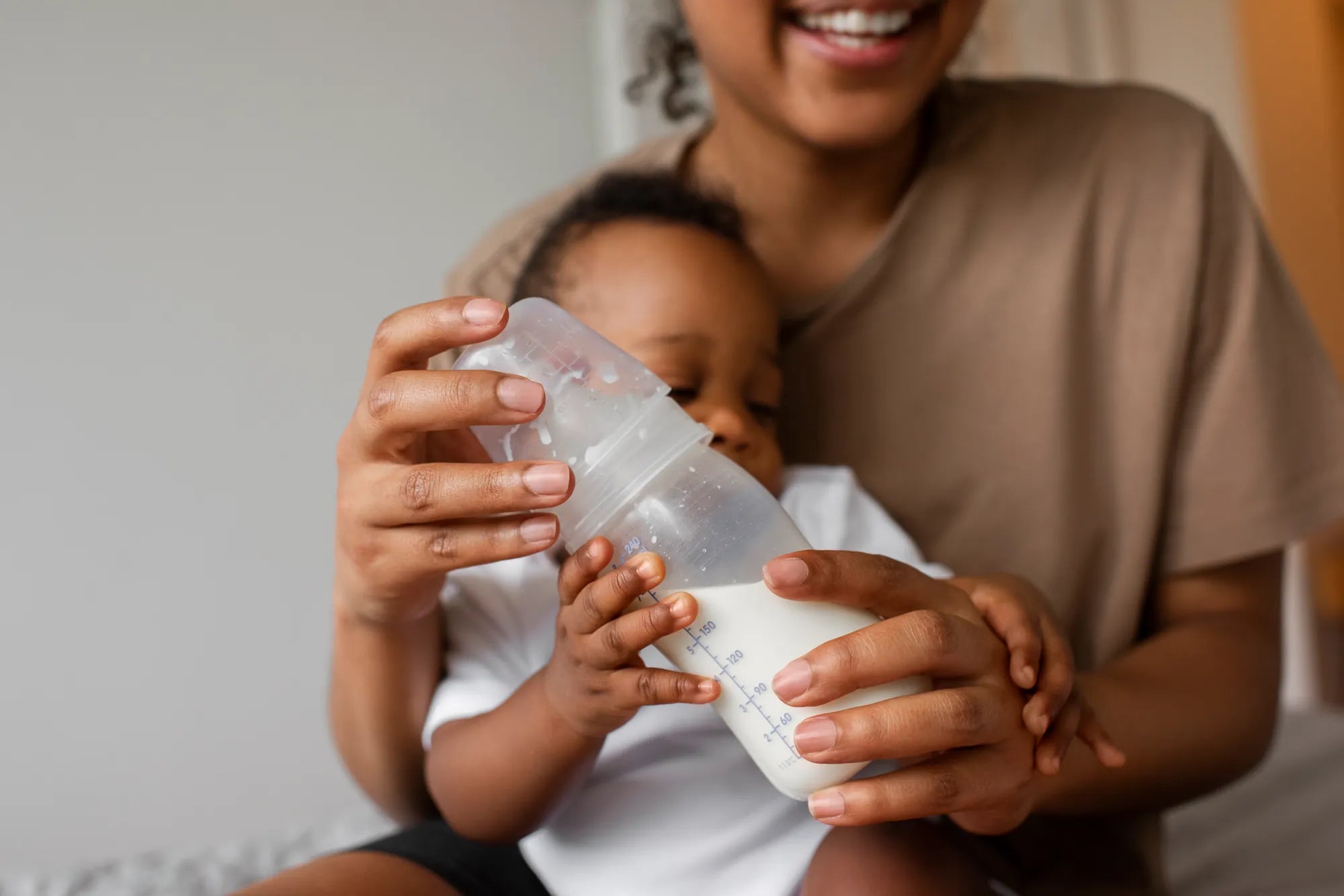
Does Pumping Breast Milk Help with Weight Loss? The Science Explained
You’ve just welcomed your baby, and amidst the joy and new routines, you might be wondering about your own body. The desire to gently shed the baby weight is natural, and you’ve likely heard that breastfeeding can help. But what if you’re pumping? The question, 'Does pumping breast milk help with weight loss?' is one asked by countless new moms. The short answer is yes, it can be a significant factor. This article will delve deep into the physiology behind it, compare pumping to nursing, and provide a realistic, evidence-based roadmap for harnessing this metabolic benefit while prioritizing your health and milk supply. As a trusted partner in the maternal journey, MomMed is here to support you with reliable, innovative products that make feeding—and your wellness—more manageable.
The Metabolic Science: How Milk Production Burns Calories
Producing breast milk is one of the most energy-intensive processes the human body undertakes. It’s a feat of biological engineering that draws on resources stored during pregnancy. The act of lactation, whether through direct nursing or pumping, elevates your basal metabolic rate (BMR), meaning you burn more calories at rest.
Credible health organizations, including the Centers for Disease Control and Prevention (CDC) and La Leche League International, estimate that producing breast milk requires an additional 300 to 500 calories per day. This range accounts for variables like the baby’s age, milk volume produced, and the mother’s metabolism. This caloric expenditure is comparable to running a few miles.
The Hormonal Engine: Prolactin and Oxytocin
This calorie burn is driven by hormones. Prolactin stimulates milk production in the alveoli of the breasts. Every time milk is removed—by a baby or a pump—prolactin levels rise, signaling your body to make more milk. Oxytocin, the "love hormone," triggers the milk-ejection reflex (let-down), causing the milk to flow. Pumping effectively stimulates both hormones, engaging the same metabolic pathways as nursing.
Therefore, from a purely physiological standpoint, exclusive pumping or combination feeding creates the same elevated caloric demand as exclusive nursing. Your body doesn’t distinguish the method of milk removal; it only responds to the frequency and efficiency of the signal to produce.
Pumping vs. Direct Nursing: A Weight Loss Comparison
Many moms wonder if one feeding method offers a superior metabolic advantage. The core calorie-burning process is identical. However, indirect factors related to routine, consistency, and mental load can influence outcomes.
Direct nursing involves the baby’s unique suckling pattern, which can be highly efficient at emptying the breast. Pumping, when done with a well-fitted, effective pump, can also achieve thorough milk removal. The key difference often lies in practicality and sustainability.
For instance, a mom struggling with latching issues may have inconsistent milk removal, potentially affecting supply and the consistency of calorie burn. In contrast, a mom using a comfortable, efficient wearable pump like the MomMed S21 Double Wearable Breast Pump can maintain a regular pumping schedule, ensuring consistent hormonal stimulation and sustained metabolic activity.
Ultimately, the "best" method for supporting weight management is the one that allows you to remove milk comfortably and consistently, thereby maintaining your milk supply and the associated calorie expenditure.
Crafting a Sustainable Plan: Nutrition, Supply, and Calorie Deficit
Creating a calorie deficit—burning more than you consume—is the mechanism for weight loss. For a pumping mom, this equation must be balanced with the nutritional demands of milk production. An overly aggressive deficit can jeopardize your supply and your health.
Fueling for Milk Production and Vitality
Your body prioritizes milk quality. If your diet is lacking, it will pull nutrients from your stores, which can lead to fatigue and depletion. Focus on nutrient-dense whole foods: lean proteins, healthy fats, complex carbohydrates, and a rainbow of fruits and vegetables. This supports both robust milk production and your own energy levels.
Calculating a Postpartum-Safe Deficit
Drastic calorie cutting is counterproductive. A common recommendation is to consume at least 1,800 to 2,200 calories per day while lactating, depending on your pre-pregnancy weight, activity level, and pumping output. A safe, gradual weight loss is about 1 pound per week after the initial 6-8 week recovery period.
A registered dietitian specializing in postpartum nutrition can provide personalized guidance. The goal is a modest deficit of about 300-500 calories from your maintenance needs (which already include the +300-500 for milk production), achieved primarily through diet quality and gentle activity.
The Non-Negotiables: Hydration and Sleep
Dehydration can mimic hunger, reduce milk volume, and slow metabolism. Aim for plenty of water, especially during and after pumping sessions. Similarly, sleep deprivation elevates cortisol (the stress hormone), which can promote abdominal fat storage and hinder weight loss. While sleep with a newborn is fragmented, prioritizing rest when possible is a crucial part of the wellness puzzle.
Beyond the Scale: Holistic Health Benefits of Pumping
Focusing solely on weight loss misses the broader picture of how pumping supports a mother's overall well-being, which is intrinsically linked to healthy metabolism.
Flexibility and Mental Well-being
The ability to pump provides control and freedom. Wearable pumps, like MomMed's award-winning S21 model with its BPA-free, food-grade silicone components, allow you to be mobile and hands-free. This can reduce the stress and isolation sometimes associated with feeding, contributing significantly to better mental health—a key regulator of hormones like cortisol that influence weight.
Building a Milk Bank and Sharing the Load
Creating a freezer stash provides immense peace of mind and allows partners to participate in feeding. This shared responsibility can alleviate your mental load, create bonding opportunities, and ensure you get more breaks. Reduced anxiety supports a healthier hormonal environment conducive to gradual weight management.
Realistic Expectations: The Postpartum Weight Loss Timeline
It took nine months to grow your baby; allow your body grace to recover. The first 6-8 weeks postpartum are a fourth trimester for healing and establishing milk supply. Weight loss during this time is often inconsistent due to fluid shifts, hormonal changes (like high levels of relaxin), and the sheer energy required for newborn care.
A healthy mindset shift is from "weight loss" to "strength and nourishment." Many moms see more noticeable changes after the 12-week mark as hormones stabilize and they can incorporate more consistent, gentle exercise (with healthcare provider clearance). Progress is often non-linear, and that is completely normal.
Pumping and Weight Loss: Key Factors Compared
| Factor | Direct Nursing | Exclusive Pumping | Impact on Weight Management |
|---|---|---|---|
| Calorie Burn Physiology | High (300-500 extra cal/day) | High (300-500 extra cal/day) | Identical. Both methods create significant metabolic demand. |
| Consistency of Milk Removal | Depends on baby's latch & schedule. | Controlled by mom's pump schedule. | Pumping may offer more predictable routine, supporting steady calorie burn. |
| Convenience & Mobility | Requires baby to be present or mom to nurse. | High with wearable pumps (e.g., MomMed S21). | Greater convenience can reduce stress, supporting healthier cortisol levels. |
| Ability to Monitor Output | Difficult to measure volume. | Easy to measure volume per session. | Visible output can help inform nutritional intake needs. |
| Partner Involvement | Limited to burping/comfort after. | High; partners can bottle-feed pumped milk. | Allows mom more rest/self-care time, aiding recovery and metabolism. |
Frequently Asked Questions (FAQ)
Q: Will pumping more often burn more calories?
A: To a point, yes. Frequent milk removal signals your body to produce more milk, which requires more energy. However, this follows the principle of supply and demand. Over-pumping beyond what your baby needs to create an "oversupply" solely for weight loss is not recommended, as it can lead to engorgement, mastitis, and an unsustainable routine. Focus on pumping to meet your baby's needs and maintain your supply.
Q: I'm pumping regularly but not losing weight. What's wrong?
A> Several factors could be at play. First, accurately track your calorie intake; it's easy to underestimate. Second, postpartum hormones (especially if you have conditions like PCOS or thyroid imbalances) can slow metabolism. Third, high stress and poor sleep elevate cortisol. Finally, ensure you've incorporated gentle activity like walking, as building lean muscle mass boosts metabolism. If concerned, consult your doctor or a dietitian.
Q: Does the type of breast pump matter for weight loss?
A: The physiological calorie burn is the same. However, the practicality of the pump matters immensely. An uncomfortable, inefficient pump can lead to skipped sessions, reduced output, and frustration—all of which can disrupt the consistency needed for sustained metabolic benefit. A comfortable, effective pump like the MomMed S21, designed with the right flange fit and a quiet, powerful motor, supports a sustainable routine, indirectly supporting your goals.
Q: How soon after birth can I focus on weight loss while pumping?
A> The first priority is recovery and establishing a solid milk supply, which typically takes 6-8 weeks. During this time, focus on nourishing foods, hydration, and rest. After your postpartum checkup, you can discuss a safe plan with your healthcare provider. Gradual changes are key; your body is still healing.
Q: If I stop pumping, will I gain the weight back?
A: When you stop lactating, your daily calorie expenditure decreases by those 300-500 calories. If your food intake remains the same, you may experience weight gain. The solution is to consciously adjust your calorie intake to match your new, non-lactating metabolic rate and maintain an active lifestyle. It's a transition, not a setback.
Integrating Pumping into a Healthy Postpartum Lifestyle
View your pump not just as a feeding tool, but as a part of your wellness toolkit. A reliable, comfortable pump enables the consistent milk removal that drives calorie burn. Pair this with strategic nutrition that fuels milk production without excessive surplus. Incorporate movement you enjoy, whether it's stroller walks or postnatal yoga, to build strength and boost mood.
Remember, the journey is unique. Some moms lose weight quickly while pumping; others hold onto weight until weaning due to hormonal reasons. Both experiences are normal. Celebrate what your body is accomplishing: nourishing your child. Sustainable weight management is a side effect of caring for yourself with the same compassion you show your baby.
So, does pumping breast milk help with weight loss? Absolutely, it creates a foundational metabolic advantage. But it's most effective as part of a holistic approach centered on nourishment, consistency, and patience. MomMed designs products like our wearable breast pumps and high-accuracy pregnancy tests to support you through every stage—from conception to feeding—with innovation, safety, and comfort. Your well-being is the ultimate goal.
Ready to find a pumping solution that supports your feeding and wellness journey? Shop the MomMed collection at mommed.com for all your breastfeeding and pregnancy needs, featuring award-winning, mom-tested products designed with your real life in mind.