


Startseite
Pregnancy, Breastfeeding, and Pumping: The Ultimate Guide for Moms
Does Breast Pumping Burn Calories? A Data-Driven Guide for Moms
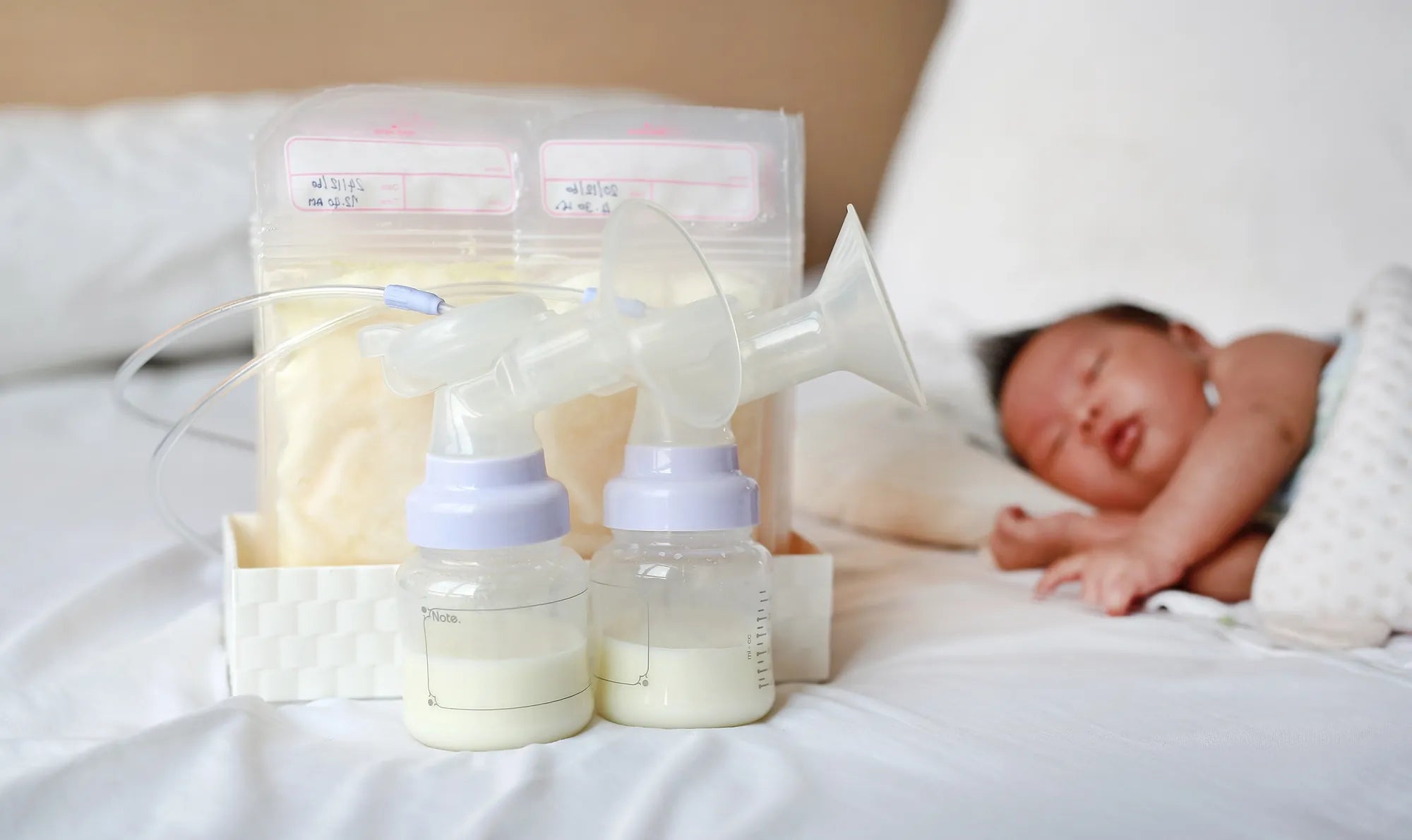
Does Breast Pumping Burn Calories? A Data-Driven Guide for Moms
Introduction: The Link Between Breastfeeding, Pumping, and Your Body
New motherhood is a beautiful, demanding phase where your body is still very much at work. As you navigate feeding your baby, a common question arises: does breast pumping burn calories? Understanding the metabolic relationship between lactation and your energy expenditure is crucial for setting realistic postpartum health goals.
This article provides a detailed, evidence-based analysis of the calorie burn associated with pumping. We will explore the science of milk production, compare it to direct breastfeeding, and discuss how choosing the right pump can support your overall wellness. The goal is to empower you with facts, separating myth from reality, so you can nourish your baby and yourself effectively.
Understanding the Calorie Burn of Milk Production
The primary source of calorie burn for lactating mothers is not the mechanical act of feeding or pumping, but the biological process of creating breast milk itself. Lactation is metabolically demanding, requiring significant energy from your body.
Research consistently shows that producing breast milk increases a mother's daily energy needs. The general consensus among health organizations, including the Academy of Nutrition and Dietetics, is that lactation requires an extra 300 to 500 calories per day above your pre-pregnancy maintenance needs.
This energy is used to synthesize the macronutrients—fats, proteins, and carbohydrates—that make up your milk. The caloric content of the milk you produce is directly drawn from your body's resources, making milk production a tangible metabolic output.
How Your Body Fuels Lactation
Your body is remarkably efficient. The calories needed for lactation are sourced first from your dietary intake. If your calorie consumption is insufficient to meet the combined demands of your baseline metabolism and milk production, your body will tap into the fat stores accumulated during pregnancy.
This process is a natural part of the postpartum design. The fat stored during pregnancy acts, in part, as an energy reserve for milk synthesis. This is why breastfeeding and pumping are often associated with gradual postpartum weight loss for many, though the timeline and extent vary individually.
The key takeaway is that the act of lactation—producing milk—is the calorie-burning engine. Whether that milk is removed by your baby at the breast or by a breast pump, the metabolic cost of creating it has already been incurred.
Does Pumping Itself Burn Significant Calories?
Let's address the core question directly: Does breast pumping burn calories? The mechanical action of using a breast pump—sitting, holding the flanges, and pressing buttons—burns a negligible amount of calories, comparable to other sedentary activities like light desk work.
The significant calorie expenditure is intrinsically linked to the volume of milk you produce. If you are pumping and yielding milk, your body is engaged in the metabolically active process of lactation. Therefore, a pumping session that results in several ounces of milk represents a meaningful energy output, similar to a nursing session that yields the same amount.
Think of your breast pump as the tool that removes the milk, not the primary driver of calorie burn. The pump's role is to effectively and comfortably stimulate milk ejection (let-down) and empty the breast, which signals your body to continue production. By maintaining your milk supply through regular pumping, you sustain the underlying calorie-burning process of lactation.
Pumping vs. Direct Breastfeeding: A Calorie Comparison
Many wonder if directly nursing a baby burns more calories than pumping. The difference, from a pure metabolic standpoint, is minimal. The major energy cost is milk synthesis, which is identical for the same output.
Direct breastfeeding may involve slight additional energy expenditure from holding, positioning, and interacting with your baby, as well as potential thermogenic effects from skin-to-skin contact. The release of oxytocin during nursing can also have mild metabolic influences.
However, these factors contribute a relatively small number of extra calories. For practical purposes, when comparing the same daily milk output, the calorie burn between exclusive pumping and exclusive direct breastfeeding is highly comparable. The consistency of your milk removal is more critical for maintaining supply—and thus calorie expenditure—than the method of removal.
| Factor | Direct Breastfeeding | Exclusive Pumping |
|---|---|---|
| Primary Calorie Burn Source | Milk production (Lactation) | Milk production (Lactation) |
| Estimated Added Daily Caloric Need | 300-500 calories | 300-500 calories |
| Calories from Physical Activity of Feeding/Pumping | Very Low (holding baby, positioning) | Negligible (sitting, operating pump) |
| Key to Sustaining Calorie-Burning Process | Effective, frequent milk removal by baby | Effective, frequent milk removal by pump |
| Impact on Postpartum Weight Loss | Can contribute as part of lactation | Can contribute as part of lactation |
Maximizing Comfort and Efficiency: How the Right Pump Supports Your Journey
While the pump model doesn't directly increase calorie burn, the right pump is instrumental in supporting a sustainable routine that maintains your milk supply. Discomfort, inefficiency, and inconvenience are major barriers to consistent pumping, which can signal your body to reduce milk production.
An effective pump ensures complete breast emptying, a strong signal for your body to continue making milk. Incomplete emptying can lead to decreased supply over time, indirectly reducing the metabolic work of lactation. Therefore, investing in a quality pump is an investment in maintaining the calorie-expending process of feeding your baby.
The Role of a Wearable, Hands-Free Pump
Innovation in pump design, particularly the advent of true wearable pumps, has transformed the pumping experience. A pump like the MomMed S21 Double Wearable Breast Pump offers unparalleled freedom and discretion.
This mobility directly supports metabolic consistency. When you're not anchored to a wall outlet or a bulky device, you're more likely to stick to your pumping schedule. You can pump while preparing a healthy meal, doing light household chores, or even during a gentle walk—activities that contribute to overall wellness and calorie expenditure.
The reduced mental burden of a discreet, silent pump also lowers stress. Since high stress levels can inhibit milk let-down and affect supply, managing stress through convenient technology indirectly supports sustained milk production.
Features for a Sustainable Pumping Routine
Specific features are key for a comfortable, effective routine that protects your supply. MomMed pumps, including the award-winning S21 and the S12 Single Wearable, are designed with these principles in mind.
Adjustable, Mimetic Suction: Multiple modes and suction levels that mimic a baby's natural nursing pattern (let-down mode followed by expression mode) promote efficient milk removal and comfort, encouraging regular use.
Proper Flange Fit: Incorrectly sized flanges are a leading cause of pain, low output, and damaged supply. MomMed provides multiple flange size options with their BPA-free, food-grade silicone parts to ensure a proper, comfortable fit, which is essential for effective emptying.
Hospital-Grade Performance, Ultra-Quiet Design: Powerful, efficient motors ensure effective expression, while quiet operation allows for pumping anywhere without disruption, making it easier to maintain your routine and, by extension, your milk production metabolism.
Pumping and Postpartum Wellness: A Holistic View
Focusing solely on does breast pumping burn calories misses the broader picture of postpartum health. Pumping is one component of a holistic approach to recovery and well-being. It's crucial to nourish and support your body through this process, not just view it as a calorie-burning tool.
Extreme calorie restriction while lactating can be counterproductive and risky. It can significantly diminish your milk supply, deprive you of essential nutrients, and lead to fatigue. The goal should be to fuel the incredible work your body is doing.
Nutritional Needs for Pumping Moms
To support both milk production and your own energy, prioritize consuming those extra 300-500 calories from nutrient-dense foods.
- Protein: Vital for milk synthesis and tissue repair. Include lean meats, eggs, legumes, and Greek yogurt.
- Healthy Fats: Important for baby's brain development and for keeping you satiated. Avocados, nuts, seeds, and olive oil are excellent choices.
- Complex Carbohydrates: Provide sustained energy. Opt for whole grains, oats, sweet potatoes, and quinoa.
- Hydration: Thirst is a constant companion. Drink water consistently throughout the day; your urine color should be pale yellow.
Integrating Gentle Movement
The convenience of a hands-free pump enables you to incorporate light activity more easily. A brisk walk while pumping can boost circulation, improve mood, and contribute to a healthy metabolism without the intensity that might impact milk supply.
This should be viewed as complementary movement for wellness, not aggressive exercise for weight loss. Always ensure your sports bra or pumping bra is supportive but not restrictive, as compression can lead to clogged ducts.
Common Questions About Pumping and Metabolism (FAQ)
Q: Will pumping help me lose my pregnancy weight faster?
A: The lactation process supported by pumping does increase your daily calorie expenditure, which can contribute to gradual weight loss as part of a healthy postpartum journey. However, it is not a guaranteed or rapid weight-loss tool. Sustainable results come from a combination of lactation, balanced nutrition, gentle activity, and time. Prioritizing adequate calories to support your milk supply is essential for both your baby's nutrition and your long-term metabolic health.
Q: If I pump more often, will I burn more calories?
A: Increasing pumping frequency signals your body to produce more milk. If your body responds by increasing output, then yes, you would be using more calories for milk synthesis. However, this should be done carefully. Pumping beyond what your baby needs can create an oversupply, which can lead to issues like engorgement, mastitis, and an uncomfortable, unmanageable routine. It's best to follow your baby's feeding schedule or a plan developed with a lactation consultant.
Q: Does the type of breast pump affect calorie burn?
A: No, the calorie burn is fundamentally from milk production, not the pump. However, the type of pump significantly affects your ability to maintain your supply comfortably. An inefficient or painful pump may lead to skipped sessions and a decreased supply, thus reducing the metabolic work of lactation. A high-quality, comfortable, hospital-grade pump like MomMed's wearable models helps you maintain an effective routine, thereby supporting consistent milk production.
Q: I'm not producing much milk yet. Am I still burning extra calories?
A> In the early days, as your milk transitions from colostrum to mature milk, your volume is lower but the caloric density of colostrum is very high. Your body is still doing significant metabolic work to establish lactation. Even with smaller volumes, you are burning additional calories to initiate and build your supply. Consistent pumping or nursing is key to increasing volume and the associated calorie expenditure.
Q: After I wean from pumping, will my metabolism slow down?
A> Yes, as you wean and milk production ceases, your body's extra energy requirement for lactation ends. Your daily caloric needs will return to your pre-pregnancy baseline (adjusted for any changes in weight or activity level). This is a natural transition. To avoid weight gain during weaning, it's helpful to consciously adjust your food intake to match your reduced energy needs, focusing on nutrient-dense foods to support your overall health.
Conclusion: Nourishing Yourself as You Nourish Your Baby
The journey of feeding your baby, whether at the breast or with a pump, is a profound metabolic partnership with your body. Understanding that does breast pumping burn calories is really about understanding the significant energy investment of lactation itself. By producing milk, you are engaging in one of the most energy-demanding processes the human body undertakes.
Your focus should be on sustaining that milk supply through consistent, effective milk removal and holistic self-care. Choosing a pump that offers comfort, efficiency, and freedom—like MomMed's innovative wearable designs—removes barriers and supports this incredible biological work. Remember, by nourishing your baby, you are doing meaningful metabolic work. Be patient with your body, fuel it well, and equip yourself with tools that make the journey smoother. You deserve support and the right technology for this vital phase of motherhood.
Ready to find a pump that supports your wellness journey? Shop the MomMed collection at mommed.com for all your breastfeeding and pregnancy needs, from our award-winning wearable S21 pump to comfortable nursing accessories and reliable pregnancy tests.