


Startseite
Pregnancy, Breastfeeding, and Pumping: The Ultimate Guide for Moms
Does Alcohol Leave Breast Milk After It's Pumped? The Science-Backed Guide
Does Alcohol Leave Breast Milk After It's Pumped? The Science-Backed Guide
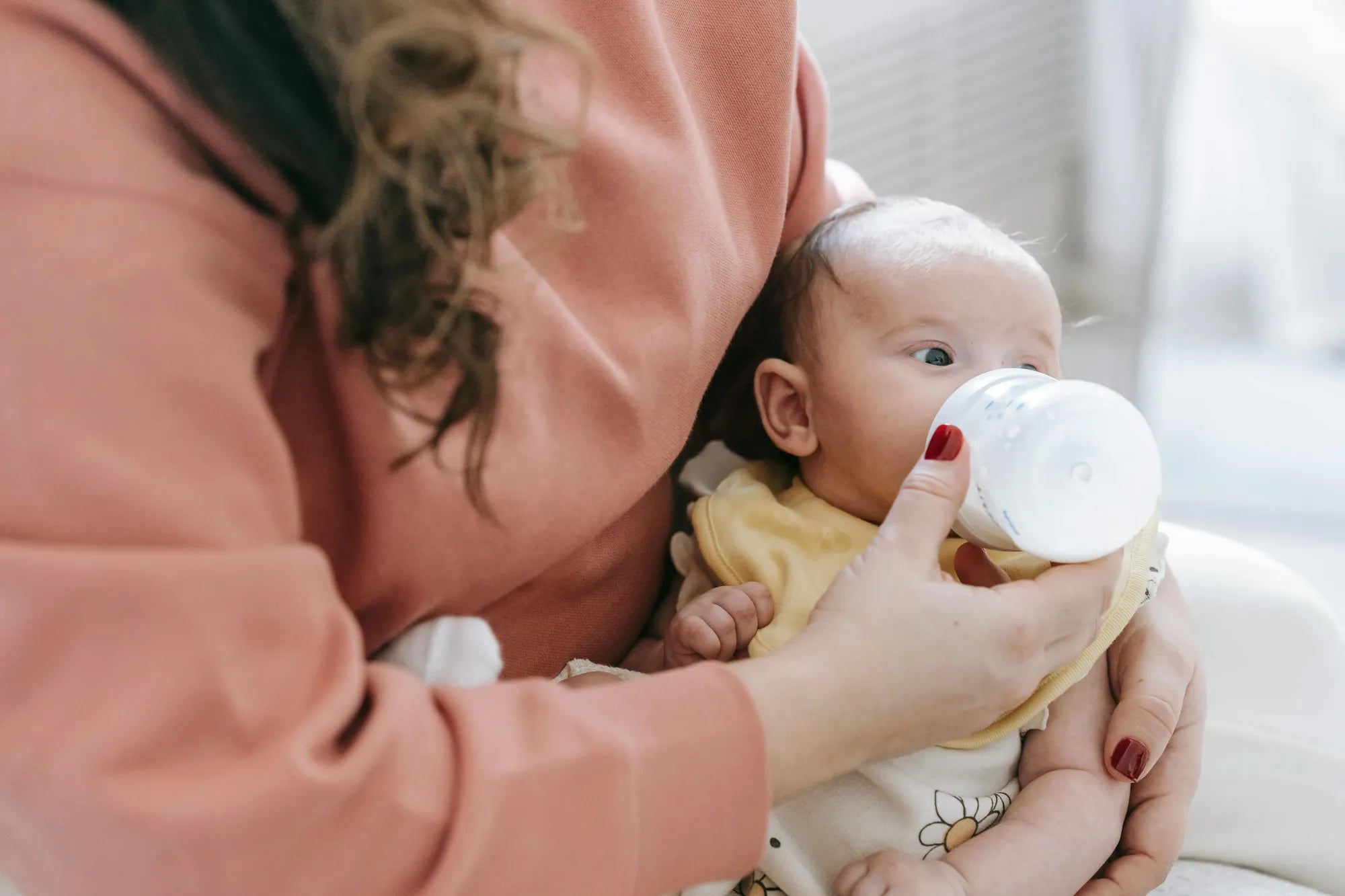
You’ve just pumped a bottle of milk and realize you’d like to enjoy a glass of wine. Or perhaps you had a drink at a celebration and now need to feed your baby. A pressing question arises: does alcohol leave breast milk after it's pumped? The short, science-backed answer is no—pumping does not remove or accelerate the elimination of alcohol from your milk. Alcohol metabolizes out of breast milk at the same steady rate it clears from your bloodstream. This article will provide you with the definitive, evidence-based facts, debunk common myths, and offer a practical framework for managing alcohol consumption while breastfeeding or pumping, empowering you to make confident, informed decisions for you and your baby.
Understanding Alcohol and Breast Milk: The Biological Connection
To grasp why pumping doesn't purge alcohol, we must first understand the journey of alcohol in a nursing mother's body. When you consume an alcoholic drink, it is absorbed through your stomach and intestines into your bloodstream. Alcohol is a small molecule that moves freely throughout your body's water compartments.
Your breast milk is produced from your blood supply in the mammary glands. Through a process called diffusion, alcohol passively moves from your blood into your milk. The concentration of alcohol in your breast milk is not higher or lower than the concentration in your blood; it reaches an equilibrium. This is a crucial point: your Blood Alcohol Concentration (BAC) and your Breast Milk Alcohol Concentration (BMAC) are virtually identical.
Therefore, the only way for alcohol to leave your breast milk is for your liver to metabolize it and for it to subsequently clear from your bloodstream. This process follows a predictable metabolic rate for most adults. Pumping or expressing milk is simply a method of removal, not purification. The milk in a bottle or bag reflects your BAC at the exact moment it was expressed.
This biological reality forms the foundation for all safe feeding guidelines. It shifts the focus from the act of pumping to the timing of consumption and expression. Understanding this empowers you to plan effectively, reducing anxiety and allowing you to enjoy occasional social drinks without unnecessary worry or waste of precious liquid gold.
The Persistent "Pump and Dump" Myth vs. Physiological Reality
The advice to "pump and dump" is one of the most pervasive myths in breastfeeding folklore. The idea suggests that after drinking, a mother should express her milk and discard it to rid her system of alcohol-contaminated milk, making way for fresh, alcohol-free milk. This is a fundamental misunderstanding of human physiology.
Pumping and dumping does not speed up your liver's metabolic rate. Your liver processes alcohol at a relatively constant average rate of about 0.015 grams per deciliter per hour (which roughly translates to metabolizing one standard drink in 2-3 hours for most women). Whether you pump or not, your BAC—and thus your BMAC—will decline on this fixed schedule. Pumping only removes the milk that is currently present in your breasts; it does not create new, alcohol-free milk any faster.
So, when is pumping and dumping actually useful? It serves two primary comfort and supply functions, not detoxification. First, if you are away from your baby and become engorged while waiting for the alcohol to metabolize, pumping to comfort is important to maintain supply and prevent issues like plugged ducts or mastitis. The milk pumped during this time would contain alcohol and can be labeled and stored separately if desired for alternative uses.
Second, the act can provide psychological comfort for some mothers, offering a sense of proactive control. However, the evidence-based, practical alternative is simply to "wait it out." By timing your drink relative to your baby's next feeding or your next pumping session for milk you intend to feed, you can ensure the milk you provide is alcohol-free without the need to waste any.
A Practical Guide to Timing: When Is Your Milk Alcohol-Free?
Calculating the Wait Time Per Drink
The general rule of thumb from experts, including the American Academy of Pediatrics (AAP), is that it takes about 2 to 3 hours for the body to metabolize the alcohol from a single standard drink. A "standard drink" is defined as 12 ounces of 5% beer, 5 ounces of 12% wine, or 1.5 ounces of 40% (80-proof) liquor.
This timeline is an average and can be influenced by several key factors. Your body weight significantly impacts metabolism; a person with more body mass will generally metabolize alcohol slightly faster. Whether you have eaten food, particularly fat and protein, before or while drinking slows alcohol absorption, leading to a lower peak BAC and a potentially shorter wait time. The strength and speed of consumption also matter; drinking multiple drinks in a short period or consuming high-ABV cocktails will raise your BAC higher and require a longer wait.
Many mothers find online alcohol metabolism calculators helpful for personalized estimates. These tools ask for weight, number of drinks, and time elapsed. It is critical to use these as guidelines, not guarantees, and always err on the side of caution, allowing extra time if you are unsure.
The Power of Planning Ahead
The most effective strategy for managing occasional alcohol consumption is proactive planning. The simplest method is to nurse your baby or pump milk for their next feed immediately before you have your drink. This ensures your baby gets alcohol-free milk, and you can then relax during the metabolic waiting period.
Building a small "just in case" stash of expressed milk in the refrigerator or freezer is incredibly empowering. This stash acts as a safety net, allowing you to feed your baby without concern while you wait for any alcohol to clear your system. This is where a reliable, efficient, and comfortable breast pump becomes an invaluable tool for flexibility.
For instance, using a MomMed S21 Double Wearable Breast Pump makes building this stash convenient and discreet. Its hospital-grade performance and ultra-quiet motors allow you to express milk comfortably while multitasking, ensuring you always have a backup supply of alcohol-free milk ready for times when you want to enjoy a social event.
Can You Test Your Breast Milk for Alcohol?
In search of certainty, some mothers turn to alcohol test strips for breast milk. These are small paper strips that change color in the presence of alcohol. While they are commercially available, most lactation experts and pediatricians do not recommend relying on them for several reasons.
First, their accuracy can be variable. They may not be sensitive enough to detect very low levels of alcohol, or they might yield false positives due to other compounds in the milk. Second, they can create unnecessary anxiety. A faint positive line long after you believed the alcohol was gone can cause stress, even if the amount present is clinically insignificant.
The consensus among healthcare providers is that timing is a more reliable strategy than testing. By knowing what constitutes a standard drink and understanding your body's approximate metabolism rate, you can confidently plan your feeding and pumping schedule. If you are ever in doubt, waiting an additional hour is always a safe choice.
Alcohol, Milk Supply, and the Baby's Health: What the Research Says
Beyond the timing question, it's important to address the effects of alcohol on lactation and infant well-being. A common old wives' tale suggests that drinking beer, particularly stout, can boost milk supply. This is not supported by science.
Research indicates that while alcohol may cause a temporary increase in prolactin (the milk-making hormone), it actually inhibits the milk ejection reflex (let-down). This can result in a baby taking in less milk during a feeding session. Studies have shown that babies may nurse more frequently but consume up to 20-25% less milk in the 3-4 hours after a mother consumes alcohol. Chronic heavy consumption can have a more pronounced negative impact on supply and poses serious risks to infant development.
Regarding safety, the AAP's position is that moderate consumption—defined as up to 1 standard drink per day—is not known to be harmful to the nursing infant. However, they recommend waiting at least 2 hours after that single drink before nursing to minimize the baby's exposure. The key is moderation and timing. The risks are associated with excessive, chronic use or feeding while the mother's BAC is elevated.
Comparison: Handling Expressed Milk After Alcohol Consumption
This table clarifies the best practices for managing expressed breast milk in relation to alcohol timing, helping you make informed decisions about storage and use.
| Situation | Recommended Action | Reasoning & Notes |
|---|---|---|
| Milk pumped DURING or immediately after drinking | Label clearly (e.g., "Contains Alcohol"). Do not feed to baby. Can be used for milk baths or discarded. | This milk has a high BAC/BMAC. Freezing it will preserve the alcohol. Alternative uses avoid waste. |
| Milk pumped 2-3+ hours AFTER a single drink | Safe to feed to baby. Can be refrigerated or frozen normally. | Alcohol has likely metabolized from your bloodstream, making the milk alcohol-free. Use standard storage guidelines. |
| Feeling engorged while waiting for alcohol to clear | Pump for comfort to maintain supply. Label this milk separately. Use for non-feeding purposes or discard. | Prevents plugged ducts/mastitis. The expressed milk will contain alcohol proportional to your current BAC. |
| Using a pre-existing freezer stash | This is the ideal solution. Feed baby from the stash while you wait. | Stash milk was expressed when you had no alcohol in your system. It is 100% safe and provides total peace of mind. |
MomMed: Engineering Confidence and Comfort in Your Feeding Journey
Navigating questions like "does alcohol leave breast milk after it's pumped?" highlights a universal need for flexibility and control in a mother's feeding journey. MomMed is dedicated to supporting this need through innovative, reliable, and comfortable products designed with real moms in mind.
Planning ahead is easiest when expressing milk is not a chore. The MomMed S21 Double Wearable Breast Pump exemplifies this philosophy. Its completely cordless, in-bra design provides true hands-free mobility, allowing you to build that crucial backup milk stash while working, caring for older children, or simply relaxing. Its hospital-grade suction strength ensures efficient expression, while multiple massage and expression modes make the process comfortable, supporting healthy milk supply.
Beyond pumps, MomMed offers a full ecosystem of support. From BPA-free milk storage bags for your alcohol-free stash to high-accuracy pregnancy test kits for the start of your journey, our products are built on a foundation of safety, innovation, and deep understanding of maternal needs. We believe knowledge and the right tools empower mothers to make the best choices for their families without guilt or unnecessary sacrifice.
Frequently Asked Questions (FAQs)
1. Does drinking alcohol increase milk supply?
No. This is a myth. While some studies show a short-term rise in prolactin, alcohol actually suppresses the oxytocin-driven let-down reflex. This can make it harder for milk to flow, leading to a baby consuming less milk during a feed, which may inadvertently signal your body to produce less over time.
2. What should I do if I feel painfully engorged while waiting for alcohol to clear?
You should pump or hand-express just enough to relieve the discomfort. It is crucial to avoid severe engorgement to maintain supply and prevent mastitis. Clearly label this milk as potentially containing alcohol. You can save it for topical use in milk baths (which can be great for baby's skin) or, if preferred, discard it.
3. Is any amount of alcohol in breast milk considered "safe" for the baby?
Major health organizations state that moderate consumption (up to 1 standard drink per day) is not known to be harmful. However, the safest approach to minimize any exposure is to wait at least 2 hours after that single drink before nursing or pumping milk intended for feeding. The goal is to ensure the baby's exposure is as close to zero as possible.
4. If I freeze breast milk that contains alcohol, does the alcohol eventually disappear?
No. Freezing preserves the composition of the milk at the time it was expressed. If alcohol was present when you pumped, it will remain in the milk after thawing. Always label milk expressed after drinking and plan its use accordingly (e.g., for baths, not for feeding).
5. How does the type of alcohol (beer, wine, liquor) affect the timing?
The primary factor is the total grams of alcohol consumed, not the type. A standard drink of beer, wine, or liquor all contain roughly the same amount of pure alcohol (about 14 grams). However, be mindful of drink strength—a craft IPA or a large glass of high-ABV wine may constitute more than one standard drink, requiring a longer wait time.
Empowerment Through Knowledge and Preparation
The core question—does alcohol leave breast milk after it's pumped?—has a clear answer rooted in biology: no, it does not. Alcohol exits breast milk in sync with your bloodstream, governed by your liver's metabolism. The empowering truth is that with understanding and simple planning, you can enjoy occasional social drinks without guilt, anxiety, or wasting your hard-earned breast milk. The key strategies are timing your drink relative to feeds, utilizing a backup stash of previously expressed milk, and pumping for comfort only when needed during the waiting period. Trust your instincts, use reliable tools, and always consult your healthcare provider with specific concerns. You can navigate this aspect of motherhood with confidence and clarity.
Shop the MomMed collection at mommed.com for all your breastfeeding and pregnancy needs. From our award-winning S21 Wearable Pump to help you build a flexible milk stash, to our trusted pregnancy tests and baby care essentials, we are here to support every step of your journey with innovation, comfort, and reliability.