


Startseite
Pregnancy, Breastfeeding, and Pumping: The Ultimate Guide for Moms
Do You Have to Warm Up Pumped Breast Milk: A Complete Guide for Modern Parents
Do You Have to Warm Up Pumped Breast Milk: A Complete Guide for Modern Parents
Introduction: The Great Breast Milk Debate – To Warm or Not to Warm?
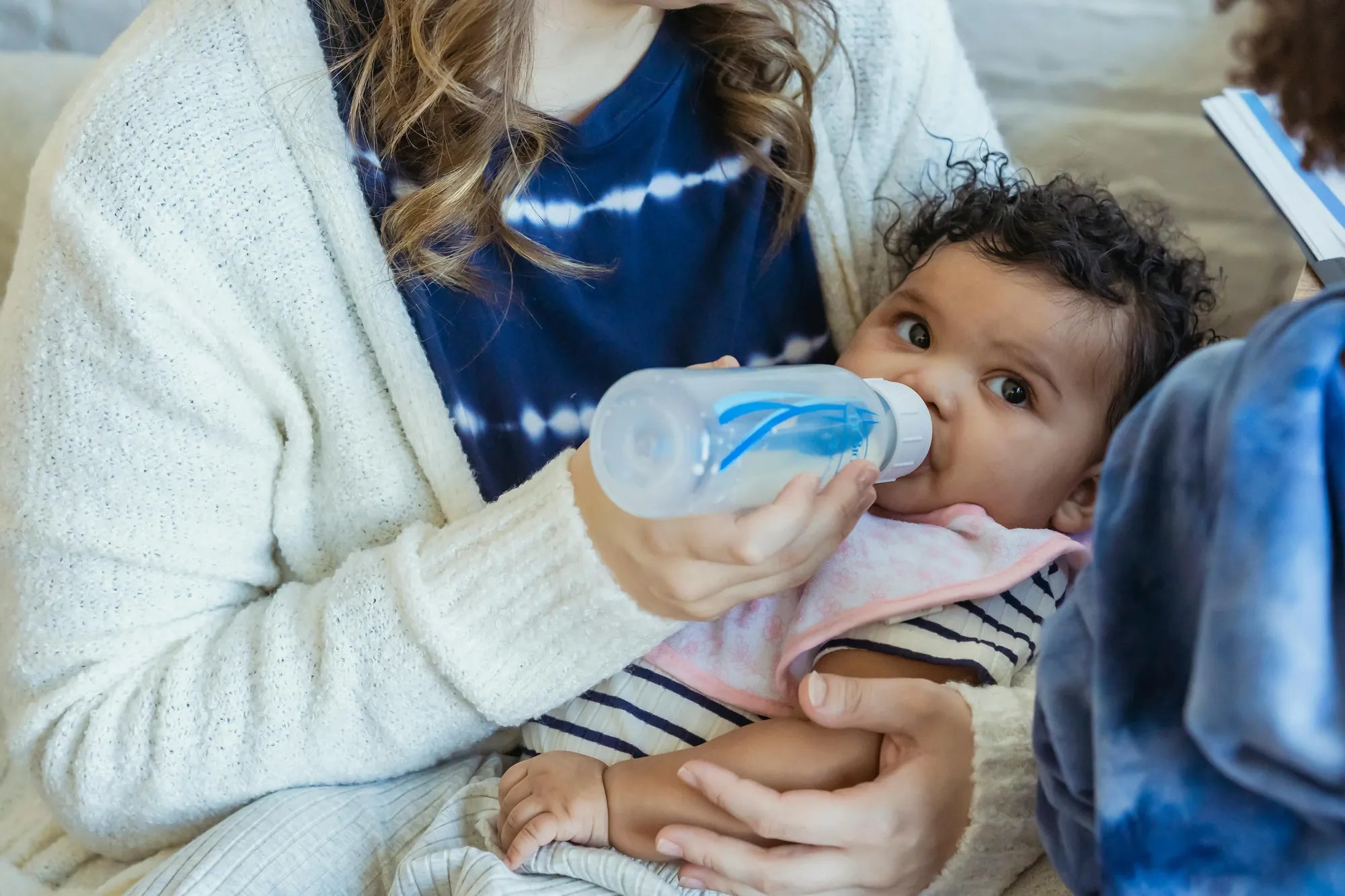
For many new parents navigating the world of pumping, one question consistently surfaces: do you have to warm up pumped breast milk? The advice you receive can be conflicting, leaving you uncertain about the best practice for your baby. The essential answer is no, warming is not a biological necessity for your baby's health, but it is frequently a strong preference that can make feeding smoother.
This complete guide will demystify the process, separating fact from folklore. We'll cover the nutritional science behind breast milk, detail every safe warming method, and empower you with knowledge about when you can confidently serve it cool. Our goal is to provide evidence-based information so you can make informed, confident decisions for your unique feeding journey.
Understanding the Basics: Why We Consider Warming Milk
The primary reason to warm refrigerated or frozen breast milk centers on baby's acceptance and nutrient delivery. Fresh breast milk is naturally at body temperature, around 98.6°F (37°C). Babies are accustomed to this warmth, and a cold bottle can be a surprising, sometimes unwelcome, sensation that leads to refusal or a disrupted feed.
Secondly, breast milk separates when stored, with the fat rising to the top. Gently warming and swirling the milk helps reincorporate this vital fat layer, ensuring your baby receives the full caloric and nutritional profile you worked hard to provide. This fat is crucial for brain development and healthy weight gain.
From a practical standpoint, a warm bottle can be soothing, mimicking the natural breastfeeding experience. This can be particularly helpful for babies who switch between breast and bottle, as it maintains consistency in their feeding routine. However, it's important to distinguish preference from requirement.
Ultimately, the decision balances your baby's needs with your lifestyle. Understanding the "why" helps you prioritize. If your baby happily drinks cold milk, you have the green light to skip the warmer. If they protest, gentle warming is the key to peaceful feedings.
The Science of Breast Milk: Nutrients and Temperature
Breast milk is a dynamic, living substance containing proteins, fats, carbohydrates, vitamins, minerals, and live antibodies. The impact of temperature on these components is a critical consideration. Research indicates that excessive heat can degrade some of milk's most valuable properties.
Heat-sensitive components include certain immune factors like secretory IgA and lysozyme, as well as some vitamins. The good news is that warming milk to body temperature using safe methods causes minimal nutrient loss. The danger lies in high-heat methods like microwaving or boiling, which can significantly damage these precious elements.
The fat content in breast milk is stable through proper refrigeration and freezing. However, rapid or uneven heating can break down fat molecules and damage the structure of the milk. Gentle, gradual warming preserves the integrity of these fats, ensuring your baby benefits from every ounce.
Furthermore, milk contains beneficial enzymes and probiotics that thrive at specific temperatures. By following safe warming protocols, you protect this complex biological ecosystem. The goal is to serve milk that is as close as possible to its natural state, both in temperature and composition.
The Safe Way to Warm Breast Milk: Step-by-Step Methods
Safety is paramount when warming breast milk. The core principle is gradual, even heating to preserve nutrients and eliminate dangerous hot spots. Always start by thawing frozen milk in the refrigerator overnight or under cool running water before warming.
The Gold Standard: Warm Water Bath
This is the most recommended and controlled method. Place the sealed milk bag or bottle in a bowl or container of warm water. The water should be warm to the touch, not hot—ideally below 104°F (40°C). Let it sit for a few minutes, gently swirling the container occasionally to evenly distribute heat.
Never submerge the bottle cap or bag seal. Check the temperature after a few minutes by shaking the bottle gently (to mix the fat) and testing a few drops on the inside of your wrist. It should feel lukewarm or body-temperature, not hot. This method is simple, requires no special equipment, and offers excellent control.
Using a Dedicated Bottle Warmer
Bottle warmers offer convenience and consistency, especially for sleep-deprived parents. Choose a warmer with precise temperature settings designed for breast milk. Follow the manufacturer's instructions carefully, as warming times vary by model and milk volume.
A quality warmer heats milk evenly and often has a "keep warm" function. It's important to note that once warmed, milk should not be kept on a warming plate for extended periods, as this can promote bacterial growth. For moms using a pump like the MomMed S21 Wearable, having a compatible warmer can streamline the entire process from expression to feeding.
What About Running Under Hot Tap Water?
This is an acceptable, though less consistent, method. Hold the sealed bottle or bag under warm running water, rotating it to heat all sides. The main drawback is that tap water temperature can fluctuate, and it uses more water. Ensure the water is not scalding hot, as this can overheat the milk container and damage the milk inside.
This method works best for taking the chill off refrigerated milk rather than thawing frozen milk. It's a useful technique when you're away from home and need a quick solution. Always test the temperature thoroughly before feeding.
When You Can Skip the Warmer: The Case for Cold Milk
Serving cold or cool breast milk is perfectly safe and nutritionally adequate. Many babies, especially those introduced to it early, will drink it without issue. This approach offers significant advantages for parental convenience and baby's adaptability.
The most notable benefit is time savings, particularly during nighttime feeds. There's no waiting for a warmer; you can grab a bottle from the fridge and feed immediately. This can be a game-changer for getting everyone back to sleep faster. It also simplifies feeding on the go, eliminating the need to find a warm water source.
Some parents find that cool milk can soothe a baby's teething gums. It also ensures you never accidentally overheat and damage the milk's nutrients. If you plan to offer cold milk, consider introducing the concept gradually. Start with milk that is cool from the fridge rather than ice-cold, and see how your baby responds.
Embracing cold milk can provide tremendous flexibility. It aligns well with paced bottle feeding techniques and can make childcare transitions easier, as caregivers don't need to manage warming protocols. If your baby accepts it, it's a wonderful, valid choice.
Important Safety Rules & Common Mistakes to Avoid
Adhering to safety guidelines protects your baby's health and preserves the quality of your liquid gold. These rules are non-negotiable and based on food safety science.
Never Microwave Breast Milk (or Any Infant Formula)
Microwaves heat liquids unevenly, creating dangerous hot spots that can scald your baby's mouth and throat. Even if the bottle feels cool, pockets of scalding milk may exist. Furthermore, the intense heat can destroy vital antibodies and proteins and cause a significant loss of vitamin content.
The microwave's rapid heating can also cause a bottle to explode if not vented, creating a burn hazard. This method poses risks that far outweigh its convenience. It is universally discouraged by pediatricians and lactation consultants.
Avoid Reheating and Refreezing
Follow the "one-time warm-up" rule. Once breast milk has been warmed to feeding temperature, it must be used within 1-2 hours. Do not re-refrigerate or re-freeze it. Bacteria from your baby's mouth can introduce into the milk during feeding, and rewarming provides an environment where those bacteria can multiply.
To minimize waste, warm smaller amounts. You can always warm more if your baby is still hungry. If you thaw frozen milk in the refrigerator, use it within 24 hours. Never refreeze thawed milk.
How to Test the Temperature Perfectly
Your wrist is the most reliable tool. After gently swirling the milk to mix the fat layers, shake a few drops onto the inside of your wrist or the back of your hand. It should feel neutral—neither warm nor cool. A common description is "body temperature."
Never test by tasting from the bottle nipple, as this can transfer bacteria. If the milk feels hot, cool the bottle under running cold water or in an ice bath, then retest. Proper temperature testing ensures safety and comfort for every feed.
Comparison of Warming Methods
| Method | Procedure | Time Required | Nutrient Preservation | Best For |
|---|---|---|---|---|
| Warm Water Bath | Place sealed container in bowl of warm water (≤104°F). Swirl occasionally. | 5-10 minutes | Excellent | Most situations; offers greatest control. |
| Bottle Warmer | Use appliance per instructions; often includes temperature settings. | 3-8 minutes | Very Good | Convenience & consistency; nighttime feeds. |
| Running Tap Water | Hold sealed container under warm (not hot) running water. | 2-5 minutes | Good | Quickly taking chill off refrigerated milk; on-the-go. |
| Thaw in Fridge (then warm) | Place frozen milk in refrigerator for 8-12 hours until liquid. | 8+ hours | Best | Planning ahead; safest thawing method. |
| Cold Milk (No Warming) | Serve directly from fridge. | Instant | Perfect | Babies who accept it; maximum convenience. |
FAQ: Your Quick Questions Answered
Q1: Can I warm milk directly from frozen?
A: It's not recommended to warm it directly from a solid frozen state. The safest method is to thaw it first overnight in the refrigerator. For a quicker thaw, hold the sealed frozen container under cool running water until it becomes liquid, then warm it using a warm water bath or bottle warmer. Never thaw at room temperature, as this allows bacteria to grow in the outer layers while the center remains frozen.
Q2: How long does warmed milk last once my baby has started drinking?
A: Once feeding begins, bacteria from your baby's mouth enter the bottle. The CDC recommends using the milk within 2 hours of the start of the feed. After that, discard any leftovers. This is why it's best to prepare smaller bottles to avoid waste.
Q3: Does warming destroy nutrients in breast milk?
A: Gentle warming to body temperature using the safe methods described (water bath, bottle warmer) preserves the vast majority of nutrients. The destruction occurs with high, uneven heat like microwaving or boiling. These methods can damage antibodies, proteins, and certain vitamins. Safe warming is a balance of making milk palatable and keeping it nutritious.
Q4: My baby drinks it cold—is that okay?
A: Absolutely. It is perfectly safe, healthy, and can be a major convenience. The nutritional value is identical. If your baby is content, growing well, and has no feeding issues, there is no need to change your routine. Many parents actively choose to offer cold milk for the flexibility it provides.
Q5: What if I accidentally overheated the milk?
A> If the milk feels hot to the touch on your wrist, cool it down immediately. Place the sealed bottle under cool running water or in an ice bath. Swirl it and retest frequently until it reaches body temperature. Do not feed overheated milk, as it can burn your baby and may have lost nutritional value. If you are ever in doubt about the safety of the milk, it is best to err on the side of caution and discard it.
Conclusion: Finding Your Family's Perfect Flow
The journey of feeding your baby expressed milk is deeply personal. As this guide has shown, there is no universal mandate to warm pumped breast milk. The best choice is the safe method that aligns with your baby's preferences and your family's rhythm. Whether you use a precise bottle warmer for a particular newborn or offer cold milk from a MomMed bottle during a busy toddler day, you are providing nourishment and love.
Trust your instincts, use this knowledge to navigate the options safely, and give yourself grace as you find what works. The most important thing is that your baby is fed and thriving. By understanding the science and safety, you can move forward with confidence, whether the bottle is warm, cool, or straight from the breast.
For tools that support every step of your journey—from comfortable, efficient pumping with the MomMed S21 Wearable Breast Pump to safe storage and feeding—explore solutions designed with your needs in mind. Shop the MomMed collection at mommed.com for all your breastfeeding and pregnancy needs.