


Startseite
Pregnancy, Breastfeeding, and Pumping: The Ultimate Guide for Moms
Can You Reuse Breast Pump for Second Baby? A Complete Safety & Practical Guide
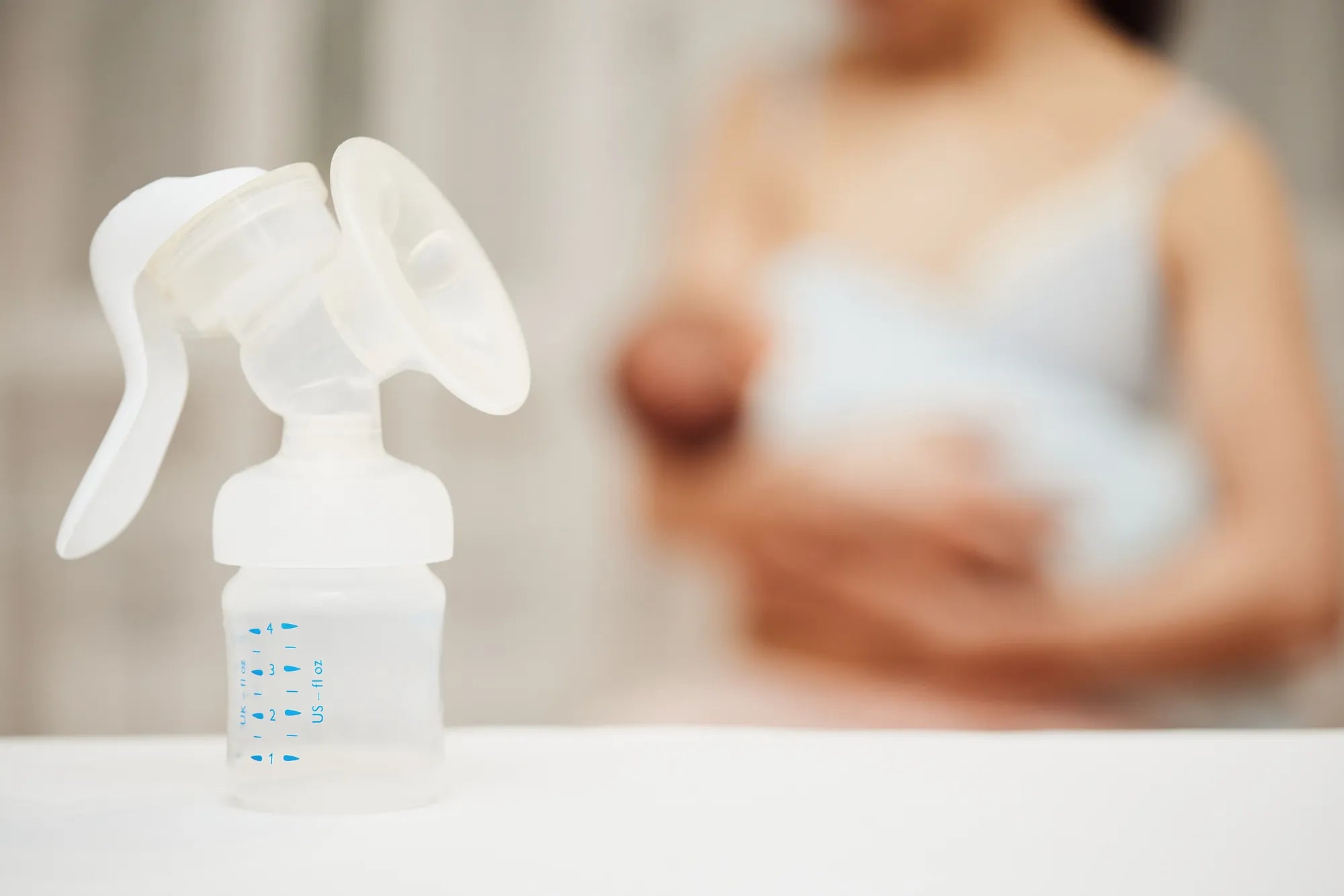
Can You Reuse Breast Pump for Second Baby? A Complete Safety & Practical Guide
Welcoming a second baby brings a familiar question: Can you reuse breast pump for second baby? The answer is nuanced, hinging on your pump's type, condition, and critical safety protocols. This guide cuts through the confusion with a data-driven, step-by-step approach to help you make an informed, confident decision for your growing family's health and your peace of mind.
Understanding Breast Pump Types and Their Reusability Factors
The feasibility of reusing your pump depends fundamentally on its design and intended use. Not all pumps are created equal when it comes to multiple users or multiple babies for the same user.
Hospital-Grade Rental Pumps
These are multi-user pumps designed for repeated use by different mothers. The critical safety feature is that only the heavy-duty motor unit is reused. The hospital or rental service provides a brand new, sterile personal use kit—including tubing, flanges, valves, and bottles—for each individual user. This system is inherently safe for a new baby because all milk-contact components are fresh.
Personal-Use Electric Pumps (Closed-System)
This is the most common category for pumps purchased for a first baby. A closed-system pump has a barrier (like a membrane or filter) that prevents milk from entering the tubing and motor. Most modern closed-system models from reputable brands are designed for use by one woman for multiple children. Their reusability depends on motor integrity and the replacement of all personal parts. This is the primary scenario for the question, can you reuse breast pump for second baby.
Open-System Pumps and Manual Pumps
Open-system pumps lack a protective barrier, meaning milk can potentially backflow into the tubing and motor. These are generally not recommended for reuse between children due to the impossibility of fully sterilizing the internal motor pathway. Manual breast pumps, having fewer mechanical parts, are often reusable if thoroughly sterilized and if all valves and seals are replaced, as they present a lower cross-contamination risk.
The Essential 5-Step Checklist: Evaluating Your Pump for Baby #2
Before deciding, conduct this thorough safety and performance audit. Treat it as a mandatory pump check-up.
1. Consult the Manufacturer's Guidelines
This is your first and most non-negotiable step. Locate your pump's manual or visit the manufacturer's website. Check for the stated lifespan (often 1-3 years of daily use) and their explicit policy on use across multiple pregnancies. This information overrides general advice.
2. Inspect the Motor and Suction Power
Plug in your pump and run it without any attachments. Listen for consistent motor sounds. Test all suction levels and cycle settings. Diminished power, irregular noises, or failure to maintain suction are red flags indicating motor wear that can negatively impact milk expression efficiency.
3. Examine and Replace ALL Milk-Contact Parts
This is mandatory, not optional. For hygiene and performance, you must use new personal parts for your new baby. This includes: duckbill valves, silicone membranes, backflow protector discs, tubing (if moisture ever entered it), and bottle lids. These are wear-and-tear items that harbor microscopic milk residue and bacteria, and their degradation directly reduces suction.
4. Assess Flange Fit and Condition
Breast size can change between pregnancies and after weaning. Your old flanges may no longer fit correctly, leading to pain, poor drainage, and reduced supply. Inspect hard plastic flanges for cracks and silicone flanges for tears or stiffness. For optimal comfort and output, consider remeasuring your nipple diameter and purchasing new, correctly sized flanges.
5. Consider Your Pumping History and Storage
Reflect on the pump's history. Was it used heavily for exclusive pumping? Was it stored in a clean, dry place, or a damp basement? A pump used for thousands of hours may be near the end of its functional life, even if it still turns on.
Safety First: The Non-Negotiable Rules for Reusing a Pump
Adhering to these rules minimizes any risk to your milk supply and your baby's health.
Never Share Pumps Between Mothers. A personal-use pump is designed for a single user. Even with new parts, the internal motor can harbor pathogens specific to an individual, making sharing a serious health risk.
Always Replace the "Soft Parts." Valves, membranes, and backflow protectors are consumables. Using old ones is the most common cause of suction loss and a potential bacterial vector. Brands like MomMed offer convenient replacement part kits for this exact purpose.
Avoid Open-System Pumps for Reuse. If your old pump is an open-system model, where milk could have entered the tubing, it is not considered safe for a new baby. The internal components cannot be sanitized effectively.
Prioritize Hygiene in Storage. Before storing your pump after your first child, ensure it is completely dry and all parts are clean. Store in a sealed container in a climate-controlled environment to prevent mold and material degradation.
When to Reuse, Repair, or Replace: Your Decision Matrix
Use this comparison to guide your final choice based on your pump's condition and your family's needs.
| Scenario | Recommended Action | Key Reasoning |
|---|---|---|
| Pump is < 3 years old, closed-system, motor runs strongly. | REUSE with all new personal parts. | Cost-effective and environmentally friendly. The pump is within its intended lifespan and designed for multi-child use by one mother. |
| Motor is weak, noisy, or inconsistent. | REPLACE the entire pump. | A weak motor cannot provide adequate stimulation and emptying, which can jeopardize milk supply. Repair is often not cost-effective. |
| Pump is an open-system model. | REPLACE with a closed-system pump. | Critical safety issue. Milk contamination in the motor/tubing cannot be remedied. |
| Desire for major convenience upgrade (e.g., hands-free). | REPLACE/UPGRADE to a wearable pump. | An investment in mental well-being and practicality. A wearable pump like the MomMed S21 allows care for a toddler while pumping. |
| Only certain parts are worn (e.g., just the motor plug). | REPAIR if manufacturer offers service. | Check with the manufacturer for repair programs. This can extend the life of a high-quality pump. |
Considering an Upgrade: The Case for a Wearable Pump with Two Kids
For mothers navigating a toddler and a newborn, convenience becomes a premium. This is where upgrading to a modern wearable pump can be a transformative investment.
Wearable pumps offer hands-free, cordless operation, granting you mobility to prepare a snack, read a book, or manage a tantrum while expressing milk. This flexibility can significantly reduce pumping-related stress. Furthermore, models designed with performance in mind, such as the award-winning MomMed S21 Double Wearable Breast Pump, provide hospital-grade suction levels in a discreet, quiet package.
When evaluating can you reuse breast pump for second baby, also ask: "Will my old pump fit my new, busier lifestyle?" If your first pump was a bulky, plug-in model, the freedom of a wearable can make the dual demands of motherhood more manageable. All MomMed pumps are built with BPA-free, food-grade silicone in milk-contact areas and are designed for easy part replacement, ensuring the system can be made hygienically new for your next child with simple, affordable component swaps.
Insurance, Costs, and Practical Logistics
Understanding your coverage can influence the reuse-or-replace decision.
In the United States, the Affordable Care Act mandates that most insurance plans cover the cost of a new breast pump for each pregnancy. Contact your insurer during your second pregnancy to understand your benefits; you may be eligible for a new pump at little to no cost, making replacement an easy choice.
If reusing, budget for the complete set of replacement parts. This cost is typically far less than a new pump but is essential. Factor in potential new flange sizes or bottles. If upgrading, research pumps that balance performance, comfort, and durability. A trusted brand like MomMed, used by thousands of moms, focuses on innovative, reliable products that support mothers through multiple stages of their journey.
Frequently Asked Questions from Moms
Can I reuse the same bottles and flanges?
Bottles can be reused if they are in good condition (no cracks, scratches, or cloudiness) and are thoroughly sterilized. For flanges, the answer is nuanced. While silicone flanges can be sterilized, they may have degraded or may no longer fit. Hard plastic flanges must be crack-free. For guaranteed hygiene and optimal fit, purchasing new personal fit kits is strongly recommended when reusing a pump for a second baby.
What if I used a second-hand pump for my first baby?
Extreme caution is advised. If you were not the original owner, you cannot know the pump's full history, motor wear, or hygiene practices. It is generally not recommended to use a pump for a third child (your second) if it was already second-hand. Investing in a new or newer-quality pump is the safest path.
How do I properly store my pump between children?
After a final complete cleaning and sterilization of all parts, ensure everything is completely air-dried. Store the pump motor and clean, dry parts in a sealed plastic bag or container in a cool, dry place away from direct sunlight. Avoid attics or basements with temperature and humidity extremes.
Does the pump's age matter more than how much I used it?
Both matter. A pump used heavily for exclusive pumping over 12 months may have more motor wear than a lightly used pump over 3 years. However, plastics and silicones can also degrade with age alone. Always perform the motor and part inspections outlined in the checklist, regardless of age.
My old pump works, but I want a wearable. Is that okay?
Absolutely. Your needs evolve. Choosing a pump that aligns with your current lifestyle—like a hands-free wearable for chasing a toddler—is a valid and common reason to upgrade. It’s an investment in your efficiency and mental well-being, which directly supports your breastfeeding journey.
Final Recommendations for Your Confident Choice
The core question of can you reuse breast pump for second baby is answered with a qualified "yes," provided you follow stringent safety protocols. A closed-system pump in good working order, paired with a full set of new manufacturer-approved parts, is often a safe and economical choice. However, never compromise on motor performance or hygiene. If there's any doubt, or if your life demands new flexibility, upgrading to a modern, efficient pump is a powerful act of self-care.
Whether you reuse a trusted companion or welcome a new, innovative partner like a MomMed wearable pump into your routine, the goal remains the same: effective, comfortable milk expression to nourish your new baby while caring for yourself and your growing family. You are equipped with the knowledge to choose wisely.
Ready to evaluate your options or upgrade your pumping experience? Shop the MomMed collection at mommed.com for hospital-grade wearable breast pumps, complete replacement part kits, and all your breastfeeding and baby care essentials, designed to support you through every chapter of motherhood.