


Startseite
Pregnancy, Breastfeeding, and Pumping: The Ultimate Guide for Moms
Can You Pump Without Having to Breastfeed: The Complete EP Guide
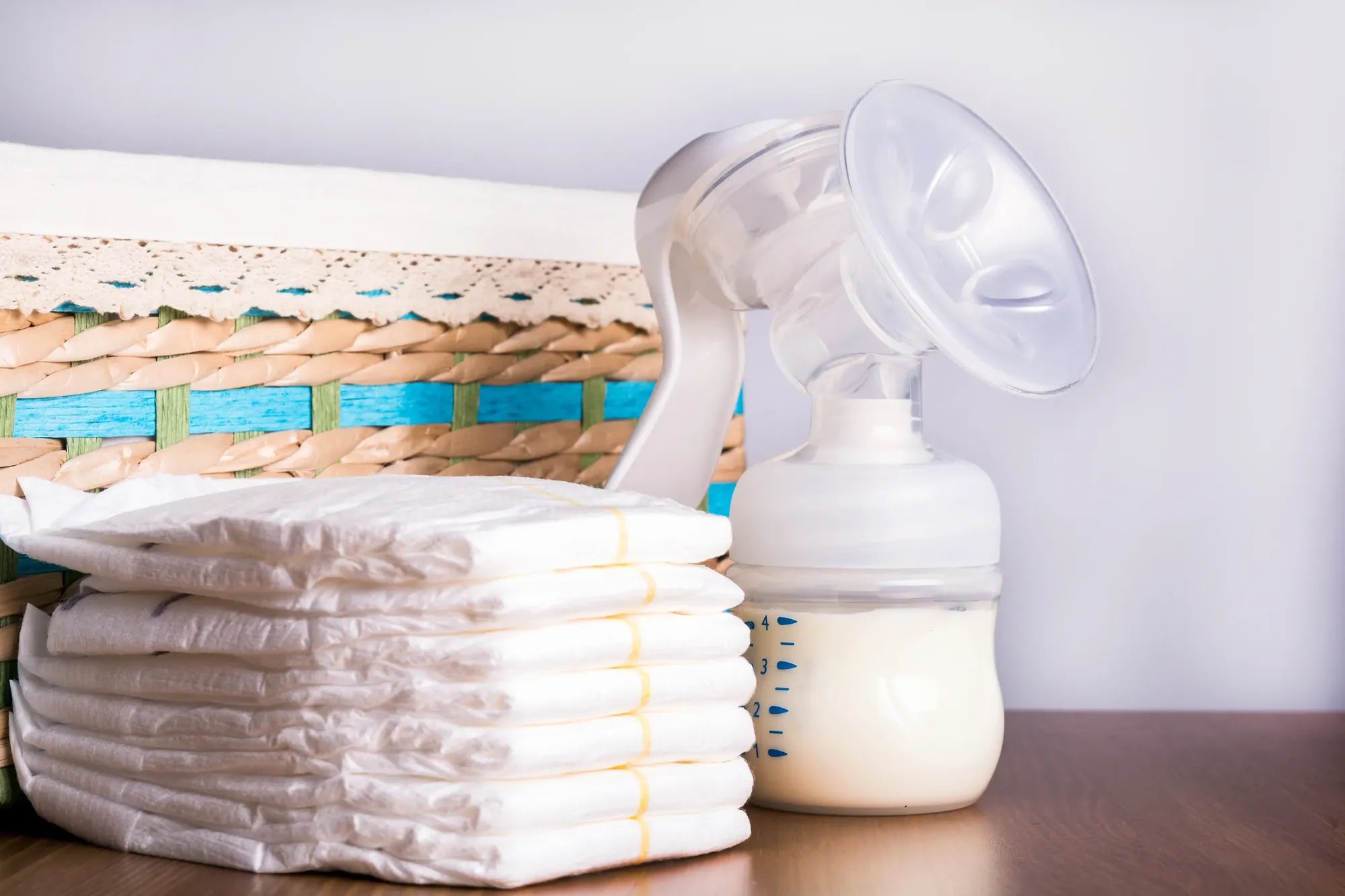
Can You Pump Without Having to Breastfeed: The Complete EP Guide
Can you pump without having to breastfeed? The resounding answer is yes. Exclusive pumping (EP) is a legitimate, effective, and often necessary method for feeding your baby breast milk without direct nursing. This comprehensive guide is for anyone asking this very question—whether due to medical necessity, personal preference, or logistical challenges. You will learn the science behind establishing a supply, the practical steps for day-to-day management, and the strategies to maintain your well-being while providing your child with the benefits of your milk.
Introduction to Pumping Without Direct Breastfeeding
Exclusive pumping, or EP, is the practice of using a breast pump to express milk to feed your baby, without the baby latching to the breast for feedings. It's a path chosen by millions of parents worldwide for a multitude of reasons. This method provides all the nutritional and immunological benefits of breast milk while offering a different set of logistics and freedoms.
For many, the question "can you pump without having to breastfeed" arises from a place of necessity or deep personal consideration. It’s crucial to understand that EP is not a "second-best" option but a primary feeding strategy in its own right. It requires dedication, organization, and support, much like direct breastfeeding.
The journey begins with validation. Choosing to pump exclusively is a valid choice. Your commitment to providing your milk is what matters most, not the method of transfer. This guide will walk you through every aspect, from the initial "why" to the detailed "how," empowering you with knowledge and confidence.
We’ll cover establishing supply, choosing equipment, managing storage, and integrating pumping into your life. With the right tools and techniques, you can successfully nourish your child and find a rhythm that works for your family.
Why Choose Exclusive Pumping? Understanding the "Why"
The decision to pump without nursing is deeply personal and often multifaceted. Understanding your "why" can be a powerful motivator on challenging days. Reasons typically fall into medical, practical, and personal categories, and many parents find their motivation is a blend of several factors.
For some, the path is chosen for them due to circumstances. For others, it’s a conscious decision made after weighing various options. Both scenarios are equally valid. The common thread is the goal: to feed your baby your milk.
Medical and Practical Considerations
Medical reasons are a common driver for exclusive pumping. These can be related to the baby or the parent. For babies, conditions like prematurity and a NICU stay often make direct breastfeeding initially impossible. A weak or ineffective latch due to tongue or lip ties, cleft palate, or neurological issues can also make pumping the most reliable way to ensure intake.
For the lactating parent, reasons may include severe nipple pain or damage that makes latching unbearable, a history of sexual trauma that makes direct breastfeeding emotionally difficult, or the need to take medications that are not compatible with breastfeeding but are safe for pumped milk. Separation due to work, school, or medical procedures also necessitates pumping.
In these cases, pumping is not just an alternative; it is the bridge that allows the breastfeeding relationship to continue in a different form. It ensures the baby still receives the tailored nutrition and immune protection of breast milk, which is especially critical for vulnerable infants.
Personal Choice and Lifestyle Factors
Beyond medical needs, many choose EP for personal and logistical reasons. Exclusive pumping can offer a distinct sense of autonomy and predictability. It allows for precise measurement of intake, which can ease anxiety for some parents. It also enables partners and other family members to participate fully in feeding from day one, fostering bonding and sharing the care load.
For parents returning to workplaces without adequate break time or privacy for nursing, pumping can be the only feasible way to continue providing breast milk. Some simply prefer the physical sensation of pumping to nursing, or appreciate the flexibility it offers in managing their time and bodily autonomy.
Choosing EP for personal reasons is a powerful affirmation of your parenting style. It’s about finding the method that supports your mental health, your family dynamics, and your life, allowing you to show up as the best parent you can be.
Getting Started: Building Your Milk Supply Exclusively
Establishing a robust milk supply using only a pump is entirely possible but requires a strategic approach, especially in the critical first 12 weeks postpartum. Your body responds to demand: the more milk removed, the more it makes. Without a baby nursing, you must use the pump to create that demand signal effectively.
The foundational principle is frequency over duration, especially early on. Your goal is to mimic the pattern of a hungry newborn to set your prolactin receptors and establish a strong supply baseline. This period requires commitment but pays long-term dividends.
The Golden Rule: Mimicking Newborn Demand
To build a full supply, plan to pump 8 to 12 times every 24 hours. This includes at least one session during the night, typically between 1 a.m. and 5 a.m., when prolactin levels are naturally highest. Each session should aim to drain the breasts effectively.
A sample schedule might involve pumping every 2-3 hours during the day and stretching to a 4-5 hour stretch at night once. Consistency is more important than clockwork precision. The key is ensuring no more than 4-5 hours passes between sessions in the early weeks. This frequent stimulation tells your body, "Make more milk."
As your supply regulates around 12 weeks, you may be able to drop a session or two while maintaining output, but this varies greatly. Never drop sessions if your supply is still building or is fragile. Tracking output can help you see patterns and make informed adjustments.
Choosing the Right Pump: A Partner in Your Journey
Your pump is your primary tool, so investing in a high-quality, efficient model is crucial for exclusive pumping. A hospital-grade double electric pump is often recommended for EP because it’s designed for frequent, long-term use and maximizes output per minute.
However, innovation has brought powerful options for mobility. For moms who need to care for other children, work, or simply value freedom of movement, a wearable pump can be transformative. For instance, the MomMed S21 Double Wearable Breast Pump offers hospital-grade suction in a discreet, cord-free design. Its BPA-free, food-grade silicone components ensure safety, and its multiple stimulation and expression modes allow you to find the most comfortable and effective rhythm for your body, making it easier to stick to a demanding schedule.
Key features to look for include: adjustable suction strength and cycle speed, a closed-system design (to prevent milk backflow into the motor), comfort-focused flanges, and battery life for wearables. The right pump should feel effective, not painful. MomMed pumps, like the S21 and S12 models, are designed with these EP-specific needs in mind, helping thousands of moms maintain their supply without being tethered to an outlet.
Pumping Techniques for Maximum Output
Technique dramatically impacts output and comfort. Start each session with clean hands and a relaxed environment. Use the pump's stimulation mode (fast, light suction) for 2-3 minutes until you see milk flowing in streams (let-down). Then switch to expression mode (slower, deeper suction).
Employ hands-on pumping: massage your breasts before and during the session, and use breast compressions (squeezing while the pump is pulling) to help drain ducts more fully. Pump for about 15-20 minutes, or for 2 minutes after the last drops of milk stop flowing. Double pumping (both breasts at once) saves time and can increase prolactin release.
Most importantly, ensure proper flange fit. A flange that is too large or too small can reduce output and cause pain. Your nipple should move freely in the tunnel without rubbing, and only a small amount of areola should be pulled in. MomMed offers multiple flange size options with their pumps to help you achieve a perfect, comfortable fit.
The Logistics of Exclusive Pumping: A Day in the Life
Managing EP is a logistical endeavor. Creating efficient systems for pumping, cleaning, and storing will save your sanity. Designate a "pumping station" with your pump, charger, snacks, water, phone charger, and maybe a book or show to watch. Having everything in one place reduces friction.
Cleaning is a constant. The CDC recommends washing pump parts thoroughly after each use. Many EP parents invest in multiple sets of flanges and bottles to reduce washing frequency. You can also store used parts in a sealed bag in the refrigerator between sessions and wash them once every 24 hours, though this may carry a small risk for premature or immunocompromised infants—check with your pediatrician.
Balancing pumping with baby care is an art. Pump while feeding your baby a bottle (propped safely) or during naps. Wearable pumps are invaluable here, allowing you to pump while rocking, walking, or even doing light chores. The key is to integrate pumping into your routine, not treat it as a separate, disruptive event.
Storing Your Liquid Gold: A Quick Reference
Following safe storage guidelines is non-negotiable. Here is a clear reference table based on CDC and Academy of Breastfeeding Medicine guidelines for healthy, full-term infants.
| Storage Location | Temperature | Freshly Expressed Milk | Thawed, Previously Frozen Milk |
|---|---|---|---|
| Room Temperature | Up to 77°F (25°C) | Up to 4 hours | 1-2 hours |
| Refrigerator | 39°F (4°C) or colder | Up to 4 days | Up to 24 hours (do not refreeze) |
| Freezer | 0°F (-18°C) or colder | Within 6 months is best; up to 12 months acceptable | Do not refreeze after thawing |
Always use clean containers, label with date and volume, and practice the "first in, first out" rule. Thaw frozen milk overnight in the refrigerator or by placing the container in warm water. Never microwave breast milk, as it destroys nutrients and creates hot spots.
Feeding Your Baby: From Bottle to Belly
How you bottle-feed is important. Use paced bottle feeding techniques to mimic the flow of breastfeeding, which helps prevent overfeeding and supports healthy oral development. Hold baby semi-upright, hold the bottle horizontally, and allow frequent pauses. Let the baby control the pace.
Choose slow-flow nipples appropriate for your baby's age. Warm milk by placing the bottle in a cup of warm water. Test the temperature on your wrist before feeding. Remember, the bonding during feeding comes from cuddles, eye contact, and responsiveness, not from the breast itself.
Navigating Challenges and Celebrating Success
The EP path has its unique hurdles. Feeling tethered to a schedule, managing time, dealing with occasional clogs or mastitis, and navigating unsolicited opinions are common challenges. Supply concerns—either perceived low supply or oversupply—can also cause stress.
For clogs, use heat before pumping, massage, and ensure complete drainage. For supply dips, look at frequency first—adding a power pumping session (simulating cluster feeding) can help. An oversupply can be managed by gradually extending time between pumps slightly. For any signs of mastitis (fever, flu-like symptoms, red, painful breast), contact a healthcare provider immediately.
The mental load is real. It’s easy to feel like a "milking machine." Counter this by reframing your perspective: each session is an act of nourishment and love. Celebrate milestones—your first full bottle, reaching a storage goal, every ounce you provide.
Maintaining Your Well-being on the EP Path
Your health is the foundation of your supply. Hydration is critical; drink to thirst, often having water nearby during pumps. Nutrition matters; focus on balanced meals and snacks. Caloric needs are higher when lactating.
Seek support. Join online exclusive pumping communities—they are treasure troves of specific advice and empathy. Involve your partner in washing parts, preparing bottles, and supporting you during sessions. Consider consulting an International Board Certified Lactation Consultant (IBCLC) who is EP-friendly for personalized guidance.
Most importantly, practice self-compassion. Some days will be hard. It’s okay to have mixed feelings. The pump is a tool for your empowerment, allowing you to reach your feeding goals on your terms. Prioritize rest where you can, and remember that your well-being directly benefits your baby.
Exclusive Pumping vs. Direct Nursing: A Comparison
Understanding the key differences can help set realistic expectations and affirm your choice. The following table highlights the primary distinctions.
| Aspect | Exclusive Pumping (EP) | Direct Breastfeeding |
|---|---|---|
| Milk Removal Method | Mechanical pump | Baby's latch and suck |
| Feeding Involvement | Can be shared with others easily | Primarily done by lactating parent |
| Intake Measurement | Precise, by ounce/ml | Estimated by diaper output and growth |
| Logistical Demands | High: pump maintenance, part cleaning, milk storage | High: need for parent-baby proximity, managing latch |
| Mobility/Flexibility | High with wearable pumps; requires carrying equipment | High; requires only parent and baby |
| Potential Challenges | Maintaining schedule, cleaning, establishing supply mechanically | Latch issues, nipple pain, managing feeding in public |
| Core Benefit | Provides breast milk with schedule flexibility and shared feeding | Provides breast milk with direct skin-to-skin and dynamic supply/demand |
Both methods provide the same incredible nutritional benefits of breast milk. The choice depends on which set of logistics, experiences, and benefits align best with your family's needs and circumstances.
Frequently Asked Questions (FAQs)
Q: Can I really make enough milk just by pumping?
A: Yes, absolutely. With frequent and effective milk removal—aiming for 8-12 sessions per 24 hours initially—most lactating parents can establish and maintain a full milk supply exclusively through pumping. Consistency and proper technique are key.
Q: How long should each pumping session last?
A: A typical session lasts 15-20 minutes. A good rule is to pump for about 2 minutes after the last drops of milk flow to ensure thorough drainage. Double pumping is highly recommended to save time and optimize hormone response.
Q: Is exclusive pumping more expensive than direct breastfeeding?
A: It can involve additional costs for a high-quality pump, storage bags, bottles, and replacement parts. However, many insurance plans cover the cost of a breast pump. The investment often pales in comparison to the cost of formula, and the nutritional value of your milk is unparalleled.
Q: Will my baby still get the benefits of breastmilk if I only pump?
A: Without a doubt. Your expressed milk contains all the same live antibodies, perfectly tailored nutrients, fats, and proteins as milk fed directly from the breast. The benefits for immune system development, digestion, and long-term health remain entirely intact.
Q: How can I make pumping more comfortable and efficient?
A: First, ensure perfect flange fit—this is the number one factor for comfort and output. Use lubrication (like coconut oil or purpose-made cream). Employ hands-on pumping techniques with massage and compressions. Choose a pump with adjustable, comfortable settings. For example, the MomMed S21 Wearable Pump offers multiple suction modes and cycles, allowing you to customize a pattern that feels effective and gentle on your body, turning a chore into a more manageable task.
Q: When can I drop pumping sessions?
A: Generally, after your supply is well-established and regulated (around 12-16 weeks postpartum), you can experiment with dropping a session. Do so gradually—increase the time between sessions by 15-30 minutes over several days—and monitor your total daily output closely to ensure it remains sufficient for your baby's needs.
Your Feeding Journey, Your Choice
The dedication required to exclusively pump is immense. It is a testament to a parent's commitment to providing their milk. Asking "can you pump without having to breastfeed" is the first step on a journey that is both demanding and deeply rewarding. You have the power to establish a full supply, navigate the logistics, and overcome the challenges. With evidence-based strategies, the right supportive tools, and a community behind you, exclusive pumping is not just possible—it can be a sustainable and empowering way to feed your child. Your love and effort are what nourish your baby, regardless of the method. Trust your journey, celebrate your persistence, and know that you are providing a priceless gift.
Ready to find the right pump for your exclusive pumping journey? Explore a pump designed for comfort, efficiency, and mobility. Shop the MomMed collection at mommed.com for all your breastfeeding and pregnancy needs, including the award-winning S21 Wearable Pump, perfectly sized flanges, and essential accessories to support you every step of the way.