


Startseite
Pregnancy, Breastfeeding, and Pumping: The Ultimate Guide for Moms
Can You Pump Breast Milk After Drinking? The Evidence-Based Guide
Can You Pump Breast Milk After Drinking? The Evidence-Based Guide
Introduction: Navigating Alcohol, Breastfeeding, and Pumping with Confidence
The question of whether you can pump breast milk after drinking is a common and often stressful one for nursing parents. Balancing personal choices with the paramount concern for your baby's well-being can feel overwhelming, leading to confusion fueled by outdated advice and pervasive myths. This article cuts through the noise with clear, current, and evidence-based information. You will learn the biological facts of how alcohol interacts with breast milk, understand official guidelines from leading health authorities, and receive practical, actionable strategies for managing occasional consumption while maintaining a safe milk supply. Supported by insights from trusted maternal and baby care brands like MomMed, which specializes in innovative breastfeeding solutions, this guide empowers you to make informed, confident decisions for both you and your baby.
Understanding How Alcohol Metabolizes in Breast Milk
To make safe choices, it's crucial to understand the basic biology. Alcohol does not get "trapped" in breast milk; it enters and exits based on its concentration in your bloodstream. When you consume an alcoholic drink, it is absorbed into your blood through the stomach and small intestine. Alcohol is a small molecule that passes freely from the maternal bloodstream into the milk produced by the mammary glands via a process called passive diffusion.
The level of alcohol in your breast milk is nearly identical to your Blood Alcohol Concentration (BAC). If your BAC is 0.08%, the alcohol level in your milk is approximately 0.08%. This is a critical point: as your liver metabolizes alcohol and your BAC decreases, the alcohol level in your milk decreases at the same rate. Pumping or nursing does not remove alcohol from your system faster; only time allows your liver to process it.
Several factors influence how quickly your body metabolizes alcohol, which directly impacts how long it remains in your milk. These include your body weight, the number and strength of drinks consumed, whether you've eaten food, and your individual metabolism. On average, the body metabolizes about one standard alcoholic drink per two to three hours. This foundational principle is the cornerstone of all safe-practice guidelines.
The "Pump and Dump" Myth vs. The Evidence-Based "Wait It Out" Rule
The term "pump and dump" is widespread but scientifically inaccurate. This practice involves pumping breast milk shortly after drinking and discarding it, under the mistaken belief that this purges alcohol from the milk or speeds its clearance from the body. However, since alcohol concentration in milk mirrors BAC, pumping does not accelerate the metabolism of alcohol. The alcohol remains in your system, and new milk produced will continue to contain alcohol until your BAC drops.
Leading health organizations like the Centers for Disease Control and Prevention (CDC) and the American Academy of Pediatrics (AAP) do not recommend "pump and dump" as a safety strategy. Instead, they endorse the "wait it out" approach. The evidence-based guidance is to simply wait for the alcohol to metabolize out of your bloodstream. Once you are sober and feel neurologically normal (no impairment), the alcohol has also cleared from your milk. A general rule is to wait at least 2-3 hours per standard drink consumed before nursing or feeding expressed milk to your baby.
There are limited scenarios where expressing milk might be advised after drinking, but not for the purpose of making milk safe. If you consume alcohol and your breasts become uncomfortably full before the alcohol has cleared, you may need to pump for comfort to prevent engorgement, plugged ducts, or a drop in supply. This milk should be labeled and stored separately, or discarded, according to your comfort level and timing. The act is for physical relief, not milk purification.
Practical Guide: Timing Your Pump or Nursing Session After a Drink
Applying the "wait it out" rule requires understanding what constitutes a standard drink and how timing works. A standard drink contains about 14 grams of pure alcohol. This equates to 12 ounces of regular beer (5% ABV), 5 ounces of wine (12% ABV), or 1.5 ounces of distilled spirits (40% ABV). Many cocktails or poured glasses exceed these amounts, so careful estimation is key.
Use the following table as a practical reference guide for timing. Remember, these are averages; when in doubt, wait longer.
| Number of Standard Drinks | Approximate Wait Time Before Nursing/Pumping for Feeding | Key Considerations |
|---|---|---|
| 1 drink | 2-3 hours | Time from the start of drinking. Having food with the drink can slow absorption. |
| 2 drinks | 4-5 hours | Metabolism is not linear; multiple drinks take proportionally longer to clear. |
| 3+ drinks | 6+ hours or more | Waiting until you feel completely sober and all effects have worn off is essential. Consider planning ahead with stored milk. |
For example, if you have one 5-ounce glass of wine with dinner at 7:00 PM, by 9:30 PM to 10:00 PM, your milk should be safe for your baby. If you are planning an evening out, pumping a bottle of milk earlier in the day—before any alcohol consumption—is the safest and most straightforward planning strategy. This ensures your baby has ready-to-feed milk while you wait for any alcohol to metabolize completely.
Best Practices for Planning, Pumping, and Peace of Mind
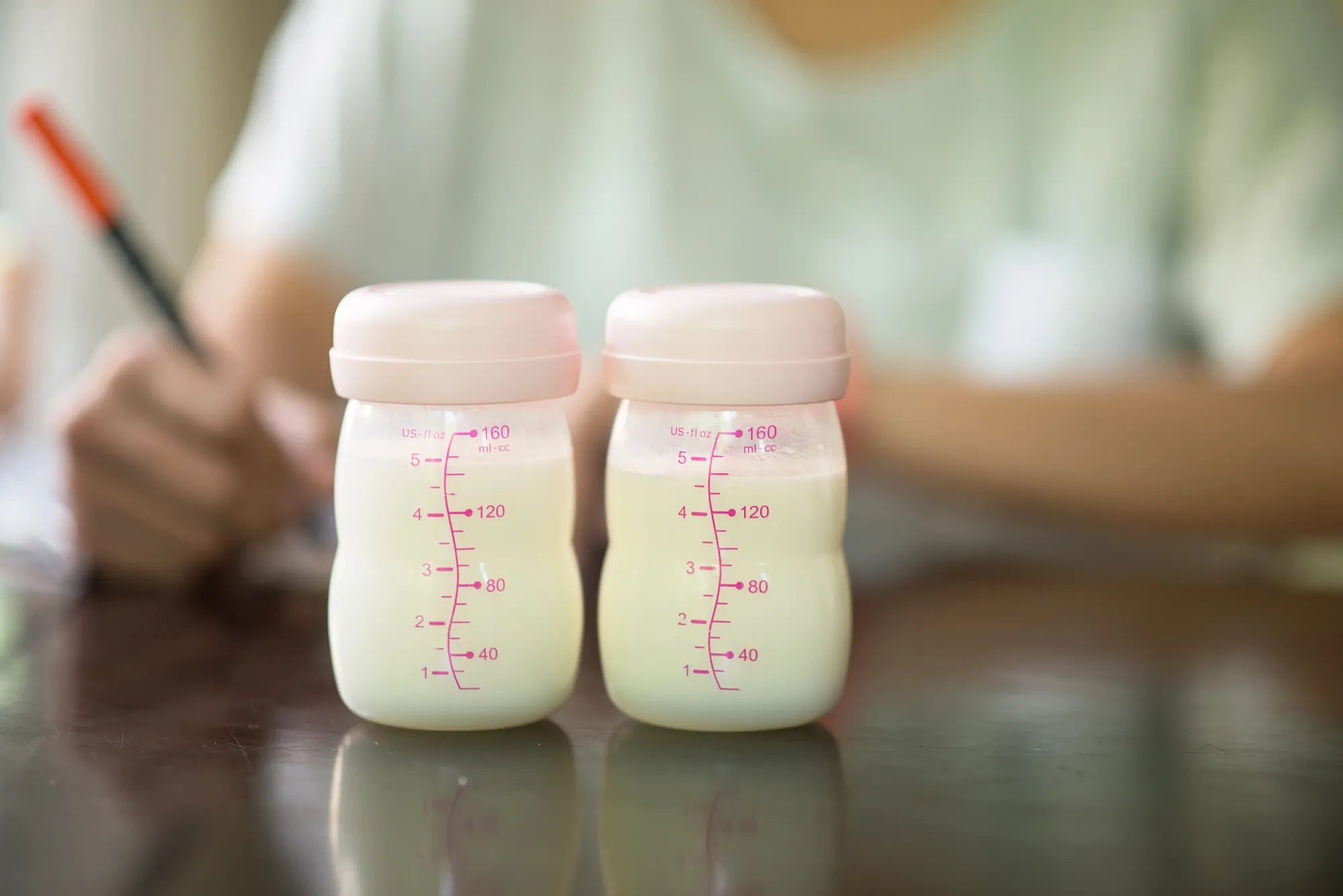
Proactive planning is the most effective tool for managing occasional alcohol consumption while breastfeeding. The simplest method is to express and store milk before you plan to drink. This "alcohol-free" milk can be given to your baby during the waiting period after consumption. This approach eliminates guesswork and anxiety, ensuring your baby's next feed is always safe.
Staying hydrated is crucial. Alcohol is a diuretic and can contribute to dehydration, which may temporarily affect milk volume. Drink plenty of water alongside any alcoholic beverage and afterward. If you need to pump for comfort during the metabolizing period, using a comfortable, efficient pump like MomMed's S21 Double Wearable Breast Pump can make the process discreet and convenient, allowing you to maintain your schedule without being tethered to a wall outlet.
Always prioritize your own safety. If you are feeling the effects of alcohol—buzzed, dizzy, or impaired—you should not care for your baby, including handling them for nursing or preparing a bottle. Your coordination and judgment are compromised. In this scenario, have a sober caregiver feed the baby with previously expressed milk. Your safety and your baby's safety are the top priorities.
How MomMed Supports Your Flexible Feeding Journey
Navigating the complexities of breastfeeding and pumping is easier with reliable, thoughtfully designed tools. MomMed, a trusted maternal and baby care brand, creates products that support modern parenting choices. For parents who occasionally wish to enjoy a drink, the ability to easily express and store milk ahead of time is key.
MomMed's award-winning wearable breast pumps, like the S21 Double Wearable model, offer the freedom and discretion to maintain your milk supply on your schedule. Their BPA-free, food-grade silicone construction ensures every expressed drop meets the highest safety standards for your baby. Whether you're building a stash for a planned event or need to pump for comfort, innovative products provide the comfort and efficiency to support your journey without added stress.
Addressing Common Concerns and FAQs
Q: Can I drink alcohol while breastfeeding at all?
A: Yes, moderate, occasional consumption is generally considered compatible with breastfeeding by major health authorities. The key principles are moderation, timing, and planning. It is not recommended to drink alcohol excessively or regularly, as this can pose risks to your health and your baby's development and sleep patterns.
Q: Does pumping after drinking create "bad" or "alcohol-filled" milk?
A: The milk you express will contain alcohol if your BAC is elevated at the time of pumping. The milk itself isn't "bad," but it contains alcohol and should not be fed to your baby until a sufficient waiting period has passed. Label this milk clearly with the time it was expressed to avoid mistakes.
Q: What if I feel buzzed or drunk?
A> If you feel any neurological effects from alcohol, your BAC is too high for safe nursing or providing milk. Do not breastfeed or give any milk pumped during this time to your baby. Wait until all effects have completely worn off and you feel perfectly normal before resuming feeding.
Q: Are alcohol test strips for breast milk reliable?
A> The CDC and lactation experts do not recommend relying on these strips. Their accuracy can be questionable, and they may provide a false sense of security or unnecessary anxiety. The most reliable method is to follow the timing guidelines based on standard drinks and your own sobriety.
Q: Can alcohol affect my milk supply?
A> There is some evidence that excessive alcohol consumption can temporarily inhibit the milk ejection reflex (let-down) and may slightly reduce milk production. Occasional, moderate drinking is unlikely to have a lasting impact on supply, especially if you maintain regular milk removal through nursing or pumping.
Conclusion: Making Informed Choices for You and Your Baby
Understanding the science behind alcohol and breast milk liberates you from fear and misinformation. The core takeaway is straightforward: alcohol levels in your milk rise and fall with your blood alcohol level. By planning ahead—expressing milk before an event, understanding standard drink sizes, and allowing adequate time for metabolism—you can enjoy occasional drinks without compromising your baby's safety. Trust your body's ability to process alcohol over time, and discard the outdated "pump and dump" myth. Equipped with accurate knowledge and supported by reliable tools from brands like MomMed, you can navigate this aspect of motherhood with confidence and peace of mind, making the choices that are right for your family. Shop the MomMed collection at mommed.com for all your breastfeeding and pregnancy needs, from wearable pumps to baby care essentials.