


Startseite
Pregnancy, Breastfeeding, and Pumping: The Ultimate Guide for Moms
Can You Just Rinse Breast Pump Parts? A Comprehensive Guide
Can You Just Rinse Breast Pump Parts? A Comprehensive Guide
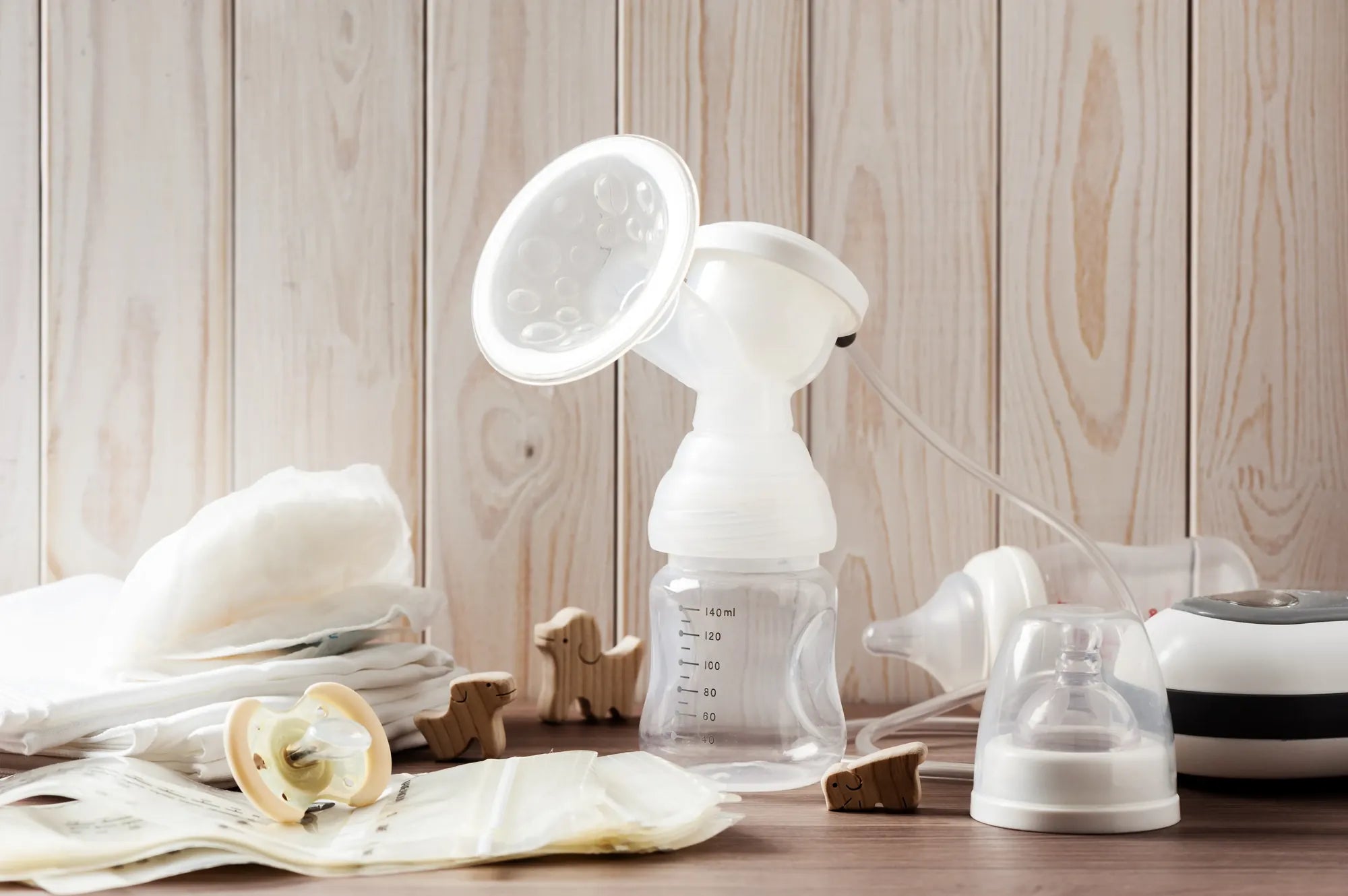
When it comes to maintaining breast pump hygiene, many parents wonder, 'Can you just rinse breast pump parts?' The answer isn't as straightforward as a simple yes or no. Proper cleaning of breast pump components is crucial for ensuring the safety and health of both you and your baby. In this article, we'll explore the importance of thorough cleaning, the risks of inadequate hygiene, and the best practices for maintaining your breast pump.
Why Proper Cleaning of Breast Pump Parts is Essential
Breast milk is a highly nutritious substance that can also be a breeding ground for bacteria if not handled correctly. When you use a breast pump, milk residues can remain on the parts, creating an environment where harmful bacteria can thrive. Rinsing alone may not be sufficient to remove all milk residues, especially in hard-to-reach areas. Proper cleaning ensures that all traces of milk are removed, reducing the risk of bacterial growth and contamination.
The Risks of Inadequate Cleaning
Inadequate cleaning of breast pump parts can lead to several health risks. Bacteria such as Staphylococcus aureus and Escherichia coli can grow on improperly cleaned parts, potentially leading to infections in both the mother and the baby. Additionally, mold can develop in damp environments, posing further health risks. Ensuring that all parts are thoroughly cleaned and dried can help prevent these issues.
Best Practices for Cleaning Breast Pump Parts
To maintain optimal hygiene, follow these best practices for cleaning breast pump parts:
1. Disassemble All Parts
Before cleaning, disassemble all parts of the breast pump. This includes valves, membranes, and any other detachable components. Disassembling allows you to clean each part thoroughly and ensures that no milk residues are left behind.
2. Rinse with Warm Water
Start by rinsing all parts with warm water to remove any visible milk residues. Rinsing helps to loosen and remove the majority of the milk, making the subsequent cleaning process more effective.
3. Wash with Soap and Water
After rinsing, wash all parts with warm, soapy water. Use a mild dish soap and a clean brush or sponge to scrub each part thoroughly. Pay special attention to crevices and hard-to-reach areas where milk residues can accumulate.
4. Sanitize Regularly
In addition to regular washing, it's important to sanitize breast pump parts regularly. This can be done by boiling the parts in water for 5-10 minutes or using a steam sanitizer. Sanitizing helps to kill any remaining bacteria and ensures that the parts are safe for use.
5. Dry Completely
After cleaning and sanitizing, allow all parts to air dry completely before reassembling and storing. Drying is crucial to prevent the growth of mold and bacteria in damp environments. Use a clean drying rack or towel to ensure that the parts dry thoroughly.
When Rinsing Alone May Be Acceptable
While thorough cleaning is generally recommended, there may be situations where rinsing alone is acceptable. For example, if you are on the go and do not have access to soap and water, rinsing the parts with warm water can help remove most milk residues until you can clean them properly. However, this should be a temporary solution, and you should clean the parts thoroughly as soon as possible.
Storage Tips for Breast Pump Parts
Proper storage of breast pump parts is just as important as cleaning. After cleaning and drying, store the parts in a clean, dry place. Avoid storing them in plastic bags or containers that can trap moisture, as this can promote bacterial growth. Instead, use a breathable storage bag or container designed for breast pump parts.
Common Mistakes to Avoid
When cleaning breast pump parts, there are several common mistakes to avoid:
1. Using Harsh Chemicals
Avoid using harsh chemicals or bleach to clean breast pump parts, as these can leave residues that may be harmful to your baby. Stick to mild dish soap and warm water for regular cleaning.
2. Skipping Sanitization
While washing with soap and water is essential, it's also important to sanitize the parts regularly. Skipping this step can leave behind bacteria that washing alone may not remove.
3. Not Drying Parts Completely
Failing to dry parts completely can lead to the growth of mold and bacteria. Always allow parts to air dry thoroughly before storing them.
Conclusion
Maintaining proper hygiene of breast pump parts is crucial for the health and safety of both you and your baby. While rinsing alone may be acceptable in certain situations, it's generally best to follow a thorough cleaning routine that includes washing, sanitizing, and drying. By following the best practices outlined in this article, you can ensure that your breast pump parts remain clean and safe for use. Remember, a little extra effort in cleaning can go a long way in protecting your baby's health.
Teilen