


Startseite
Pregnancy, Breastfeeding, and Pumping: The Ultimate Guide for Moms
Can You Clean Breast Pump Tubing? A Comprehensive Guide
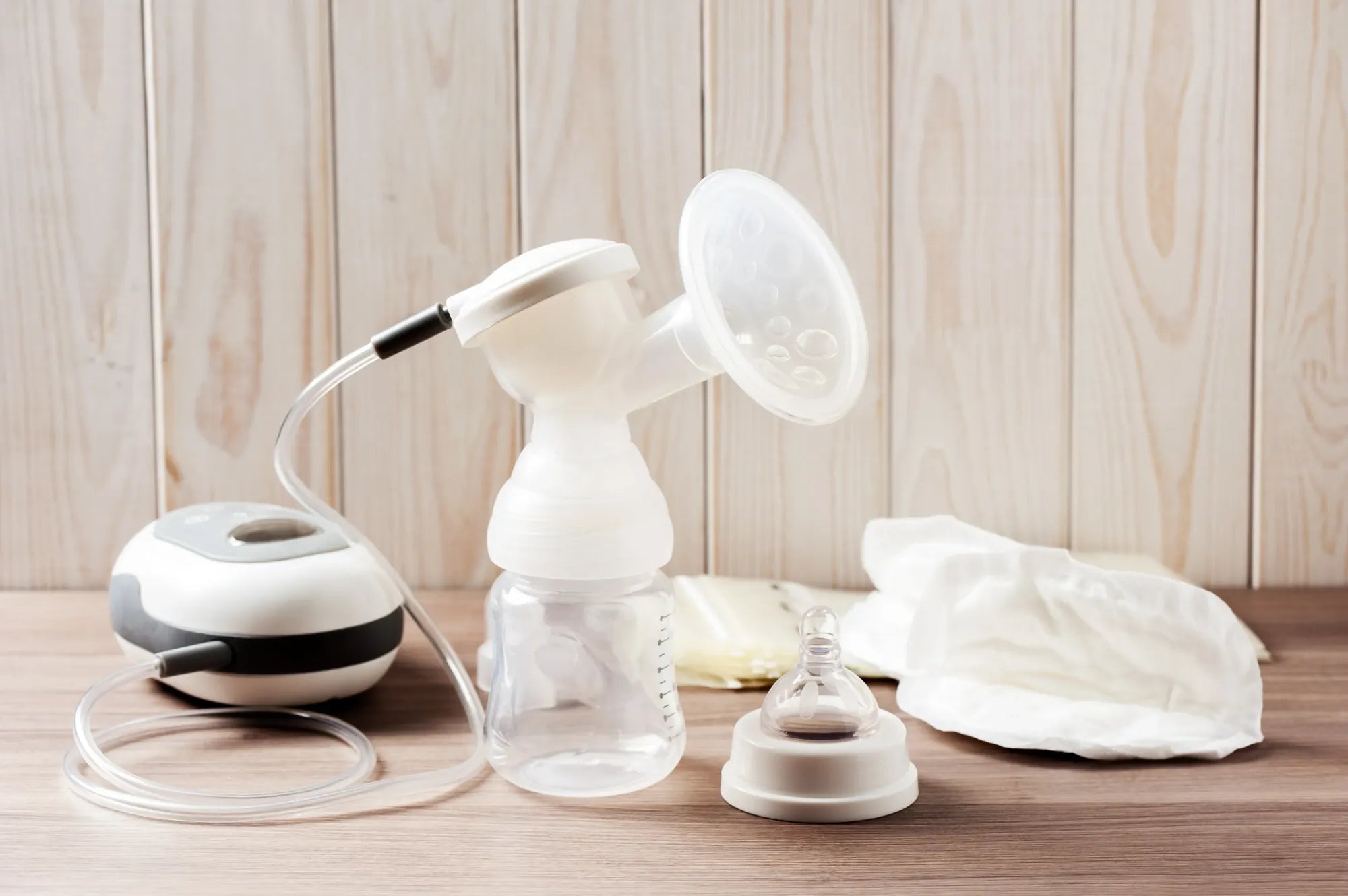
Can You Clean Breast Pump Tubing? A Comprehensive Guide
Introduction: Why Proper Breast Pump Tubing Care Matters
For pumping mothers, maintaining equipment safety is non-negotiable. Breast pump tubing serves as the critical airway that creates the vacuum suction necessary for milk expression. When tubing becomes contaminated with moisture, milk residue, or mold spores, it can introduce pathogens directly into your pumping system—and potentially into your baby's milk.
The question "Can you clean breast pump tubing?" generates significant confusion and anxiety among breastfeeding parents. Improper cleaning methods can damage your pump's motor, void warranties, and create serious health risks. This comprehensive guide provides evidence-based protocols supported by lactation consultants and pump manufacturers.
Understanding proper tubing maintenance protects your investment in pumping equipment while ensuring your expressed milk remains safe for consumption. We'll clarify the critical distinction between system types and provide actionable steps for daily care, troubleshooting, and replacement timing.
Whether you're exclusively pumping or supplementing breastfeeding sessions, this guide will give you confidence in your equipment hygiene routine. Proper care extends beyond just cleaning parts that contact milk to include the entire pumping system's integrity.
Understanding Breast Pump Tubing: Types, Functions, and Materials
Breast pump tubing is not merely a connector—it's a precision component that maintains the closed vacuum system required for effective milk expression. The tubing creates an airtight pathway between the breast shield or flange and the pump motor, allowing suction to be generated without compromising the sterile milk collection pathway.
Modern tubing is typically constructed from medical-grade PVC or silicone that remains flexible through repeated use while resisting kinking. The interior surface must remain smooth to prevent moisture accumulation, while the exterior needs durability against daily handling. All quality pumps, including MomMed's product line, use BPA-free, food-grade materials that meet stringent safety standards.
The diameter and length of tubing are engineered specifically for each pump model to optimize suction efficiency. Using non-compatible tubing can result in poor performance, inadequate milk removal, and potential motor strain. Always use manufacturer-approved replacement parts to maintain optimal function and safety.
Understanding your tubing's role helps explain why maintenance protocols differ from other pump parts. While bottles, flanges, and valves require washing and sterilization after each use, tubing follows a completely different care regimen based on your pump's system design.
Closed System vs. Open System Pumps: The Critical Distinction
The fundamental question of whether you can clean breast pump tubing depends entirely on your pump's design. Closed system pumps feature a protective barrier or membrane that prevents milk, moisture, and contaminants from entering the tubing and motor. This design represents the current industry standard for safety and hygiene.
In closed systems like the MomMed S21 Wearable Breast Pump, the tubing should only ever contain air. The physical barrier ensures that even if milk accidentally backs up during pumping, it cannot reach the tubing or motor compartment. This design simplifies maintenance while providing superior protection against mold and bacterial growth within the pump's internal components.
Open system pumps, an older design rarely manufactured today, lack this protective barrier. In these systems, milk or condensation can potentially travel into the tubing and even reach the motor. This creates significant hygiene challenges and requires different, more intensive cleaning protocols that often include tubing sterilization.
Most modern electric pumps, including all MomMed models, utilize closed system technology. When examining your equipment, look for manufacturer specifications indicating "closed system" or check for a physical barrier between the collection container and the tubing connection point. This distinction dictates every aspect of proper tubing care.
The Definitive Answer: Can You Clean Breast Pump Tubing?
For closed-system breast pumps: No, you should not wash, rinse, or sterilize the tubing with water or cleaning solutions. The tubing in closed-system pumps must remain completely dry at all times. Introducing moisture intentionally creates the exact environment you're trying to avoid—a damp, dark space where mold and bacteria can flourish.
Submerging closed-system tubing in water risks liquid traveling into the pump motor, potentially causing electrical damage and voiding warranties. More importantly, moisture trapped inside the tubing's interior creates an ideal breeding ground for mold spores that are naturally present in the air. Once established, mold colonies within tubing are nearly impossible to eradicate completely.
The proper maintenance protocol focuses on prevention rather than remediation. By ensuring your tubing never contacts liquid and remains dry between uses, you maintain a hygienic air pathway. This approach aligns with recommendations from the Centers for Disease Control and Prevention (CDC) for pump part safety, which specifically advises against washing tubing for closed-system pumps.
If you accidentally get moisture in your tubing—whether from condensation, a spill, or milk backflow—the correct response is thorough air drying, not washing. Running the pump with only the tubing attached (no other parts connected) for 5-10 minutes typically circulates enough air to evaporate residual moisture. Only use the tubing again when you're certain the interior is completely dry.
Your Step-by-Step Guide to Maintaining Clean & Dry Tubing
Establishing a consistent post-pumping routine ensures your tubing remains in optimal condition. This protocol takes only minutes but provides significant protection for your pumping system and your milk's safety. Follow these steps after every pumping session to maintain proper hygiene.
First, disconnect the tubing from the flanges and bottles before handling any other pump parts. This prevents accidental tugging that might stress connections. Hold the tubing connectors, not the tubing itself, to avoid transferring oils from your skin to the material. Place the tubing aside on a clean, dry surface while you attend to washable components.
Next, if you notice any condensation inside the tubing—which commonly occurs when pumping in humid environments or with temperature variations—run your pump with only the tubing attached for 1-2 minutes. The airflow will help evaporate residual moisture. Many mothers find this particularly helpful when using wearable pumps like the MomMed S21, which generate warmth during operation.
Finally, wipe the exterior of the tubing with a clean, dry cloth or paper towel to remove any dust or surface particles. Store the tubing loosely coiled in a clean, dry location with good air circulation. Avoid sealing tubing in airtight bags or containers while damp, as this promotes microbial growth. Designate a specific clean storage area away from kitchen or bathroom moisture.
Daily and Weekly Maintenance Best Practices
Beyond post-pumping care, implement these regular maintenance habits. Each day, visually inspect your tubing for any signs of moisture accumulation, discoloration, or debris. Hold sections up to light to check the interior—healthy tubing should appear clear with no visible particles or film along the inner walls.
Weekly, perform a more thorough inspection. Check the entire length for any cracks, holes, or weakened areas that might compromise suction. Gently flex the tubing along its length while listening for any crackling sounds that might indicate dried moisture or debris inside. Ensure the connectors fit snugly without looseness that could allow air leaks.
If you use your pump multiple times daily, consider having two sets of tubing to rotate between uses. This allows each set ample time to air dry completely, which is particularly valuable in humid climates. Always label tubing sets if rotating to ensure you're tracking usage patterns and replacement timing accurately.
Create a maintenance log if helpful, noting inspection dates and any concerns. This documentation proves valuable if you need to contact customer support about performance issues or potential defects. MomMed provides detailed care guides with each pump purchase, offering model-specific recommendations for optimal maintenance.
Emergency Protocol: When Moisture or Milk Enters the Tubing
Despite best efforts, accidents happen. If milk backs up into your tubing or you accidentally get it wet, follow this emergency protocol immediately. First, disconnect the tubing from all other components to prevent further contamination. Do not attempt to pump through milk-filled tubing, as this will draw the liquid toward the motor.
Second, connect only the contaminated tubing to the pump and run it on maximum suction for 10-15 minutes. Position the tubing in a way that promotes drainage if liquid is present—hanging it vertically can help. The continuous airflow will help evaporate moisture, but be patient; thorough drying may take longer depending on humidity levels.
Third, after the initial drying period, disconnect the tubing and visually inspect the interior. If any milk residue remains visible, the tubing should be replaced immediately. Milk proteins can adhere to the interior surface and create a biofilm that harbors bacteria, even after apparent drying. When in doubt, replace the tubing—it's a small investment compared to your baby's health.
Finally, monitor your pump's performance after any moisture incident. If you notice reduced suction, unusual noises, or error messages, contact the manufacturer immediately. MomMed's customer support team can help diagnose whether issues relate to tubing problems or require pump servicing.
When to Replace Your Breast Pump Tubing: Signs and Schedule
Breast pump tubing is a consumable component with a finite lifespan. Even with perfect care, tubing deteriorates through normal use. Establishing a replacement schedule prevents unexpected failures and maintains optimal pumping performance. Most manufacturers recommend replacing tubing every 3-6 months with regular use.
Visible signs demand immediate replacement regardless of timeframe. Mold or mildew appearing as black, green, or pink spots inside the tubing requires discarding the tubing immediately—do not attempt to clean it. Similarly, any cracks, holes, or permanent kinks that won't straighten compromise the vacuum seal and necessitate replacement.
Performance indicators also signal replacement needs. If you notice diminished suction that isn't resolved by changing other pump parts (like valves or membranes), your tubing may have microscopic leaks. A persistent musty or damp smell emanating from the tubing even after drying indicates microbial growth that cleaning cannot address.
Consider your usage patterns when determining replacement frequency. Exclusive pumpers using equipment 6-8 times daily should replace tubing more frequently than occasional users. Environmental factors matter too—high humidity climates or homes with mold concerns warrant more frequent replacement. Keep spare tubing on hand to avoid interruptions in your pumping routine.
| Replacement Indicator | Action Required | Priority Level |
|---|---|---|
| Visible mold or mildew spots | Replace immediately | Emergency |
| Cracks, holes, or permanent kinks | Replace within 24 hours | High |
| Loss of suction integrity | Replace within 1 week | Medium |
| Regular use timeline (3-6 months) | Proactive replacement | Scheduled |
| Persistent musty odor | Replace immediately | Emergency |
Why MomMed's Pump Design Supports Easier, Safer Tubing Care
MomMed engineers breast pumps with maternal convenience and safety as primary considerations. The award-winning S21 Double Wearable Breast Pump incorporates design features that specifically simplify tubing maintenance while enhancing hygiene. Understanding these design advantages helps you maximize your pumping experience and equipment longevity.
Every MomMed pump utilizes a true closed-system design with multiple protective barriers between milk collection areas and the motor compartment. This engineering ensures that even during forceful let-downs or accidental tilting, milk cannot travel backward into the tubing. The system's integrity allows you to follow the "dry tubing" protocol with complete confidence.
Connectors are designed for secure, leak-proof attachment while remaining easy to disconnect without excessive force. This reduces wear on tubing ends and prevents the accidental separation that can occur during pumping sessions. Precision manufacturing ensures consistent diameter throughout the tubing length, maintaining optimal airflow without restrictions that might trap moisture.
Closed System Assurance and Motor Protection
MomMed's closed system technology incorporates specialized backflow protection membranes that block liquid while allowing air pressure to transmit effectively. These medical-grade barriers are tested to withstand repeated pumping cycles without degradation. The system is designed so that even if all other protections failed, the motor compartment would remain isolated from the milk pathway.
The pump motors themselves include moisture detection sensors in some advanced models, providing alerts if liquid approaches sensitive components. While this shouldn't occur with proper use, it represents an additional layer of protection for your investment. This comprehensive approach to system integrity distinguishes quality pumps from inferior alternatives.
By preventing moisture exposure at multiple points, MomMed pumps reduce the maintenance burden on users. You can focus on expressing milk comfortably rather than worrying about intricate cleaning procedures for internal components. This design philosophy extends across the entire product line, from wearable pumps to traditional electric models.
Enhanced Performance Features That Reduce Condensation
Certain pump characteristics inherently minimize moisture accumulation in tubing. MomMed pumps maintain consistent temperature regulation during operation, reducing the temperature differentials that cause condensation. The ultra-quiet motors operate efficiently without generating excess heat that might contribute to humidity within the system.
Suction patterns are engineered to maximize milk removal while minimizing air volume movement in some modes. By moving less air through the system, these pumps reduce the amount of ambient humidity drawn into the tubing during each session. This technical consideration has practical benefits for daily maintenance and tubing longevity.
For mothers using wearable pumps, the design prevents milk contact with tubing even when reclining or moving during pumping. The S21's angled collection containers and secure seals maintain system integrity through various positions and activities. This flexibility is particularly valuable for mothers pumping while caring for other children or working.
Common Breast Pump Tubing Questions Answered (FAQ)
Q: Can I use a pipe cleaner or cloth to dry the inside of my tubing?
A: No. Inserting anything into the tubing can push contaminants further inward, damage the interior surface creating microscopic scratches where bacteria can hide, or potentially get stuck. The only safe drying method is airflow—either ambient air circulation or running the pump with tubing attached.
Q: What if I see condensation inside my tubing after every use?
A: Some condensation is normal, especially when pumping in humid environments or moving between temperature zones. Follow the air-dry protocol after each session. If condensation is excessive, try pumping in a less humid area or using a dehumidifier. Persistent heavy condensation might indicate an issue with pump seals or valves—check other components.
Q: Can I sterilize my tubing in a steam bag or microwave sterilizer?
A: Absolutely not for closed-system tubing. The high heat and moisture can damage the tubing material, melt connectors, and force steam into the pump motor through the tubing. Steam sterilization is only appropriate for pump parts specifically designed for it (like bottles and flanges), never for tubing or motor components.
Q: Where should I store my breast pump tubing between uses?
A: In a clean, dry, well-ventilated area away from moisture sources. Avoid bathrooms, kitchens, or damp basements. A dedicated shelf or drawer in your pumping area works well. Do not store tubing in sealed plastic bags while damp, as this creates a perfect mold incubation environment. Consider a mesh storage bag that allows airflow.
Q: How do I know if my tubing is compatible with replacement parts?
A> Always use manufacturer-approved tubing specifically designed for your pump model. Tubing diameter, length, and connector design vary between brands and even between models from the same brand. Using incompatible tubing can reduce performance, damage your pump, and void warranties. MomMed provides model-specific replacement tubing with clear labeling.
Q: Can I clean breast pump tubing with vinegar or other natural solutions?
A: No. Even natural cleaning solutions introduce moisture that can remain in the tubing. The acidity in vinegar might degrade the tubing material over time. For closed-system pumps, no liquid should ever intentionally enter the tubing. If you're attempting to address mold or mildew, replacement is the only safe option.
Q: Why does my tubing sometimes make a whistling or hissing sound?
A: This typically indicates an air leak. Check connections first—ensure tubing is fully seated on both pump and flange connectors. Inspect the entire length for tiny holes or cracks. If connections are secure and no damage is visible, the sound might indicate worn tubing that has become slightly porous. Replacement usually resolves whistle sounds.
Conclusion: Mastering Tubing Care for Confident Pumping
Proper breast pump tubing maintenance boils down to one fundamental principle: for modern closed-system pumps, clean tubing means keeping it completely dry. This counterintuitive approach—avoiding washing what seems like it should be cleaned—represents best practices supported by manufacturers, lactation consultants, and public health guidelines.
By implementing the daily air-dry protocol, conducting regular visual inspections, and replacing tubing proactively every 3-6 months, you protect both your baby's health and your pumping investment. These simple habits prevent mold growth, maintain optimal suction performance, and extend the lifespan of your breast pump motor.
Choosing equipment designed with hygiene in mind simplifies your routine considerably. MomMed's closed-system pumps, featuring multiple barriers against moisture intrusion, allow you to focus on feeding your baby rather than worrying about equipment maintenance. The right tools combined with proper care create a sustainable, stress-free pumping experience.
Your dedication to understanding proper breast pump tubing care reflects your commitment to providing the safest nutrition for your baby. With this comprehensive knowledge, you can approach every pumping session with confidence, knowing your equipment maintains the highest hygiene standards. For mothers wondering "Can you clean breast pump tubing?"—you now possess the definitive answer and the practical protocols to implement it effectively.
Shop the MomMed collection at mommed.com for all your breastfeeding and pregnancy needs, including manufacturer-approved replacement tubing, wearable pumps with advanced closed-system design, and complete pumping kits that prioritize both performance and safety.