


Startseite
Pregnancy, Breastfeeding, and Pumping: The Ultimate Guide for Moms
Can Pumping Breast Milk Help to Lose Weight? Exploring the Connection
Can Pumping Breast Milk Help to Lose Weight? Exploring the Connection
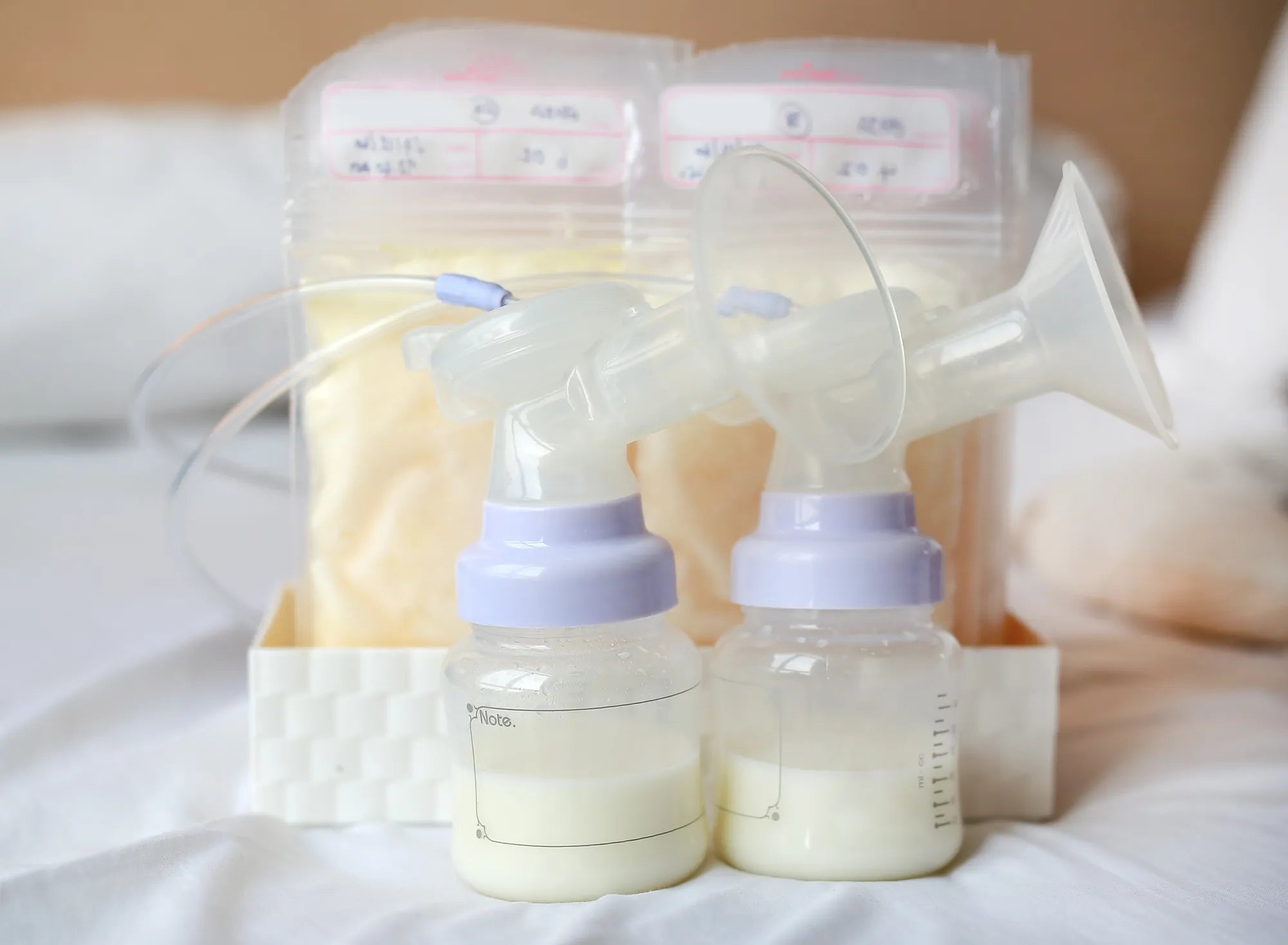
For many new mothers, the question of postpartum weight loss is ever-present. Amidst the joy and challenges of caring for a newborn, you might wonder if the act of pumping breast milk can be a helpful partner in your journey back to your pre-pregnancy body. The short answer is yes, pumping can support weight loss, but understanding the how and why—along with setting healthy expectations—is crucial. Can pumping breast milk help to lose weight? This article will explore the metabolic connection, compare pumping to direct nursing, and provide a balanced, evidence-based roadmap that prioritizes both your health and your baby's nourishment, supported by insights and products from trusted maternal care brand MomMed.
The Science Behind Breastfeeding, Pumping, and Calorie Burn
Lactation is a metabolically active process, meaning it requires significant energy from your body. To produce breast milk, your body draws on calories from your daily diet and, importantly, from the fat stores accumulated during pregnancy. This biological design supports both infant nutrition and gradual maternal weight loss.
The caloric cost of making milk is substantial. It's widely cited that exclusive breastfeeding or pumping can burn an additional 300 to 500 calories per day. This is equivalent to the energy expended in a moderate-intensity workout. This calorie burn creates a natural, daily energy deficit that, when sustained, can contribute to weight loss over the postpartum months.
This process is driven by hormones like prolactin (which stimulates milk production) and oxytocin (which triggers milk let-down). The act of removing milk—whether by your baby or a pump—signals your body to produce more, maintaining this energy-intensive cycle. Therefore, consistent milk expression is key to sustaining this metabolic boost.
It's important to view this not as a "hack" but as a physiological function. The weight loss associated with pumping breast milk is typically gradual and varies based on factors like your pre-pregnancy metabolism, genetics, diet, and pumping frequency and efficiency.
Pumping vs. Direct Nursing: Is There a Difference for Weight Loss?
This is a common and nuanced question. From a pure physiological standpoint, the core metabolic process of lactation and calorie burn is identical whether milk is removed by a baby at the breast or by a breast pump. Your body is producing the same milk, using the same energy.
However, practical differences can influence overall output and, consequently, the consistency of the calorie-burning effect. The efficiency of milk removal plays a role. A baby with a good latch may drain the breast more completely than an ill-fitting or inefficient pump. Incomplete emptying can signal your body to produce less milk over time, potentially reducing the metabolic demand.
This is where the quality and fit of your pump matter greatly. Using a pump with optimal suction patterns and correctly sized flanges—like those designed by MomMed with BPA-free, food-grade silicone—can help ensure more complete emptying. A consistent pumping schedule that mimics a baby's feeding frequency is also crucial to maintaining milk supply and the associated calorie expenditure.
For some mothers, pumping allows for more precise tracking of output, which can be motivating. For others, the convenience of a wearable pump like the MomMed S21 allows them to maintain their pumping routine while mobile, supporting consistency. The key takeaway: both methods utilize the same weight-loss-supportive mechanism, but effective pumping practices are essential to maximize the benefit.
A Realistic Timeline: Setting Healthy Expectations
The desire to "bounce back" quickly is understandable, but your body has just performed a monumental task. It needs time to heal and establish a robust milk supply. A realistic and healthy postpartum weight loss timeline is typically gradual, averaging 1-2 pounds per week after the initial rapid loss of fluids post-birth.
The first six weeks should primarily be a period of recovery, bonding, and establishing your milk supply. Drastic calorie restriction during this time can jeopardize milk production and drain your energy levels, which are already taxed by newborn care. Think of this phase as laying the foundation.
Weight loss through pumping breast milk often becomes more noticeable after the 2-3 month mark, as your supply regulates and your body adapts to the sustained energy output. It's a marathon, not a sprint. Patience is not just a virtue; it's a physiological necessity for both your health and your baby's nutrition.
It's critical to listen to your body. Signs that weight loss may be too rapid include a significant drop in milk supply, constant fatigue, dizziness, or irritability. These are signals to reassess your nutritional intake and consult with a healthcare provider.
Maximizing the Benefits: A Holistic Approach with Pumping
Creating a Sustainable Pumping Routine
Consistency is the engine that drives both milk supply and the associated calorie burn. Aim to pump as frequently as your baby would nurse, typically 8-12 times in 24 hours in the early months, including at least one session overnight to maintain prolactin levels.
Complete emptying is key. Pumping for 15-20 minutes per session or for 2-5 minutes after the last drops of milk can help signal your body to maintain production. A double electric pump, especially a hands-free wearable model like the MomMed S21, can save time and help maintain this consistency by allowing you to pump while doing other tasks.
Ensure your pump flanges fit correctly. Ill-fitting flanges can reduce output and cause discomfort, undermining your routine. MomMed pumps come with multiple flange size options to help you find the perfect, comfortable fit for effective milk removal.
Nutrition for Milk Production and Healthy Weight Loss
Fueling your body adequately is non-negotiable. Instead of focusing on restriction, focus on nutrient density. Your body needs extra calories (about 300-500 above your maintenance needs) to produce milk, but the quality of those calories matters immensely.
Prioritize lean proteins, whole grains, healthy fats, and a rainbow of fruits and vegetables. These foods provide sustained energy, support milk production, and promote satiety. Staying incredibly well-hydrated is also crucial, as dehydration can be mistaken for hunger and negatively impact milk volume.
Avoid drastic diets. Severe calorie restriction can tell your body to conserve energy, potentially slowing your metabolism and reducing milk supply. A modest deficit created by the combination of pumping and sensible eating is the most sustainable path.
The Role of Gentle Movement and Self-Care
Once cleared by your doctor (usually at your 6-week postpartum check-up), gentle exercise can beautifully complement the calorie burn from pumping. Movement boosts mood, energy, and metabolism.
Start slowly with walking, pelvic floor exercises, or postpartum yoga. The goal is not intense calorie burning but rebuilding strength and supporting your overall well-being. View movement as a form of self-care that benefits both your physical and mental health during this demanding transition.
Remember, rest is also a form of metabolic support. Sleep deprivation can increase levels of the hormone cortisol, which is linked to weight retention, especially around the abdomen. Prioritizing rest when you can is a legitimate part of a healthy weight management strategy.
Important Considerations and Precautions
Before embarking on any intentional weight loss plan while pumping, consult with your healthcare provider or a lactation consultant. They can provide personalized advice based on your health history, birth recovery, and breastfeeding goals.
Be vigilant for red flags. As mentioned, a sudden decrease in milk supply, excessive fatigue, hair loss, or feeling unwell are signs to stop dieting and seek professional guidance. Your health and your baby's primary food source must come first.
Understand that every woman's journey is unique. Factors like hormonal changes (especially if your cycle returns), stress, genetics, and thyroid function can all influence postpartum weight loss. Comparing your progress to others' is counterproductive. Focus on your own health metrics and how you feel.
Pumping and Weight Loss: Key Factor Comparison
| Factor | Impact on Weight Loss | Notes & Recommendations |
|---|---|---|
| Caloric Burn from Lactation | High | Burns 300-500 extra calories/day. Consistent milk removal (pumping/nursing) sustains this. |
| Pump Efficiency & Fit | Moderate to High | An efficient pump with proper flange fit (e.g., MomMed S21) ensures complete emptying, supporting sustained milk production and calorie burn. |
| Pumping Schedule Consistency | High | Mimicking baby's feeding frequency (8-12x/24hrs) is crucial to maintain supply and metabolic demand. |
| Nutritional Intake | High | Severe restriction harms supply. Focus on nutrient-dense foods, +300-500 calories for lactation. |
| Postpartum Exercise | Moderate | Complements pumping. Start gently after doctor clearance. Boosts metabolism and mood. |
| Hydration & Sleep | Moderate | Dehydration and sleep deprivation can hinder milk supply and weight loss efforts. |
FAQ: Your Weight Loss and Pumping Questions Answered
1. Does pumping burn the same calories as direct breastfeeding?
Yes, the metabolic process of creating milk burns the same calories. The difference lies in the efficiency of milk removal. Effective, frequent pumping with a good-quality pump can yield similar caloric expenditure.
2. Can I start a diet while I'm pumping?
It's not recommended to follow a restrictive "diet." Instead, focus on eating balanced, nutritious meals to fuel milk production. Creating a large calorie deficit can reduce your milk supply. A modest deficit from the act of pumping itself is safer and more sustainable.
3. How soon after birth can I focus on weight loss?
Prioritize recovery and establishing your milk supply for the first 6 weeks. After your postpartum check-up, you can discuss a gradual, healthy plan with your doctor. Sustainable weight loss from pumping breast milk is a longer-term process.
4. What if I'm pumping but not losing any weight?
This is common and can be due to many factors: holding onto weight while breastfeeding for some women, hormonal shifts, lack of sleep, or consuming more calories than needed. Track your food intake gently, ensure you're not over-hydrating with high-calorie drinks, and consult a healthcare provider to rule out issues like thyroid imbalance.
5. Will my milk supply suffer if I lose weight?
It can if weight loss is too rapid. Losing more than 1-2 pounds per week after the initial postpartum period may signal your body to conserve resources, potentially reducing milk production. Slow, steady loss through a combination of pumping and healthy eating is the best way to protect your supply.
Nourishing Your Baby and Yourself: A Balanced Conclusion
The journey of postpartum weight management is deeply personal. The evidence is clear: the act of pumping breast milk can indeed be a valuable component in supporting weight loss by creating a consistent, natural calorie deficit. However, it is most effective and safe when viewed as one part of a holistic approach that includes proper nutrition, gentle movement, adequate rest, and, above all, patience with your body's remarkable process of recovery and nourishment.
The goal is not just weight loss, but health and vitality as you care for your new baby. Having the right tools can make this journey smoother. A reliable, comfortable, and efficient breast pump, like the award-winning MomMed wearable collection, is designed to support you by making milk expression more convenient and effective, helping you maintain the consistent routine that underpins both your milk supply and your metabolic goals.
Remember, your body is doing incredible work. By feeding your baby, you are already engaging in a profound metabolic act. Honor that process, support it with smart choices and quality products, and trust that a healthier you will emerge in its own good time. Shop the MomMed collection at mommed.com for all your breastfeeding and pregnancy needs, and embark on this chapter with confidence and support.