


Startseite
Pregnancy, Breastfeeding, and Pumping: The Ultimate Guide for Moms
Can I Use My Breast Pump to Start Contractions? Exploring the Facts and Risks
Can I Use My Breast Pump to Start Contractions? Exploring the Facts and Risks
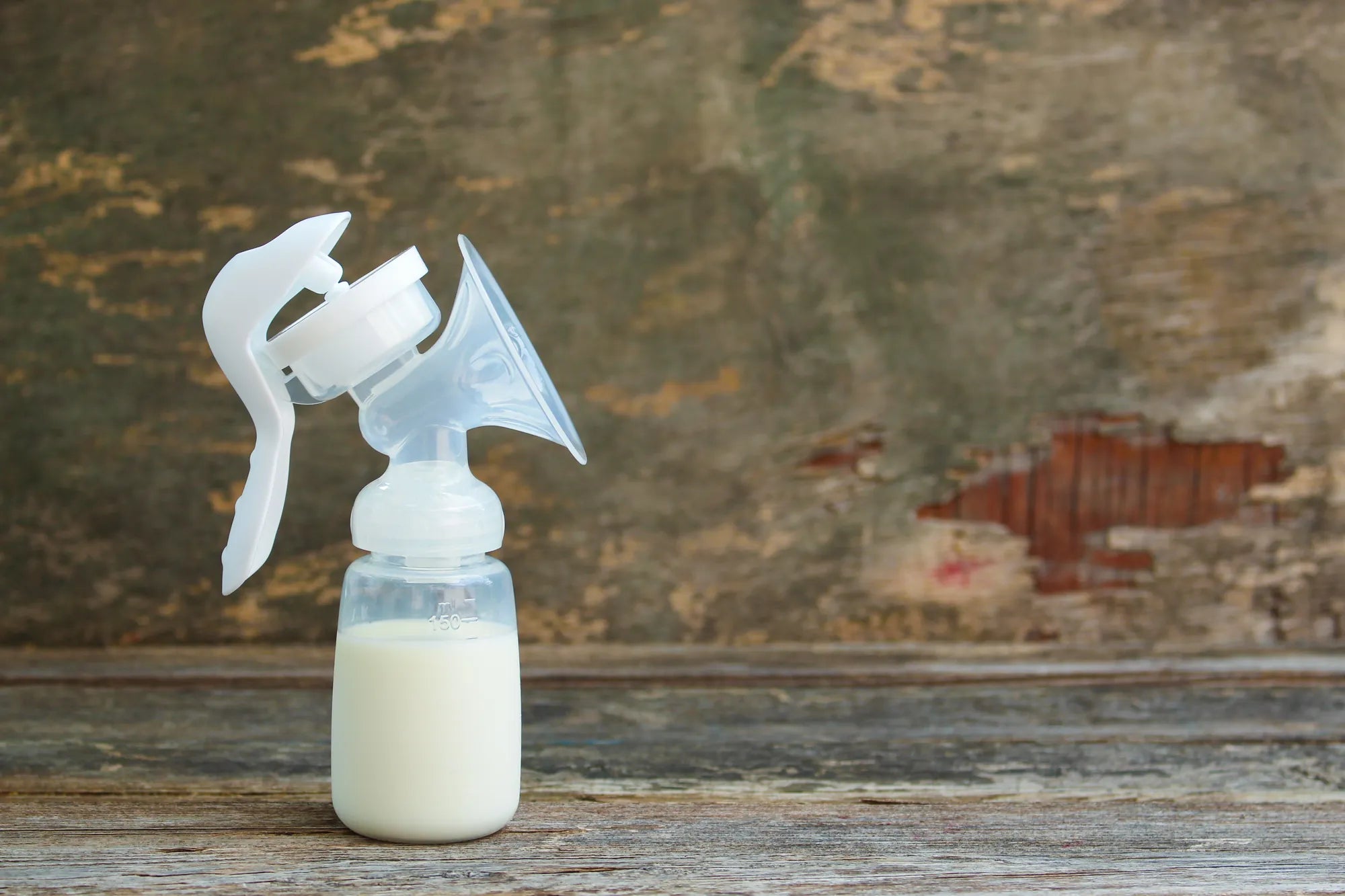
You're nearing your due date, feeling eager to meet your baby, and you've heard a rumor: can you use your breast pump to start contractions? It's a question born from a natural desire to move things along and a search for gentle, at-home methods. This article provides a comprehensive, evidence-based exploration of that very question, separating fact from fiction and prioritizing your safety and your baby's well-being. We'll delve into the physiology of labor induction, the designed purpose of your breast pump, and the critical reasons why medical guidance is non-negotiable. As a trusted brand in maternal care, MomMed is here to empower you with knowledge, ensuring you use our innovative products—like the S21 Wearable Breast Pump—safely and effectively for their intended purpose: supporting your breastfeeding journey.
Understanding the Physiology: How Labor Naturally Begins
To understand if a breast pump can influence labor, we must first understand how the body initiates contractions. Labor is a complex hormonal dance orchestrated by your body and your baby's readiness. The key player is oxytocin, often called the "love hormone," which is crucial for both bonding and stimulating uterine muscle contractions.
In the final weeks of pregnancy, a cascade of hormonal changes prepares your body. Your uterus becomes more sensitive to oxytocin, while progesterone levels—which have been keeping the uterine muscles quiet—begin to decrease. Your baby's lungs and other systems signal readiness, and the placenta releases hormones that contribute to the process. This intricate preparation ensures labor begins when both mother and baby are optimally ready.
Natural nipple stimulation, such as during breastfeeding or intimacy, can trigger the release of oxytocin from the pituitary gland. This is a biological feedback loop designed to help the uterus contract after birth to deliver the placenta and reduce bleeding. The question becomes whether artificially replicating this stimulation with a mechanical device like a breast pump can safely and effectively trigger labor before it has started spontaneously.
It's essential to distinguish between the body's natural readiness and attempting to force a process. The risks of intervening without medical oversight are significant, which is why understanding the science is the first step toward making safe choices for you and your baby.
The Primary Purpose of a Breast Pump: Milk Expression, Not Induction
A breast pump is a precision tool engineered for one primary function: to mimic a baby's sucking pattern to remove milk from the breasts efficiently and comfortably. High-quality pumps like the MomMed S21 Wearable Breast Pump are designed with specific suction rhythms and patterns—typically a let-down mode followed by an expression mode—that stimulate milk ejection, not uterine contraction.
These devices are calibrated based on extensive research into infant feeding mechanics. The suction strength and cycle speed are optimized to trigger the release of prolactin (the milk-making hormone) and oxytocin (the milk-release hormone) in a way that is effective for milk removal. This is a very different physiological goal than causing sustained, productive uterine contractions needed for cervical dilation and effacement.
Using a pump for an off-label purpose like labor induction means employing a tool outside its designed parameters. While it may stimulate some oxytocin release, the pattern, duration, and intensity are not calibrated for the delicate and potentially risky process of initiating labor. Think of it like using a food blender to mix paint—it might work in a crude sense, but it's not the right tool, and the results can be messy or even dangerous.
MomMed designs its pumps, including the popular Swing electric pump, with BPA-free, food-grade silicone components to ensure the safest possible milk expression for your baby. Their innovation focuses on comfort, efficiency, and supporting milk supply—goals that align perfectly with a healthy postpartum period, not with precipitating birth.
The Medical Perspective on Nipple Stimulation for Labor
Medical literature does acknowledge that nipple stimulation can be a natural method for inducing labor, but with critical caveats. It is sometimes mentioned as a form of "natural" or "non-pharmacological" induction, often in the context of being past a due date under medical supervision.
The American College of Obstetricians and Gynecologists (ACOG) and other bodies note that techniques like breast stimulation may be discussed, but they emphasize it must be part of a monitored plan. The typical protocol suggested in studies involves manual stimulation, not the use of an electric pump, and is done in controlled, intermittent sessions, often while monitoring the fetal heart rate for signs of distress.
The mechanism is straightforward: stimulation prompts oxytocin release, which can cause uterine contractions. However, in a clinical setting, the response is carefully watched. The goal is to produce contractions that are regular and effective, not the intense, prolonged, or erratic contractions that can occur with unmonitored stimulation, leading to uterine hyperstimulation and fetal distress.
This highlights the vast difference between a medically supervised approach and using a personal breast pump at home without guidance. Your healthcare provider assesses cervical readiness (the Bishop score), monitors baby's position and heart rate, and knows your complete medical history—factors no at-home device can account for.
Significant Risks and Dangers of DIY Labor Induction
Attempting to self-induce labor with a breast pump carries serious, potentially life-threatening risks. The foremost danger is uterine hyperstimulation. This occurs when the uterus contracts too frequently, too strongly, or for too long without adequate rest between contractions.
Hyperstimulation can compromise blood flow to the placenta, reducing oxygen supply to your baby and leading to fetal distress, which is a medical emergency. It can also cause excessive pain for the mother and, in severe cases, lead to uterine rupture, especially in women with a previous cesarean section or other uterine surgery.
If you are not yet at full term (39-40 weeks), inducing contractions can lead to premature birth. Babies born even a few weeks early can face significant health challenges, including breathing difficulties, feeding problems, and long-term developmental issues. A breast pump cannot assess gestational age; it only provides mechanical stimulation.
Furthermore, using a pump for prolonged, intense sessions can cause significant nipple trauma, pain, and breast tissue damage, creating problems for breastfeeding before it even begins. It can also lead to intense, painful Braxton Hicks contractions that are unproductive and exhausting, without progressing labor.
Safe and Recommended Uses of Your Pump in Late Pregnancy
While using a pump to induce labor is not recommended, there are safe and beneficial ways to use your MomMed pump in the late stages of pregnancy, with your doctor's approval. One such practice is antenatal colostrum harvesting.
Some healthcare providers may recommend hand-expressing or using a very gentle pump setting to collect colostrum in the final weeks of pregnancy, typically after 36-37 weeks. This is often suggested for mothers with medical conditions like diabetes or for those who had low supply previously. It is done to collect the nutrient-rich "liquid gold" for potential use after birth, not to start labor.
This process must be explicitly guided by your midwife or doctor. They will advise on technique, frequency (usually just a few minutes once or twice a day), and hygiene. Using a comfortable, hospital-performance pump like the MomMed S21 on its gentlest setting can be part of this practice, allowing you to become familiar with the pump's feel before you need it for regular milk expression.
Other safe uses include sterilizing and preparing all pump parts, reading the manual, and practicing assembling your wearable pumps so you're confident and ready for the postpartum period. This preparation supports a smooth transition to breastfeeding, which is the core purpose of your investment in a quality pump.
Professional Guidance: The Only Safe Pathway
The absolute rule is this: any conversation about labor induction must begin and end with your healthcare provider. At your 38- or 39-week prenatal appointment, it is perfectly appropriate to discuss your desires and ask about natural induction methods.
Your provider will evaluate your specific situation: your cervical status, your baby's size and position, your amniotic fluid levels, and your overall health. Based on this assessment, they may suggest a plan, which could include a membrane sweep, a discussion of medical induction, or, in certain controlled circumstances, guidelines for natural methods.
If they do suggest nipple stimulation, they will provide specific, safe instructions on how to do it (likely manually) and for how long, and will advise you to stop immediately if contractions become too frequent or painful, or if you notice any changes in your baby's movement. They will never recommend using a personal electric breast pump for this purpose due to the inability to control and monitor its effects precisely.
Trusting this professional guidance is the safest way to ensure both you and your baby navigate the transition from pregnancy to labor in the healthiest manner possible. Your birth plan should be a collaboration with your care team, not an experiment with household medical devices.
Comparison: Natural Induction Methods vs. Breast Pump Use
The following table compares common discussed natural induction methods with the act of using a breast pump, highlighting the level of evidence, risk, and professional involvement required.
| Method | Proposed Mechanism | Evidence & Medical Stance | Key Risks & Considerations |
|---|---|---|---|
| Walking & Light Exercise | Gravity and movement may help baby engage and put pressure on cervix. | Generally safe, encouraged for fitness. No strong evidence it induces labor but can help progression. | Low risk if mother is healthy. Stop if exhausted or in pain. |
| Sexual Intercourse | Semen contains prostaglandins; orgasm releases oxytocin. | ACOG states it's safe if water hasn't broken. Evidence for effectiveness is mixed/anecdotal. | Safe for most low-risk pregnancies. Avoid if placenta previa or after rupture of membranes. |
| Acupuncture & Acupressure | Stimulation of specific points believed to promote cervical ripening. | Some studies show promise. Should be performed by a licensed practitioner familiar with pregnancy. | Low risk when done by a qualified professional. |
| Evening Primrose Oil (Oral/Vaginal) | Contains fatty acids converted to prostaglandins. | Evidence is anecdotal. Not regulated; safety and dosage not well-established. | Can cause nausea, diarrhea. May increase risk of bleeding. Consult provider first. |
| Using a Breast Pump | Nipple stimulation triggers oxytocin release. | Not recommended. Mechanism exists but pump is wrong tool. Requires strict medical supervision if stimulation is advised. | High risk of hyperstimulation, fetal distress, premature labor, nipple damage. Never DIY. |
| Membrane Sweep (by Provider) | Physical separation of amniotic sac from cervix releases prostaglandins. | Common medical procedure with evidence for helping induce labor in favorable cervixes. | Performed by provider. Can cause cramping, spotting. Not done if contraindications exist. |
Frequently Asked Questions (FAQ)
Is it ever safe to use a breast pump to try to go into labor?
No, it is not safe to use a personal breast pump with the intention of starting labor. While nipple stimulation can release oxytocin, using a mechanical pump is an unregulated, unmonitored method that poses serious risks like uterine hyperstimulation and fetal distress. Any form of induction should only occur under the direct guidance and monitoring of your healthcare provider.
I'm 40 weeks pregnant and uncomfortable. What can I do?
First, talk to your doctor or midwife. They can check if your body is showing signs of readiness. They may suggest safe activities like walking, prenatal yoga, or spending time relaxing. For breast-related comfort, using your MomMed pump on a very gentle setting for a few minutes might relieve engorgement, but clarify this with your provider first and do not do it to induce contractions.
What is the difference between Braxton Hicks and real labor contractions?
Braxton Hicks contractions are irregular, do not increase in intensity or frequency, and often stop with rest or hydration. Real labor contractions become longer, stronger, and closer together over time, typically forming a regular pattern. They often start in the back and wrap to the front, and will continue regardless of activity changes. When in doubt, call your provider.
Can pumping before birth help my milk supply come in?
Yes, but with caution. Antenatal expression of colostrum (after 36-37 weeks with provider approval) may help you collect valuable early milk and can potentially help your body become familiar with the milk release process. However, its primary impact on overall long-term supply is considered minimal. The main driver of milk supply is frequent, effective milk removal after your baby is born.
How should I prepare my MomMed pump for after birth?
Ensure all parts, especially the flanges, BPA-free silicone diaphragms, and valves, are thoroughly sterilized according to the manual. Charge your wearable pump batteries fully. Practice assembling the parts so you're not struggling at 3 AM. Read about the different modes (let-down vs. expression) so you can use it comfortably and effectively when your baby arrives and your milk transitions.
Conclusion: Trust Your Team and Your Tools for Their Intended Purpose
The desire to meet your baby is powerful, but the safety of you and your child must always come first. A breast pump is an invaluable tool designed for a specific purpose: to support your breastfeeding journey by providing efficient, comfortable milk expression. It is not a medical device for labor induction. The risks of attempting to use it as such are real and significant. Empower yourself by having informed conversations with your healthcare provider about safe induction options when medically necessary. Then, look forward to using your MomMed wearable pump—award-winning for its innovation and comfort—exactly as intended: to nurture your baby with confidence and convenience once they are safely in your arms. Trust your medical team for delivery, and trust MomMed for your feeding and baby care needs.
Ready to prepare for a confident breastfeeding journey? Shop the MomMed collection at mommed.com for hospital-performance wearable breast pumps, comfortable nursing accessories, and reliable baby care essentials, all designed with your comfort and your baby's safety in mind.