


Startseite
Pregnancy, Breastfeeding, and Pumping: The Ultimate Guide for Moms
Can I Freeze Breast Milk Immediately After Pumping? Your Complete Guide
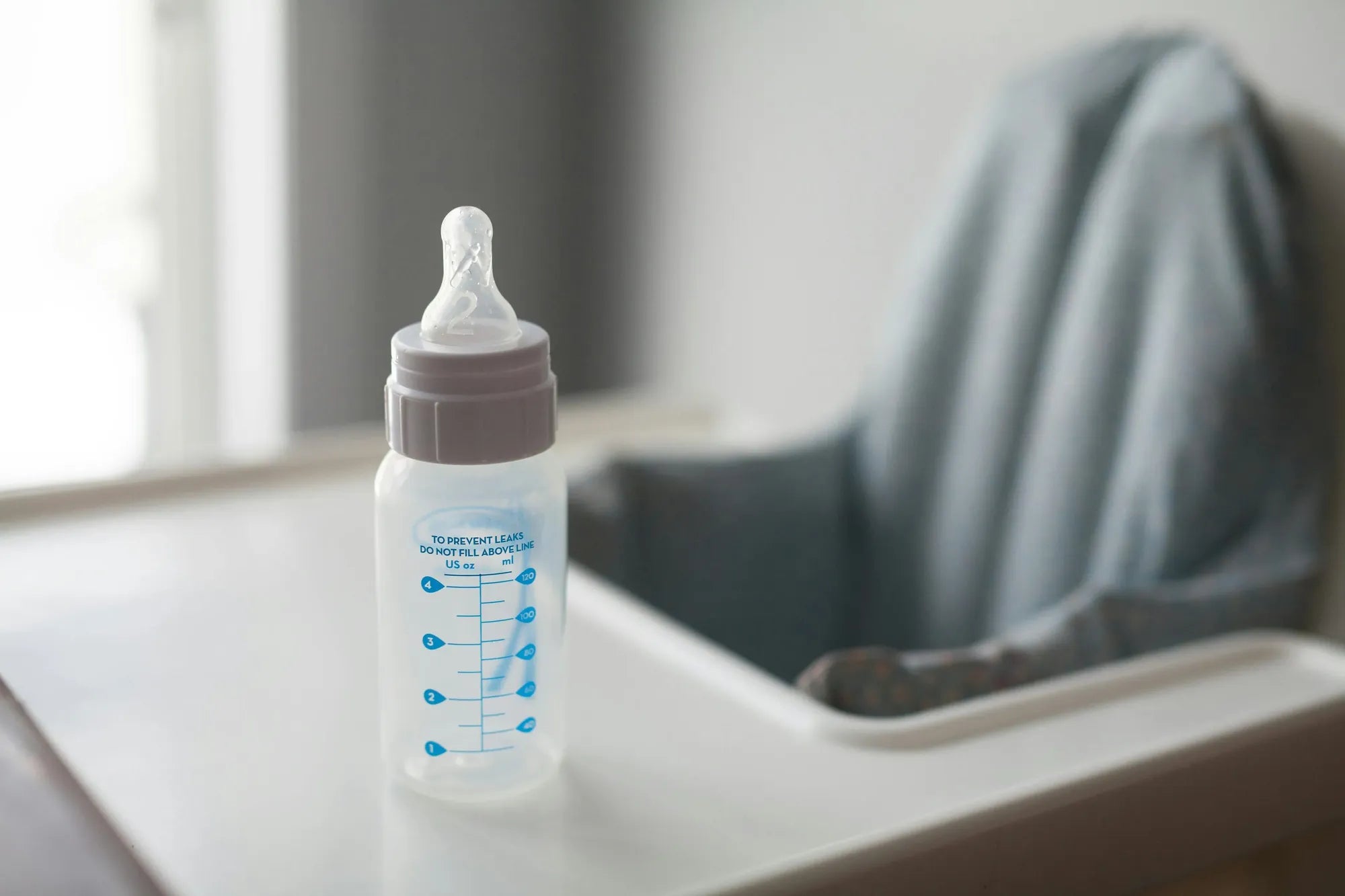
Can I Freeze Breast Milk Immediately After Pumping? Your Complete Guide
Your Guide to Safely Freezing Liquid Gold
As a pumping parent, you've just expressed precious ounces of "liquid gold." The immediate question that often follows is a practical one: Can I freeze breast milk immediately after pumping? The unequivocal answer is yes, and doing so correctly is one of the most important steps you can take to preserve the quality and safety of your milk. Following precise guidelines isn't just about convenience; it's about locking in vital antibodies, living cells, and nutrients that are uniquely tailored to your baby's needs.
This guide will walk you through the science, the step-by-step process, and the expert-backed best practices for freezing breast milk right after expression. We'll cover everything from the initial pump to safe thawing, ensuring you can build your freezer stash with complete confidence. At MomMed, a trusted maternal and baby care brand, we're committed to supporting you with reliable information and innovative products, like our wearable breast pumps, that make your feeding journey smoother and more manageable.
The Science Behind Fresh Milk to Frozen Gold
Breast milk is a dynamic, living substance. It contains white blood cells, stem cells, beneficial bacteria, and a vast array of immunoglobulins (like IgA) that protect your baby from illness. It also has a complex structure of fats, proteins, and carbohydrates that can be sensitive to handling. The goal of proper freezing is to halt bacterial growth while minimizing damage to these delicate components.
When you freeze breast milk immediately after pumping, you rapidly lower its temperature to a point where bacteria cannot multiply. This quick transition from fresh to frozen is key. Letting milk sit at room temperature or even in the refrigerator for too long before freezing allows bacterial counts to increase and can lead to the breakdown of lipase, an enzyme that helps digest fats. Proper, rapid freezing helps maintain the milk's nutritional profile and immunological benefits for the long term.
Conversely, improper handling—such as leaving milk out for extended periods, using non-sterile containers, or freezing in overly large quantities—risks nutrient degradation and potential bacterial contamination. Understanding this science empowers you to make the best choices for preserving the quality of every drop you pump.
Step-by-Step: How to Freeze Breast Milk Correctly Right After Pumping
Adhering to a consistent, clean routine is paramount. Here is your actionable checklist to follow the moment your pumping session ends, ensuring your milk is frozen perfectly.
Step 1: Pump into a Clean Container
Always express milk directly into a container intended for breast milk storage. This can be a pre-sterilized hard-sided plastic or glass bottle or a dedicated breast milk storage bag. Using MomMed collection bottles, which are made from BPA-free, food-grade materials, ensures safety from the very first step. Never use ordinary plastic bags or containers not designed for food storage, as they may leach chemicals or not seal properly.
Step 2: Label Before You Freeze
This step is non-negotiable for inventory management and safety. Label each container with the date and time the milk was expressed and the volume (in ounces or milliliters). If your baby attends daycare, include their name. Using the "first in, first out" rule is only possible with clear dating. This practice also helps you track your milk supply patterns and use the oldest milk first.
Step 3: Choose the Right Spot in the Freezer
For the most stable temperature, place the sealed, labeled containers at the back of the freezer, away from the door. The door is subject to temperature fluctuations every time it's opened, which can contribute to freezer burn or partial thawing. The ideal storage temperature is 0°F (-18°C) or colder. If you are using a deep freezer or chest freezer, this is often the most reliable appliance for long-term storage.
Step 4: Cool Milk Before Combining (If Necessary)
If you wish to combine milk from the same day's pumping sessions before freezing, cool the newly expressed milk in the refrigerator for about 30-60 minutes first. Then, you can add it to a container of already-cooled milk from earlier. This prevents you from warming the previously cooled or frozen batch, which could encourage bacterial growth. Always store in small quantities (2-4 oz) to avoid waste.
Storage Guidelines: Capacity, Duration, and Thawing
Knowing how much to store, for how long, and how to safely prepare it for feeding is the cornerstone of a successful freezer stash. These guidelines are based on recommendations from the Centers for Disease Control and Prevention (CDC) and the Academy of Breastfeeding Medicine.
Freezer Storage Times at a Glance
Storage duration varies significantly based on the type of freezer and its temperature consistency. Here is a clear comparison:
| Storage Location | Temperature | Recommended Storage Time for Fresh Milk |
|---|---|---|
| Deep Freezer (Chest/Standalone) | -4°F (-20°C) or colder | 6-12 months (ideal for long-term stash) |
| Standard Freezer (Fridge Combo) | 0°F (-18°C) | 3-6 months |
| Refrigerator | 39°F (4°C) or colder | Up to 4 days |
| Insulated Cooler with Ice Packs | N/A | Up to 24 hours |
Note: These times are for optimal quality. Milk stored longer may be safe but could experience increased fat separation and nutrient degradation.
The Safe Thawing and Warming Process
Thawing requires as much care as freezing. The safest method is to plan ahead and thaw milk overnight in the refrigerator. It can stay there for up to 24 hours after fully thawed. For quicker thawing, hold the sealed container under cool, then warm, running water or place it in a bowl of warm water. Never use a microwave or boiling water, as this creates dangerous hot spots that can scald your baby and destroys valuable immune properties and nutrients.
Once thawed, gently swirl (do not shake vigorously) the milk to mix the separated fat layers. Use thawed milk within 24 hours and never refreeze it. If your baby doesn't finish a bottle of previously frozen and thawed milk, it should be used within 2 hours or discarded.
Common Freezing Questions Answered (FAQ)
Q1: Can I combine milk from different pumping sessions before freezing?
Yes, but with a critical rule: only combine milk that is at the same temperature. Cool freshly expressed milk in the refrigerator first before adding it to an existing container of already-cooled or cold milk. This prevents warming the older batch and keeps bacterial growth in check.
Q2: Why does my frozen or thawed breast milk smell or look soapy/metallic?
This is often due to high levels of the enzyme lipase. While safe for consumption, lipase can break down fats during storage, altering smell and taste. Some babies don't mind, but if yours refuses it, you can scald the milk (heat to a simmer with small bubbles, not a boil) before freezing to deactivate the enzyme. Cool it quickly before freezing as usual.
Q3: Can I refreeze breast milk that has thawed?
Generally, no. Refreezing thawed milk is not recommended due to the potential for bacterial growth and significant nutrient loss. An exception exists if the milk was thawed in the refrigerator and still contains ice crystals (is partially frozen), it may be safe to return to the freezer, though quality may diminish. When in doubt, follow the rule: once fully thawed, do not refreeze.
Q4: How full should I fill breast milk storage bags?
Leave about an inch of space at the top. Breast milk expands as it freezes. Overfilling can cause the bag to burst or the seal to break, compromising sterility and causing waste.
Q5: How does using a wearable pump like the MomMed S21 impact the freezing process?
Using a comfortable, efficient wearable pump like the award-winning MomMed S21 allows you to express milk discreetly and conveniently, often leading to better let-downs and output. The process for safe freezing remains identical: transfer the milk from the pump's BPA-free collection cups into a sterilized storage bag or bottle, label it immediately, and freeze it promptly. The innovation lies in making the collection step easier and more integrated into your day, so you're more likely to build that valuable stash.
Maximizing Your Pumping Routine with MomMed
Creating a sustainable pumping routine is the foundation of a successful freezer stash. A pump that is comfortable, efficient, and quiet reduces stress and can improve milk output. MomMed's range of breast pumps, including the S21 Double Wearable Breast Pump, is designed with this exact goal in mind. Engineered with BPA-free, food-grade silicone flanges and ultra-quiet motors, these pumps help you achieve effective let-downs in comfort, whether you're at home, work, or on the go.
The milk you express with a well-fitted, reliable pump is the starting point for your frozen stash. Ensuring you have the correct flange fit—a common concern we address with detailed sizing guides—prevents nipple pain and maximizes yield. When your pumping sessions are effective and comfortable, you're not just collecting milk; you're preserving the highest quality "liquid gold" for your baby's future feeds, fully supported by tools you can trust.
Troubleshooting Common Freezing and Storage Issues
Even with the best practices, you may encounter some challenges. Freezer burn, evidenced by ice crystals on the inside of the storage bag or a "off" smell, occurs when air reaches the milk. To prevent it, squeeze excess air out of storage bags before sealing and use bags specifically designed for breast milk with a double-zip seal. If you notice freezer burn, the milk is typically safe to consume but may have an altered taste; use it soon or mix it with fresher milk.
Another issue is inconsistent freezing temperatures. If your freezer is too full, air cannot circulate properly, leading to warmer spots. If it's too empty, it may cycle on and off too frequently. Aim for a moderately full freezer for optimal temperature stability. Using a standalone freezer thermometer can give you peace of mind that your appliance maintains a steady 0°F or below.
Conclusion: Confidence in Your Freezing Journey
So, can I freeze breast milk immediately after pumping? Absolutely. By following the clear, evidence-based steps outlined here—pumping into clean containers, labeling diligently, freezing rapidly in the right location, and thawing safely—you transform the question from one of uncertainty into a routine of empowerment. You are not just storing milk; you are preserving a powerful, personalized source of nutrition and immunity for your baby.
Building a freezer stash is a significant achievement in your breastfeeding and pumping journey. It provides flexibility, peace of mind, and ensures your baby benefits from your milk even when you're apart. Trust in the process, rely on trusted resources, and equip yourself with tools that make the journey smoother. For all your breastfeeding, pumping, and baby care essentials, from our award-winning wearable pumps to safe storage solutions, shop the MomMed collection at mommed.com. We're here to support you every step of the way.