


Startseite
Pregnancy, Breastfeeding, and Pumping: The Ultimate Guide for Moms
Can Breast Pumping Help Lose Weight: A Science-Backed Guide
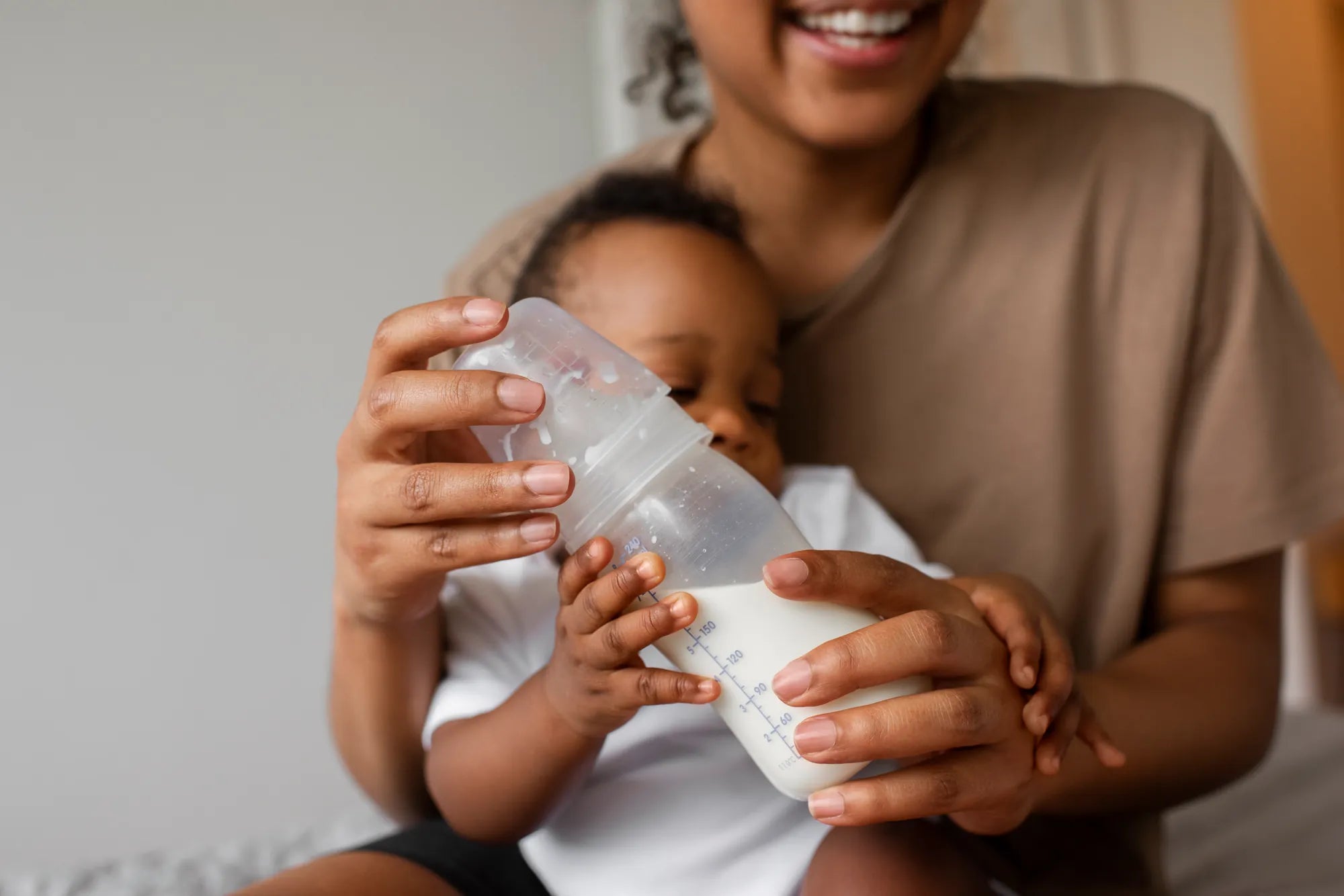
Can Breast Pumping Help Lose Weight: A Science-Backed Guide
Introduction: Breastfeeding, Pumping, and Postpartum Weight Loss
For many new mothers, the postpartum period brings a dual focus: nurturing a newborn and navigating the changes in their own body. A common question that arises is, can breast pumping help lose weight? This question sits at the intersection of postpartum recovery, infant nutrition, and personal health goals.
The "fourth trimester" is a time of significant physical and emotional adjustment. While the desire to return to a pre-pregnancy weight is natural, it's crucial to approach this goal with patience and science-backed information. This article will thoroughly explore the connection between expressing milk and weight management.
We'll delve into the metabolic mechanics of lactation, compare pumping to direct nursing, and outline how to build a sustainable, healthy postpartum routine. As a trusted maternal and baby care brand, MomMed is committed to supporting moms with reliable, comfortable, and innovative products, like our wearable breast pumps, that can make this journey smoother.
Understanding this topic fully can empower you to make informed decisions that support both your well-being and your baby's nutritional needs.
The Science of Lactation and Caloric Expenditure
At its core, milk production is a metabolically active process. Your body requires substantial energy to synthesize the proteins, fats, and carbohydrates that make up breast milk. This energy demand translates directly into calories burned.
Research consistently shows that lactation increases a woman's daily energy expenditure. On average, producing breast milk burns an estimated 300 to 500 extra calories per day. For some women, particularly those with a robust milk supply or who are feeding multiples, this number can climb even higher.
To put this into perspective, burning 300-500 calories is equivalent to a light to moderate cardio session. This caloric burn occurs around the clock as your body works to create nourishment for your baby. It's a passive form of energy expenditure that happens whether you are sleeping, feeding, or pumping.
It's critical to understand that this metabolic demand is tied to the production of milk, not necessarily the method of removal. Whether your baby nurses directly at the breast or you use a breast pump to express milk, your body is still performing the same energy-intensive work of creating milk. Therefore, from a pure calorie-burn standpoint, exclusive pumping can confer a similar metabolic benefit as direct breastfeeding.
How Milk Production Fuels the Burn
The process begins with your body pulling from your nutrient stores and your current dietary intake. It uses these resources to manufacture milk, which involves complex hormonal signals, primarily driven by prolactin and oxytocin.
This isn't a minor metabolic tweak; it's a significant physiological undertaking. Maintaining this level of production requires a consistent energy input, which is why nutrition is so vital during this period. The body will prioritize milk production, often at the expense of other reserves if intake is insufficient.
For exclusive pumpers, maintaining this caloric burn hinges on a consistent pumping schedule that signals the body to continue producing milk at the required volume. Regular and effective milk removal is the key signal that tells your body, "Keep making more."
Using an efficient, comfortable pump like the MomMed S21 Wearable Breast Pump can support this consistency by making the process more convenient and less stressful, helping to maintain the milk supply—and the associated calorie expenditure.
Pumping vs. Direct Nursing: The Weight Loss Equation
So, does the method of milk removal change the weight loss outcome? The direct physiological answer is no. The caloric cost is in the synthesis, not the delivery. However, several practical and behavioral factors can influence the overall impact on your postpartum health journey.
For mothers who exclusively pump (EP), the process is more mechanized but follows the same biological principle. Your pump mimics a baby's suckling to trigger the let-down reflex and remove milk. As long as you are effectively emptying the breasts, you are sustaining the milk production cycle and its metabolic demands.
One potential advantage of pumping, particularly with modern wearable pumps, is predictability and potential for multitasking. A mom using a hands-free, ultra-quiet pump like the MomMed S12 can move around, care for other children, or even engage in gentle activity while pumping. This can reduce perceived stress and may make it easier to integrate healthy habits.
Direct nursing involves additional physical contact and may have subtle hormonal benefits related to oxytocin release (the "love hormone"), which can promote relaxation. However, in terms of raw energy expenditure for milk production, both pathways are valid. The choice often comes down to personal circumstance, baby's latch, maternal comfort, and lifestyle.
The core takeaway is that sustaining your milk supply, by whichever method works for you and your baby, is what maintains the increased metabolic rate that can support weight loss.
Building Your Healthy Postpartum Routine: Pumping as a Component
Viewing breast pumping as a magic weight loss tool is a setup for frustration. Instead, it's best framed as one supportive component within a holistic, healthy postpartum lifestyle. Sustainable weight management after baby requires a balanced approach centered on nourishment, gentle movement, and consistency.
Nutrition: Fueling Milk Production and Your Body
This is the most critical piece. The extra 300-500 calories burned daily are not a license for a large calorie deficit. In fact, severe restriction can rapidly diminish your milk supply and leave you feeling depleted.
The goal is nutrient-dense nourishment. Focus on whole foods: lean proteins, complex carbohydrates, healthy fats, and plenty of fruits and vegetables. These foods provide the building blocks for high-quality milk and sustained energy for you.
Hydration is equally crucial. Milk production is fluid-dependent. Drinking water throughout the day, especially before and after pumping sessions, supports supply and helps with overall metabolism. Listen to your hunger cues—your body will often signal what it needs to sustain lactation.
Think of eating for milk production as your first priority; weight loss becomes a secondary benefit that happens when you provide high-quality fuel without excessive surplus.
Safe and Gradual Postpartum Movement
Exercise in the postpartum period should be reintroduced slowly and with your healthcare provider's approval. Initial activities often include walking, pelvic floor exercises, and gentle stretching.
Here, the convenience of a wearable pump can be a true asset. The ability to pump discreetly and without being tethered to a wall outlet means you can potentially integrate pumping with a walk outdoors or light household activity. This removes a barrier to movement for many busy moms.
The MomMed S21, for instance, is designed for this very purpose—its compact, cordless design and adjustable suction levels allow for comfort and mobility, making it easier to combine milk expression with gentle, daily activity.
Remember, the initial goal of postpartum exercise is rehabilitation and stress relief, not intense calorie burning. Combining this movement with the passive calorie burn of lactation creates a gentle, sustainable synergy.
The Pillars of Consistency and Patience
Consistency in your pumping schedule is paramount for maintaining milk supply. Skipping sessions can signal your body to produce less milk, thereby reducing your daily caloric expenditure. Establishing a routine protects your supply and the metabolic benefits that come with it.
Patience is non-negotiable. It took nine months for your body to grow a baby; allow it grace to recover. Weight loss through lactation is typically gradual. Some women see a noticeable shift after the initial postpartum period, while others may retain weight until weaning due to hormonal factors.
Focus on non-scale victories: your energy levels, the ounces of milk you produce, your strength returning, and the incredible work your body is doing. This mindset shift is critical for long-term well-being.
Important Considerations and Realistic Expectations
While the calorie burn of lactation is real, it's essential to navigate this period with evidence-based caution and self-compassion. Several factors can influence individual results.
The Role of Hormones and Individual Variation
Hormones play a complex role. Prolactin, the milk-making hormone, can influence fluid retention and appetite. Some women find their bodies hold onto a few extra pounds of weight as a energy reserve for lactation until weaning begins.
Every woman's metabolism, genetics, and postpartum experience are unique. Factors like sleep deprivation (which can disrupt hunger hormones), stress levels (elevated cortisol can promote abdominal fat storage), and pre-pregnancy metabolic health all contribute to the weight loss equation.
Comparing your journey to another mom's is counterproductive. Your body's response to postpartum lactation and weight change is your own.
Avoiding Common Pitfalls
One major pitfall is using lactation as an excuse for poor nutritional choices. The "eating for two" mentality can persist, but now you're eating to support milk quality, not just quantity. Mindless snacking or overconsumption of high-calorie, low-nutrient foods can easily offset the caloric burn of pumping.
Conversely, ignoring intense hunger cues can backfire, leading to energy crashes and potential supply dips. The key is to have healthy, satisfying snacks readily available—like Greek yogurt, nuts, fruit, or hard-boiled eggs.
Another risk is attempting to create an oversupply purely to boost calorie burn. Deliberately pumping far beyond your baby's needs can lead to painful engorgement, recurrent plugged ducts, or mastitis. It's best to pump to meet your baby's demand or to maintain your established supply.
When Is It Safe to Focus on Weight Loss?
The early postpartum weeks (the first 6-8) are a time for healing and establishing a milk supply. This is not the time for intentional calorie restriction. Your primary goals are recovery, bonding, and building a successful feeding or pumping routine.
Always consult your healthcare provider or a registered dietitian specializing in postpartum nutrition before starting any focused weight loss plan. They can help you create a safe strategy that protects your milk supply and your overall health.
If you are struggling with low milk supply, the focus must remain on increasing supply through frequent milk removal, proper hydration, and nutrition—not on weight loss.
Data at a Glance: Pumping, Nursing, and Metabolism
| Factor | Direct Breastfeeding | Exclusive Pumping | Notes for Weight Management |
|---|---|---|---|
| Caloric Burn Source | Milk production | Milk production | Identical. Burn is from synthesis, not removal method. |
| Estimated Daily Caloric Expenditure | 300-500+ calories | 300-500+ calories | Depends on milk volume produced. Can vary individually. |
| Key to Maintaining Burn | Effective, on-demand nursing | Consistent pumping schedule | Regular milk removal signals continued production. |
| Potential Lifestyle Impact | Baby-led schedule; may limit mobility during feeds. | More schedule control; enables use of hands-free pumps for mobility. | Wearable pumps (e.g., MomMed S21) can reduce sedentary time and stress. |
| Nutritional Demands | High. Requires nutrient-dense diet and ample hydration. | High. Identical nutritional needs to support milk quality. | Severe calorie restriction is risky for supply in both cases. |
| Hormonal Context | Oxytocin release during nursing may promote relaxation. | Oxytocin release still occurs with effective pumping. | Stress reduction is beneficial for overall health and weight management. |
FAQs: Breast Pumping and Postpartum Weight Management
Q: Does exclusive pumping burn as many calories as direct breastfeeding?
A> Yes. The calorie burn is directly tied to the volume of milk your body produces, not how it is removed. An exclusive pumper producing 30 ounces per day burns a similar number of calories as a nursing mother producing 30 ounces per day.
Q: Can I pump more frequently to lose weight faster?
A> Not recommended. Pumping should align with your baby's feeding needs or to maintain your supply. Creating a significant oversupply to boost calorie burn can lead to engorgement, mastitis, and an uncomfortable, unmanageable supply. It’s not a safe or effective weight loss strategy.
Q: I'm pumping but not losing weight. Why?
A> Several factors could be at play: hormonal influences (prolactin can promote fluid retention), calorie intake matching or exceeding output, lack of sleep, high stress levels, or your individual metabolic timeline. Some women’s bodies hold weight while lactating and release it after weaning. Focus on holistic health and consult your doctor if concerned.
Q: Will I gain weight when I stop pumping?
A> Your daily calorie expenditure will decrease as your milk supply dries up. If your food intake remains the same, you may see a slight weight gain. This is a natural metabolic transition. You can gradually adjust your calorie intake and maintain physical activity to manage your weight post-weaning.
Q: How can a comfortable pump like MomMed's support my overall health goals?
A> A comfortable, efficient, and quiet pump reduces the stress and hassle associated with milk expression. The MomMed S21 Wearable Pump, with its BPA-free, food-grade silicone components and adjustable settings, supports a consistent routine. Consistency maintains supply (and calorie burn). Furthermore, its hands-free design grants you mobility, making it easier to stay active and engaged in daily life, contributing positively to your overall well-being.
Conclusion: A Supportive Tool on Your Unique Journey
The evidence is clear: breast pumping can contribute to postpartum weight loss as part of the natural, calorie-burning process of lactation. By sustaining your milk supply through regular pumping, you maintain an elevated metabolic rate. However, this is most effective and sustainable when integrated into a broader lifestyle that prioritizes nutrient-rich eating, gentle physical activity, and immense patience with your body.
Pumping is not a quick fix, but it can be a valuable component of your postpartum health strategy. The right equipment can make this component far easier to manage. MomMed is dedicated to supporting moms with innovative, comfortable products that respect the demands of this season of life. Our award-winning wearable pumps are designed to offer you freedom, comfort, and reliability, so you can focus on what matters—caring for your baby and yourself.
Embrace this chapter with self-compassion. Celebrate what your body is accomplishing daily. Whether you nurse, pump, or combine both, you are providing incredible nourishment. For tools that support you on this journey, from the first pump to the last, explore the MomMed collection. Shop the MomMed collection at mommed.com for all your breastfeeding and pregnancy needs, and find the support designed with your comfort and success in mind.