


Startseite
Pregnancy, Breastfeeding, and Pumping: The Ultimate Guide for Moms
Are Manual Breast Pumps Good? A Comprehensive Guide for Modern Moms
Are Manual Breast Pumps Good? A Comprehensive Guide for Modern Moms
Introduction to Breast Pumping: Finding Your Perfect Fit
What type of breast pump is right for me? This is one of the most common questions for new and expecting mothers navigating the world of infant feeding. Amidst the buzz around high-tech, wearable electric pumps, the humble manual breast pump often gets overlooked. This comprehensive guide asks and answers a critical question: Are manual breast pumps good? The resounding answer is yes, for many mothers and many situations.
The best breast pump isn't the most expensive or the most feature-rich; it's the one that seamlessly fits your unique lifestyle, physiological needs, and personal budget. A manual breast pump represents a classic, straightforward tool that has supported breastfeeding mothers for generations. Its value lies in its simplicity and specificity.
Understanding your options is the first step to empowerment. Whether you're preparing to return to work, seeking relief from engorgement, or planning for occasional date nights, the right pump can make all the difference. This guide will dissect every aspect of manual pumping, from its core mechanics to its ideal use cases.
At MomMed, a trusted maternal and baby care brand, we believe in providing informed choices. We specialize in innovative products like our wearable S21 breast pump, but we also recognize the enduring utility of a well-designed manual pump. Our goal is to equip you with the knowledge to choose the tool—or combination of tools—that best supports your journey.
What is a Manual Breast Pump? Understanding the Basics
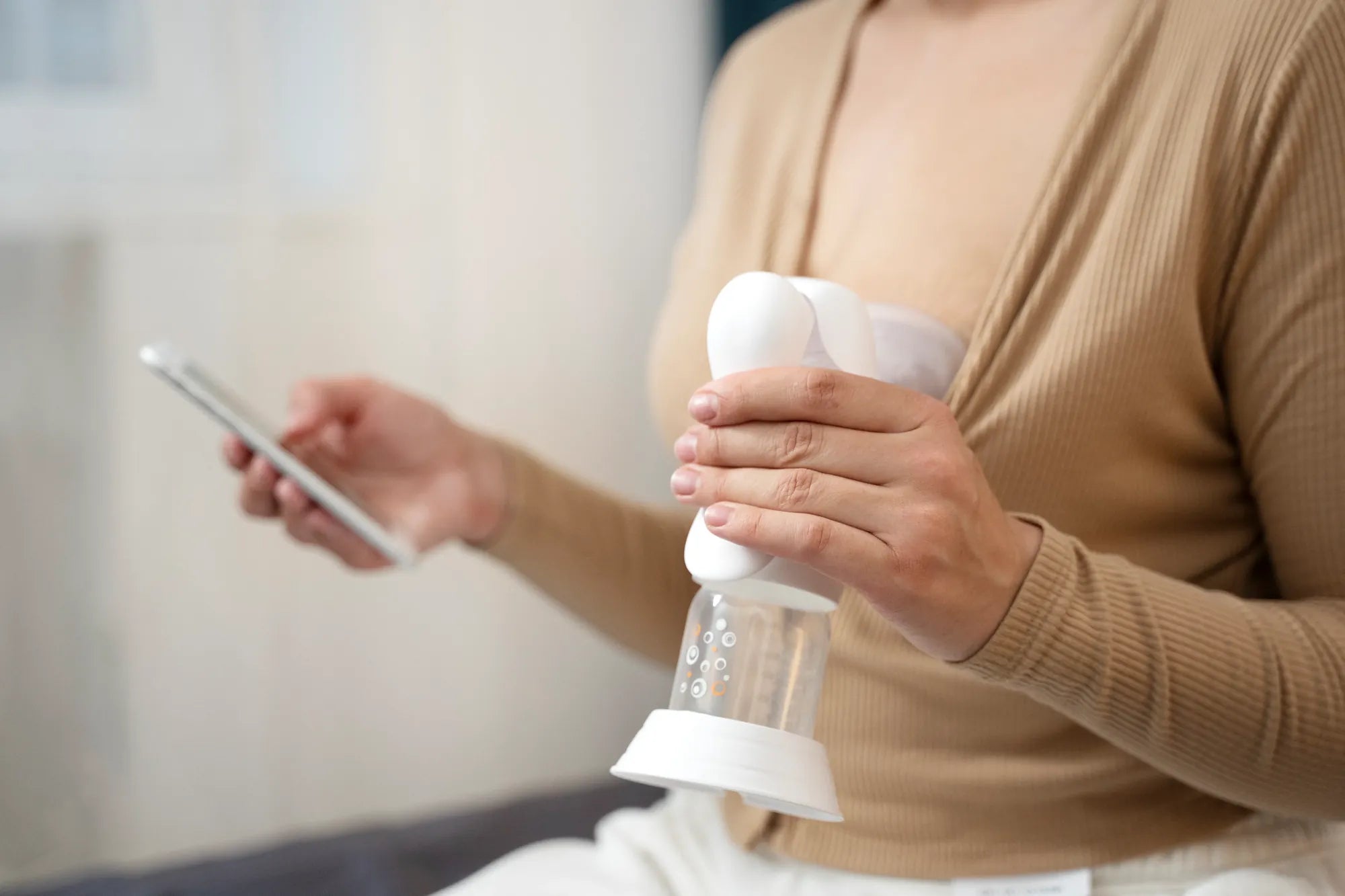
A manual breast pump is a hand-operated device used to express (remove) breast milk. Unlike its electric counterpart, it requires no batteries, power cords, or motors. Expression is achieved solely through physical effort, typically by repeatedly squeezing a handle or pressing a lever.
The core components are universal across most models. The breast shield or flange is the funnel-shaped piece that fits over the nipple and areola. The body or collection bottle attaches to the shield and holds the expressed milk. A handle or trigger mechanism creates suction, and a one-way valve and membrane system maintains that suction and allows milk to flow into the bottle while preventing backflow.
The mechanism is elegantly simple. When you squeeze the handle, it creates a vacuum (suction) inside the shield, mimicking the drawing action of a baby's mouth. This suction stimulates the milk ejection reflex, or let-down. Releasing the handle breaks the suction, allowing a rest phase before the next compression, simulating a baby's suck-swallow-breath pattern.
This purely physical operation is the defining characteristic. It means the rhythm, speed, and strength of suction are directly and entirely controlled by the user's hand. This offers a unique level of tactile feedback and customization that some mothers find preferable, especially when dealing with sensitive nipples or a finicky let-down reflex.
The Advantages: Why Choose a Manual Breast Pump?
Manual breast pumps offer a compelling set of benefits that make them an excellent primary or secondary pump for countless mothers. Their primary advantage is unmatched portability and discretion. A manual pump is small, lightweight, and contains no electronic parts. It can slip into any diaper bag or purse, ready for use anywhere—on a plane, in a car, or in a public restroom—without hunting for an outlet or worrying about battery life.
Affordability is another major plus. The initial cost of a quality manual pump is significantly lower than most electric pumps, including wearable models. For mothers on a budget, those unsure about their long-term pumping needs, or those seeking a reliable backup, this lower financial barrier is a key consideration. It's an accessible entry point into the world of pumping.
The quiet operation of a manual pump is a subtle but highly valued feature. The only sound is the soft click or press of the handle. This makes it ideal for pumping next to a sleeping baby, during nighttime feeds on the opposite breast, or in shared spaces where the distinct whirring of an electric motor might draw unwanted attention or cause anxiety.
Perhaps the most significant benefit is the precise, intuitive control. You can instantly adjust the suction strength and rhythm to match exactly what feels comfortable and effective in the moment. Many mothers find they can trigger a let-down more easily with the gentle, variable pattern they create themselves. This control can be particularly soothing for sore nipples or when dealing with clogged ducts, as you can apply gentle, targeted pressure.
Considerations and Limitations: Is a Manual Pump Right for Your Situation?
While manual pumps are excellent tools, they are not universally ideal for every pumping scenario. The most cited limitation is the physical effort and potential for fatigue. The repetitive hand and wrist motion can become tiring, especially during longer pumping sessions or if you are pumping multiple times a day. For mothers with conditions like carpal tunnel syndrome (common in pregnancy and postpartum), this can be a significant drawback.
Expression speed and efficiency are other factors. Draining both breasts fully with a manual pump typically takes longer than with a double electric pump. Since you can only pump one breast at a time, a full session involves double the time commitment. For mothers who need to pump frequently, such as those exclusively pumping or returning to a full-time job, this time investment can become burdensome and may impact milk supply if breasts aren't emptied efficiently and promptly.
Manual pumps are generally considered best for occasional or situational use. They shine as a backup option when the power goes out, for quick relief from engorgement, for occasional bottle feeds, or for short trips away from baby. They are less suited for the primary pump of a mother who needs to build and maintain a large freezer stash or who pumps multiple times daily while separated from her infant.
It's also crucial to ensure proper flange fit, just as with any pump. An incorrectly sized flange on a manual pump can be just as ineffective and uncomfortable as on an electric model. Discomfort is usually a sign of incorrect use or fit, not an inherent flaw of the pump type. Consulting a lactation consultant can help optimize your technique and setup.
Manual vs. Electric: A Side-by-Side Comparison
To make an informed decision, a direct comparison is essential. The table below breaks down the key differences between manual and electric breast pumps across critical categories.
| Factor | Manual Breast Pump | Electric Breast Pump (Including Wearable) |
|---|---|---|
| Cost | Low initial cost. No ongoing costs for parts or power. | High initial cost. May require replacement parts (membranes, duckbills) and uses electricity/batteries. |
| Portability & Noise | Extremely portable and silent. Fits in any bag. | Less portable due to motors/batteries. Wearable models (like MomMed S21) are portable but have a mild motor sound. |
| Control & Comfort | Full, instant manual control over rhythm and suction. Great for sensitive let-down. | Programmable settings (cycle, suction). Consistent, hands-free operation once set. |
| Efficiency & Speed | Slower, single-sided expression. Requires active user effort. | Faster, can double-pump. More efficient for full drainage and maintaining supply. |
| Best For | Occasional use, travel, quick relief, backup, budget-conscious moms, sensitive nipples. | Frequent/Exclusive pumping, returning to work, building a stash, moms needing hands-free convenience. |
As the table illustrates, manual pumps excel in specific niches where their simplicity, quietness, and low cost are paramount. Electric pumps, particularly innovative wearable models, are engineered for efficiency, convenience, and frequent use. The choice isn't necessarily one or the other; many mothers successfully use both, employing an electric pump for daily sessions and a manual for on-the-go moments.
How to Use a Manual Breast Pump Effectively: A Step-by-Step Guide
Maximizing output and comfort with a manual pump requires proper technique. Start by ensuring all parts are clean, dry, and correctly assembled. Wash your hands thoroughly before handling pump parts or your breasts. A quick breast massage or applying a warm compress can help stimulate milk flow before you begin.
Find a comfortable, relaxed setting. Stress can inhibit let-down. Center the nipple in the flange, ensuring the tunnel doesn't pull in too much areola tissue (which can cause friction) or too little (which can reduce effectiveness). A good seal is crucial for creating proper vacuum. You may apply a bit of food-grade oil or lanolin to the flange rim for comfort.
Begin with a rapid, gentle pumping rhythm to mimic a baby's initial quick sucks that trigger let-down. Once you see milk begin to spray or flow steadily (usually after 1-2 minutes), switch to a slower, deeper, more rhythmic pattern. Squeeze the handle fully and release at a pace that feels comfortable and productive—typically about one cycle per second.
Pump until the milk flow significantly slows, then switch to the other breast. You can switch back and forth between breasts 2-3 times in a session to maximize output. After pumping, store milk immediately in a sealed container in the refrigerator or freezer. Disassemble the pump and clean all parts that contact breast milk with soap and warm water or a designated sterilizer.
The MomMed Philosophy: Empowering Choice in Your Feeding Journey
At MomMed, we understand that every mother's feeding journey is unique. There is no single "best" product, only the best product for you at a specific moment in time. That's why we are committed to offering a range of high-quality, safe options to meet diverse needs. Our award-winning electric wearable pumps, like the MomMed S21 Double Wearable Breast Pump, are designed for mothers seeking ultimate freedom and efficiency—allowing for discreet, hands-free pumping anywhere.
Simultaneously, we recognize the timeless utility of a reliable manual pump. A MomMed manual pump is engineered as the perfect companion: for the diaper bag, for sudden engorgement relief, for a weekend getaway, or as a fail-safe backup. It embodies the same core principles as our advanced models: safety, comfort, and mom-centric design.
Every MomMed breast pump, from manual to wearable, is constructed with BPA-free, food-grade silicone and materials that prioritize your baby's safety and your comfort. We believe innovation shouldn't just mean more features; it should mean more thoughtful solutions that address real challenges, whether it's the need for discreet mobility or simple, dependable affordability.
Our mission extends beyond products to education and support. By providing comprehensive guides like this one, we aim to demystify the pumping process, help you troubleshoot common issues like low milk supply or nipple pain, and empower you to make confident choices that align with your well-being and your baby's nutritional needs.
Frequently Asked Questions About Manual Breast Pumps
1. Can I use a manual pump to exclusively pump?
While possible, it is generally not recommended for long-term exclusive pumping due to the time commitment and physical fatigue involved. Double electric pumps are far more efficient for draining both breasts quickly and maintaining milk supply when pumping is the primary method of feeding. A manual pump can be a useful tool within an exclusive pumping routine, perhaps for a single session, but an electric pump is the standard for this demanding task.
2. How do I clean and maintain my manual pump?
After each use, disassemble all parts that contacted breast milk. Rinse in cool water, then wash with warm, soapy water using a bottle brush. Rinse thoroughly and air-dry on a clean towel or rack. Sanitizing daily by boiling, using a steam bag, or following the manufacturer's instructions is recommended, especially for newborns under 3 months. Regularly inspect valves and membranes for wear, as these are critical for suction and need replacement when stretched or damaged.
3. Are manual pumps painful to use?
No, when used correctly with a proper flange fit, pumping should not be painful. Discomfort usually signals an issue: flange size may be incorrect, suction may be too high, or the pumping rhythm may be too rapid. Pain is your body's signal to stop and reassess. Using lubrication on the flange rim and starting with gentle, rapid pumps to trigger let-down before deepening suction can greatly enhance comfort.
4. How long does it take to express milk with a manual pump?
Session length varies greatly by individual milk supply and let-down ease. A typical session to drain one breast might take 15-20 minutes. Since you pump one side at a time, a full session for both breasts could take 30-45 minutes, plus setup and cleaning time. This is notably longer than a 15-20 minute double-electric pumping session.
5. Can I use a manual pump if I have a low milk supply?
Yes, and the control can be beneficial. The ability to mimic your baby's pattern and apply gentle, persistent suction can help stimulate supply. However, for building supply, frequency and complete breast emptying are key. The time investment of manual pumping might make it harder to achieve the recommended 8-12 expressions per day. Many lactation consultants recommend using a hospital-grade or high-quality double electric pump for supply-building purposes, possibly incorporating a manual pump for comfort or convenience in some sessions.
Embracing the Tool That Works for You
So, are manual breast pumps good? The evidence clearly supports that they are an excellent, effective tool designed for specific, valuable roles in a breastfeeding journey. Their affordability, portability, silence, and intuitive control make them a wise choice for occasional use, travel, and as an indispensable backup. They empower mothers with a simple, reliable method of milk expression that requires nothing more than their own hand.
The decision ultimately hinges on a honest assessment of your personal routine. Consider your anticipated pumping frequency, need for speed and efficiency, physical comfort, and lifestyle. For the mother pumping once a day for a bottle feed, a manual pump may be perfect. For the mother returning to a full-time office job, a double electric or wearable pump like the MomMed S21 will likely be a better primary investment, with a manual pump serving as a backup.
Your feeding journey is yours to define. Whether you choose a manual pump, an electric wearable, or a strategic combination of both, the right choice is the one that supports your physical comfort, mental well-being, and your baby's nutritional needs. Trust your instincts, use the data to inform your decision, and remember that flexibility is often the key to sustained success.
Ready to explore your options? Shop the MomMed collection at mommed.com for all your breastfeeding and pregnancy needs, from our advanced S21 Wearable Pump to our reliable manual pumps and essential baby care products.