


Accueil
Pregnancy, Breastfeeding, and Pumping: The Ultimate Guide for Moms
Why Does My Back Hurt When I Breast Pump? A Comprehensive Guide
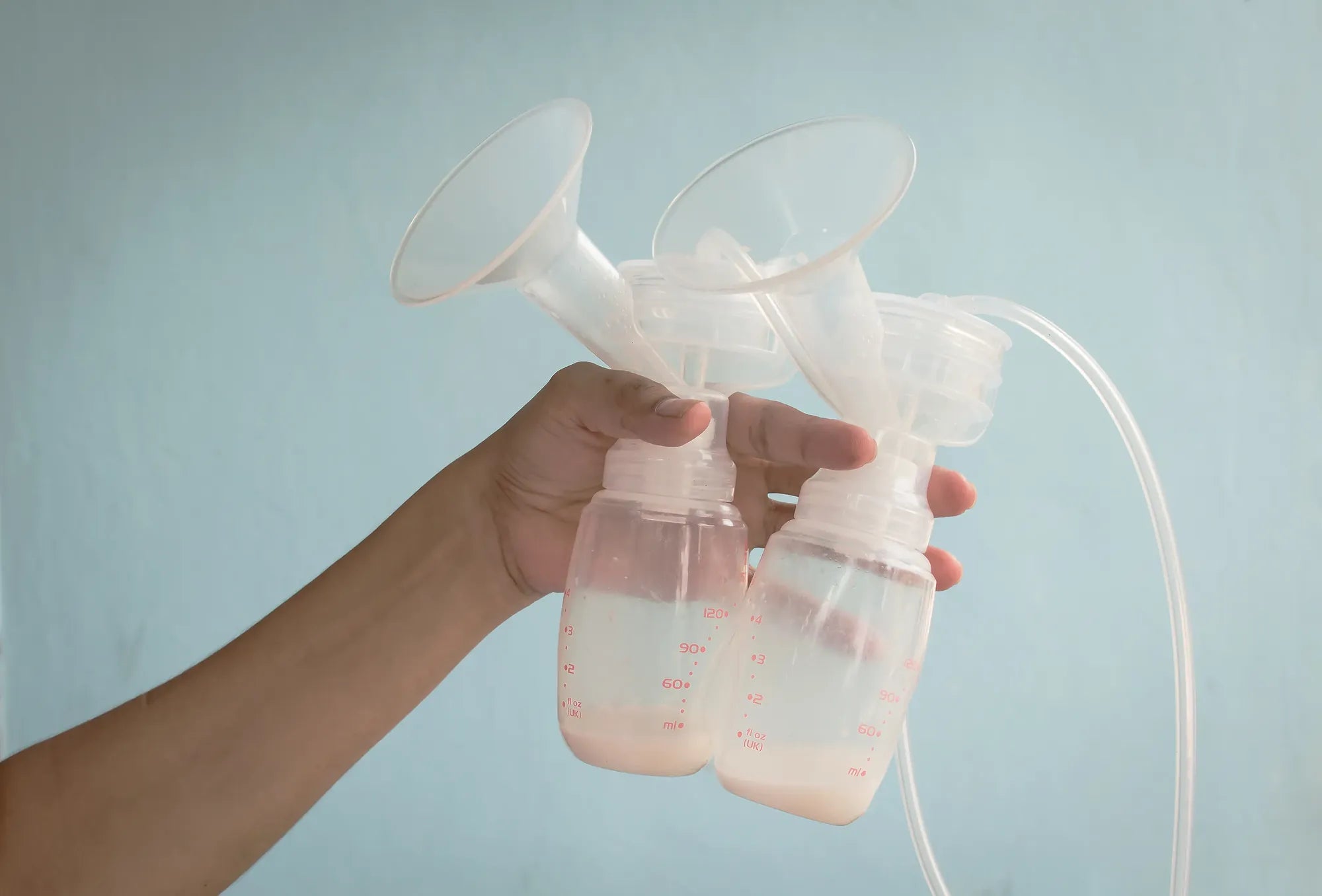
Why Does My Back Hurt When I Breast Pump? A Comprehensive Guide
Understanding the Connection: Breast Pumping and Back Pain
If you've found yourself asking, 'Why does my back hurt when I breast pump?' you are far from alone. This is a widespread concern among pumping mothers, yet it's frequently dismissed as just another part of the postpartum journey. The truth is, persistent back pain is a clear signal from your body that something in your setup or routine needs adjustment.
Pumping should not be a painful chore. It's a significant act of nurturing your baby, and your physical comfort is paramount to sustaining it. The good news is that with the right knowledge and tools, this pain is often entirely preventable. This guide will walk you through the mechanical causes, provide actionable ergonomic fixes, and highlight how modern pumping technology can transform your experience from one of strain to one of relief.
We'll explore everything from the subtle postural mistakes that creep in during a 20-minute session to the innovative designs of wearable pumps that promote natural alignment. By the end, you'll have a comprehensive plan to protect your back, ensuring you can focus on your baby, not your discomfort.
Common Causes of Back Pain While Pumping
Identifying the root cause is the first step toward a solution. Back pain during pumping typically isn't caused by a single factor but by a combination of physical strain and positional stress that accumulates over time.
The postpartum body is already in a state of recovery, with relaxed ligaments and core muscles that are working to regain strength. Adding the static, often awkward positions required for pumping can easily overwhelm these vulnerable areas. Let's break down the most frequent culprits.
Poor Posture and Positioning
This is the most common offender. The act of pumping often leads to a hunched-over position: shoulders rounded forward, neck craned down to monitor milk flow, and spine curved into a C-shape. This misalignment places immense pressure on the cervical and thoracic spine.
You might be leaning forward to bring your chest closer to the pump bottles on a table, or you might be holding the flanges in place with your arms unsupported. This forward head posture can add up to 60 pounds of extra strain on your neck and upper back muscles. Over multiple sessions a day, this leads to significant muscle fatigue, tension headaches, and that familiar ache between your shoulder blades.
Muscle Tension and Let-Down Stress
The mental and physical effort to achieve let-down can inadvertently cause you to tense your entire upper body. You may hold your breath, clench your jaw, or tighten your shoulder and back muscles in concentration.
This tension is counterproductive. Stress hormones like cortisol can actually inhibit the milk ejection reflex. So, you end up in a cycle: you tense up to try to make milk flow, which makes it harder to let down, which causes more frustration and tension. Holding this clenched, static position for 15-30 minutes per session directly leads to muscle spasms and pain in the upper and lower back.
The Weight and Pull of Traditional Pumps
Stationary electric pumps with long tubes and bottles create a literal drag. The weight of filling bottles pulls downward on the flanges, which can tug on breast tissue and, by extension, cause you to subconsciously lean into or away from that pull to compensate.
Furthermore, being tethered to a wall outlet or a bulky pump base limits where you can sit. You're often forced into whatever chair is closest to the plug, which is rarely an ergonomically ideal one. This lack of freedom forces your body to adapt to the machine's location, not the other way around, guaranteeing poor posture.
Ergonomic Solutions: Your Guide to Pain-Free Pumping
Transforming your pumping experience starts with your environment and habits. These adjustments require minimal investment but yield maximum returns in comfort and efficiency.
Think of setting up your pumping space as an act of self-care. Just as you create a safe nursery for your baby, you deserve a supportive station for your feeding journey. Implementing these ergonomic principles can reduce or eliminate back pain entirely.
Optimize Your Pumping Station
Your chair is your foundation. Choose one with good lumbar support that allows your feet to sit flat on the floor. If your feet dangle, use a small stool or a stack of books. This stabilizes your pelvis and lower back.
Use pillows strategically. A nursing pillow wrapped around your waist can support your elbows and forearms, taking the weight off your shoulders. A small pillow behind your lower back can enhance lumbar support. Ensure your pump is at or slightly above waist level so you don't have to hunch over to reach it. A rolling cart or a sturdy side table is perfect for this.
Master the "Pumping Posture"
Before you start, run through a quick posture checklist: Sit back in your chair, feet flat. Gently draw your shoulder blades together and down your back, as if you're tucking them into your back pockets. Relax your shoulders away from your ears. Keep your head aligned over your spine—consider an audio podcast instead of staring down at your phone.
Hold the flanges gently; a death grip isn't necessary for effective suction. Before you begin pumping, take three deep, diaphragmatic breaths to signal to your body that it's time to relax, not tense up. This conscious setup primes your body for a more comfortable session.
Integrate Movement and Micro-Breaks
Static posture is the enemy. Every 5-7 minutes during your session, incorporate tiny movements. Gently roll your shoulders forward and backward. Slowly turn your head from side to side. Clasp your hands behind your back and open your chest.
If you feel pain starting, don't push through it. Pause the pump, stand up, and walk for 60 seconds. This resets your posture, improves circulation, and can prevent a minor twinge from becoming a full-day ache. These micro-breaks can also help with milk flow by reducing stress.
How the Right Pump Can Make All the Difference
While behavioral changes are powerful, the design of your pump itself can be the most significant factor in eliminating back pain. Modern innovation in breast pump technology directly addresses the ergonomic pitfalls of traditional models.
Upgrading to a pump designed for maternal comfort isn't a luxury; for many mothers dealing with pain, it's a necessity for continuing their breastfeeding goals. The right pump works *with* your body's natural mechanics, not against them.
The Freedom of Hands-Free, Wearable Design
This is the single biggest game-changer for back pain. A true wearable pump, like the MomMed S21 Double Wearable Breast Pump, fits discreetly inside your bra. This eliminates the need to hold bottles and flanges with your hands or be leaned over a table.
With no tubes or bottles hanging from your chest, you can sit or stand in a natural, upright posture. You can even recline slightly in a supportive chair. This freedom allows your spine to maintain its natural curves, immediately alleviating the strain on your neck, shoulders, and upper back caused by hunching.
Comfort-Driven Performance for Relaxed Let-Down
Back pain is often tied to tension, and tension inhibits let-down. Pumps that are loud, uncomfortable, or difficult to use contribute to this cycle. MomMed pumps are engineered with comfort in mind, featuring multiple, adjustable suction modes that mimic a baby's natural nursing pattern to encourage a more relaxed, efficient let-down.
The ultra-quiet operation reduces anxiety and allows you to pump without drawing attention, helping you stay relaxed. When you are physically comfortable and mentally at ease, your body isn't clenched in a stress response. This relaxed state is optimal for milk production and protects your muscles from strain.
Lightweight and Discreet for Pumping Anywhere
When you're not tethered to an outlet, you can choose the most ergonomic spot available. With a lightweight, wearable pump, you can use your properly supportive office chair, your favorite spot on the sofa with lumbar support, or even move gently around your home.
This portability, combined with a compact, rechargeable battery, means you are in control of your environment. You are no longer forced to contort your body to accommodate a stationary machine. This empowerment to pump comfortably anywhere is a profound shift for maternal well-being.
Additional Support and When to Seek Help
Beyond your pump and posture, a holistic approach to your physical recovery is key. Your body has done incredible work, and it deserves continued support as you navigate pumping.
It's also crucial to recognize when back pain might be a sign of something that requires professional intervention. Being informed helps you care for yourself wisely.
Supportive Gear and Practices
Invest in a high-quality, supportive nursing bra that fits well. A bra that offers good support can improve posture and reduce pull on the shoulders and back. Consider using a warm heating pad on your upper back for 15 minutes after a pumping session to soothe tired muscles.
Stay hydrated. Dehydration can lead to muscle cramps and exacerbate pain. Furthermore, consulting an International Board Certified Lactation Consultant (IBCLC) can be invaluable. They can assess your flange fit—incorrectly sized flanges can cause you to adjust your posture subconsciously to manage discomfort—and ensure your pumping technique is optimal.
Recognizing Signs Beyond Muscle Strain
While most pumping-related back pain is musculoskeletal, be aware of red flags. Seek immediate medical advice if your pain is severe, sharp, or localized to one side, especially if accompanied by fever, chills, or redness on the breast, as this could indicate mastitis or a breast abscess.
If pain radiates down your leg, causes numbness or tingling, or is accompanied by bowel or bladder changes, consult a healthcare provider to rule out issues like a herniated disc. A physical therapist specializing in postpartum care can also provide tailored exercises to strengthen your core and back, addressing the underlying weakness that makes you susceptible to strain.
Frequently Asked Questions (FAQ)
Q1: Is it normal for my lower back to hurt when I pump, or is it just my upper back?
A: It's common to feel it in both areas. Upper back pain typically stems from hunching and shoulder tension. Lower back pain often results from poor sitting posture, a weak postpartum core, and an unsupported pelvis. Addressing your overall posture helps both.
Q2: Can the wrong breast shield (flange) size cause back pain?
A> Indirectly, yes. An incorrect flange fit causes nipple pain, poor milk removal, and general discomfort. This discomfort can make you fidget, tense up, and adopt awkward positions to try to relieve the pain, leading to back strain. A proper fit is crucial for overall comfort.
Q3: I have a wearable pump but still have some pain. What am I doing wrong?
A> Even with a wearable, posture matters. Ensure you're not slouching or craning your neck to look down at your phone. Also, check that the pump cups are positioned correctly and securely in your bra so you're not unconsciously tightening your chest and shoulder muscles to hold them in place.
Q4: How soon after adjusting my posture or switching pumps should I see improvement?
A> You may feel some relief immediately in a single session by sitting correctly. For sustained improvement as muscles heal and adapt, give it 3-7 days of consistent practice with ergonomic adjustments. If you switch to a more comfortable pump like a wearable, the difference is often felt the first time you use it without having to hunch over.
Q5: Should I see a doctor or just a lactation consultant?
A> Start with a lactation consultant (IBCLC) for issues directly related to pumping mechanics, flange fit, and milk supply. If pain is severe, persistent, or has the red flags mentioned earlier (fever, radiating pain), consult your doctor or a physical therapist to rule out medical or structural issues.
Pump Type Comparison: Impact on Posture and Comfort
| Feature | Traditional Stationary Pump | Wearable Pump (e.g., MomMed S21) | Impact on Back Pain |
|---|---|---|---|
| Hands-Free Operation | No; requires hands to hold flanges/bottles | Yes; fits inside bra, completely hands-free | Eliminates arm fatigue and forced forward hunch. |
| Postural Freedom | Very low; tethered to machine and outlet | Very high; portable, allows upright/sitting/reclining | Enables natural spinal alignment and reduces strain. |
| Weight & Pull on Body | High; weight of bottles creates downward pull | Minimal; lightweight cups, no hanging bottles | Prevents compensatory leaning and shoulder tension. |
| Setup Flexibility | Low; must pump near outlet | High; pump anywhere with a supportive chair | Allows mom to choose ergonomic environment. |
| Mental Stress & Tension | Higher due to noise, confinement, discomfort | Lower due to quiet, discreet, comfortable operation | Reduces full-body tension that contributes to pain. |
Conclusion: Prioritize Your Comfort on Your Feeding Journey
Asking 'Why does my back hurt when I breast pump?' is the first and most important step toward a solution. This pain is a message from your body, not an inevitable part of motherhood. By understanding the causes—poor posture, muscle tension, and restrictive pump design—you can take empowered action.
Implementing ergonomic setups and mindful practices provides immediate relief. However, embracing innovative technology designed for maternal comfort, like hands-free wearable pumps, can fundamentally transform your experience. When you are free to sit comfortably and relax, your body can do its best work, and you can enjoy more precious, pain-free moments with your baby.
Your well-being is the foundation of your ability to care for your little one. Investing in your comfort is an investment in your feeding journey. Explore solutions designed with a mother's body in mind, and give yourself the gift of pain-free pumping.
Shop the MomMed collection at mommed.com for all your breastfeeding and pregnancy needs. Discover award-winning, BPA-free wearable breast pumps like the S21, designed to support your body so you can focus on what matters most.