


Accueil
Pregnancy, Breastfeeding, and Pumping: The Ultimate Guide for Moms
Which Hands Free Breast Pump Is Best for Modern Moms? The Ultimate Guide
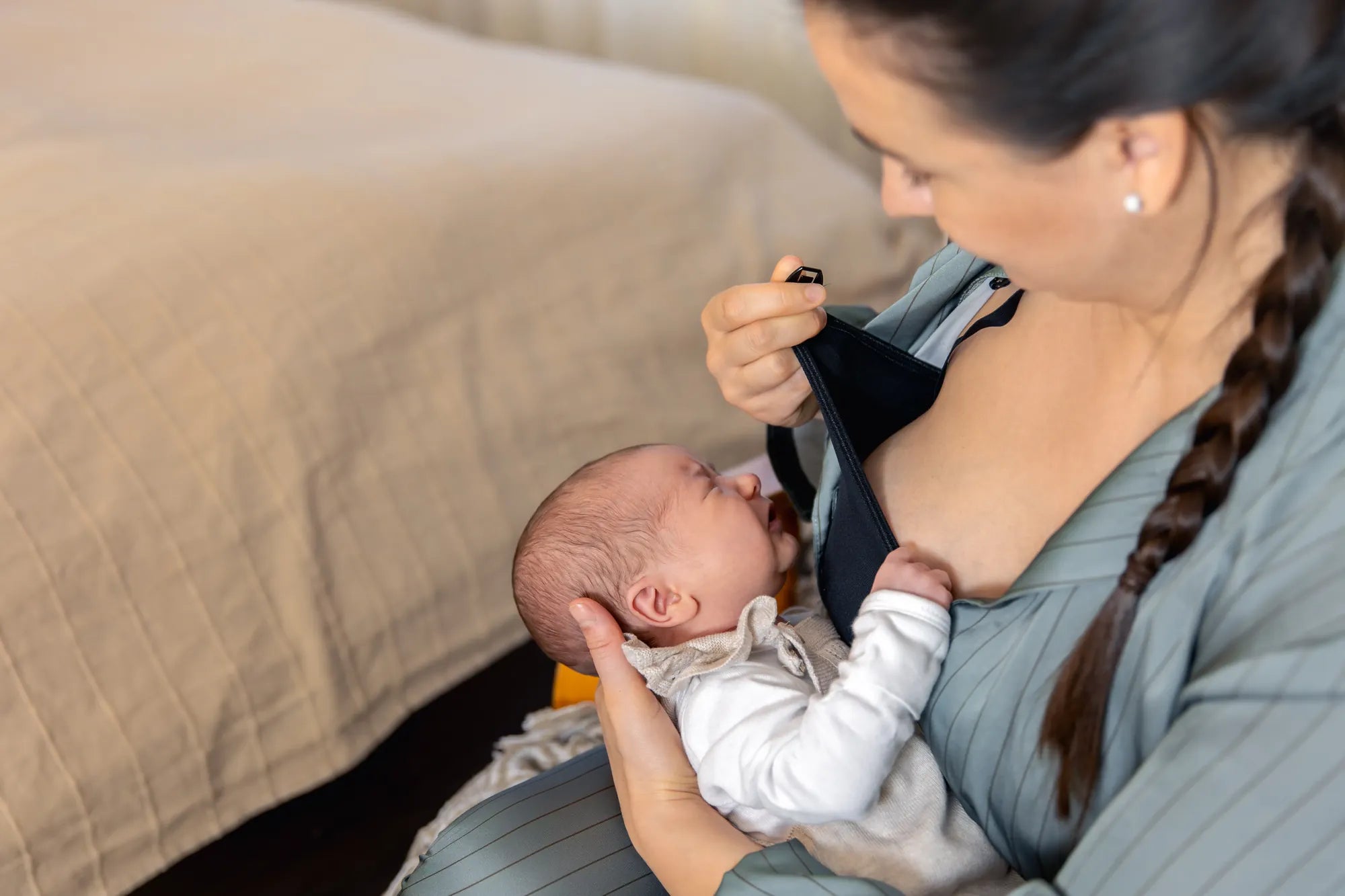
Which Hands Free Breast Pump Is Best for Modern Moms? The Ultimate Guide
Embracing Freedom and Flexibility in Your Breastfeeding Journey
Modern motherhood demands solutions that keep pace with active, multifaceted lives. The quest for the best hands free breast pump for modern moms stems from a fundamental need: to nourish your baby without being anchored to a wall outlet or sacrificing precious moments of productivity, rest, or time with older children. This technology represents more than convenience; it's about reclaiming autonomy during a period that can often feel restrictive.
Gone are the days when pumping meant a 20-minute session of complete immobility. Today's innovative pumps are designed for integration, not interruption. They allow you to prepare dinner, answer emails, commute, or soothe a fussy toddler while expressing milk. This guide will navigate the crowded market, moving beyond marketing claims to focus on the performance, comfort, and practical features that truly matter for your daily reality.
We will dissect what "hands-free" truly means, evaluate key criteria from suction strength to noise levels, and compare different pump styles. Our goal is to empower you with the knowledge to select a pump that aligns with your body's needs and your lifestyle's demands. The best hands free breast pump is the one that you'll use consistently and comfortably, supporting both your milk supply and your well-being.
What Makes a Hands-Free Breast Pump "The Best"? Key Features to Prioritize
Identifying the top performer requires looking at a combination of technical specifications and user experience. The core function—effectively removing milk—is paramount, but how it achieves that goal defines its place in a modern mom's life. A pump must be genuinely hands-free, typically via an in-bra or wearable cup design, allowing full use of your arms and mobility.
Suction effectiveness is measured by its ability to mimic a baby's natural nursing pattern. Look for pumps with distinct stimulation (let-down) and expression modes, with multiple adjustable suction levels. Hospital-grade pumps often offer 280-300 mmHg of maximum suction, but effective milk removal depends on a comfortable, rhythmic pattern, not just maximum power. A 2022 study in the Journal of Human Lactation noted that personalized settings significantly improve milk output and comfort.
Portability hinges on battery life and weight. A reliable pump should offer at least 2-3 full pumping sessions (60-90 minutes total) on a single charge. Noise level is critical for discretion; the best models operate below 45 decibels, quieter than a standard conversation. Finally, ease of cleaning—with fewer parts and dishwasher-safe components—directly impacts long-term usability. The "best" pump balances these features based on your individual priorities.
Comfort & Customization: Why One-Size Doesn't Fit All
Comfort is non-negotiable for a task performed multiple times daily. It begins with the flange, the tunnel that fits over your nipple. Many pumps now include multiple flange sizes or offer them separately, as a proper fit—where the nipple moves freely without rubbing and minimal areola is pulled in—is crucial for efficiency and preventing pain. Materials matter; BPA-free, food-grade silicone is the standard for safety and softness.
Customization through settings is equally vital. A pump with only one or two modes cannot adapt to your body's unique let-down reflex and flow. Advanced pumps offer 4-9 expression modes and 5-12 suction levels. This range allows you to find the perfect rhythm that triggers multiple let-downs, which is key to fully draining the breast and signaling your body to produce more milk. Discomfort during pumping is a major barrier to consistent use, making customizable settings a top-tier feature.
Discreet & Quiet: Pumping On Your Own Terms
Discretion empowers moms to pump in more environments, reducing stress and logistical hurdles. Quiet operation (often described as "whisper-quiet") is the primary component. A pump that hums at 40 dB allows you to pump during a work video call, in a shared office, or next to a sleeping baby without causing a disturbance. This acoustic design is a mark of advanced motor technology.
Discretion also relates to design. Wearable pumps that fit entirely inside your bra, with low-profile motors, eliminate visible tubes and external bottles. This design allows you to wear loose-fitting clothing without obvious bulges, enabling you to move through your day—whether at the grocery store or playing with your child—with confidence. Mental comfort is as important as physical comfort in sustaining a long-term pumping routine.
Comparing Pump Styles: Wearable vs. Portable – What’s the Difference?
This distinction is crucial for setting expectations. A wearable breast pump is an all-in-one system where the motor and milk collection vessel are integrated into a single cup that fits inside your nursing bra. There are no external tubes or bottles hanging from your chest. Milk is collected directly into the sealed, spill-resistant cups, which are then used with bottle nipples or poured into storage bags.
A portable breast pump refers to a small, lightweight, battery-powered motor unit (like the MomMed Swing). It connects via tubes to traditional flanges and bottles that are held outside the bra. While you can move around, you are not truly hands-free unless you use a separate hands-free pumping bra to hold the bottles. It offers more power and capacity but less discretion and mobility than a wearable.
The choice hinges on your primary need. Wearables excel in ultimate freedom and discretion for on-the-go use. Portables often provide stronger, more hospital-grade suction and larger milk capacity, ideal for primary pumping sessions at home or work. Many moms find value in owning both: a wearable for outings and a portable for first-thing-in-the-morning sessions.
| Feature | Wearable Pump (e.g., MomMed S21) | Portable Pump (e.g., MomMed Swing) |
|---|---|---|
| Design | All-in-bra cups, no external bottles | Small motor + external bottles/flanges |
| Hands-Free Use | Truly hands-free with any bra | Requires a hands-free pumping bra |
| Discretion | High – virtually undetectable under clothes | Low – bottles and tubes are visible |
| Milk Capacity per Cup | Typically 180ml-240ml (6-8 oz) | Typically 150ml-280ml (5-9+ oz) per bottle |
| Suction Power | Moderate to High (varies by model) | Often High, closer to hospital-grade |
| Ideal For | Multitasking, public outings, work | Primary pumping sessions, building/maintaining supply |
Spotlight on Innovation: What to Look for in a Top-Tier Wearable Pump
The latest generation of wearable pumps has closed the gap on performance that once favored traditional models. The benchmark for a top-tier pump now includes hospital-grade suction capability in a compact, silent package. Look for models that advertise a suction pattern proven to stimulate multiple let-downs, which is essential for fully emptying the breast and protecting your supply.
Leak-proof construction is non-negotiable. The best pumps feature sealed, spill-resistant cups with secure diaphragms or valves that prevent milk from backing into the motor, even when leaning over. App connectivity, while not essential, is a valuable innovation for tracking pumping history, session duration, and preferred settings, helping you monitor your output and maintain a schedule.
Comfort in extended wear is defined by weight distribution and materials. Pumps should be evenly balanced and not overly heavy (typically under 300g per cup). The exterior should be smooth to prevent chafing against your skin. Finally, a reliable battery that delivers on its promised runtime is critical; the inconvenience of a pump dying mid-session can significantly disrupt your routine and stress levels.
The Award-Winning Standard: Breaking Down the MomMed S21
As a benchmark in the category, the MomMed S21 Double Wearable Breast Pump synthesizes these innovative features. It has been recognized with four industry awards for its design and performance, offering external validation of its quality. The pump operates at a library-quiet 40 dB, making it ideal for discreet use anywhere.
Its core strength lies in customization, featuring 9 suction levels and 4 expression modes, allowing moms to fine-tune their experience for maximum comfort and output. The closed-system, BPA-free, food-grade silicone construction ensures baby's safety and simplifies cleaning. The S21 represents MomMed's commitment to providing modern moms with reliable, comfortable technology that fits seamlessly into dynamic lives, embodying the principles of what makes a hands free breast pump effective and empowering.
Your Lifestyle, Your Pump: Matching the Best Pump to Your Daily Routine
The Office-Going Professional: Your priorities are discretion, quiet operation, and reliability. A wearable pump like the MomMed S21 is ideal. You can pump during meetings or at your desk without leaving your workspace. Ensure it has a long battery life to last through a workday and a charging case for top-ups. A portable pump like the Swing stored in your desk drawer is a powerful backup for longer sessions.
The Parent of Multiples or an Oversupply: Your primary need is high capacity and powerful, efficient suction to manage greater milk volume and protect against clogs. A portable, hospital-strength pump is often the best primary workhorse. You can pair it with a wearable for times when you need to manage other children hands-free, but prioritize a pump with a proven track record for strong output.
The On-the-Go Errand Runner: Your life involves school drop-offs, grocery runs, and appointments. A comfortable, secure, and truly discreet wearable pump is essential. Look for a model with excellent leak-proof guarantees and a design that stays securely in place during movement. The ability to pump in the car (with a car adapter) or while walking is a game-changer.
The Mom Seeking to Exclusively Pump (EP): Durability, power, and comfort for high-frequency use are critical. While a wearable can provide welcome breaks, your primary pump should be a robust portable or even a plug-in hospital-grade rental. Double-pumping capability is non-negotiable to save time. Focus on pumps with excellent customer support and readily available replacement parts.
Beyond the Pump: Essential Tips for a Successful Hands-Free Pumping Experience
Your pump is a tool, and its success depends on how you use it. Start with a proper flange fit—this is the most common cause of low output and pain. Your lactation consultant can help measure you, as nipple size can change postpartum. Use lubrication (like coconut oil or purpose-made cream) on the flange to reduce friction.
Maintain your supply by mimicking a baby's natural pattern: use the stimulation mode for 2-3 minutes until let-down, then switch to expression mode. Massage your breasts before and during pumping ("hands-on pumping") to increase yield by up to 48%, according to Stanford research. Create a relaxing ritual: look at photos of your baby, listen to calming music, or sip a warm beverage to trigger oxytocin.
Pump part care is vital for performance and hygiene. Wash parts in warm, soapy water after each use and sterilize regularly according to manufacturer guidelines. Check valves and membranes weekly for wear, as small tears can drastically reduce suction. Have a backup set of parts to avoid disruption. Finally, invest in a high-quality, supportive nursing bra that also functions as a hands-free bra for your specific pump model.
Frequently Asked Questions About Hands-Free Breast Pumps
Q: Are wearable hands-free pumps as effective as traditional plug-in pumps for establishing and maintaining milk supply?
A: For most women, yes, especially with modern, high-quality models. However, if you have specific supply challenges, are exclusively pumping from birth, or have a preemie, many lactation consultants recommend starting with a hospital-grade rental or strong portable pump to establish supply in the first 4-6 weeks. Once supply is regulated, a wearable can be an excellent primary or secondary pump.
Q: How do I properly clean and maintain my wearable pump?
A: Always refer to your manual. Generally, after each session, disassemble all parts that touch milk (cups, valves, diaphragms, flanges). Rinse in cool water, then wash with mild soap and warm water. Use a small brush for crevices. Air-dry on a clean rack. Sanitize daily via steam bag, boiling, or according to instructions. Never submerge the motor unit. Regularly inspect silicone parts for stiffness or tears.
Q: Can I use a hands-free pump as my only pump?
A: Many moms do, especially if their wearable pump has strong, customizable suction. It is entirely possible if the pump effectively drains your breasts and you are consistent with your schedule. It's wise to have a backup manual pump or know your pump's warranty/service options in case of technical issues.
Q: How long does the battery typically last, and can I pump while charging?
A: Battery life varies. Top models offer 2-3 hours of total runtime (multiple sessions) on a single charge. Many pumps, including the MomMed S21, support "pass-through charging," meaning you can use them while plugged in, which is crucial if the battery runs low mid-session. Always check this feature if reliability is a top concern.
Q: Is it comfortable and safe to walk around, bend over, or do light chores while using a wearable pump?
A: With a well-designed, leak-proof pump, yes. The best models are engineered for mobility. However, avoid high-impact activities like running or jumping, as this can cause discomfort and potentially affect the pump's seal. Light walking, standing, and bending should be fine. Always ensure the cups are securely positioned in a supportive bra first.
Empowering Your Choice with Confidence and Support
Selecting the best hands free breast pump is a deeply personal decision that balances physiological needs with the practical realities of your life. There is no single "best" pump for everyone, but there is a best pump for you—one that you will use comfortably and consistently, making your breastfeeding or pumping journey more sustainable and less stressful. By prioritizing features like effective suction, true comfort, and discreet operation, you invest in a tool that supports both your baby's nutrition and your own well-being.
Remember that your needs may evolve. The pump that works during early maternity leave might differ from the one you need upon returning to work. Brands like MomMed are committed to this journey, offering a range of solutions from the award-winning S21 wearable to the powerful Swing portable pump, all designed with the safety, comfort, and innovation that modern moms deserve. Trust your research, listen to your body, and choose the technology that grants you the freedom to mother on your own terms.
Ready to find the perfect pump for your lifestyle? Shop the MomMed collection at mommed.com for all your breastfeeding and pregnancy needs, and discover the innovation and support trusted by thousands of moms.