


Accueil
Pregnancy, Breastfeeding, and Pumping: The Ultimate Guide for Moms
When Should I Start to Pump Breast Milk: A Comprehensive Guide for New Moms
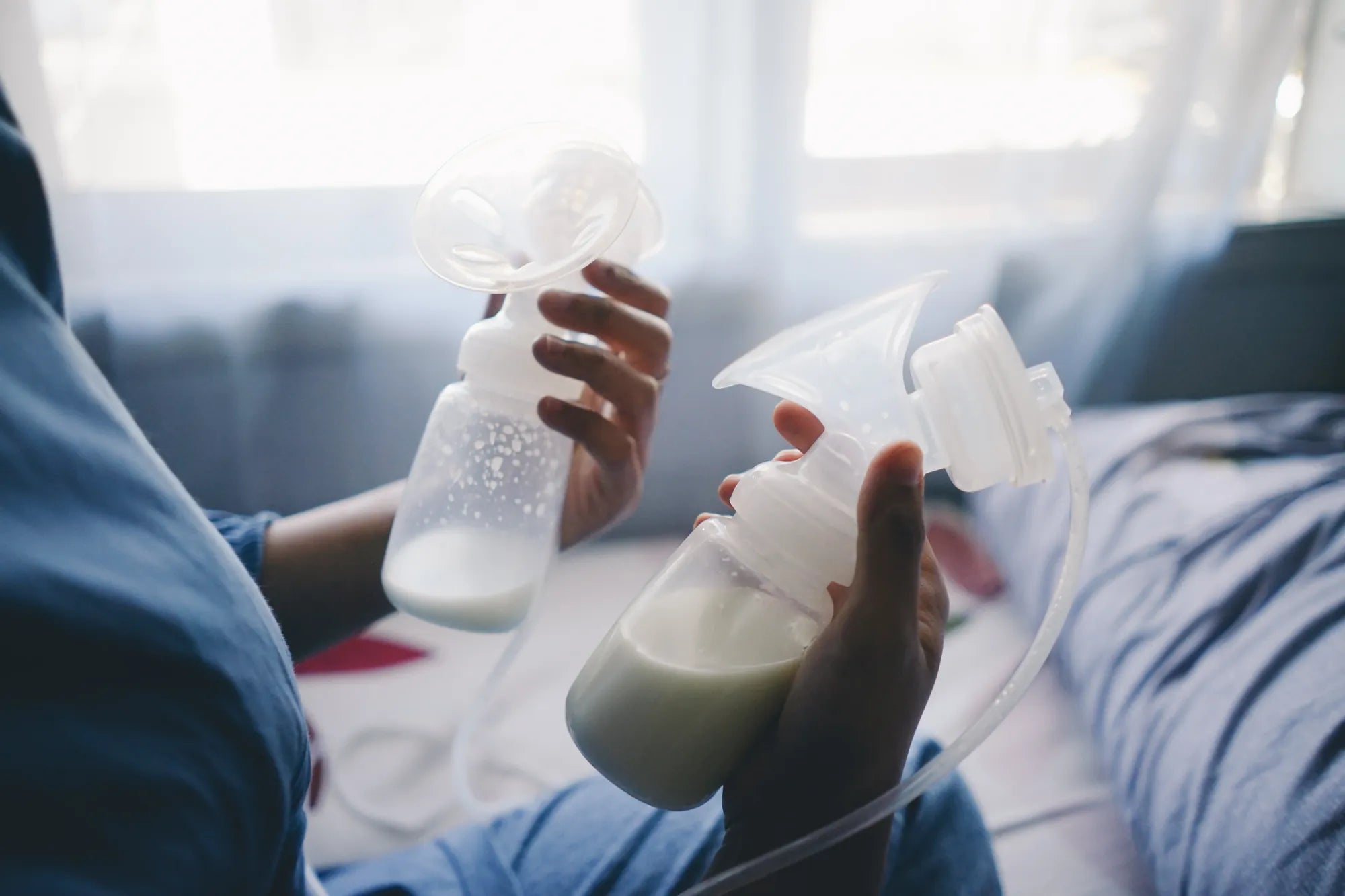
When Should I Start to Pump Breast Milk: A Comprehensive Guide for New Moms
Navigating the Start of Your Pumping Journey
Deciding when to start pumping breast milk is one of the most common and pressing questions for new and expectant mothers. The answer is rarely a simple date on the calendar. Instead, the ideal timing is a personalized equation that balances your body's physiology, your baby's needs, and your unique life circumstances.
This comprehensive guide will walk you through the critical factors, from medical recommendations to logistical planning. You will learn how to align your pumping start time with goals like returning to work, increasing milk supply, or simply gaining flexibility. We'll provide clear timelines and actionable steps, supported by lactation principles.
Remember, tools matter as much as timing. A comfortable, efficient pump can make this journey significantly smoother. As a trusted maternal care brand, MomMed specializes in creating reliable, innovative products like wearable breast pumps and feeding accessories designed to support moms at every stage.
Understanding Your "Why": Key Reasons to Start Pumping
Your primary motivation for pumping is the single biggest factor in determining when you should begin. Identifying your "why" provides the framework for a successful strategy.
Common goals include creating a milk stash for parental separation, addressing supply concerns, involving a partner in feedings, or managing physical discomfort. Each objective comes with its own recommended window and best practices.
Building a Stash for Returning to Work or School
If you plan to return to work or school, a strategic, early start is wise but should be gradual. The goal is to build a freezer supply without creating an overwhelming oversupply or causing undue stress.
Most lactation consultants recommend beginning to build a stash about 3-4 weeks before your planned return date. This allows you to add just a small amount extra each day—perhaps by pumping once after your first morning feed when milk production is typically highest.
Starting this process around 4-6 weeks postpartum, once breastfeeding is well-established, is a common and effective approach. This method ensures your baby's immediate needs are always met first while slowly accumulating a backup supply.
Supporting Milk Supply: For Low Supply or Supplementing
For mothers needing to establish or increase milk supply due to medical reasons, pumping often begins much sooner, sometimes immediately after birth. This is a clinical scenario where timing is critical and guided by a healthcare provider.
For babies in the NICU, mothers with conditions like PCOS or insufficient glandular tissue, or those supplementing with formula, pumping may be initiated within the first 1-6 hours after delivery. The early and frequent removal of milk signals the body to ramp up production.
Protocols like "power pumping" (simulating cluster feeding) are often employed in these cases. This is always done under the guidance of an International Board Certified Lactation Consultant (IBCLC) or doctor to ensure both effectiveness and the mother's well-being.
Providing Feeding Flexibility for You and Your Partner
Many parents wish to share feeding duties or allow the breastfeeding parent an occasional longer stretch of sleep. Introducing a bottle for this purpose requires careful timing to protect the breastfeeding relationship.
The general recommendation is to wait until breastfeeding is firmly established, typically around 3-6 weeks postpartum, before offering an occasional bottle. This helps avoid "nipple confusion" or a flow preference that can interfere with a good latch.
Starting a single daily pumping session at this stage can provide milk for that one bottle. Using a pump with a gentle, natural rhythm, like the MomMed S21 Wearable Pump, can make this introductory pumping comfortable and efficient.
Relieving Engorgement or Managing Oversupply
In the first week postpartum, as mature milk comes in, painful engorgement is common. Pumping can be a tool for comfort, but it must be used judiciously to avoid worsening the issue.
The key is to pump only for relief, not for complete emptying. Short sessions of 5-10 minutes, or using the pump's gentle massage mode, can soften the breast enough for baby to latch more easily or simply ease discomfort.
Hand expression is often recommended first for this scenario. If using a pump, a setting that mimics a baby's initial rapid, shallow sucks is ideal. The goal is comfort, not building a stash, to prevent signaling your body to produce even more milk than your baby needs.
The Pumping Timeline: From Birth Through the First Year
This stage-by-stage guide outlines common scenarios and evidence-based recommendations for when to start pumping from the delivery room through your baby's first year and beyond.
The First Hours and Days: The Golden Hour and Colostrum Collection
The first priority after birth is direct skin-to-skin contact and breastfeeding, which optimally occurs within the "golden hour." This critical period helps regulate the baby and stimulates the mother's milk production hormones.
Pumping in the first 24-48 hours is typically reserved for specific situations. These include maternal or infant separation (e.g., NICU admission), difficulty with latching, or medical indications like gestational diabetes where colostrum may have been collected prenatally.
If pumping is necessary during this time, hand expression or a hospital-grade pump with a colostrum collection kit is used. The yield will be tiny, measured in milliliters or even drops, which is completely normal and highly valuable for the newborn.
Weeks 1-6: Establishing Your Primary Milk Supply
This period is governed by the principle of supply and demand. Frequent, effective removal of milk—ideally by the baby—sets your long-term milk production capacity. Introducing unnecessary pumping can disrupt this delicate calibration.
For most mothers without specific medical or separation needs, it is generally advised to avoid routine pumping during the first 2-4 weeks. Focus on mastering latching, feeding on demand, and allowing your supply to regulate naturally based on your baby's cues.
Exceptions exist, such as if you need to be away from your baby for a few hours or if a lactation consultant recommends pumping to correct a latch issue or supplement weight gain. In these cases, pumping should be done in addition to, not instead of, feeding sessions.
Weeks 6-12: Introducing a Pump and Building a Routine
By 6 weeks postpartum, breastfeeding is usually well-established, and your milk supply has begun to regulate based on your baby's needs. This is an ideal and common window for mothers to start incorporating a pump for flexibility.
Your body is more predictable now, making it easier to add a pumping session without causing major supply fluctuations. Many mothers find success by pumping once a day, about 30-60 minutes after the first morning feed, when prolactin levels are high and milk volume is often abundant.
This is an excellent time to practice with your pump, learn its settings, and start building a modest freezer stash. A comfortable, wearable pump like the MomMed S21 allows you to do this hands-free, integrating seamlessly into your new morning routine.
Preparing to Return to Work: A Strategic Countdown
A structured plan reduces the stress of transitioning back to employment. Here is a practical week-by-week guide starting one month before your return date.
| Weeks Before Return | Key Actions | Pumping Goal |
|---|---|---|
| 3-4 Weeks Before | Introduce baby to a bottle with 1 oz of breast milk. Practice using your pump. | Familiarization. Collect 1-2 oz per session. |
| 2 Weeks Before | Establish a daily pumping time (e.g., after AM feed). Have partner give one bottle daily. | Build a small stash. Aim for enough for 1 feed per day in freezer. |
| 1 Week Before | Simulate your workday pump schedule. Test storing and transporting milk. | Ensure you can pump enough for baby's next-day feeds. |
| First Week Back | Pump every 2-3 hours at work to match baby's feeding pattern. | Maintain supply and provide for next day. |
This gradual approach ensures you have a buffer of milk without depleting the milk your baby needs for immediate feeds. It also gives your baby time to adapt to taking a bottle from another caregiver.
Choosing Your Partner: The MomMed Wearable Pump Advantage
The right breast pump is not just a tool; it's a partner in your feeding journey. Its comfort, efficiency, and convenience can directly influence when and how consistently you pump, impacting your overall success.
MomMed designs pumps with the real-life challenges of motherhood in mind. Our focus on discreet, wearable technology, combined with hospital-grade performance, provides the freedom and efficacy mothers need to stick with their pumping plans, whether they start early or late.
Comfort and Discretion: Pumping Without Pause
One of the biggest barriers to starting and maintaining a pumping routine is the feeling of being tethered and isolated. Traditional pumps can make early-morning or late-night sessions feel like a chore.
MomMed's wearable pumps, like the award-winning S21 model, are designed to liberate mothers. Their cordless, quiet design allows you to pump while preparing breakfast, working on a laptop, or soothing your baby. This discretion and mobility make it psychologically easier to incorporate that first daily pumping session, regardless of when you choose to start.
Efficiency Meets Gentleness: Tailored for Every Stage
Your pumping needs evolve. In the early weeks, you may need a gentle, stimulating mode to mimic a newborn's suckle. Later, you may require efficient expression to quickly empty the breast during a work break.
The MomMed S21 pump features multiple modes (Massage & Expression) and 9 adjustable suction levels. This versatility makes it a single solution for the entire journey—from those first tentative colostrum collections to maintaining a robust supply for a toddler. The balanced suction is effective yet comfortable, protecting delicate breast tissue, which is crucial for frequent use.
Safety and Simplicity from the First Use
When introducing any new element to your baby's feeding routine, safety is paramount. All MomMed breast pumps and accessories are constructed from BPA-free, food-grade silicone and materials, ensuring nothing harmful comes into contact with your milk.
Furthermore, the pump parts are designed for easy disassembly and cleaning. Simple, hygienic maintenance is a non-negotiable aspect of safe pumping, especially when you are storing milk for future use. Starting with a pump that prioritizes safety gives you one less thing to worry about as you navigate timing and technique.
Common Questions and Concerns: Your Pumping FAQs
Addressing common worries head-on can provide the confidence needed to begin. Here are evidence-based answers to the most frequent questions.
Will Pumping Too Early Cause Oversupply?
It can, if not done strategically. Your body reads pumping as a feeding session. Adding extra, full emptying sessions on top of your baby's normal feeds in the early weeks can signal a need for more milk, leading to oversupply and engorgement.
To avoid this: If you must pump early for medical reasons, follow your IBCLC's plan precisely. If you are pumping for comfort, limit sessions to 5-10 minutes of gentle expression. If building a stash later on, pump only until comfortable or after a feed, not until completely empty.
How Much Milk Should I Expect When I First Start?
It is vital to set realistic expectations to prevent discouragement. In the first few days, you will collect colostrum—often only teaspoons or milliliters per session. This is normal and nutrient-dense.
As your milk "comes in" (around days 2-5), volume increases. When pumping between feeds in the regulated phase (after 6 weeks), a typical output might be 0.5 to 2 ounces (15-60 mL) total per session. Output varies widely based on time of day, hydration, and timing relative to the last feed. Consistency matters more than any single session's volume.
Can I Pump If I'm Exclusively Breastfeeding?
Absolutely. Many exclusively breastfeeding mothers pump for specific goals without introducing regular bottle feeds. The key is to add pumping sessions thoughtfully to avoid creating an oversupply.
The best practice is to pump once a day, at a consistent time, usually after the first morning feed when milk is most plentiful. This minimally disrupts the direct breastfeeding relationship while allowing you to slowly accumulate milk for a future date or an occasional bottle.
What If My Baby Won't Take a Bottle When I Start?
This is a common hurdle. Persistence and patience are key. Have someone other than the breastfeeding parent offer the bottle when the baby is calm but not desperately hungry. Try different bottle nipples with a slow flow.
You can also try offering small amounts (0.5-1 oz) in the bottle more frequently. Do not force it. If the baby refuses, try again later or the next day. Consistency in offering, without stress, usually leads to acceptance.
How Do I Know If My Flange Fit Is Correct?
An incorrect flange (breast shield) size is a leading cause of low output and pain. Your nipple should move freely in the tunnel without rubbing the sides. Only a small amount of areola should be drawn in during pumping.
Most pumps come with standard 24mm or 28mm flanges, but many women need a different size. Measure your nipple diameter (not areola) and add 0-4 mm to find your ideal flange size. MomMed pumps come with multiple flange size options to help you achieve a comfortable, efficient fit from your very first session.
Conclusion: Your Journey, Your Timeline
The decision of when to start pumping breast milk is deeply personal, woven from the threads of your health, your baby's needs, and your family's lifestyle. There is no universal right answer, only the right answer for you. Whether you begin in the first hours due to medical necessity, at six weeks to build a stash, or at three months to prepare for work, your timing is valid.
Arm yourself with knowledge, consult with lactation professionals when needed, and choose equipment that empowers rather than hinders you. A high-quality, comfortable pump is an investment in your feeding journey's sustainability and your own well-being.
Trust your instincts, be patient with the process, and remember that every drop of milk you provide is an act of love. However your journey unfolds, you are navigating it with care and intention. For tools designed to support that journey with comfort, discretion, and reliability, explore the MomMed collection. Shop the MomMed collection at mommed.com for all your breastfeeding and pregnancy needs, from our award-winning S21 Wearable Pump to essential feeding and baby care gear.