


Accueil
Pregnancy, Breastfeeding, and Pumping: The Ultimate Guide for Moms
When Pumping Breast Milk How Long Should I Pump: A Comprehensive Guide
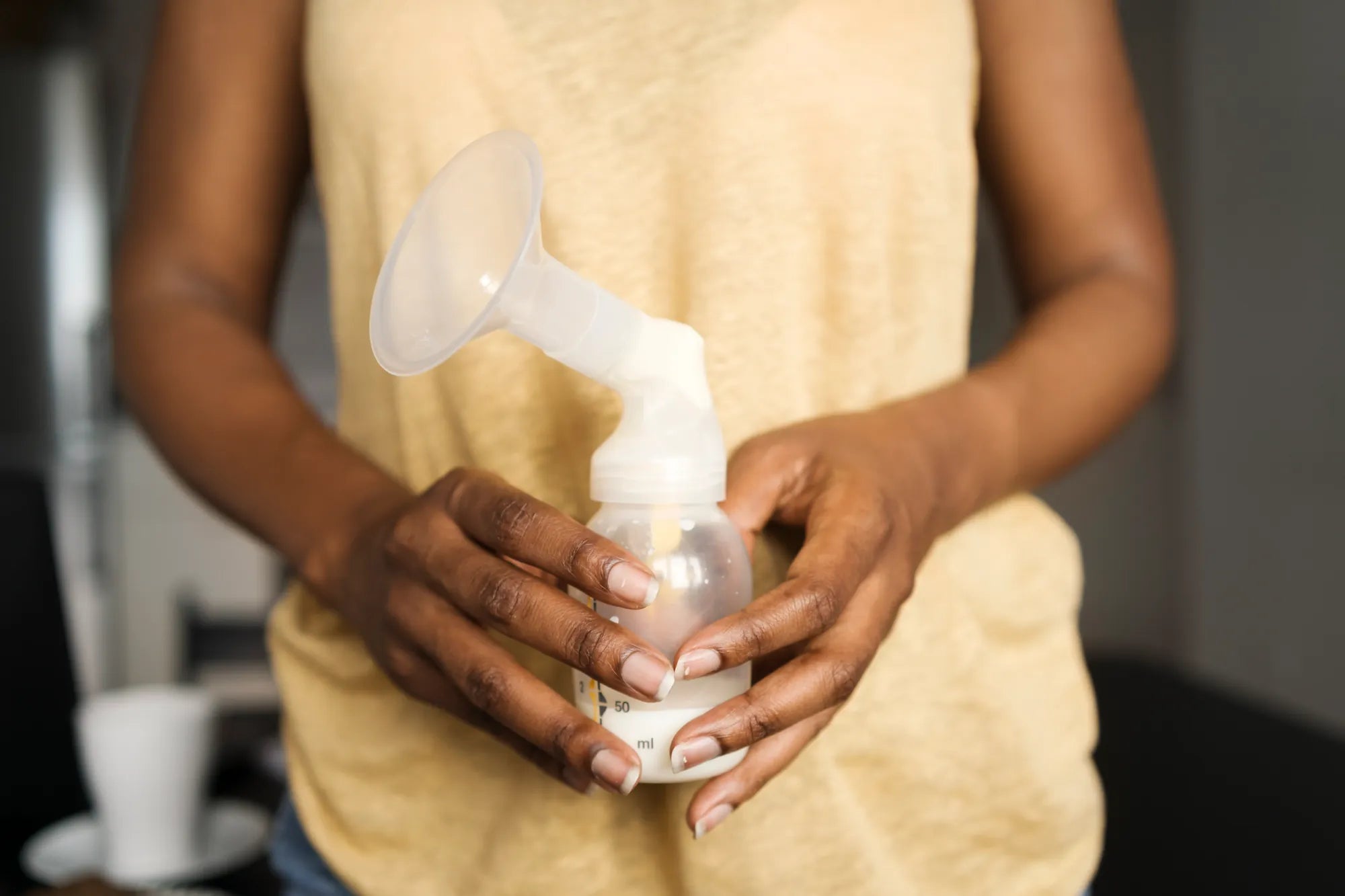
When Pumping Breast Milk How Long Should I Pump: A Comprehensive Guide
Introduction: Unpacking the Timing of Pumping
The question, 'When pumping breast milk how long should I pump?' is one of the most common and crucial queries for breastfeeding mothers. The answer isn't a simple number, as the ideal duration is a personalized equation balancing physiology, routine, and equipment. This guide will provide a comprehensive, evidence-based framework to help you determine your optimal pumping session length, ensuring you support your milk supply effectively while prioritizing your comfort and well-being.
Pumping is more than just a mechanical task; it's a dialogue with your body. The right duration helps signal your breasts to produce the right amount of milk, prevents common issues like engorgement or clogged ducts, and fits sustainably into your life. Whether you're returning to work, exclusively pumping, or building a freezer stash, understanding the 'why' behind the timing is your first step to confidence.
As a trusted maternal and baby care brand, MomMed specializes in creating reliable, comfortable, and innovative products like wearable breast pumps and perfectly fitted flanges. Our goal is to empower you with knowledge and tools, so you can find a pumping rhythm that works uniquely for you and your baby.
Why Pumping Duration Matters: The Physiology of Milk Removal
Pumping duration directly influences your milk supply through a feedback mechanism known as 'supply and demand.' Your breasts are not storage tanks but production facilities; the more frequently and thoroughly they are emptied, the more milk they are signaled to make. A session that is too short may not fully remove milk, leading to a gradual decrease in production. Conversely, excessively long sessions can cause nipple trauma without increasing yield.
The key physiological event is the let-down reflex, triggered by the hormone oxytocin. Most mothers experience multiple let-downs in a single feeding or pumping session. Effective pumping often continues for 1-2 minutes after milk stops flowing to encourage a second let-down, which is critical for full breast emptying and robust supply maintenance.
Furthermore, proper duration helps avoid physical complications. Incomplete emptying can lead to painful engorgement, blocked milk ducts, and increase the risk of mastitis, a breast infection. Thus, finding your effective pumping window is a cornerstone of both successful feeding and maternal health.
Key Factors That Determine Your Ideal Pumping Session Length
Your perfect pumping time is influenced by several personal variables. Consider these factors as you tailor the general guidelines to your situation.
Your Milk Supply Stage and Goals
Your objectives dictate your strategy. In the early postpartum period (first 4-6 weeks), the goal is to establish supply. This often means pumping 15-20 minutes every 2-3 hours, even if little milk is produced, to stimulate prolactin receptors. For maintaining supply with a full-term baby, sessions typically aim for full emptying, usually within 15-25 minutes. If you are trying to increase supply, techniques like 'power pumping' (simulating cluster feeding) may be used, which involve specific intervals over an hour.
Mothers who are exclusively pumping (EP) need to mimic a baby's feeding frequency closely, often 8-12 times per 24 hours, with sessions long enough to achieve full drainage. During weaning, duration and frequency are gradually reduced to signal the body to slow production comfortably.
Your Baby's Age and Feeding Patterns
A newborn's tiny stomach requires frequent, smaller feedings. This translates to shorter, more frequent pumping sessions—about 15-20 minutes every 2-3 hours—to build and match supply. As your baby grows and consumes more per feeding, sessions may become slightly longer but less frequent, perhaps every 3-4 hours. The principle is to let your baby's natural rhythm guide your pump schedule as much as possible.
Your Body's Unique Let-Down Response
Every woman's let-down pattern is different. Some experience a quick, strong let-down within a minute or two, while others may take 3-5 minutes of stimulation. Learning to recognize your own signs (tingling, sudden milk flow, uterine cramps) is vital. The most efficient pumping occurs during let-downs. Therefore, your session should be long enough to accommodate at least two let-downs for optimal emptying.
The Pump You're Using: Efficiency is Key
Not all breast pumps are created equal. A pump's motor strength, cycle patterns, and, most importantly, flange fit dramatically impact how quickly and completely milk is removed. A poorly fitted flange or a weak motor can require longer sessions for less output. High-quality, hospital-grade pumps with adjustable settings and a range of flange sizes, like the MomMed S21 Wearable Breast Pump, are engineered for efficient milk removal. The right fit and settings can lead to effective emptying in a standard timeframe, whereas an ill-suited pump may leave you pumping longer with unsatisfactory results.
A Practical Pumping Duration Guide: Timelines and Sample Schedules
Here are actionable guidelines to translate the factors above into a daily routine.
General Guidelines for a Single Pumping Session
A common baseline is 15 to 20 minutes per breast if pumping both sides simultaneously, or 20-30 minutes total for a double pumping session. However, 'clock-watching' is less important than observing milk flow. A good rule is to pump for 2 minutes after the last drops of milk are seen or after milk stops flowing in streams. This extra time helps stimulate another let-down and ensures more complete emptying.
Sample Pumping Schedules by Scenario
The following table outlines typical schedules based on common situations:
| Scenario | Recommended Frequency | Session Duration Guide | Primary Goal |
|---|---|---|---|
| Establishing Supply (0-6 weeks) | 8-12 times per 24 hours | 15-20 minutes, even if yield is low | Stimulate prolactin receptors |
| Maintaining Supply (baby 3-6 mos) | Every 3-4 hours during day, 1x at night | 15-25 minutes, until flow slows | Full breast emptying |
| Exclusively Pumping (EP) | 8-10 times per 24 hours (mimics baby) | 20-30 minutes per session | Complete drainage to maintain supply |
| Back to Work / Away from Baby | Every 3 hours during separation | 15-20 minutes per session | Maintain supply and create stash |
| Occasional Pumping (for date night) | Replace a missed feeding | Pump until flow significantly slows | Relieve engorgement, small stash |
Signs You're Pumping Long Enough (or Too Long)
Signs of an effective, sufficient session: Your breasts feel noticeably softer and lighter; milk flow has changed from a spray to occasional drops; you feel a sense of relief; you've likely experienced 1-2 let-downs. Warning signs of over-pumping: Nipple soreness, blanching, or cracking; significant pain during pumping; excessive fatigue from the routine; no increase in output after the first 15 minutes. Signs of under-pumping: Breasts still feel firm or lumpy after pumping; a noticeable dip in supply over days; frequent clogged ducts.
Maximizing Efficiency: Tips to Get More Milk in Less Time
Optimizing your technique can make your sessions more productive and comfortable, potentially reducing the time needed for full emptying.
Create a Relaxing, Consistent Routine
Stress inhibits oxytocin, the let-down hormone. Develop a pre-pump ritual: look at photos or videos of your baby, listen to calming music, use a warm compress on your breasts for a few minutes, or practice deep breathing. Consistency signals your body that it's time to release milk, potentially speeding up your first let-down.
Use Hands-On Pumping Techniques
Combine pumping with gentle breast massage and compression. Before pumping, massage from the chest wall toward the nipple. During pumping, use your hands to compress and gently knead different areas of the breast, especially if you see milk flow slowing. This hands-on approach can significantly increase milk yield and help empty the breast more thoroughly, often shortening the time needed.
Ensure Optimal Pump Fit and Settings
This is paramount. A flange that is too large or too small can hinder milk flow and cause pain. Your nipple should move freely in the tunnel without rubbing, and only a small amount of areola should be pulled in. MomMed pumps come with multiple flange sizes and feature adjustable suction modes (stimulation and expression) with multiple levels. Start with a gentle stimulation mode to trigger let-down, then switch to a comfortable yet effective expression mode. Finding your body's preferred setting is key to efficient sessions.
The Advantage of Hands-Free, Wearable Pumping
Wearable pumps, like the award-winning MomMed S21 Double Wearable Pump, offer a unique efficiency: time management. By freeing your hands and allowing discreet mobility, you can pump while preparing a meal, working, or caring for an older child. This reduces the psychological burden of 'pumping time,' makes sessions more sustainable, and can help you relax—all of which can positively impact milk flow. With hospital-grade suction in a compact design, a quality wearable pump does not necessarily take longer to empty you; it simply integrates the process more seamlessly into your life.
Common Questions About Pumping Duration (FAQs)
Q: Should I pump for a full 15 minutes if no milk comes out?
A: First, check your flange fit and pump settings. Ensure you are relaxed to allow let-down. If you're early postpartum, pumping without output is still stimulating supply. If it's a persistent issue, try hand-expressing first to initiate flow or consider 'power pumping.' If concerns continue, consult an International Board Certified Lactation Consultant (IBCLC).
Q: Can I pump for 30 minutes straight to get more milk?
A> Generally, no. Effective emptying usually occurs within 15-25 minutes. Pumping beyond 30 minutes per session significantly increases the risk of nipple damage, edema (swelling), and pain without boosting yield. To increase supply, focus on increasing frequency (adding an extra session) or using the power pumping technique, rather than extending single sessions excessively.
Q: How long should I pump if I'm exclusively pumping?
A> For EP moms, session length (typically 20-30 minutes) should prioritize full emptying over a strict clock. However, maintaining a high frequency (8-10 sessions in 24 hours) is equally, if not more, critical to maintaining a full supply. Your total daily pumping time is a key metric.
Q: Does using a wearable pump mean I need to pump longer?
A> Not necessarily. High-quality wearable pumps with strong, adjustable motors and proper fit—such as the MomMed S21, which uses BPA-free, food-grade silicone—are designed for efficiency. The comfort and discretion they provide may actually improve milk flow by reducing stress. The key, as with any pump, is ensuring correct flange size and using the appropriate settings for your body.
Q: How do I know if I've fully emptied my breasts?
A> They will feel soft and light (not necessarily 'empty' as production is continuous). Milk flow will have slowed to sporadic drops. You may also notice your breasts appear slightly smaller or less full. Over time, you'll learn the sensation that signals a productive session for you.
Conclusion: Tuning Into Your Body's Rhythm
Determining how long to pump is a personal journey of observation and adjustment. Start with the guideline of 15-20 minutes per session, focusing on full emptying rather than the clock, and adjust based on your supply goals, your baby's needs, and your body's signals. The most successful pumping routine is one that is effective, comfortable, and sustainable for you. Trust that with the right knowledge and supportive tools, you can master this aspect of your breastfeeding journey. MomMed is here to support you with innovative, comfortable products designed to make pumping more efficient and integrated into your life. Discover the difference that the right equipment can make.
Shop the MomMed collection at mommed.com for all your breastfeeding and pregnancy needs, from our award-winning wearable breast pumps to perfectly sized flanges and nursing accessories.