


Accueil
Pregnancy, Breastfeeding, and Pumping: The Ultimate Guide for Moms
What Parts of a Breast Pump Need to Be Sterilized: The Complete Guide
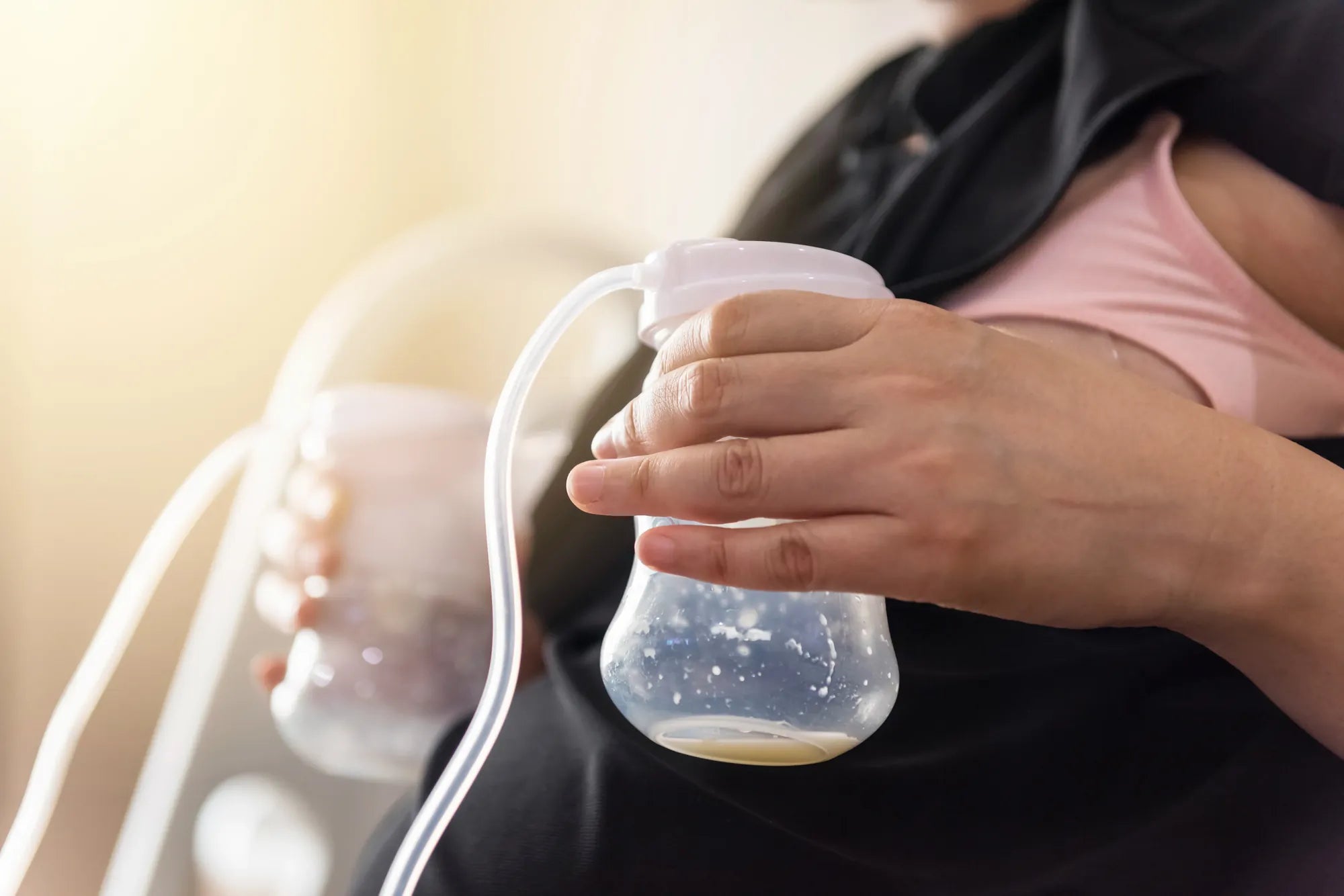
What Parts of a Breast Pump Need to Be Sterilized: The Complete Guide
Introduction to Breast Pump Sterilization
For every pumping parent, ensuring their baby's milk is safe is a top priority. Understanding what parts of a breast pump need to be sterilized is the cornerstone of this safety protocol. While daily washing with hot, soapy water removes milk residue and surface germs, sterilization is the deeper process that eliminates harmful bacteria, viruses, and fungi that can cause illness.
This distinction is crucial for infant health, especially for newborns, preemies, or immunocompromised babies. A proper sterilization routine protects your little one and provides invaluable peace of mind. As a trusted maternal and baby care brand, MomMed designs its BPA-free, food-grade silicone pump parts with both safety and easy cleaning in mind, supporting you in building a confident and hygienic pumping practice.
The Core Parts That Must Be Sterilized: The "Milk Pathway"
The fundamental rule is simple: sterilize every component that comes into contact with breast milk or your breast skin. This is known as the "milk pathway." These parts are non-negotiable for sterilization because milk residue provides an ideal environment for bacterial growth, which can lead to contamination, spoilage, or even infant illness like thrush or gastrointestinal infections.
Missing a single part in this pathway can undermine your entire cleaning effort. Consistency is key. Let's break down each essential component that falls into this critical category. Knowing what parts of a breast pump need to be sterilized starts with this core list.
Flanges (Breast Shields)
Flanges are the funnel-shaped pieces that fit directly over your breast and nipple. The entire interior surface, including the tunnel where milk flows and the rim that contacts your skin, must be thoroughly sterilized. Milk droplets and skin cells can adhere to these surfaces.
A proper flange fit also impacts cleaning effectiveness. A flange that is too large or too small can cause milk to pool in areas that are harder to clean, emphasizing why fit and sterilization go hand-in-hand. For brands like MomMed, the soft, food-grade silicone flanges are designed to be both comfortable and durable through repeated sterilization cycles.
Valves (Duckbill, Membrane, or Flap Valves)
These small but mighty parts are critical for creating the suction that expresses milk and for preventing backflow into the tubing or pump motor. Valves have tiny crevices and flaps where milk can easily become trapped.
Even a microscopic film of milk in a valve can harbor bacteria. Therefore, valves are one of the most important parts of a breast pump that need to be sterilized. Regular inspection for wear, like tears or stretching, is also vital, as a damaged valve cannot be effectively cleaned or sterilized.
Bottles, Collection Cups, and Lids
This includes all containers that hold expressed milk. You must sterilize the entire interior of bottles or collection cups, the threading where the lid attaches, and the sealing surfaces of lids and caps. Milk can splash and dry on threads and seals, creating a biofilm.
For wearable pumps like the MomMed S21, this means fully disassembling the collection cups. Each cup, its inner lid, and the seal must be separated and included in your sterilization routine. Never assume the exterior is clean; if milk has spilled, wipe it down before sterilizing.
Connectors & Backflow Protectors
These are the pieces that connect the flange to the tubing or directly to the bottle. Backflow protectors are specifically designed to block milk from entering the tubing, meaning they are directly in the milk's path.
Any connector, adapter, or piece with a small opening where milk droplets could settle needs to be sterilized. These parts often have complex shapes, so using a small brush during washing prior to sterilization is recommended to ensure no residue is left behind.
Parts That Require Regular Cleaning But Not Always Sterilization
Not every component of your breast pump requires the same level of rigorous sterilization. Understanding this distinction prevents unnecessary wear on parts and simplifies your routine. The general guideline is that parts which do not come into contact with milk typically do not require daily sterilization, but they do need proper hygiene.
This is a common point of confusion for many pumping parents. Clarifying this helps you focus your efforts on the critical milk pathway while maintaining overall pump hygiene. Let's examine the two main components in this category.
Tubing
In a properly functioning closed-system breast pump—like all MomMed pump models—milk should never enter the tubing. The tubing's role is to transfer air and suction from the motor to the flange assembly. Therefore, under normal circumstances, tubing does not need to be sterilized and should never be submerged in water, as this can damage the pump motor.
Tubing only requires sterilization if you see visible moisture, condensation, or, in a malfunction, milk backing up into it. Otherwise, regular care involves disconnecting it from the pump and allowing it to air-dry completely between uses in a clean, dust-free area.
The Pump Motor Unit
This is the most important warning: never submerge, rinse, or sterilize the electronic pump motor unit. Doing so can permanently damage the device, void the warranty, and create an electrical hazard. The motor unit is not part of the milk pathway.
Cleaning involves simply wiping the exterior housing with a damp cloth or disinfectant wipe as needed, ensuring no liquid seeps into vents or ports. Always ensure all other parts are completely dry before reattaching them to the motor to prevent any moisture from being drawn into the device.
Sterilization Methods: A Practical Comparison
Once you know what parts of a breast pump need to be sterilized, the next step is choosing an effective method. The CDC recommends sterilizing pump parts at least once daily for extra protection, especially for infants under 3 months old. Here is a comparison of the most common, safe methods to help you decide based on convenience, resources, and lifestyle.
| Method | How It Works | Pros | Cons | Best For |
|---|---|---|---|---|
| Boiling | Disassemble parts, submerge in a pot of rolling water, boil for 5-10 mins. | Very effective, low cost, uses common kitchen tools. | Can accelerate wear on some plastics, requires monitoring, risk of melting parts if forgotten. | Initial sterilization, occasional use, or when other tools aren't available. |
| Steam Sterilizing (Electric/Microwave) | Uses high-temperature steam in a dedicated electric unit or microwave bag for ~5-10 mins. | Fast, convenient, gentle on most parts, no mineral deposits, often includes drying function. | Upfront cost for electric unit, microwave bags are recurring cost. | Daily use, parents seeking maximum convenience and efficiency. |
| Cold Water Sterilization | Uses a sterilizing solution (tablets or liquid) diluted in cold water. Soak for recommended time (usu. 30+ mins). | No heat needed, great for delicate parts, portable for travel. | Requires thorough rinsing with cooled boiled water afterward, ongoing cost for tablets/solution. | Travel, parents without easy stove/microwave access, sterilizing heat-sensitive items. |
| Dishwasher (Top Rack) | Place parts on top rack of dishwasher with hot water and a drying cycle. | Hands-off, good for cleaning multiple sets. | Not all parts are dishwasher safe (check manufacturer guide), may not reach full sterilization temp consistently. | Thorough cleaning of dishwasher-safe parts; follow with periodic steam/boil for full sterilization. |
Boiling: The Traditional Standard
Boiling is a time-tested, highly effective method. Use a dedicated pot, bring water to a rolling boil, fully submerge disassembled parts, and keep them boiling for 5 to 10 minutes. Use tongs to remove parts and place them on a clean, unused paper towel or drying rack.
The main drawback is that frequent boiling may cause some plastics to become cloudy or degrade faster over time. Always check manufacturer guidelines. MomMed's silicone and PP parts are designed to withstand boiling, but varying heat methods can prolong part life.
Steam Sterilizing: The Modern Convenience
Electric steam sterilizers or microwave steam bags are incredibly popular for daily use. They use high-temperature steam to kill pathogens quickly and are generally gentler on pump parts than direct boiling. Many electric models feature a drying cycle, which is a significant advantage.
This method aligns perfectly with the needs of a busy pumping parent. The speed and ease make it more likely you'll consistently sterilize what needs to be sterilized. It's an excellent choice for maintaining the hygiene of wearable pump collection cups, which have multiple small components.
Cold Water Sterilization (Using Sterilizing Tablets)
This method is ideal for situations without heat. You fill a clean container with cold water, add the sterilizing tablet or liquid, and submerge the parts for the recommended time (usually 30 minutes or more). It's highly effective against bacteria and viruses.
The critical step is thorough rinsing afterward with freshly cooled, boiled water to remove any chemical residue before the parts are used. This method is a lifesaver for travel or hospital stays.
Creating a Safe Routine: From Sterilization to Storage
Knowing what parts of a breast pump need to be sterilized and how to do it is only half the battle. Integrating these steps into a practical, sustainable routine is what ensures ongoing safety. A proper routine minimizes hassle and maximizes protection for your baby.
This involves understanding the right frequency and mastering the final, often overlooked, steps of drying and storage. A lapse in either area can reintroduce bacteria, negating all your careful sterilization work.
Frequency: How Often is Necessary?
The recommended frequency depends largely on your baby's age and health. For newborns (under 3 months), premature infants, or babies who are immunocompromised, sterilizing all milk-contact parts at least once per day is the gold standard. Some experts recommend sterilizing after every use for this vulnerable group.
For older, healthy babies, sterilizing once daily is typically sufficient, provided parts are thoroughly washed in hot, soapy water after every other use throughout the day. If your baby has been ill, reverting to more frequent sterilization is a prudent step. Always consult your pediatrician for personalized advice.
The Critical Final Step: Drying and Storage
Improper storage can completely undo sterilization. The most important principle is to ensure parts are completely dry before storage, as moisture invites bacterial and mold growth. Air-drying is the best method.
Place disassembled parts on a clean, dedicated drying rack or on a fresh paper towel in an area free from dust, pet hair, and kitchen splatter. Do not towel-dry, as towels can transfer germs. Once dry, reassemble the parts and store them in a clean, covered container or a new zip-top bag in a clean cupboard. Never store parts damp in a sealed bag.
MomMed Focus: Designed for Easy Care
At MomMed, we believe that innovative design should reduce parental workload, not add to it. Our breast pumps are engineered with the entire feeding journey in mind—from comfortable expression to straightforward cleaning. Knowing what parts of a breast pump need to be sterilized is easier when the pump itself is designed for intuitive maintenance.
We are a trusted brand specializing in wearable breast pumps, pregnancy tests, and baby care essentials. Our mission is to support moms with reliable, comfortable, and innovative products that simplify their daily routines. This commitment extends directly to the cleanability of our pumps.
Why MomMed Parts Simplify Your Routine
Several key design choices make caring for a MomMed pump simpler. First, all parts that contact milk are made from BPA-free, food-grade silicone and plastics that are durable and designed to withstand repeated heat sterilization without degrading. Second, our pumps, like the award-winning S21 Double Wearable Breast Pump, feature a true closed system. This design protects the motor and tubing from moisture and milk backflow, confining the "milk pathway" to fewer, easily identifiable parts.
Finally, we focus on intelligent design with fewer components where possible. This minimizes assembly hassle and ensures there are no unnecessary hidden crevices for milk to become trapped, making it clear what parts of a breast pump need to be sterilized.
Quick-Care Tips for Your MomMed Pump
To get the longest life and best performance from your pump, follow these brand-specific tips. Always fully disassemble wearable collection cups—separate the cup body, inner lid, seal, and diaphragm valve. Use the included cleaning brush to gently scrub the inside of flanges and connector ports. After every few uses, inspect the duckbill valves for any signs of tearing, stretching, or stiffness; a compromised valve is the most common cause of suction loss and cannot be adequately cleaned.
Always ensure parts are completely dry before reassembling your wearable pump for storage or use. For the motor unit of your Swing or wearable pump, a simple wipe-down is all that's needed.
Frequently Asked Questions (FAQs) on Pump Sterilization
Q1: Can I just use the dishwasher to sterilize my pump parts?
A: While the dishwasher on a hot cycle can clean very effectively, it may not reliably achieve the temperatures required for full sterilization (boiling point). It is excellent for daily cleaning of dishwasher-safe parts. For full sterilization, especially for young infants, it is recommended to follow a dishwasher cycle with a steam or boil method at least once per day. Always check your pump manufacturer's guide to see which parts are dishwasher-safe.
Q2: How do I know when a part (like a valve) needs to be replaced instead of just sterilized?
A: Visual and functional inspection is key. Replace valves (duckbill, membrane) if they are torn, misshapen, stretched out, or have lost their elasticity. A worn valve will not seal properly, leading to a loss of suction. Replace flanges if they are cracked, have deep scratches that can harbor bacteria, or are the wrong size. As a general rule, valves and membranes often need replacement every 1-3 months with frequent pumping.
Q3: Is it okay to sterilize parts less often if I only use my pump occasionally?
A: For an older, healthy baby, if you pump only once a day or a few times a week, a thorough hot, soapy wash and rinse after each use may be sufficient, with sterilization performed once daily or even every few days. However, the pump parts must be cleaned immediately after use and dried thoroughly before storage. For any pump session, the parts must start clean, dry, and sterile if it has been more than 24 hours since their last sterilization.
Q4: Do I need to sterilize brand-new pump parts before first use?
A> Yes, absolutely. Always sterilize all milk-contact parts before using a new breast pump for the first time. These parts are manufactured in a clean environment but are not sterile when packaged. Sterilizing ensures any potential dust or residues from manufacturing and shipping are removed.
Q5: What if I don't have time to sterilize parts between pumping sessions at work?
A> The CDC recommends rinsing parts immediately after use and then storing them in a clean, sealed bag in the refrigerator between sessions during the day. This inhibits bacterial growth. You would then wash and sterilize all parts thoroughly at home at the end of the day. Having multiple sets of milk-contact parts can also make this practice much easier.
Empowerment Through Knowledge and the Right Tools
Mastering your breast pump hygiene is a powerful act of care for your baby. Knowing precisely what parts of a breast pump need to be sterilized—the entire milk pathway—and establishing a consistent routine removes guesswork and anxiety. This knowledge, combined with effective methods and proper drying, forms an essential layer of protection for your infant's health.
Your breastfeeding and pumping journey should be supported by tools that make you feel confident and in control. MomMed is committed to being your partner in this journey, providing innovative, comfortable, and reliable products designed with your real-life needs in mind. From our ultra-quiet, discreet wearable pumps to our easy-clean components, we aim to empower you with both the products and the knowledge to nourish your baby safely and confidently.
Shop the MomMed collection at mommed.com for all your breastfeeding and pregnancy needs. Discover breast pumps designed for performance and easy care, along with pregnancy tests, nursing accessories, and baby care essentials from a brand trusted by thousands of moms.